
Why Regret Is So Common Among First-Time RV Buyers
The RV industry sees strong interest from first-time buyers every year, yet post-purchase regret is a recurring theme across owner forums, industry surveys, and campground conversations. The reasons are consistent: buyers arrive enthusiastic and underprepared, then discover that RV ownership involves a complexity of costs, logistics, and lifestyle trade-offs that the showroom experience rarely surfaces.
Unlike buying a car, purchasing an RV means acquiring a vehicle, a home system, and a travel commitment simultaneously. That layered complexity — combined with the emotional pull of road-trip freedom — is exactly why so many buyers make decisions they later wish they could reverse. Understanding the most common errors is the first step toward avoiding them.
~65%
First-time RV buyers who report post-purchase regret
Industry surveys and RV owner community polls consistently find a majority of first-time buyers wish they had chosen a different size or type of RV.
$1,500–$3,000+
Typical annual RV maintenance costs
RV industry analysts estimate routine maintenance and unexpected repairs on a used motorhome can range from $1,500 to over $3,000 annually, excluding storage and insurance.
The Most Costly Mistakes and How to Sidestep Them
The mistakes below recur across first-time buyer accounts regardless of budget or RV type. Each one is avoidable with the right groundwork.
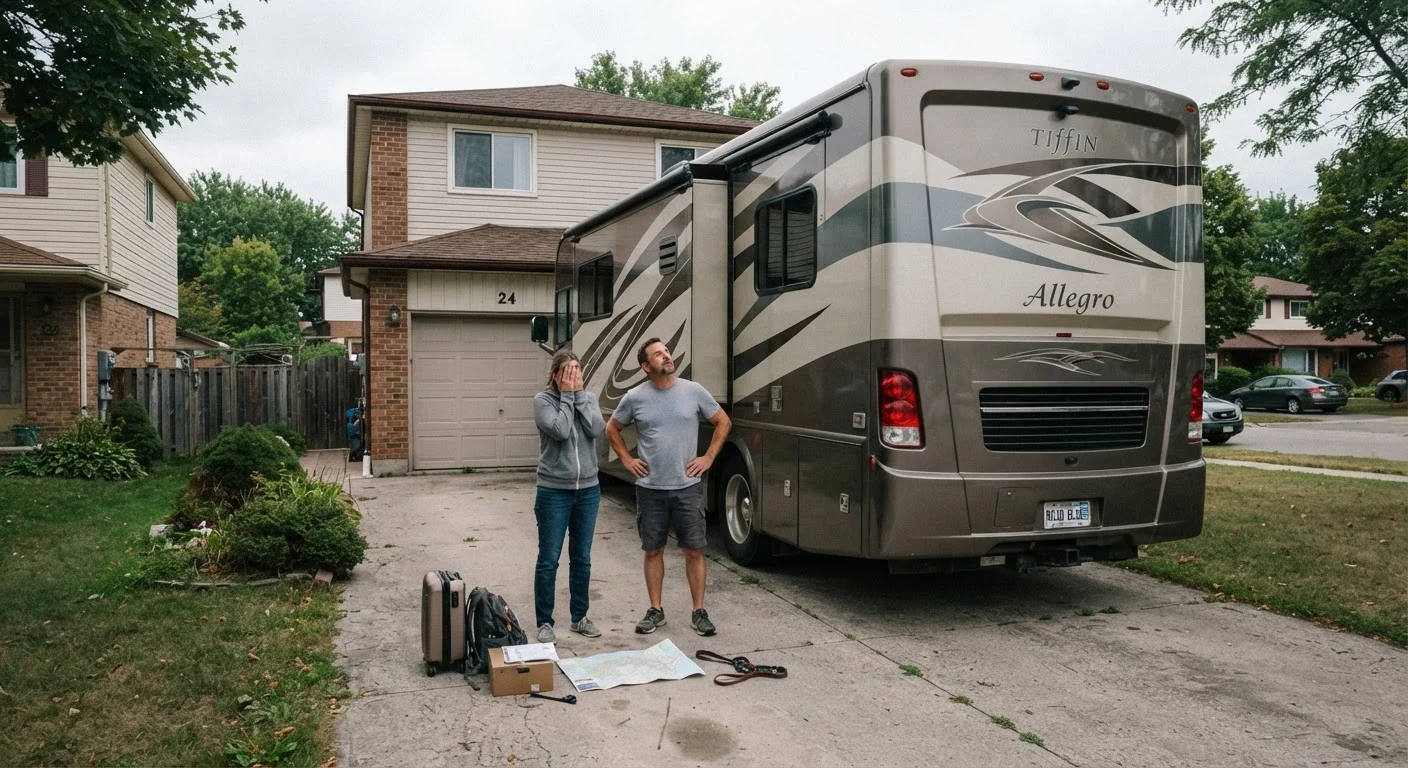
Buying the wrong size RV for their actual travel needs and parking realities.
Why it happens: Showroom floors make large Class A motorhomes feel exciting and spacious, and buyers visualize the best-case scenario without considering tight campground loops, urban fuel stops, or garage storage limitations.
Drastically underestimating the true annual cost of RV ownership.
Why it happens: First-time buyers fixate on the sticker price and monthly payment, overlooking insurance premiums, campground fees, fuel consumption, registration, storage, and ongoing maintenance — costs that can easily exceed several thousand dollars annually.
Skipping a professional pre-purchase inspection on a used RV.
Why it happens: Buyers, especially excited first-timers, trust the seller's representations and visible condition, not realizing that water intrusion, roof delamination, and slide-out motor issues are often invisible without a trained eye.
Choosing an RV that doesn't match the intended travel style — full-timing vs. weekend use.
Why it happens: Buyers conflate lifestyle aspirations with realistic usage patterns, purchasing a full-time-capable rig for occasional weekend trips, or the reverse — buying a minimalist teardrop trailer and then wanting to live in it for months.
Ignoring towing capacity and hitch compatibility when buying a towable RV.
Why it happens: Manufacturers advertise dry weights that don't reflect a fully loaded trailer, and buyers assume their existing truck or SUV can handle more than it safely can.
Rushing the purchase without researching RV types, floor plans, or systems.
Why it happens: The RV market can feel competitive, and dealers sometimes apply urgency pressure; first-time buyers without foundational knowledge are most vulnerable to making emotion-driven decisions.
Towing Capacity Is Non-Negotiable
Attempting to tow a trailer that exceeds your vehicle's rated towing capacity is both illegal in many states and genuinely dangerous. Always verify your tow vehicle's Gross Combined Weight Rating (GCWR) against the loaded trailer weight — not just the manufacturer's advertised dry weight. Overloading a hitch can cause sway, brake failure, and loss of vehicle control.
For a broader look at how ownership costs stack up against the perceived savings of life on the road, separating RV myths from financial reality is worthwhile reading before you sign anything.
Dealer Financing Deserves Scrutiny
RV loans often carry higher interest rates and longer terms than auto loans, meaning a buyer can remain underwater on their purchase for years. Before signing any financing agreement, compare rates from multiple lenders including credit unions. This article is general information — consult a licensed financial adviser regarding your specific borrowing situation.
The vehicle shopping process for RVs benefits from the same disciplined research approach you'd apply to any major purchase — but with additional considerations unique to towables and motorhomes. Take the time to verify, inspect, and test before committing.