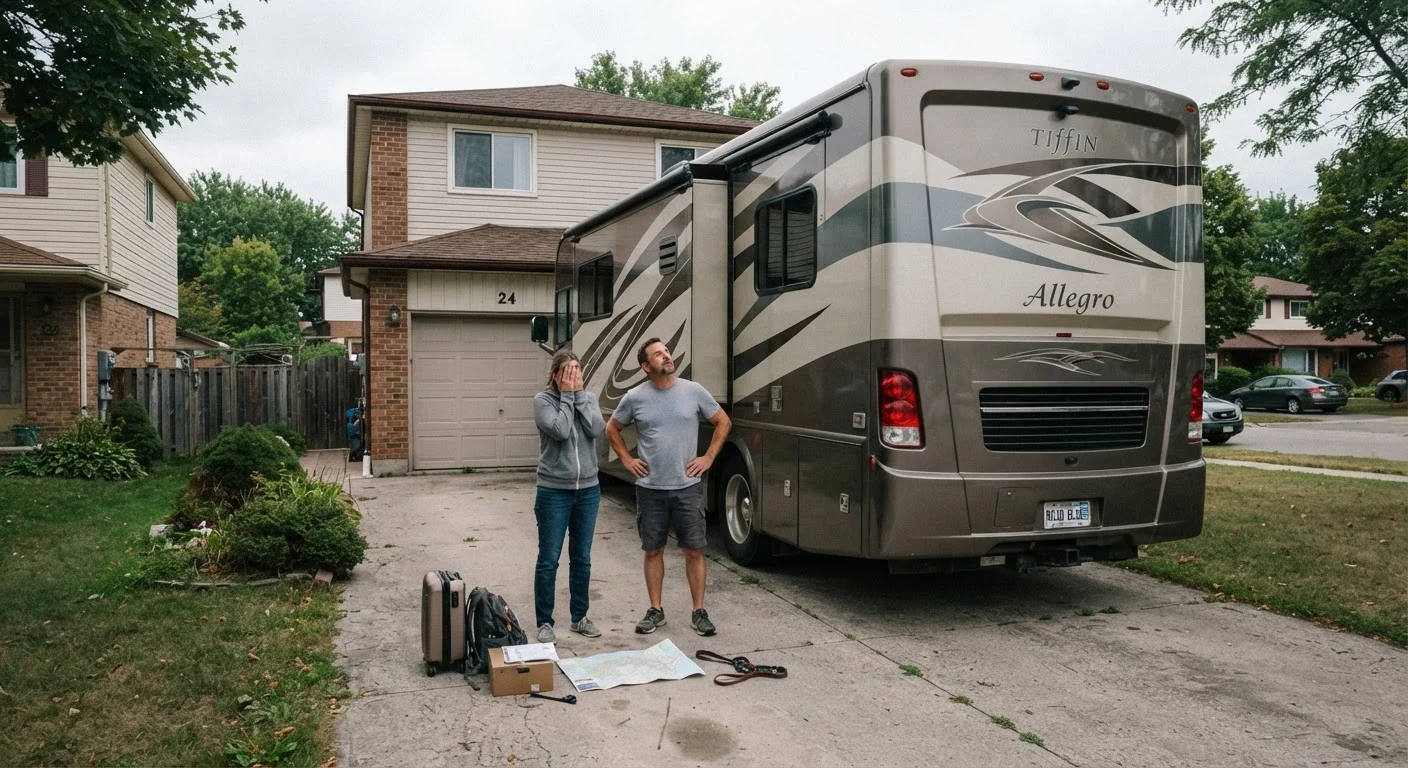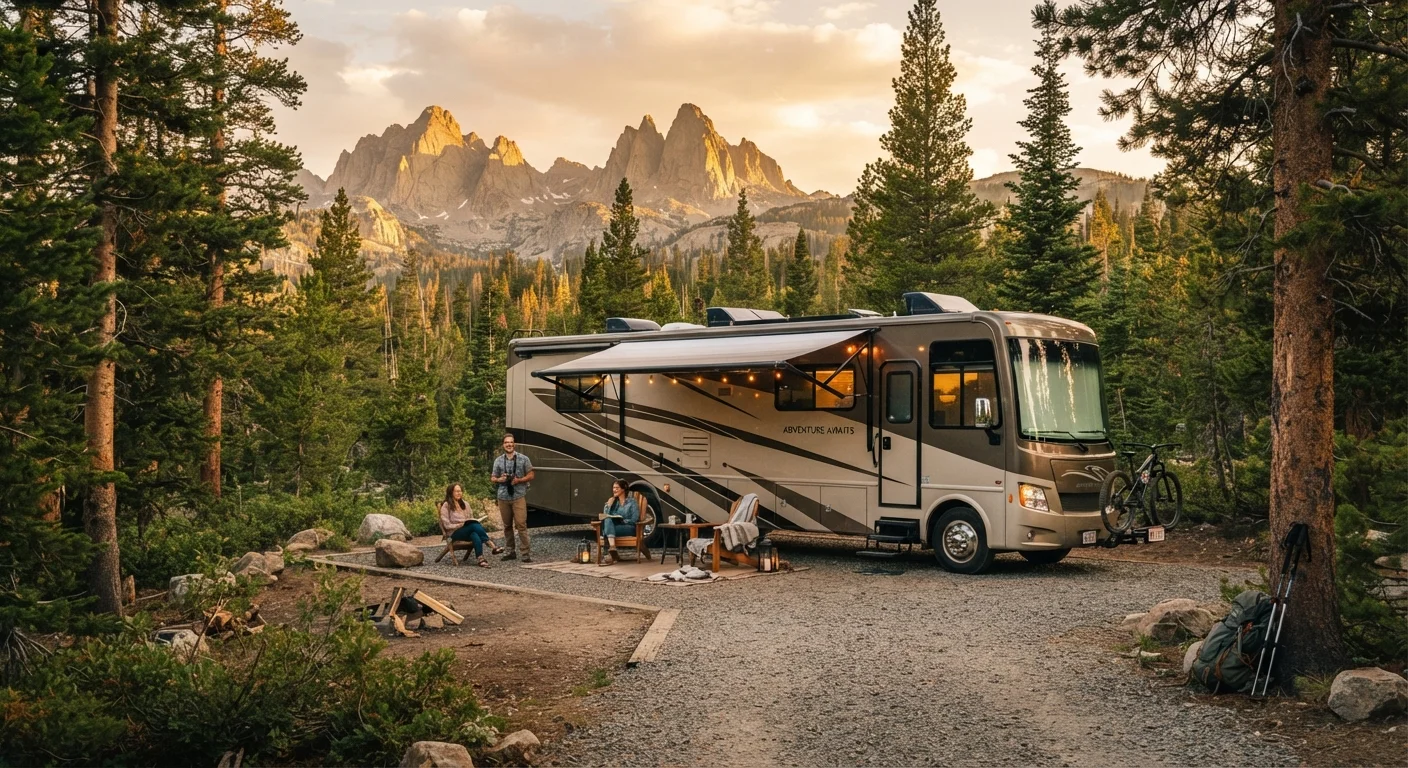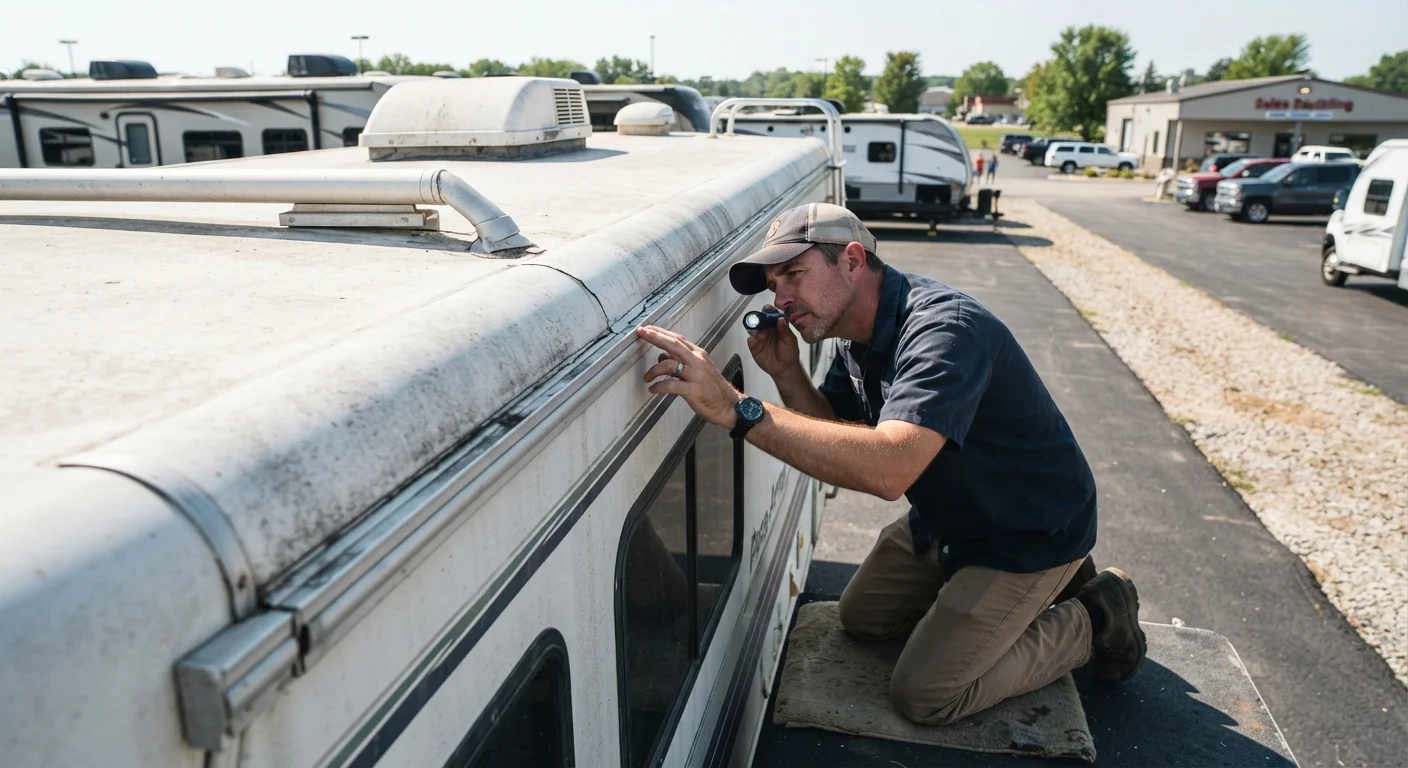

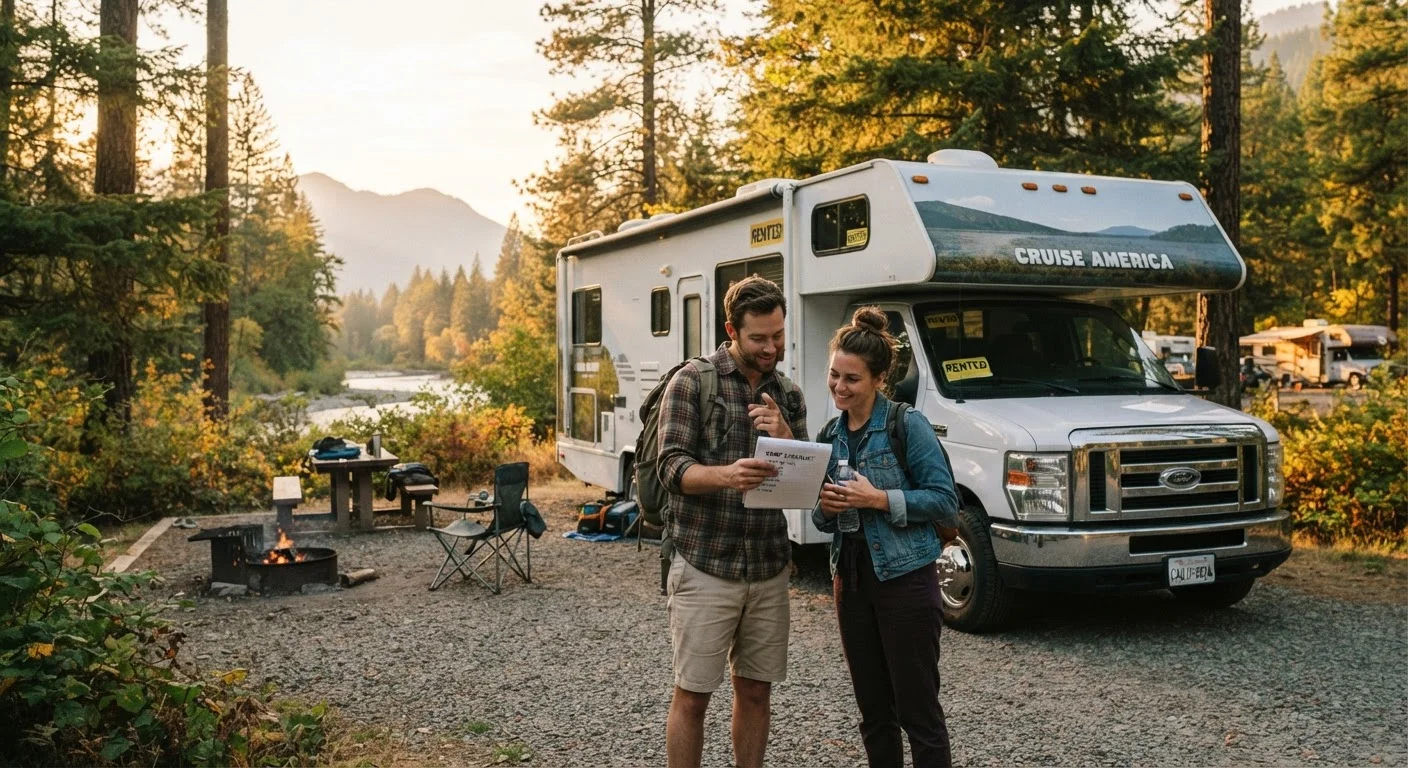
What a Rental Trip Can Genuinely Teach You
Renting before buying is one of the most practical steps a prospective RV owner can take-but only if you approach it as a structured learning exercise rather than a vacation. The experience gives you direct, embodied knowledge that no YouTube walkthrough or showroom visit can replicate.
You'll learn how you feel behind the wheel of a large vehicle, how the galley functions with actual groceries and real meal prep, whether the sleeping configuration fits your body and sleep habits, and how you and any travel companions actually coexist in a compact, moving home. These are not trivial data points. They directly shape which RV type, length, and floor plan will serve you well long-term-and which will lead to the kind of purchase regret described in our analysis of common first-time buyer mistakes.
A rental also exposes you to real campground logistics: reserving sites, understanding hookup types, connecting utilities, and managing gray and black water tanks. These are skills and habits you'll carry directly into ownership.
What you will need
What a Rental Trip Won't Teach You
Understanding the rental's limits as a test is just as important as the lessons it does deliver. Rental units are maintained by professional fleets-mechanical issues are caught early, systems are serviced regularly, and you're never responsible for a repair bill. That's a fundamentally different financial reality from ownership, where a single slide-out motor failure or roof delamination can cost thousands of dollars.
A Rental Is Not a Full Ownership Simulation
Rental RVs are serviced regularly, insured by the rental company, and returned when the trip ends. You won't experience the costs of unexpected repairs, storage fees, insurance premiums, or depreciation. Treat the rental as one data point in your research-not a complete picture of what ownership involves.
You also won't experience the cost of long-term storage (often $100-$300 per month depending on location and facility type), annual registration and insurance premiums, or the slow depreciation curve that affects most RV categories. For a realistic picture of the full financial picture, our honest look at RV lifestyle trade-offs covers what ownership actually costs beyond the sticker price.
Additionally, a rental trip doesn't expose you to the mythology that often surrounds RV buying. For a grounded reality check on common misconceptions, see our overview of RV myths that mislead new buyers.
Don't Let Rental Enthusiasm Drive a Purchase Decision
A great trip can generate genuine excitement, but vacation conditions rarely reflect everyday use. Before purchasing, also consult our guide on common first-time buyer regrets to understand where enthusiasm most often leads buyers astray.
Finally, you won't experience what it's like to own an RV that sits unused for months at a time-which is exactly the scenario that leads many buyers to question whether ownership made sense. Most rental trips generate enthusiasm precisely because they represent concentrated, intentional use. Honest reflection on how often you'd realistically travel is essential before signing anything.
Keep a Running Notes Document During the Trip
Use your phone to jot observations in real time-what felt cramped, what worked well, which features you ignored, and any moment of frustration. Memory fades fast after a trip ends, and those honest mid-trip reactions are exactly the kind of signal you need when evaluating a purchase later.
Making the Most of the Experience: Step-by-Step
The following steps are designed to help you extract the maximum value from a rental trip-turning a vacation into genuine purchase-readiness research.
Rental Agreement and Walkthrough Checklist
Ensures you understand the unit's condition at pickup and protects you from disputed damage charges at return.
Notepad or Notes App
Used to record real-time observations about layout, comfort, driving feel, and daily routines during the trip.
Tape Measure
Helps you measure key interior dimensions-bed length, slide-out depth, storage width-so you can compare them to purchase candidates later.
Campground Reservation Confirmation
Full-hookup and partial-hookup sites expose you to different RV systems (shore power, water connections, dump stations) relevant to real ownership.
Choose a Rental Unit That Mirrors Your Purchase Target
The closer the rental unit matches the type and size of RV you're considering buying, the more useful the experience will be. If you're weighing a 28-foot travel trailer, renting a similarly sized trailer-rather than a Class C motorhome-gives you relevant data on towing, hitching, and interior layout. Mismatched rental types can skew your conclusions significantly.
Review our primer on RV types and configurations if you're still narrowing down which category suits your travel style.
Complete the Pickup Walkthrough Thoroughly
Every reputable rental company conducts a pre-departure walkthrough covering the water system, LP gas appliances, electrical hookups, awning operation, and leveling. Engage fully-ask questions, operate each system yourself rather than just watching, and photograph the unit's condition before driving off. This protects you from liability disputes and also serves as your first real hands-on education with RV systems.
Drive Deliberately and Note Every Discomfort
Driving an RV-whether towing a trailer or piloting a motorhome-feels fundamentally different from a passenger vehicle. Pay attention to turning radius, lane discipline, wind buffeting on highways, backup visibility, and parking demands. If the driving experience causes sustained anxiety rather than manageable adjustment, that's important information about whether a particular size or type is realistic for you.
Live in the Space as You Actually Would
Resist the temptation to spend the trip outside the RV. Cook full meals in the galley, sleep through multiple nights and evaluate the bed length and ventilation, use the bathroom and shower as you would at home, and spend a rainy day entirely inside. The goal is to stress-test the floor plan against your real habits-not idealized ones.
Many buyers discover on a rental that the dinette they planned to use as a workspace is too cramped, or that the queen bed requires one person to climb over the other every night. These are valuable, purchase-shaping observations.
Use a Full-Hookup Site and a Non-Hookup Site
Try to book at least one night at a full-hookup campground (shore power, water, and sewer connection) and one night at a site where you rely on the RV's battery bank, fresh water tank, and onboard holding tanks. The difference in experience is substantial. Tank management, generator noise, and water conservation become real concerns the moment you're off hookups-and they're a core part of ownership reality.
Record What You'd Change and What Worked
On the last night of your trip, write a structured debrief: what floor plan features you'd want more of, what you never used, what caused frustration, and what surprised you positively. Be specific-"storage was insufficient" is less useful than "the only exterior bay couldn't fit two folding chairs and a portable grill at the same time."
Bring this list directly into your purchase research. It pairs naturally with a pre-purchase inspection checklist when you're evaluating specific units.