
Why RV Myths Persist - and Why They Matter
The recreational vehicle market attracts buyers at a particular moment of optimism - planning a cross-country trip, imagining life on the road, or searching for a flexible way to travel with family. That emotional context makes it easy for appealing but inaccurate ideas to circulate unchallenged. Social media feeds and enthusiast forums amplify the highlights while glossing over the logistics.
The myths covered here aren't harmless misunderstandings. Acting on them can lead to mismatched equipment, unexpected expenses, and genuine safety hazards. Before committing to a purchase or a travel plan, it pays to separate what sounds true from what actually is. For a fuller picture of the trade-offs involved, see our piece on the RV lifestyle's honest trade-offs.
Myth
RVing is cheaper than staying in hotels or flying - it pays for itself over time.
Fact
RV travel involves substantial fixed costs - depreciation, insurance, storage, and maintenance - that make it more expensive than conventional travel for most users.
The cost comparison looks favorable when you only count campground fees against hotel rates. But RV ownership adds depreciation (often steep in the first few years), annual insurance premiums, storage fees when not in use, fuel costs for a much heavier and less aerodynamic vehicle, and maintenance that goes beyond a standard car. For occasional travelers, these fixed costs rarely balance out. Full-timers who eliminate a home payment can shift the math, but they face a different set of expenses in return.
Myth
If my truck has a high tow rating, it can pull any trailer up to that weight.
Fact
Tow rating is only one of several limiting figures. Payload capacity, tongue weight limit, and the trailer's own GVWR each impose independent constraints that must all be respected simultaneously.
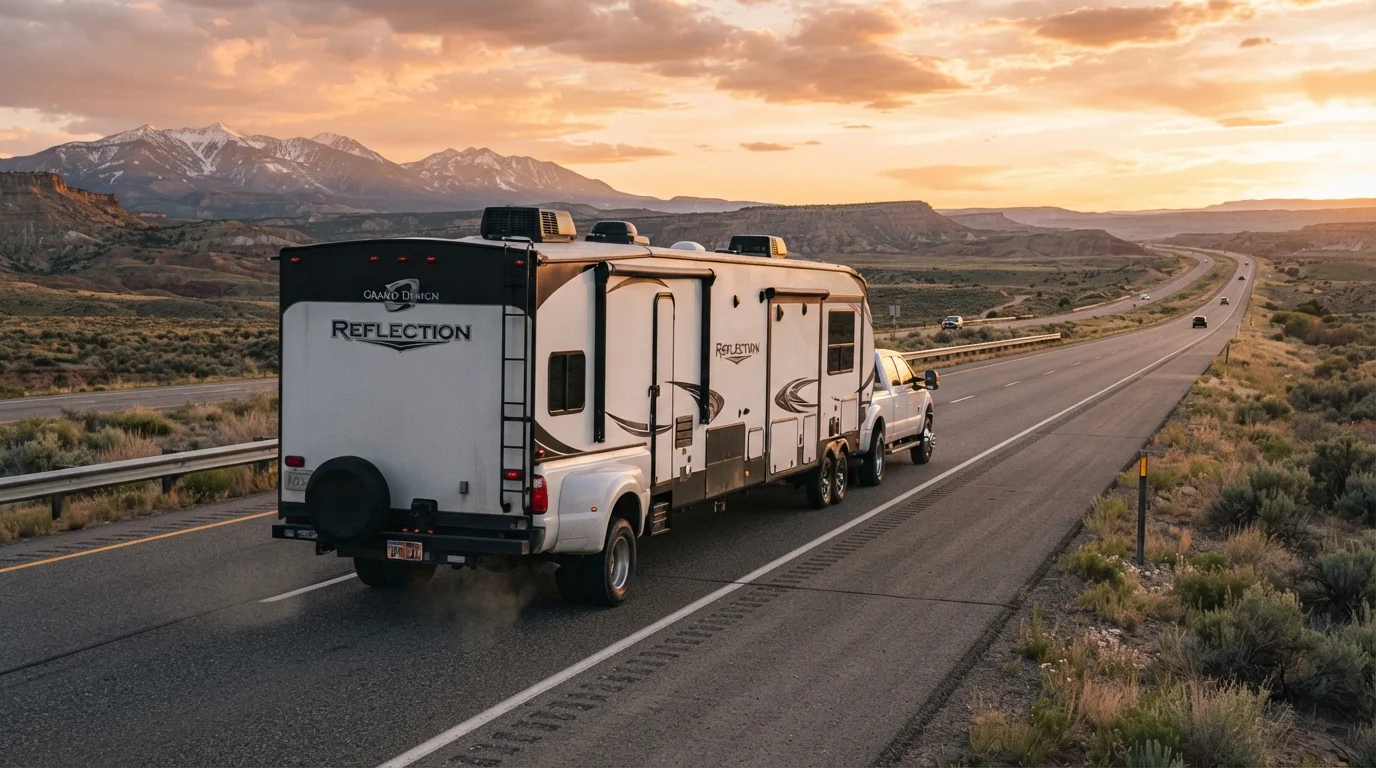
A truck rated to tow 12,000 pounds may have a payload capacity of only 1,400 pounds. Tongue weight - typically 10-15% of the loaded trailer weight - counts against payload, as does every passenger and pound of cargo in the cab and bed. Exceeding payload while staying under the tow rating is a common and dangerous mistake. Always cross-reference the manufacturer's tow guide for the specific truck configuration, not just the headline number on a sticker or advertisement.
Myth
New RVs are built to high quality standards and won't need repairs for years.
Fact
New RVs frequently arrive with defects, and quality control in the industry has historically been inconsistent across manufacturers and price points.
Unlike passenger vehicles, RVs are largely assembled by hand, combining components from numerous suppliers under significant production pressure. Industry consumer surveys have repeatedly documented high rates of defects in new units - issues ranging from minor cosmetic problems to water intrusion, faulty electrical systems, and appliance failures. A pre-delivery inspection (PDI) is essential, and buyers should understand exactly what their warranty covers and for how long. A thorough pre-purchase RV inspection applies to used units but the same diligence is warranted on new ones.
Myth
Campgrounds always have full hookups - electricity, water, and sewer - at every site.
Fact
Campground infrastructure varies widely. Many sites offer only partial hookups or none at all, and full-hookup sites at popular destinations often require advance reservations.
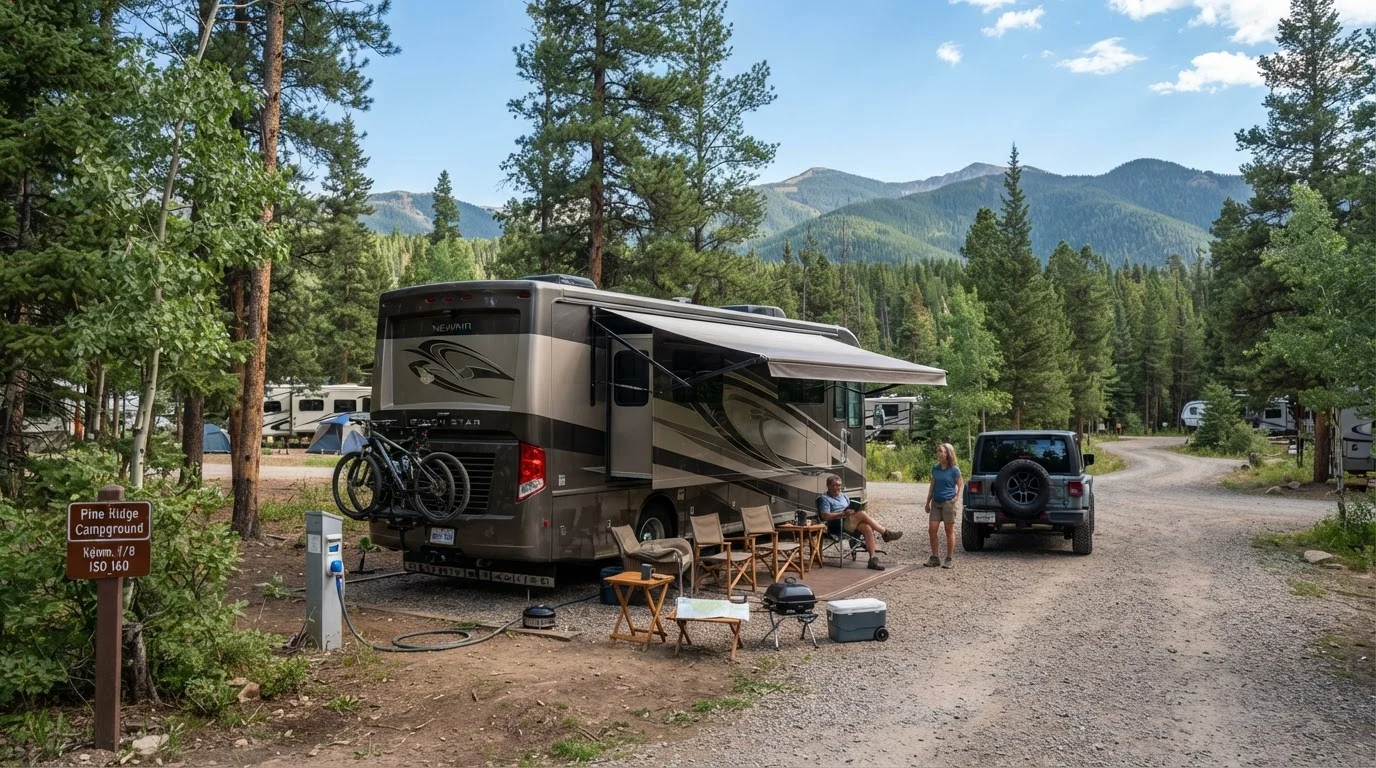
"Full hookup" means 30- or 50-amp electric service, potable water, and sewer at the site. Many campgrounds - particularly those on public lands - offer only electric and water, electric only, or no hookups at all (dry camping or boondocking). Assuming full hookups are universally available leads to unpleasant surprises, especially for RVs with large appliance loads or limited fresh-water and holding-tank capacity. Understanding campground hookup types before your trip prevents avoidable problems.
Myth
Any experienced driver can handle an RV without special training or practice.
Fact
RVs handle fundamentally differently from passenger vehicles - wider turns, longer stopping distances, height restrictions, and trailer sway all require deliberate skill development.
The physics of a 30-foot motorhome or a towed trailer are not intuitive extensions of everyday driving. Low-clearance bridges, tight campground lanes, backing into sites, and managing sway in crosswinds or when passed by large trucks are skills that take practice. Most states don't require a special license for RVs under a certain weight, but the absence of a legal requirement is not the same as being prepared. New RVers are strongly encouraged to practice in empty lots, take a driving course if available, and begin with shorter, less complex routes.
Getting the Numbers Right Before You Buy or Tow
Several of the most consequential myths involve numbers - costs, capacities, and specifications - that buyers either don't look up or misinterpret. Understanding tow ratings, payload limits, and true ownership costs isn't optional background research; it determines whether your setup is safe and financially sustainable.
10-15%
Tongue weight as a share of loaded trailer weight
Industry towing guidelines consistently specify this range; exceeding it relative to payload capacity is a leading cause of tow-vehicle overload.
~20%
Typical new RV value loss in the first year
Depreciation patterns for RVs broadly mirror those documented for recreational vehicles generally, with the steepest losses occurring in early ownership years.
30-50 amp
Electric service required at full-hookup sites
RVs with residential-style appliances typically require 50-amp service, which is less common than 30-amp at many campgrounds.
The towing capacity listed on a truck's window sticker is a maximum under ideal, manufacturer-specified conditions. It does not account for passengers, cargo in the bed, hitch weight, or aftermarket additions. Exceeding payload or tongue-weight limits stresses braking systems, destabilizes the trailer, and can void warranties. Our detailed guide to payload, GVWR, and towing capacity breaks down each specification and explains why the margins matter.
Overloading a Tow Vehicle Is a Safety Issue
Operating a truck beyond its payload rating - even while staying under the tow rating - can compromise steering, braking, and tire integrity. This is not a minor technical detail; it is a documented contributing factor in towing-related accidents. Always confirm payload, tongue weight, and GVWR figures for your specific truck trim and engine configuration before hitching a trailer.
On the cost side, the purchase price of an RV is only the beginning. Insurance, storage, campground fees, fuel, and routine maintenance all accumulate. New units also depreciate sharply - often losing a significant portion of value within the first few years. For a realistic accounting, the true annual cost of RV ownership is worth reading before signing anything. Prospective buyers weighing new versus used will also find useful context in how new and used RVs actually compare.
Making a Better-Informed RV Decision
Correcting these myths isn't meant to discourage RV travel - it's meant to support decisions that hold up once you're on the road. Buyers who understand the real costs, capacity limits, and maintenance demands going in tend to have markedly better experiences than those who discover these realities after purchase.
If you're earlier in the process, a practical primer for first-time RV buyers covers the foundational questions worth answering before you shop. Renting before buying is often suggested as a test run - but it has limits too. Our look at what renting an RV will and won't teach you explains what to observe and what a rental trip can't replicate.
Understanding why purchases go wrong is equally useful. The patterns behind first-time RV buyer regret - overspending, wrong size, underestimated upkeep - are predictable and avoidable with the right preparation.
Verify Specifications Before You Buy or Tow
The window sticker, the dealership's sales sheet, and the manufacturer's website may each present towing and payload figures differently - and not always for your exact truck configuration. Use the door-jamb sticker and the manufacturer's tow guide (matched to your specific cab, bed, engine, and axle ratio) as your authoritative sources. When in doubt, consult a qualified mechanic or towing specialist before your first trip.