Why Classic Cars Need a Different Kind of Coverage
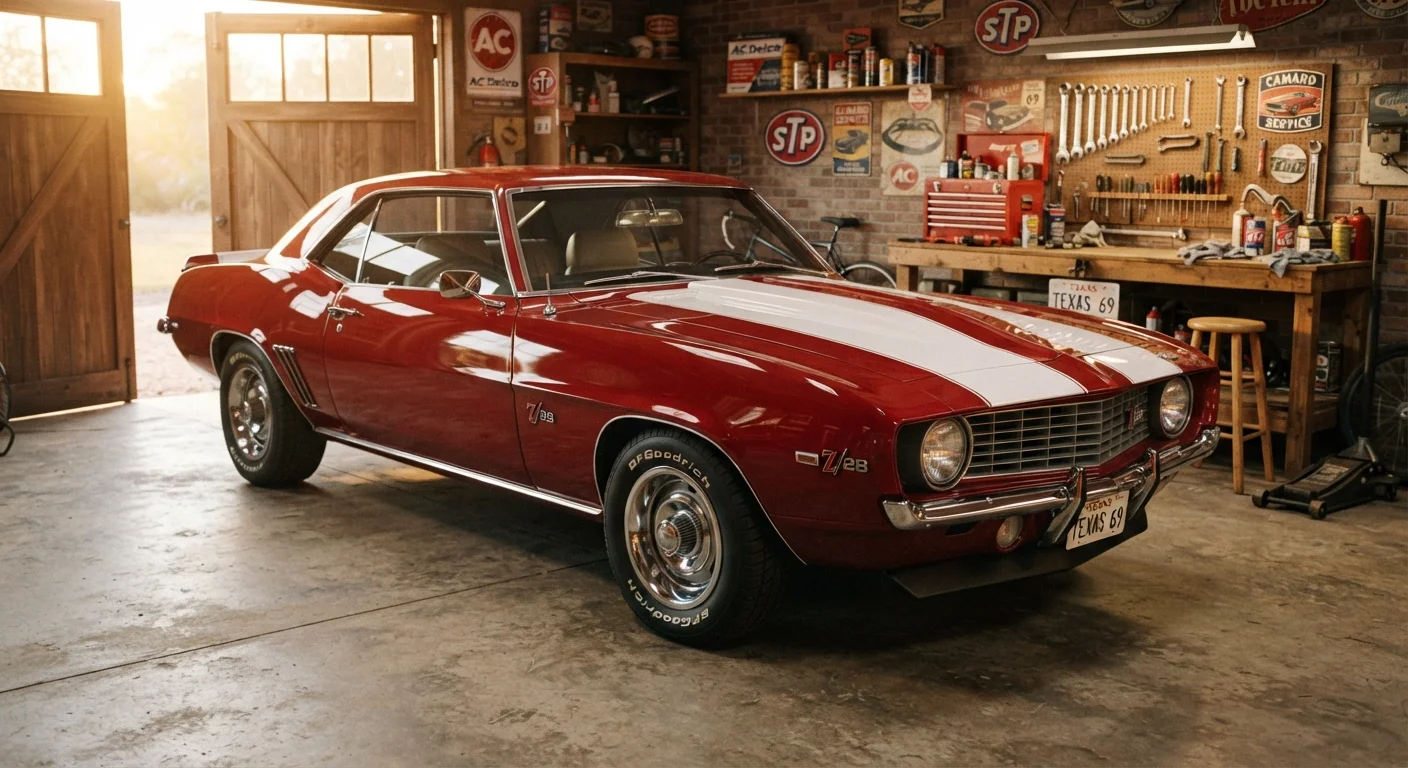
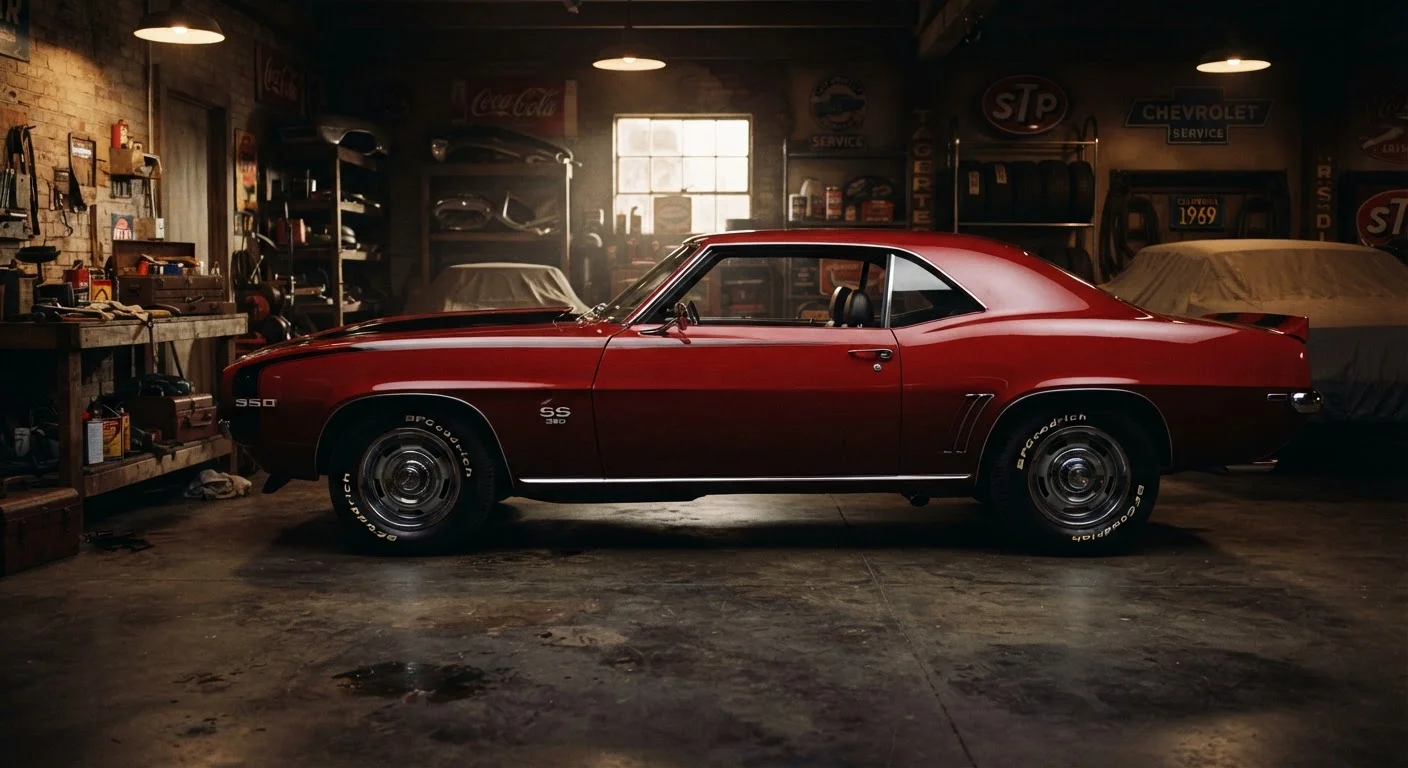
A standard auto insurance policy is built around a simple premise: a vehicle loses value over time, and if something goes wrong, the insurer pays out based on the car's current depreciated worth. That model works reasonably well for everyday vehicles. But for a meticulously restored 1967 Chevrolet Camaro or a survivor-condition 1955 Ford Thunderbird, depreciation is beside the point — these vehicles often appreciate in value.
Classic car insurance is engineered around that reality. Rather than insuring a vehicle for what the market says it's worth today, classic policies recognize the investment a collector has made in acquiring, restoring, and preserving a vehicle. The result is a coverage structure — and a set of policy conditions — that looks meaningfully different from anything you'd find in a standard personal auto policy.
Understanding those differences matters whether you're researching your first collector vehicle purchase or reassessing coverage on a car you've owned for years. For a broader view of what classic car ownership actually involves day to day, see our full ownership guide.
Classic Car Insurance Is Not One-Size-Fits-All
Policy structures, eligibility criteria, mileage limits, and claim settlement terms vary considerably across insurers that specialize in collector vehicles. What qualifies as a "classic" under one insurer's definition may not meet another's threshold. Always review the actual policy documents — not just summary materials — and speak with a licensed insurance professional before purchasing coverage.
Agreed Value vs. Actual Cash Value: The Core Difference
The single most important structural distinction in classic car insurance is how a claim is settled. Standard auto policies typically pay actual cash value (ACV) — the vehicle's market value at the time of loss, accounting for depreciation. If your everyday sedan is totaled, the insurer estimates what a comparable car sells for in your area and pays that amount, minus your deductible.
Classic car policies commonly use agreed value (sometimes called guaranteed value). Before the policy is issued, you and the insurer agree on a fixed dollar amount — often supported by a formal appraisal — that represents the vehicle's worth. If the car is totaled or stolen, that agreed amount is what you receive, without depreciation applied. This eliminates the dispute and uncertainty that can follow a total-loss claim under an ACV policy.
Some policies offer a middle ground called stated value, where the owner declares a value but the insurer retains the right to pay ACV if that is lower. Stated value coverage is generally considered less favorable than agreed value for collectors, and understanding the difference before signing a policy is critical.
20–25 yrs
Typical minimum vehicle age to qualify
Most classic and collector car insurers require a vehicle to be at least 20 to 25 years old as a baseline eligibility condition, though exact thresholds vary by insurer.
5,000 mi
Common annual mileage cap per policy year
Many classic car insurance policies restrict covered driving to approximately 1,000–5,000 miles annually; some insurers offer higher-mileage tiers for more active drivers.
Agreed
Valuation method used at claim settlement
Unlike standard auto policies that pay depreciated actual cash value, classic car policies commonly settle total-loss claims at a pre-agreed fixed amount negotiated at policy inception.
Usage Restrictions and Mileage Limits
Classic car insurance policies carry usage conditions that reflect what these vehicles are — and aren't — intended for. Most policies explicitly prohibit using the insured vehicle as a daily commuter, for business errands, for hire, or for racing. Typical permitted uses include driving to and from car shows and exhibitions, organized club drives, and limited pleasure cruising.
Annual mileage caps are a standard feature. Many policies limit covered driving to somewhere in the range of 1,000 to 5,000 miles per year, though some insurers offer flexible or unlimited mileage tiers at higher premium levels. Exceeding the stated mileage limit — or using the vehicle for a prohibited purpose — can affect your coverage in a claim scenario. Reading the usage definitions in the actual policy document is not optional; it is essential.
These restrictions are part of why classic car premiums are often lower than what you'd pay to insure a comparable-value daily driver. Reduced road exposure translates to a lower statistical risk of an accident, and insurers price accordingly.
Get a Formal Appraisal Before Insuring
Before setting an agreed value on a classic car policy, consider having the vehicle independently appraised by a credentialed specialist. A documented appraisal supports the agreed value during underwriting and provides evidence in the event of a claim. Keep the appraisal current — collector car markets can shift, and an outdated valuation may not reflect what the vehicle is actually worth.
Storage, Eligibility, and Other Policy Conditions
Beyond usage, classic car insurers frequently impose conditions related to how and where the vehicle is kept when not in use. A locked, enclosed private garage is the standard expectation. Open-air storage, unsecured carports, or shared commercial lots may disqualify a vehicle from coverage or result in significantly different policy terms.
Eligibility thresholds vary by insurer, but vehicle age is typically a baseline requirement — commonly 20 to 25 years or older. Condition matters too: most policies expect the vehicle to be in good, restored, or well-preserved condition, not a neglected project car. Some insurers also cover modified or custom vehicles, but those typically require a formal appraisal and potentially additional documentation.
Certain specialized policies also extend to related items: spare parts collections, restoration materials, and show-related accessories. These are features rarely found in standard personal auto policies and are worth asking about when reviewing policy options with a licensed insurance professional. This kind of specialized structure is worth comparing to how other niche vehicle types are insured — for example, RV insurance operates under a similarly distinct framework tailored to non-standard vehicle use.
For questions about maintenance, sourcing parts, or servicing a classic vehicle, our vehicle parts and services hub covers those topics in depth.
This article is for general informational and educational purposes only and does not constitute personalized insurance advice. Coverage terms, eligibility requirements, and policy conditions vary by insurer and state. Consult a licensed insurance professional and review actual policy documents before making any coverage decisions.