
What 'Classic Car' Actually Means
The term classic car carries different meanings depending on context. Insurance companies, car clubs, and state motor vehicle agencies each define it differently — typically using age thresholds ranging from 15 to 25 years, though some organizations set the bar at vehicles manufactured before 1980 or even 1975. For most enthusiasts, the term refers to vehicles valued for their historical significance, design, or cultural impact rather than everyday utility.
Before committing to a purchase, understanding how your state classifies the vehicle matters — it can affect registration fees, emissions requirements, and eligible insurance products. If you're new to this world, the First-Timer's Roadmap to the Classic Car World covers eras, terminology, and what to expect in detail.
The Real Advantages of Ownership
Classic car ownership offers a set of genuine benefits that modern vehicles simply cannot replicate.
Potential for long-term value appreciation
Well-documented, correctly stored classics in desirable configurations have historically appreciated over time, unlike most modern vehicles that depreciate immediately. That said, value is highly model- and condition-specific, and no outcome is guaranteed.
Simpler mechanical systems, easier to understand
Pre-1980s vehicles typically lack the computerized systems that make modern car repairs inaccessible to non-specialists. Many maintenance tasks can be performed with basic tools and a shop manual by owners willing to learn.
Strong community and social engagement
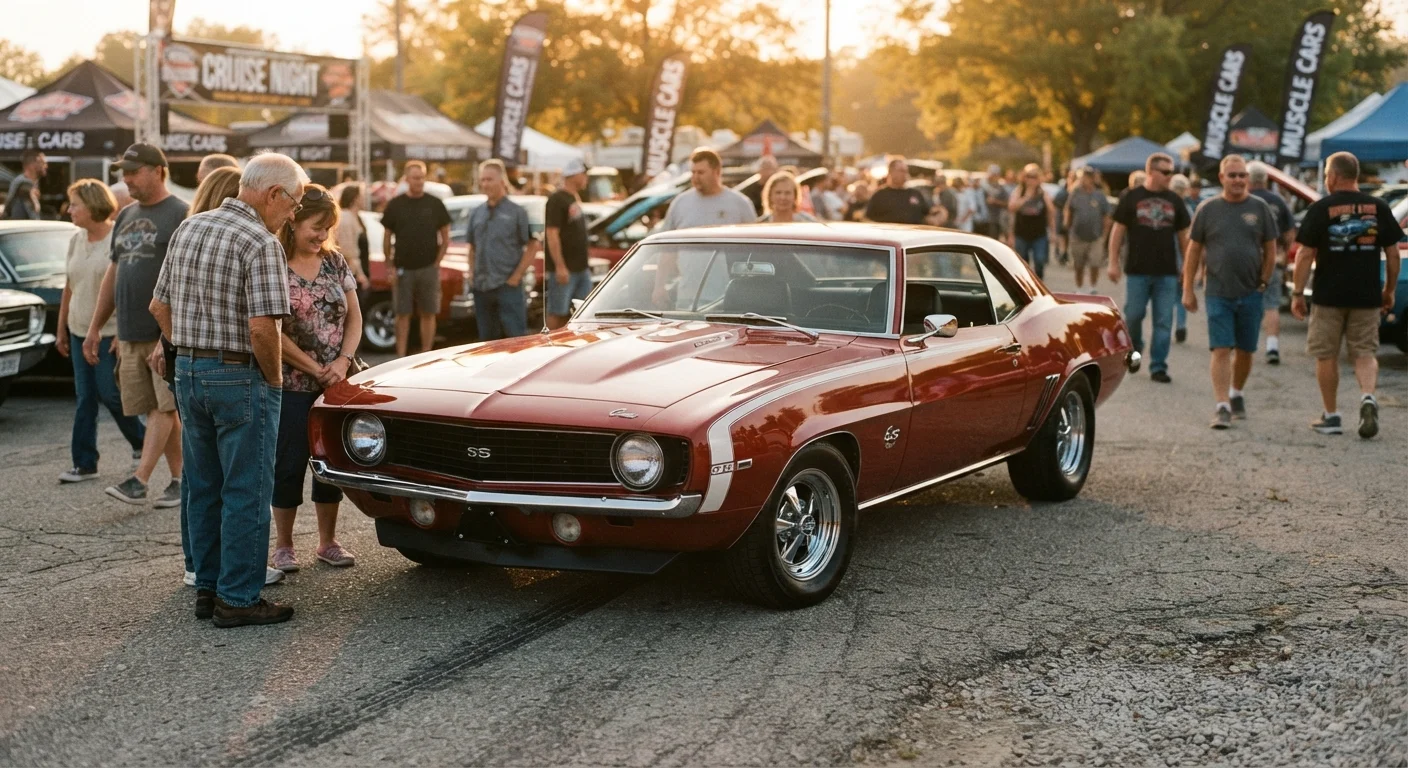
Classic car clubs, marque-specific registries, and regional shows create a genuine social infrastructure around ownership. Many owners cite the community as one of the most valued aspects of the hobby.
Distinctive design and driving character
Analog driving dynamics — mechanical steering, naturally aspirated engines, manual transmissions — deliver an experience fundamentally different from modern vehicles, which many enthusiasts find more engaging.
Favorable insurance options for low-mileage use
Specialty agreed-value insurance policies can offer strong coverage at competitive premiums for vehicles driven infrequently, provided storage and mileage requirements are met.
~25%
Share of classic car value tied to documentation
Appraisers and auction specialists commonly note that verifiable provenance — build sheets, service records, and matching numbers — can account for a substantial portion of a collector vehicle's market value.
$3,000–$10,000+
Typical annual storage and maintenance baseline
Estimates from classic car enthusiast organizations suggest that recurring costs for storage, insurance, and routine upkeep often fall within this range, excluding any restoration or unplanned repair work.
Beyond financial potential, the social dimension of ownership is substantial. Regional car clubs, national marque organizations, and weekend shows create a community that many owners describe as central to the experience. Wrenching on a vehicle with straightforward, pre-electronic mechanicals also offers a hands-on satisfaction that modern sealed engine bays discourage.
The Challenges You Should Anticipate
The romanticism around classic cars often overshadows the practical realities. Here's an honest account of what ownership actually involves day to day.
Parts can be scarce, expensive, or discontinued
Sourcing correct components for rarer models can take months and require specialist contacts. Reproduction parts vary widely in quality, and original components in good condition command significant premiums.
Storage requirements are demanding and costly
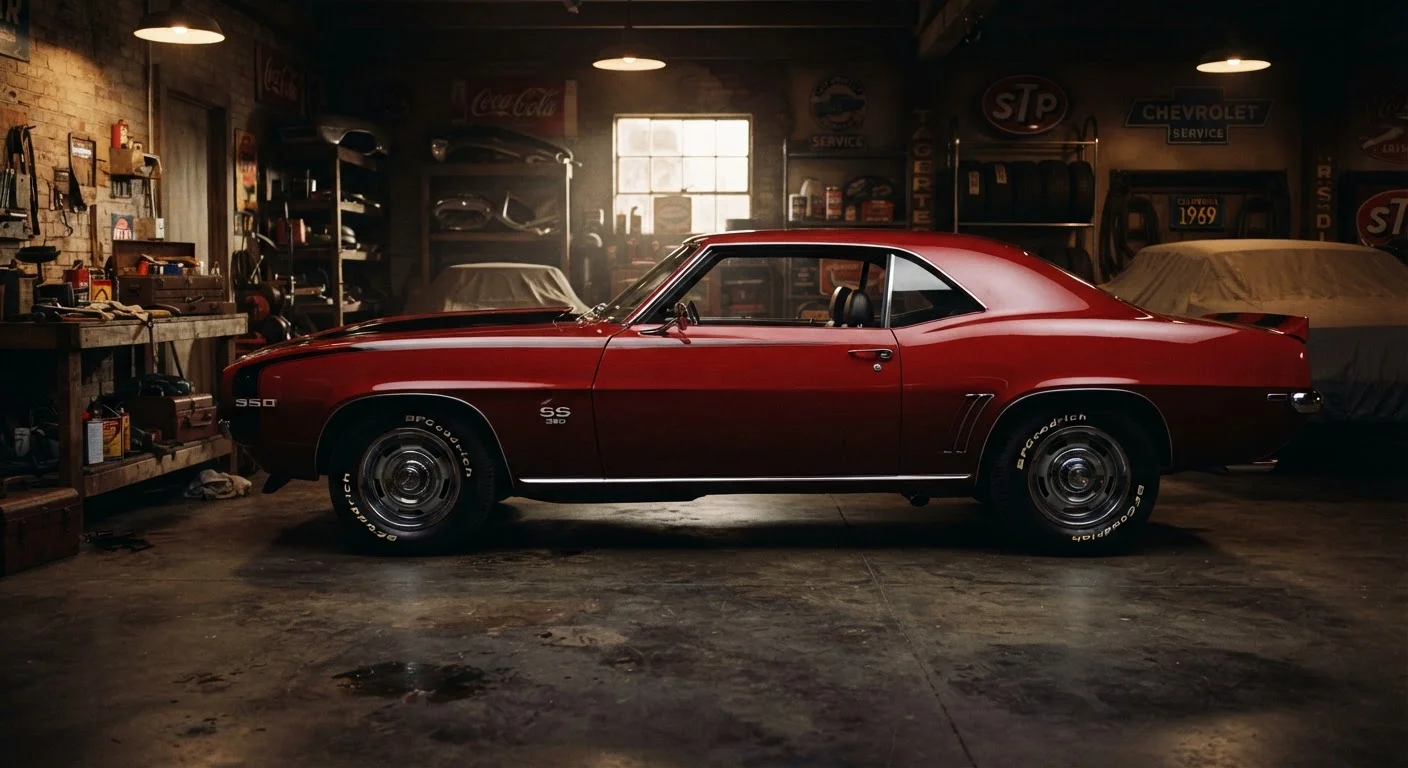
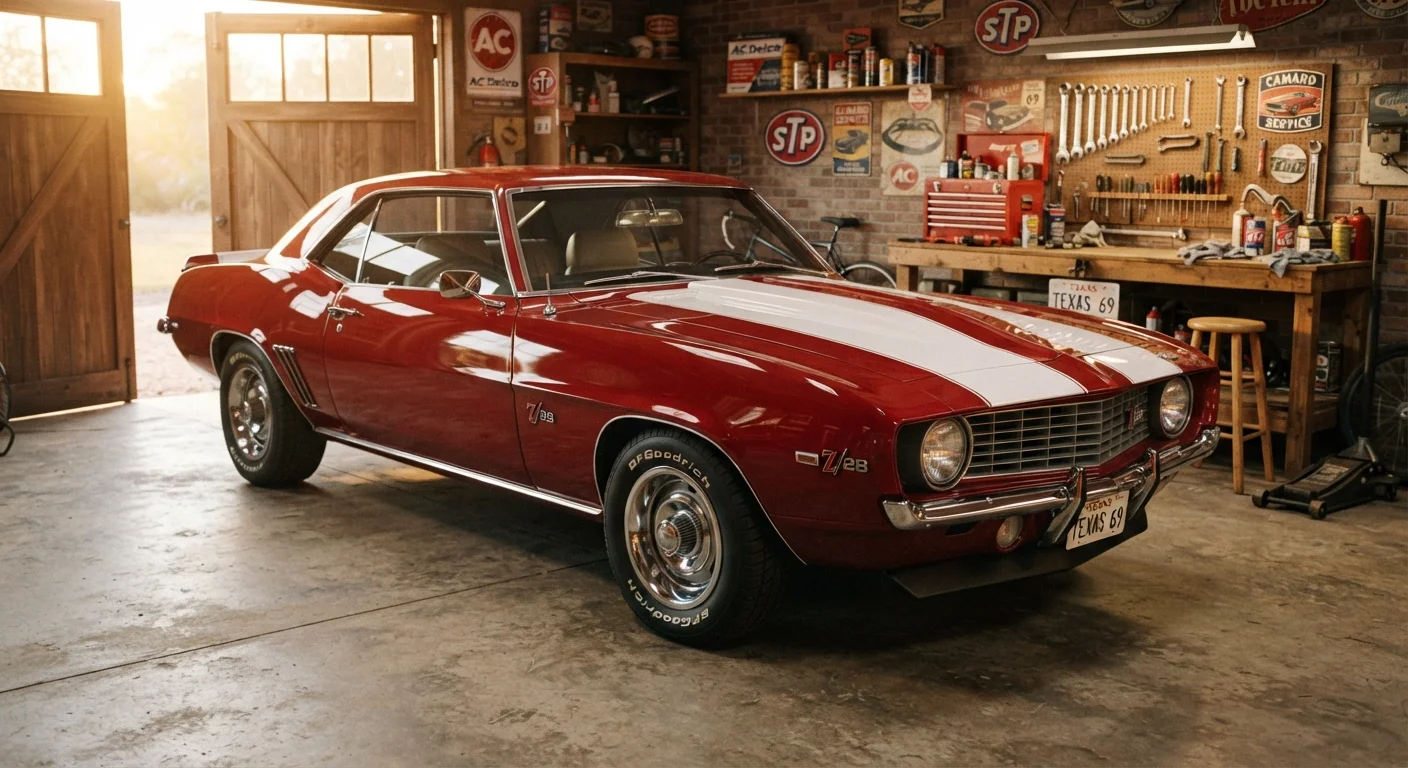
Proper storage typically means an enclosed, climate-controlled space to prevent rust, moisture damage, and UV degradation — an ongoing expense many buyers underestimate at purchase time.
Repair costs can escalate unpredictably
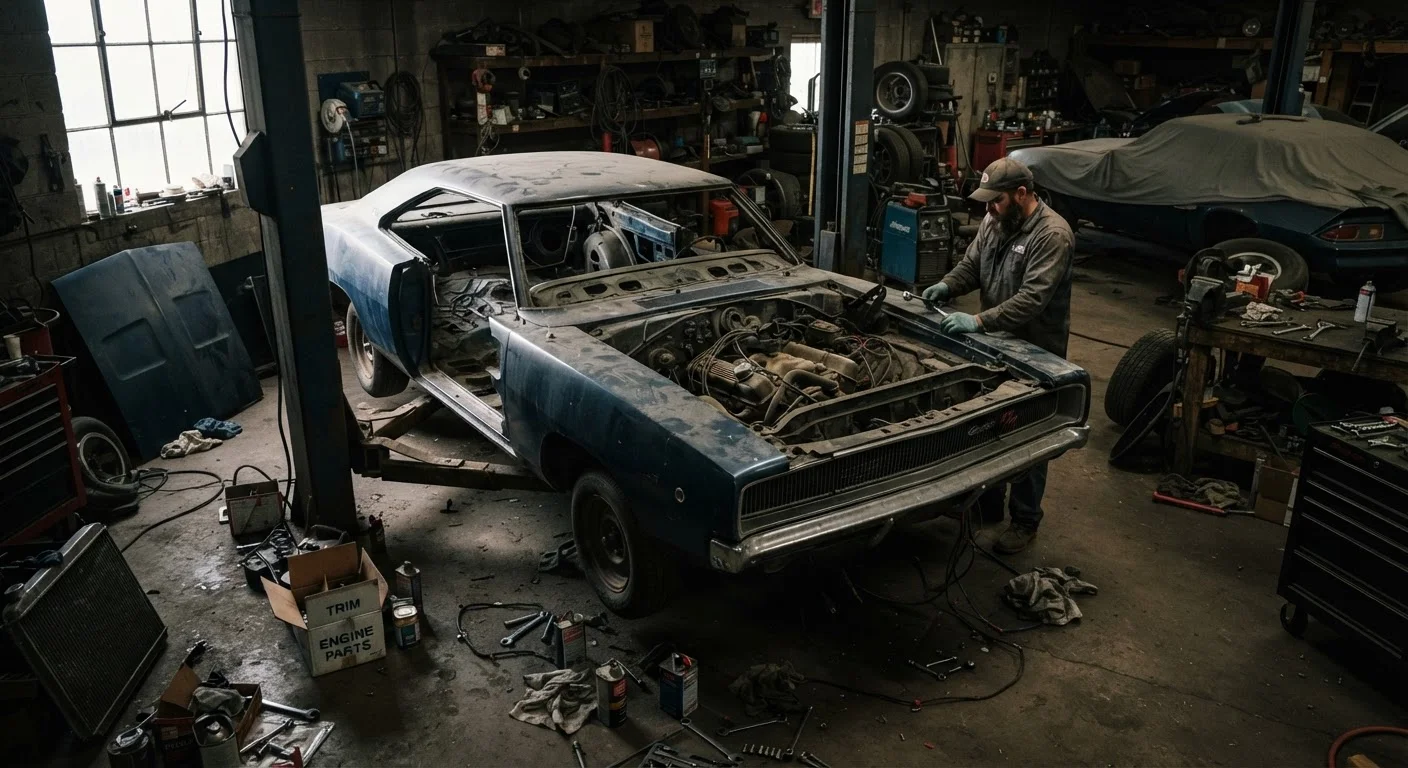
Aging rubber seals, deteriorating wiring, and decades of previous repairs mean that opening one problem often exposes others. Labor costs with experienced classic car mechanics reflect specialized skill.
Not suitable as reliable daily transportation
Most classics lack modern safety features, fuel economy, and the reliability infrastructure of current vehicles. Most specialty insurance policies also impose annual mileage caps that preclude daily use.
Value is highly sensitive to condition and documentation
Incorrect paint codes, non-original components, or gaps in service history can significantly reduce what a vehicle is worth at resale, even if the car looks and runs well.
Finding qualified mechanics is a real challenge
Not every shop has experience with vintage drivetrains, carbureted fuel systems, or era-specific electrical layouts. Owners in smaller markets may face limited local options and high travel costs for specialist work.
Parts sourcing deserves particular attention. For popular models — certain American muscle cars, well-documented imports — the reproduction parts market is strong. For rarer vehicles or unusual body styles, finding correct components can take months and require relationships with specialist dealers or salvage yards. This is compounded when authenticity matters to you: well-intentioned substitutions can quietly reduce what a classic is worth.
When DIY Repairs Are and Aren't Appropriate
The relative mechanical simplicity of older vehicles makes many routine tasks accessible to capable home mechanics — tune-ups, fluid changes, brake adjustments on drum systems. However, structural, electrical, and fuel system work on aging vehicles carries real risk. The DIY car maintenance guide outlines where self-service makes sense and where a qualified professional is the right call. When in doubt, consult a mechanic with direct experience on your specific make and era.
Insurance and Storage: The Ongoing Cost Baseline
Two recurring costs catch first-time classic car owners off guard: insurance and storage. Standard auto insurance policies are generally inappropriate for collectible vehicles because they use actual cash value rather than agreed value — meaning a claim settlement may reflect a depreciated market value, not what you paid or the vehicle's collector worth.
Specialty classic car insurance typically requires an agreed value appraisal, annual mileage caps, and proof of a primary daily driver. Storage requirements often include a locked, enclosed structure. Classic car insurance works differently from standard auto coverage in ways that matter significantly at claim time.
Climate-controlled storage adds meaningfully to annual costs but is often essential in regions with harsh winters or high humidity. Moisture and temperature swings are among the most common causes of deterioration in stored vehicles.
Making an Informed Decision
The gap between a compelling vehicle at a car show and the reality of long-term stewardship is wide. Before purchasing, prospective owners should conduct thorough due diligence — not just a visual inspection. A pre-purchase inspection by a qualified mechanic familiar with the specific marque is a reasonable baseline. Verifying the vehicle's full paper trail — title, build sheet, service history, and restoration records — is equally important.
Consider also whether the vehicle will be driven regularly, shown competitively, or stored as an investment. Each path implies different expenses and different priorities. Owners planning a restoration should review the full restoration process from disassembly to road-ready before estimating what the project will actually cost. And if the appeal is partly financial, understanding what numbers matching means and when it affects value can help you evaluate what you're actually buying.
This article provides general informational guidance about classic car ownership and does not constitute financial, legal, or professional mechanical advice. Costs, regulations, and market conditions vary. Consult qualified professionals before making purchase or investment decisions.