
Why RV Insurance Is Its Own Category
An RV sits in an unusual space in the insurance world. It's a vehicle you drive - or tow - but it's also a living space with furniture, appliances, and personal belongings. Standard auto insurance was built for passenger cars, and homeowners insurance was built for fixed structures. Neither maps cleanly onto a Class C motorhome or a 40-foot fifth wheel.
That gap is why RV-specific insurance exists. These policies are structured to address the dual nature of recreational vehicles, combining elements of auto, liability, and property coverage into a single product. The right policy structure depends heavily on your RV type, how often you use it, whether you tow or drive it, and whether it doubles as your primary home.
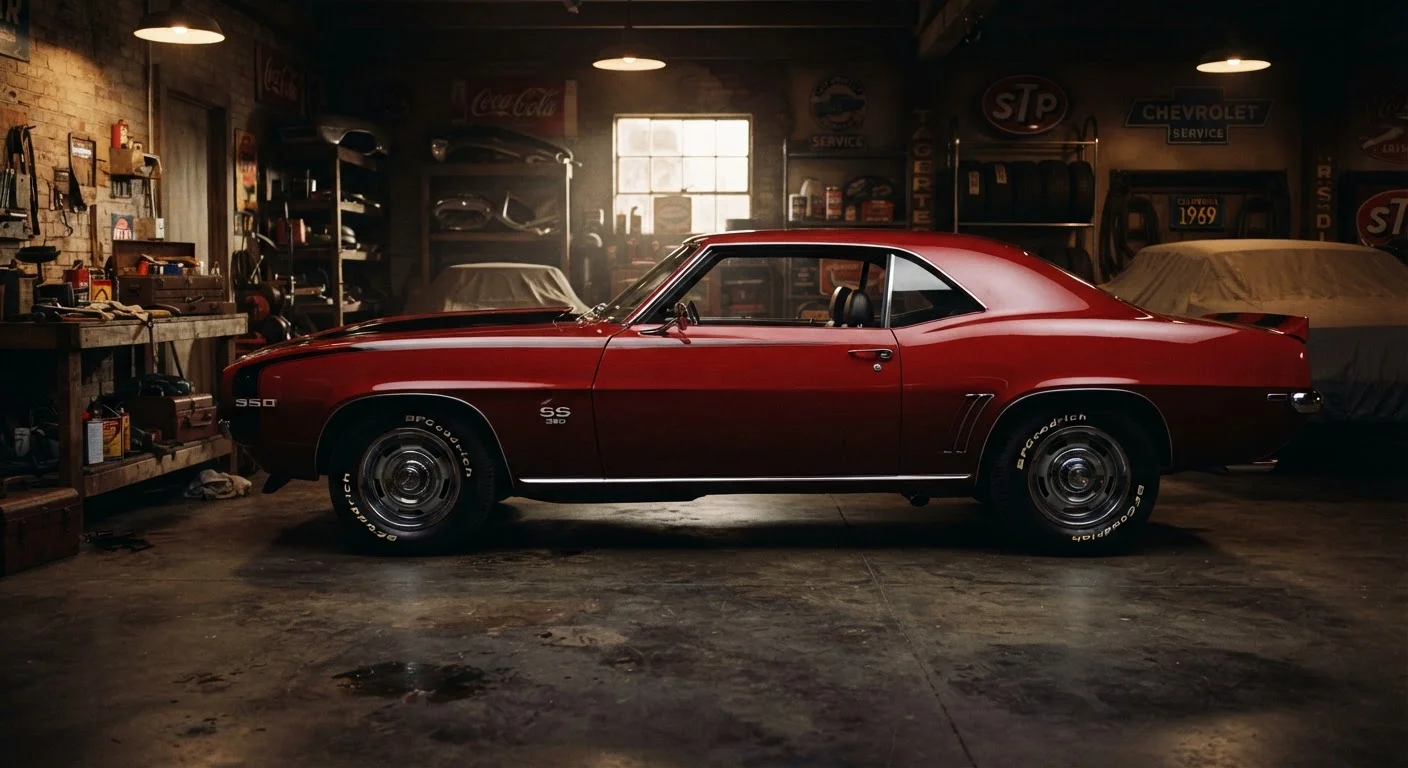
For a broader look at how specialized vehicle types shape coverage decisions, see how classic car insurance works differently from standard auto coverage - the principle of matching policy design to vehicle type applies across categories.
11M+
RV-owning households in the U.S.
According to the RV Industry Association, more than 11 million American households own an RV, reflecting the scale of the market and the number of owners who need appropriate coverage.
~20%
RV owners who live in their unit full time
Industry estimates suggest a notable and growing share of RV owners use their vehicle as a primary or near-primary residence, a use case that standard recreational policies typically do not cover.
Varies by state
Minimum liability requirements for motorhomes
Each state sets its own minimum auto liability limits, and motorized RVs are subject to those requirements - making it critical to verify your state's rules before operating a Class A, B, or C motorhome.
Core Coverage Types and What They Actually Do
RV policies typically include some combination of the following coverage types. Understanding each one - and what it excludes - is more useful than comparing headline premium numbers.
Liability Coverage
Liability coverage pays for bodily injury or property damage you cause to others while operating your RV. For motorized RVs, this is legally required in most states at minimum statutory levels. It does not cover your own injuries or damage to your own vehicle.
Collision Coverage
Collision covers physical damage to your RV resulting from an accident - hitting another vehicle, a guardrail, or rolling over. It's subject to a deductible, and the insurer will pay up to the policy's stated value of the RV, minus that deductible.
Comprehensive Coverage
Comprehensive covers non-collision damage: theft, fire, hail, flooding, fallen trees, and similar events. Motorhomes are particularly vulnerable to roof and exterior damage from storms, making this coverage meaningful for full-season travelers.
Uninsured/Underinsured Motorist Coverage
This protects you if you're hit by a driver who has no insurance or insufficient coverage. Without it, recovering costs from an at-fault uninsured driver can be difficult and time-consuming.
Review Your Policy's Stated Value Method
RV policies may use actual cash value (ACV), agreed value, or total loss replacement value to settle claims. ACV applies depreciation, which can leave owners significantly undercompensated for newer or well-maintained rigs. Ask your insurer specifically how they determine payout in a total loss scenario before binding coverage.
What Standard RV Policies Often Leave Out
Coverage gaps are where policyholders are most commonly surprised. Several common scenarios fall outside the scope of a basic RV policy:
- Personal belongings: Clothing, electronics, and camping gear stored inside the RV are generally excluded. Some policies offer optional personal effects add-ons, and some homeowners or renters policies extend limited coverage - but neither should be assumed.
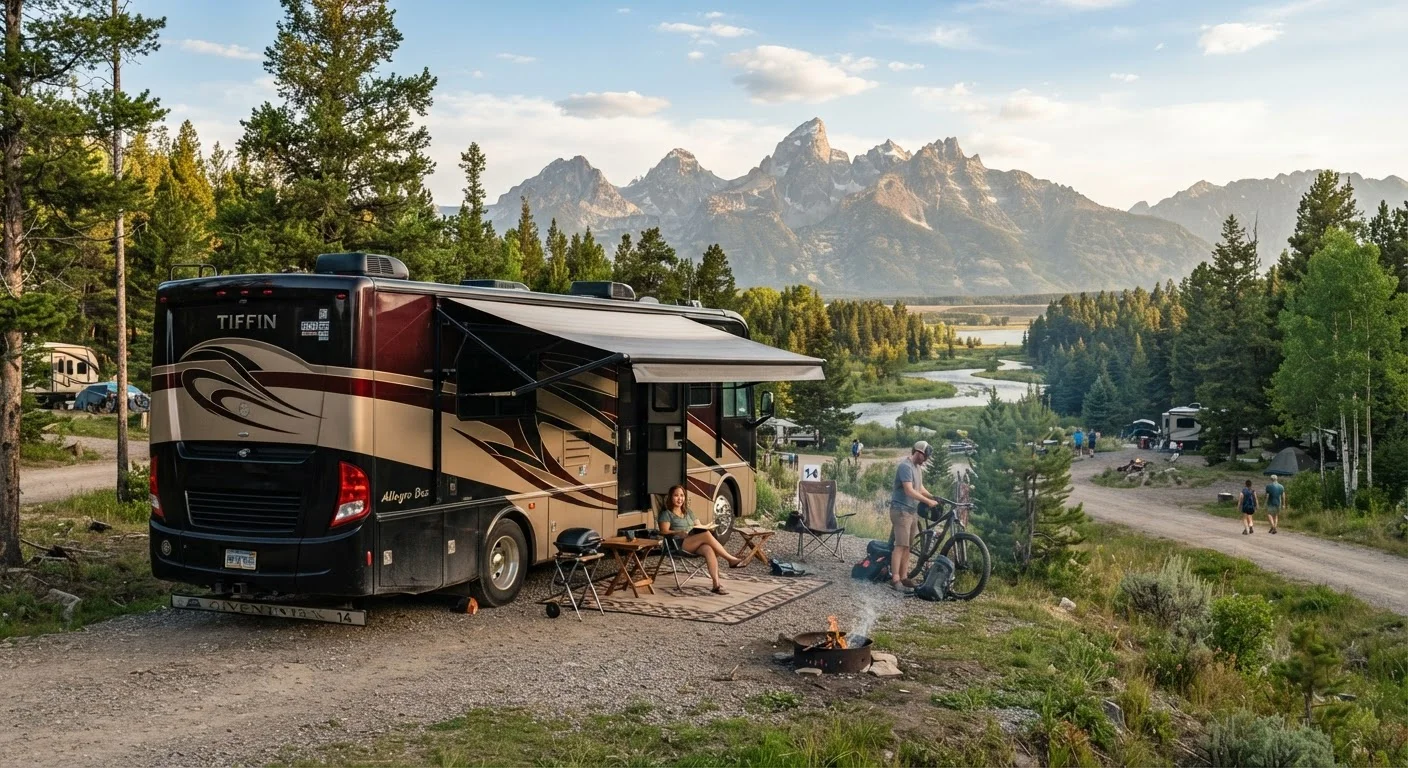
- Campsite liability: If a guest trips and falls at your campsite, standard auto-based liability may not apply since the vehicle is parked and stationary. Campsite liability coverage fills this gap.
- Full-time living: Policies designed for recreational use often contain exclusions for full-time occupancy. If the RV is your primary residence, a standard RV policy may be void or significantly limited.
- Attached accessories: Awnings, satellite dishes, and slide-outs may require specific endorsements to be covered under physical damage provisions.
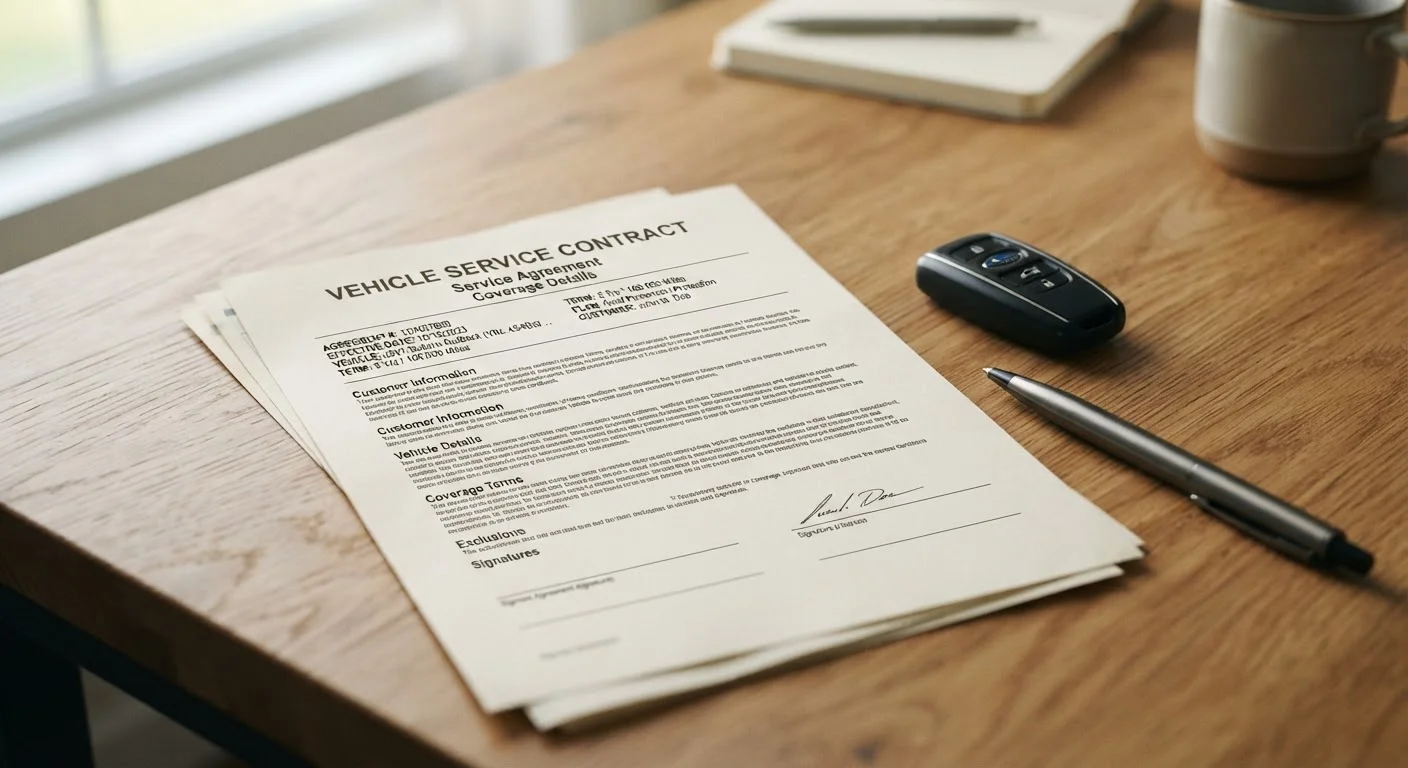
This is similar to how other specialty insurance products contain meaningful carve-outs - extended warranties and service contracts are another area where exclusions often matter more than inclusions.
Full-Timer Policies: Insurance for Year-Round RV Living
For those who live in their RV full time, standard recreational policies are inadequate. Full-timer RV insurance is designed to function more like a combination of auto and homeowners coverage, accounting for the fact that the vehicle is both a mode of transport and a primary dwelling.
Full-timer policies typically extend to:
- Personal liability when the RV is parked (similar to homeowners liability)
- Loss of use - temporary living expenses if the RV is damaged and uninhabitable
- Broader personal property coverage for belongings inside the RV
- Medical payments coverage for guests injured in or around the RV
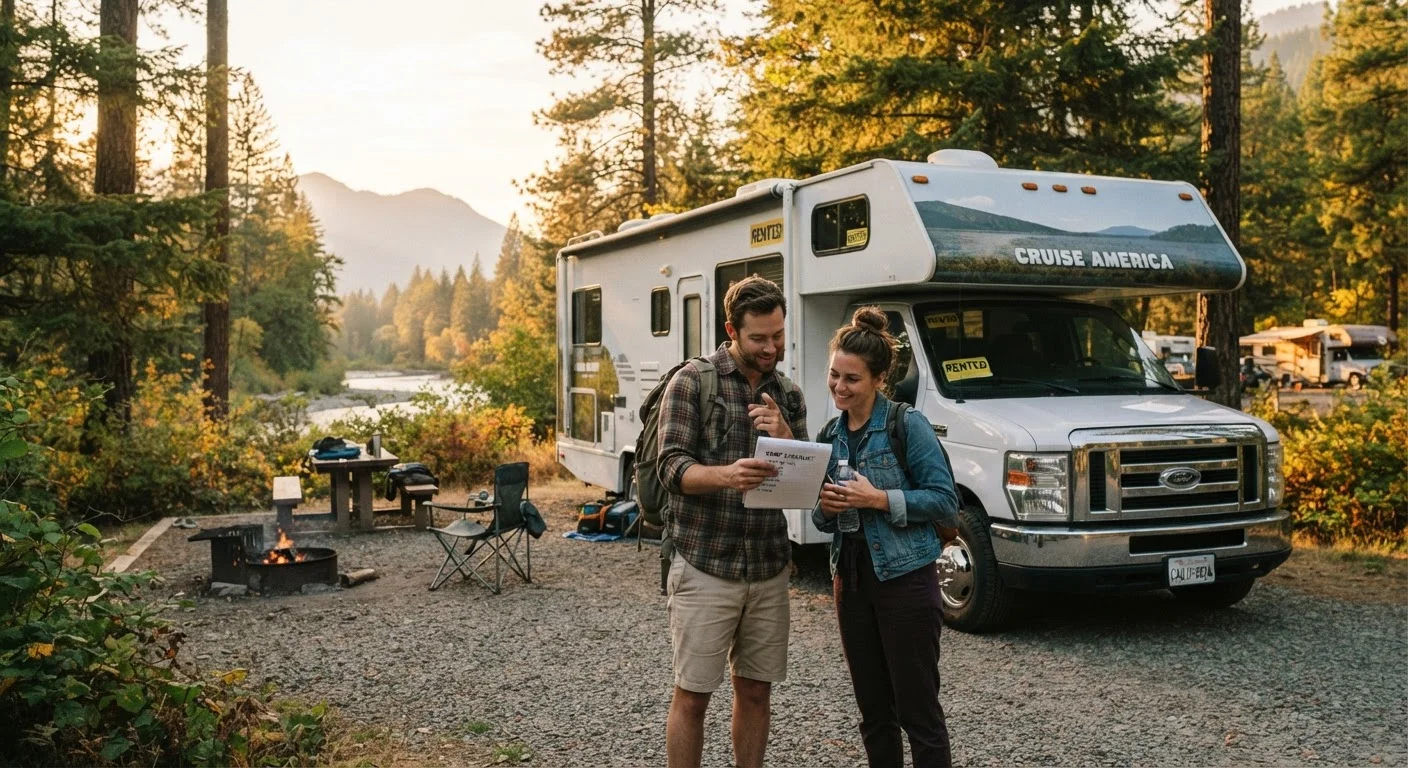
If you're exploring RV living before committing, renting an RV first can surface practical questions about how you'll use the vehicle - information that directly affects what kind of insurance structure you'll need.
Towable RVs and Liability Coverage
Travel trailers and fifth wheels do not have their own engines, so they are not subject to state motor vehicle liability laws as independent units. However, if the trailer causes an accident while being towed, liability typically falls under the tow vehicle's auto policy - up to that policy's limits. Physical damage to the trailer itself requires a separate policy or endorsement. Verify how your auto insurer handles towed units before assuming coverage extends fully.
Factors That Shape Your RV Insurance Cost and Terms
RV insurance premiums and policy terms are influenced by a range of variables. While specific pricing depends on the insurer and your individual situation, the following factors commonly affect coverage and cost:
- RV class and value: A Class A diesel pusher is valued very differently than a small camper van, and premiums reflect that gap.
- Usage frequency: Seasonal or recreational use policies cost less than full-timer coverage. Some insurers offer storage-period discounts.
- Driving history: For motorized RVs, your driving record influences rates, just as with auto insurance.
- Chosen deductibles: Higher deductibles reduce premiums but increase out-of-pocket exposure after a claim.
- Location and travel range: Some policies limit coverage geographically; cross-border travel into Canada or Mexico may require additional endorsements.
It's worth noting that RV insurance is just one layer of financial protection to consider. Common RV myths often include assumptions about what's covered that turn out to be inaccurate - insurance assumptions are among the most consequential.
This article provides general information about RV insurance for educational purposes and does not constitute personalized insurance or financial advice. Coverage terms, exclusions, and legal requirements vary by state and insurer. Consult a licensed insurance professional to evaluate options appropriate to your specific situation.