
Why Small Decisions Carry Outsized Consequences
Classic car values are built on a fragile combination of originality, condition, and documented history. Unlike modern vehicles, where depreciation follows predictable curves, collector cars are appraised against a narrow standard: how closely does this example reflect what left the factory? A single well-intentioned decision — repainting in a color that's close but not correct, or swapping a tired original engine for a fresher one — can shift a car from a premium-tier example to a mid-market vehicle almost overnight.
The damage is rarely obvious at first. Paint looks great. The engine runs. The interior is clean. But experienced buyers, appraisers, and auction specialists examine vehicles against factory specifications with a precision that casual owners rarely anticipate. Understanding where value quietly erodes is the first step toward protecting it. For anyone exploring the classic market, vehicle shopping guidance provides broader context on making informed acquisition decisions.
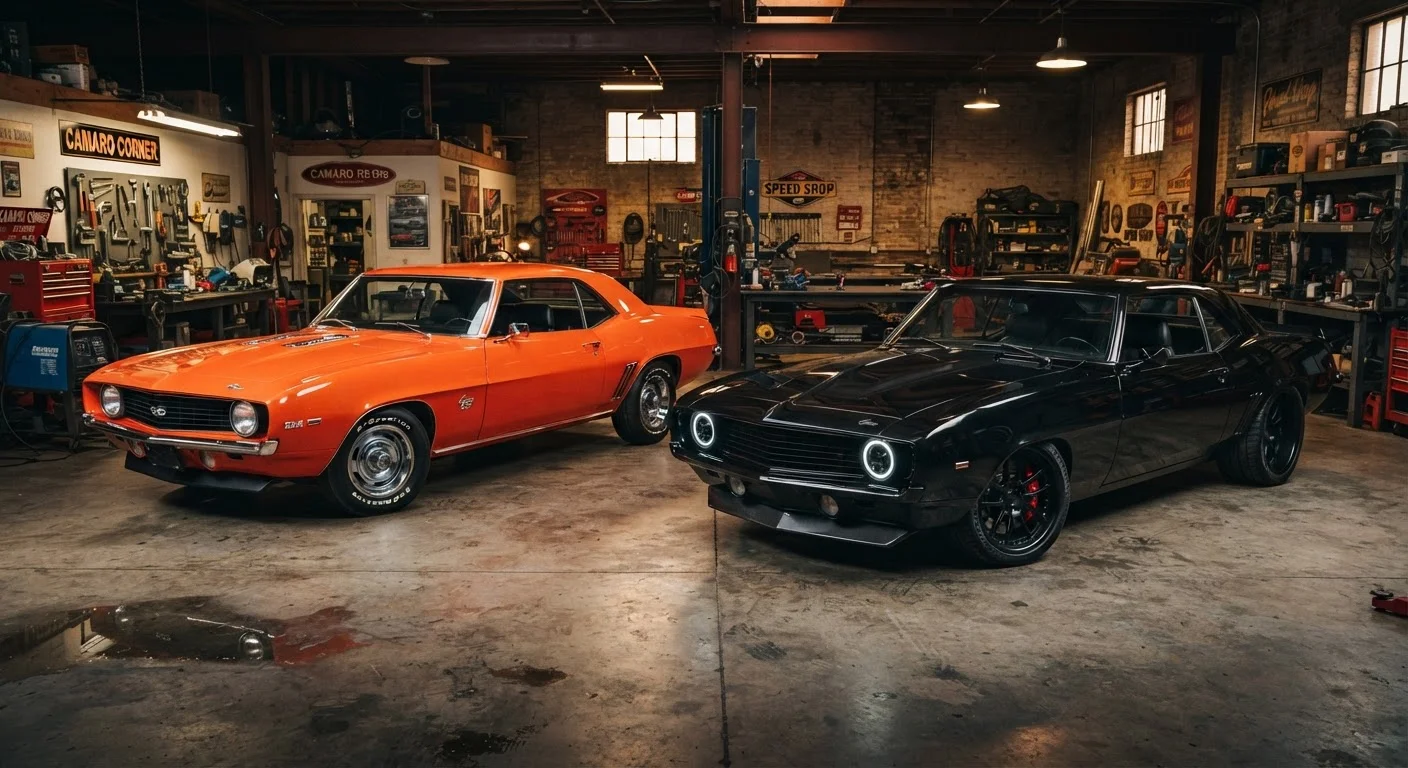
Applying the wrong paint color or finish — either through guesswork or using a modern color that merely approximates the original.
Why it happens: Original paint codes can be difficult to locate on weathered data plates, and owners sometimes assume a close visual match is sufficient. Modern paint formulations also differ from period lacquers and enamels.
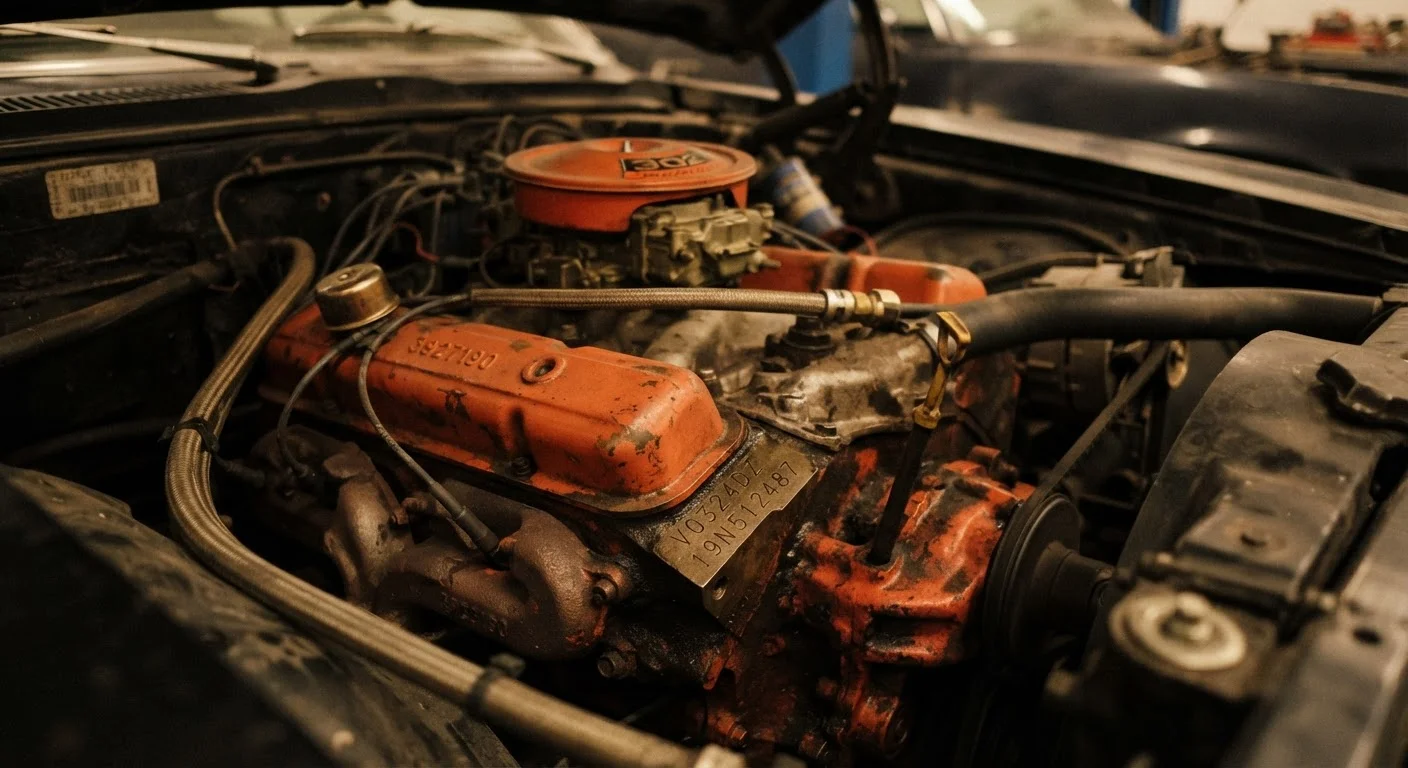
Replacing factory drivetrain components — engine, transmission, or rear axle — with aftermarket or incorrect-date-code alternatives.
Why it happens: Original components may be worn, seized, or simply unavailable, leading owners to substitute whatever fits. The long-term impact on numbers-matching status is often underestimated.
Over-restoring the vehicle to a standard that exceeds original factory quality — perfect panel gaps, show-quality engine bays on drivers-grade cars, or incorrect chrome plating thickness.
Why it happens: Owners understandably want the car to look its best, and restoration shops may default to modern standards of finish without guidance on period-correct tolerances.
Failing to maintain or compile proper documentation — title history, factory build sheets, and records of all restoration work performed.
Why it happens: Documentation is tedious, and many buyers inherit cars where prior owners kept no records. The importance of paperwork is often only understood at the point of resale.
Storing the vehicle improperly — on bare concrete, uncovered in humid environments, or with fuel left in the tank for extended periods.
Why it happens: Owners sometimes lack dedicated storage facilities or underestimate how quickly moisture, rodents, and ethanol-blended fuels cause deterioration during dormancy.
Ignoring small mechanical issues that cascade into major structural or component failures.
Why it happens: Minor leaks, soft brakes, or intermittent electrical faults seem manageable and are often deferred. In classic vehicles, deferred maintenance accelerates deterioration faster than in modern cars.
Restoration Choices That Backfire
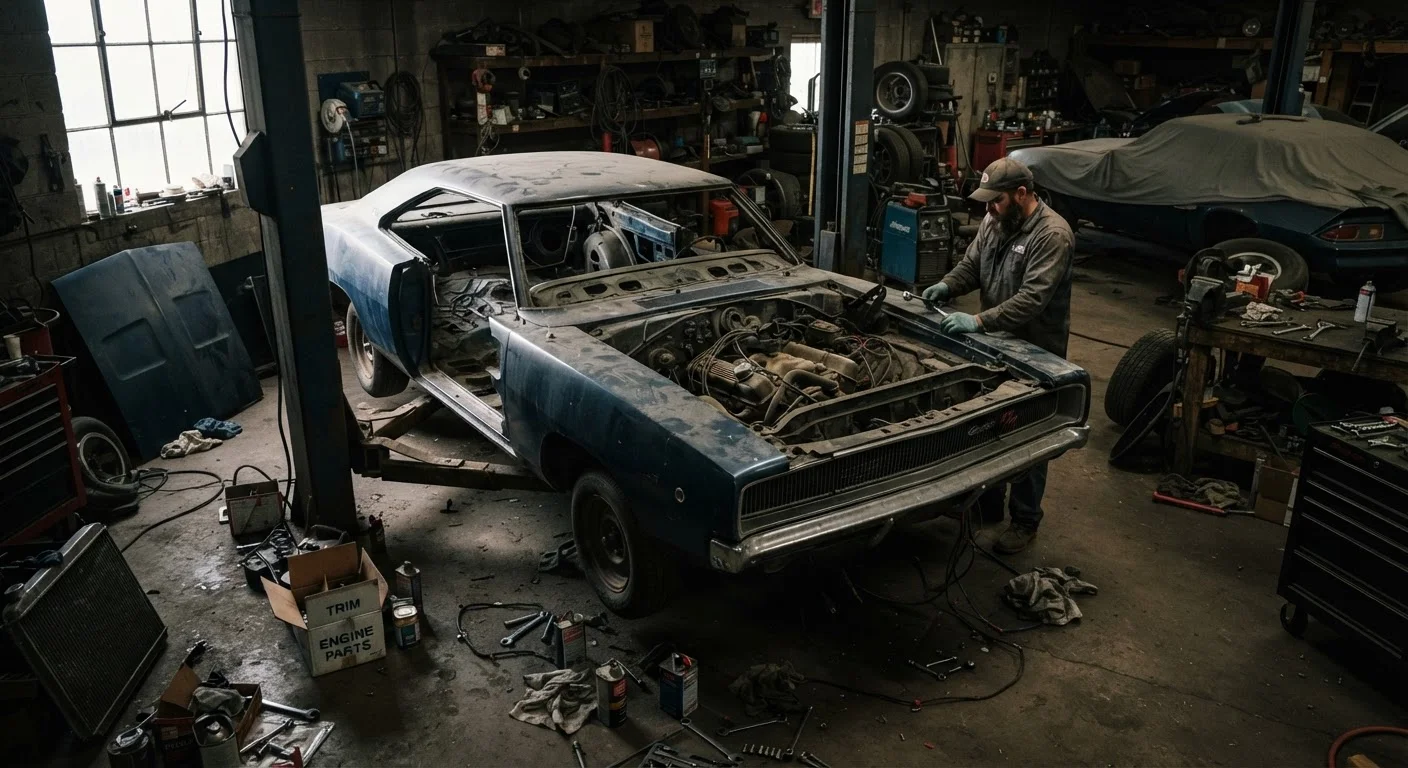
The restoration process introduces the highest concentration of value-destroying decisions. Shops unfamiliar with a specific marque may apply modern finishing standards that look impressive but are historically incorrect. An engine bay detailed to bare-metal perfection on a vehicle that left the factory with overspray and assembly grease reads immediately as over-restored to a knowledgeable judge or buyer.
Original Parts Are Often Irreplaceable
Once a numbers-matching engine, transmission, or trim piece is removed and sold, it is rarely recoverable. Collectors and appraisers treat the loss of original components as a permanent reduction in value — not a condition that can be corrected later. Before removing any factory part, consult a marque specialist or appraiser familiar with that specific model.
Parts sourcing is equally consequential. The classic car parts market — covered in more depth under vehicle parts and services — includes a mix of correct-date-code originals, quality reproductions, and incorrect substitutes. Knowing which category a part falls into, and how that affects value, requires research before purchase rather than after installation.
Documentation Gaps Are Costly
A classic car without supporting paperwork — build sheets, broadcast sheets, original title history, or restoration receipts — is nearly impossible to authenticate at full market value. Buyers and auction houses routinely discount undocumented vehicles by 20–40% compared to identical cars with a clean paper trail. Keep every record from purchase through any work performed.
Sellers sometimes discover the cumulative impact of these decisions only when they attempt resale. Unlike conventional used cars, where reconditioning generally helps value, a classic car that has been modified, over-restored, or stripped of its documentation often sells for less than a rougher but more original alternative. Trade-in pitfalls offers additional perspective on how sellers underestimate the cost of common missteps.
20–40%
Value discount for undocumented classics
Auction houses and appraisers commonly apply significant discounts to classic vehicles lacking verifiable provenance or restoration records.
~30%
Premium for numbers-matching examples
Numbers-matching vehicles — with original drivetrain components verified by VIN and date codes — consistently command substantial premiums over non-matching counterparts at major collector auctions.