
What Each Philosophy Actually Means
The terms concours restoration and resto-mod are used frequently in the classic car world, but they describe fundamentally opposite goals. Understanding the distinction is essential before committing time, money, or a rare vehicle to either path. See our complete restoration overview for a grounding in the broader process either approach involves.
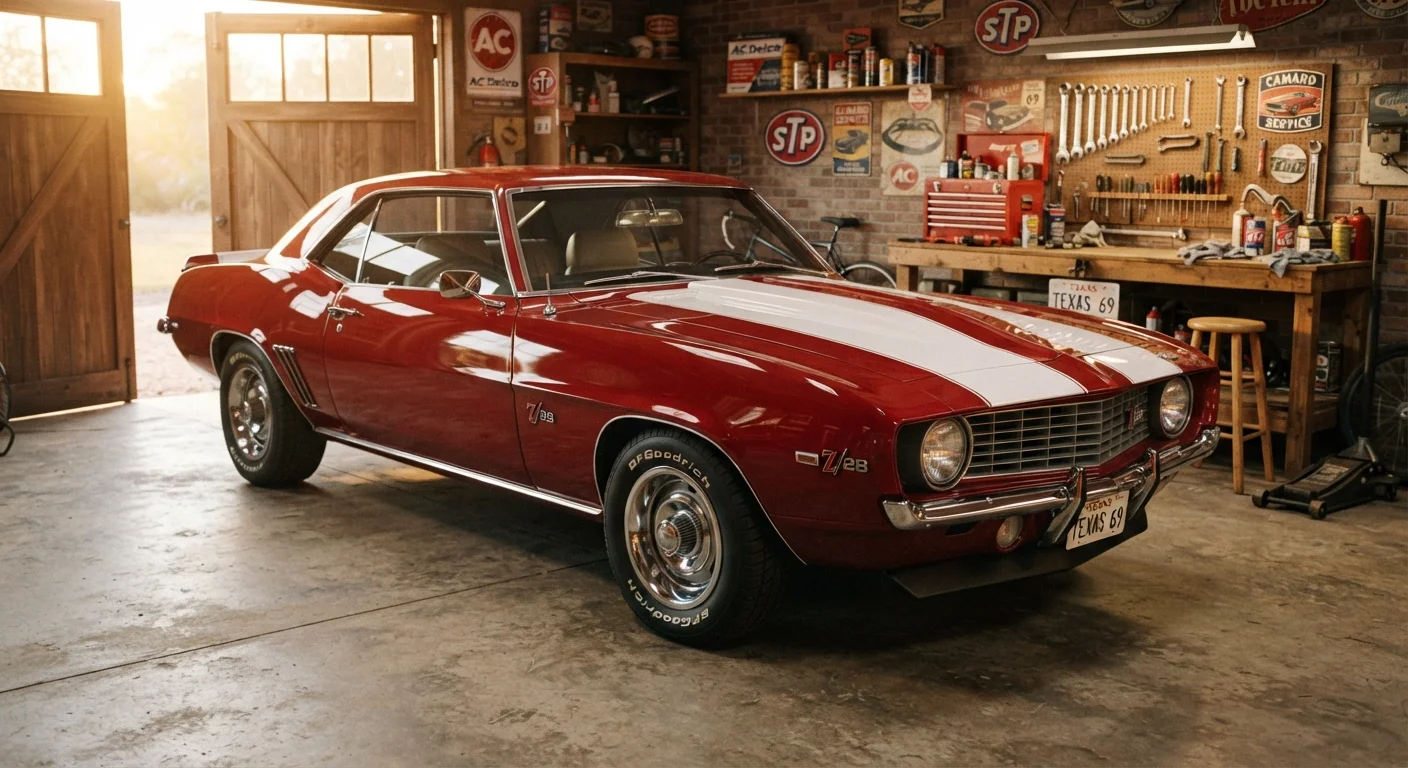
A concours restoration (from the French concours d'élégance, meaning "competition of elegance") aims to return a vehicle to precisely the state it left the factory — or, for pre-war vehicles, to the coachbuilder. That means correct paint codes, original-spec upholstery materials, date-coded components, period-correct fasteners, and factory assembly markings. Even the underside of the hood and the wheel wells are scrutinized. The goal is historical accuracy, not personal expression.
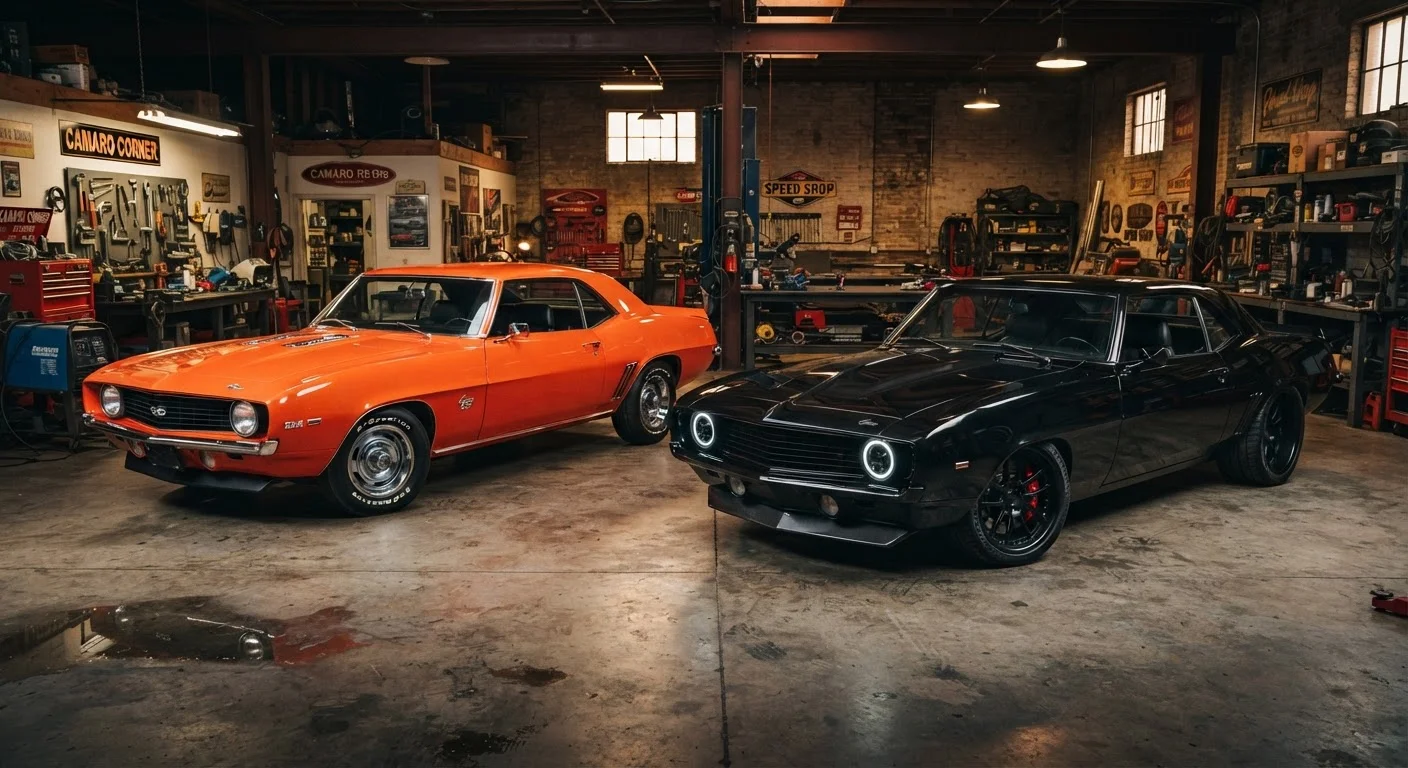
A resto-mod (short for restoration-modification) takes the opposite stance: preserve the exterior silhouette and period character of the vehicle, but replace aging or inadequate mechanical and electrical systems with modern equivalents. A 1969 muscle car might wear its original body with factory color, yet run a fuel-injected crate engine, four-wheel disc brakes, and air conditioning — none of which were factory-fitted to that specific unit.
| Criterion | Concours Restoration | Resto-Mod |
|---|---|---|
| Primary goal | Factory-correct authenticity | Modern drivability, classic style |
| Mechanical systems | Original or period-spec components | Modern engine, brakes, suspension |
| Typical use | Show events, trailered transport | Regular road use, weekend driving |
| Parts sourcing | Period-correct, date-coded originals | Aftermarket and modern OEM parts |
| Collector auction value | Generally higher for rare models | Varies by build quality and demand |
| Creative latitude | Very limited — originality rules | High — builder sets the parameters |
| Safety features | As-original; era-appropriate limits | Can incorporate modern safety tech |
| Skill requirements | Research, sourcing, period accuracy | Fabrication, integration, tuning |
Cost, Labor, and Sourcing Realities
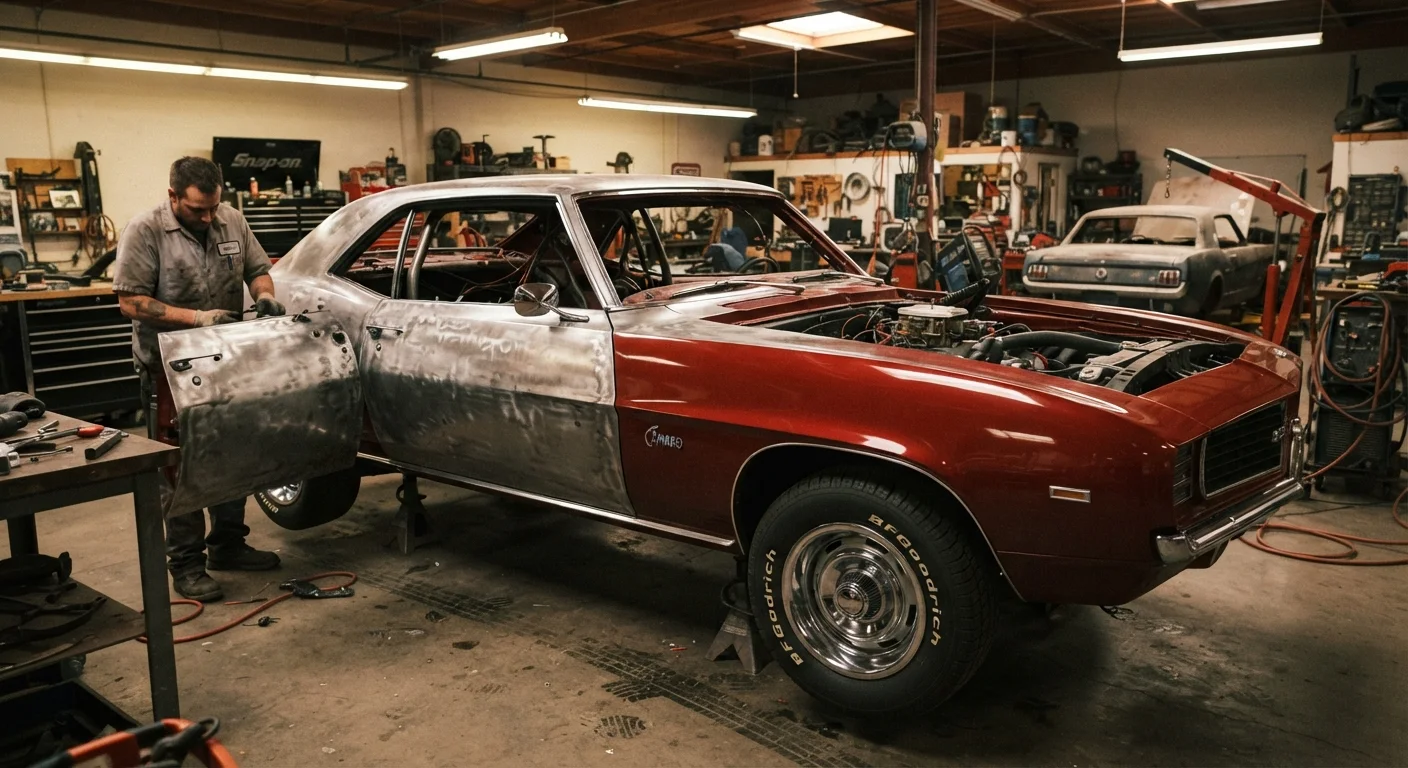
Both approaches are expensive, but the cost drivers differ substantially. Concours restorations are labor-intensive in highly specific ways: sourcing date-coded parts, matching original finishes, and documenting provenance all take considerable time. A single correct-date alternator or a properly stenciled battery can require months of searching. Owning a classic vehicle comes with sourcing challenges that compound when originality is non-negotiable.
Resto-mods, by contrast, often have more accessible parts pipelines. Modern brake kits, LS-family engine swaps, and late-model independent rear suspension setups are well-documented and widely available from the aftermarket. Labor costs can still be substantial — fabricating custom mounts or wiring a modern ECU into a 1960s chassis requires skilled hands — but the builder has more flexibility in where and how money is spent.
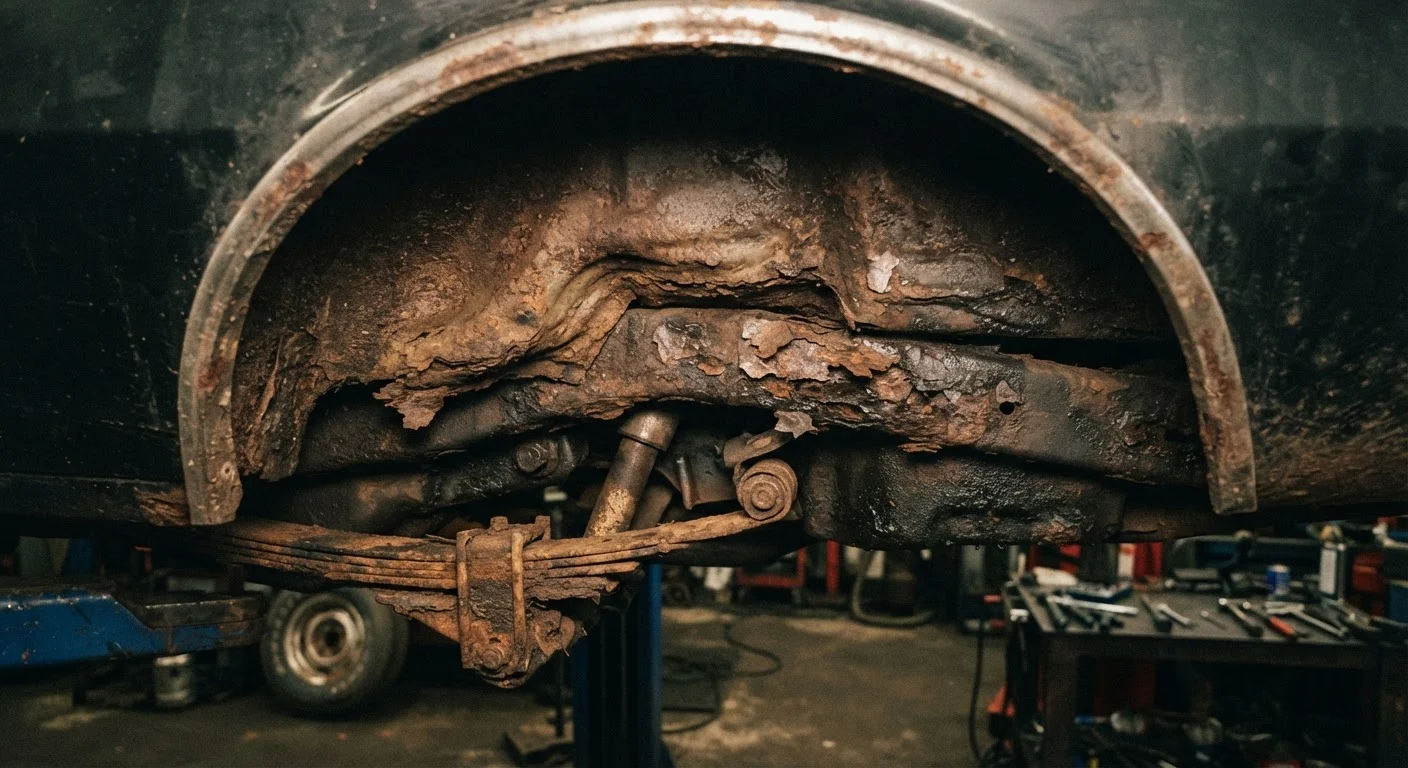
One area where costs converge: bodywork and paint. Whether a car is going to a show or to the street, structural rust repair and quality paintwork carry similar price tags. Rust remediation is rarely simple on either type of build, and cutting corners there undermines any restoration philosophy.
~$50K–$250K+
Typical concours restoration cost range
Restoration costs for significant American muscle cars at reputable shops commonly fall in this range, depending on the vehicle's rarity and condition at start.
30–50%
Premium for numbers-matching originals
Industry observers and auction analysts note that documented, numbers-matching classics regularly command a substantial premium over non-matching or modified equivalents at auction.
Usability, Safety, and the Driving Experience
This is where the two philosophies diverge most sharply in practical terms. A concours-correct vehicle is typically driven sparingly — often trailered to events — because use introduces wear, chips, and patina that compromise authenticity. Original drum brakes, bias-ply tires, and carbureted engines are preserved as built, which means the driving dynamics reflect the era of manufacture.
The safety implications are real. Many pre-1970 vehicles lacked shoulder belts, collapsible steering columns, or modern braking power. Restorers committed to concours standards must weigh those realities honestly. The drum-to-disc brake debate is one of the most common authenticity trade-offs restorers face.
Resto-mods are built to be driven. Upgraded suspension geometry, modern radial tires, disc brakes at all four corners, and reliable fuel injection transform the ownership experience. The car can be used on weekend trips, autocross events, or even daily commutes without the anxiety that comes from relying on 60-year-old mechanical systems. For those new to the hobby, our first-timer's roadmap to the classic car world explains what to expect before committing to either build style.
Value, Authenticity, and What You Might Regret
The value question cuts both ways. A well-documented, numbers-matching concours restoration of a significant vehicle — correct VIN, matching engine and transmission codes, original body panels — will typically outperform a resto-mod of the same model at major collector auctions. Authenticity carries a premium among serious collectors and institutional buyers.
However, poorly executed concours restorations — with wrong-era parts, over-sprayed engine bays, or undocumented component substitutions — can destroy value rather than create it. Mistakes that quietly destroy a classic car's value include well-intentioned choices that compromise authenticity without the builder realizing it.
Resto-mods occupy a different market segment. Their values depend more on build quality, component choices, and the reputation of the shop that built them than on factory correctness. A thoughtfully executed, well-documented resto-mod can command strong prices — but it will rarely eclipse a numbers-matching original of equivalent rarity. Knowing which market you're building for before you start is the single most important strategic decision either path requires.
This article is for general informational purposes only. Vehicle values, restoration outcomes, and costs vary widely by make, model, condition, and market conditions. Consult qualified appraisers, restoration specialists, and financial advisers before making significant investment decisions related to classic vehicles.