
What 'Numbers Matching' Actually Means
The phrase numbers matching gets thrown around constantly in classic car listings and auction descriptions, yet it's frequently misapplied. At its core, the term refers to a vehicle whose major drivetrain components — most importantly the engine and transmission — carry identification codes that correspond to the vehicle's original factory build records. These codes were stamped at the factory to link specific components to a specific vehicle at a specific point in production.
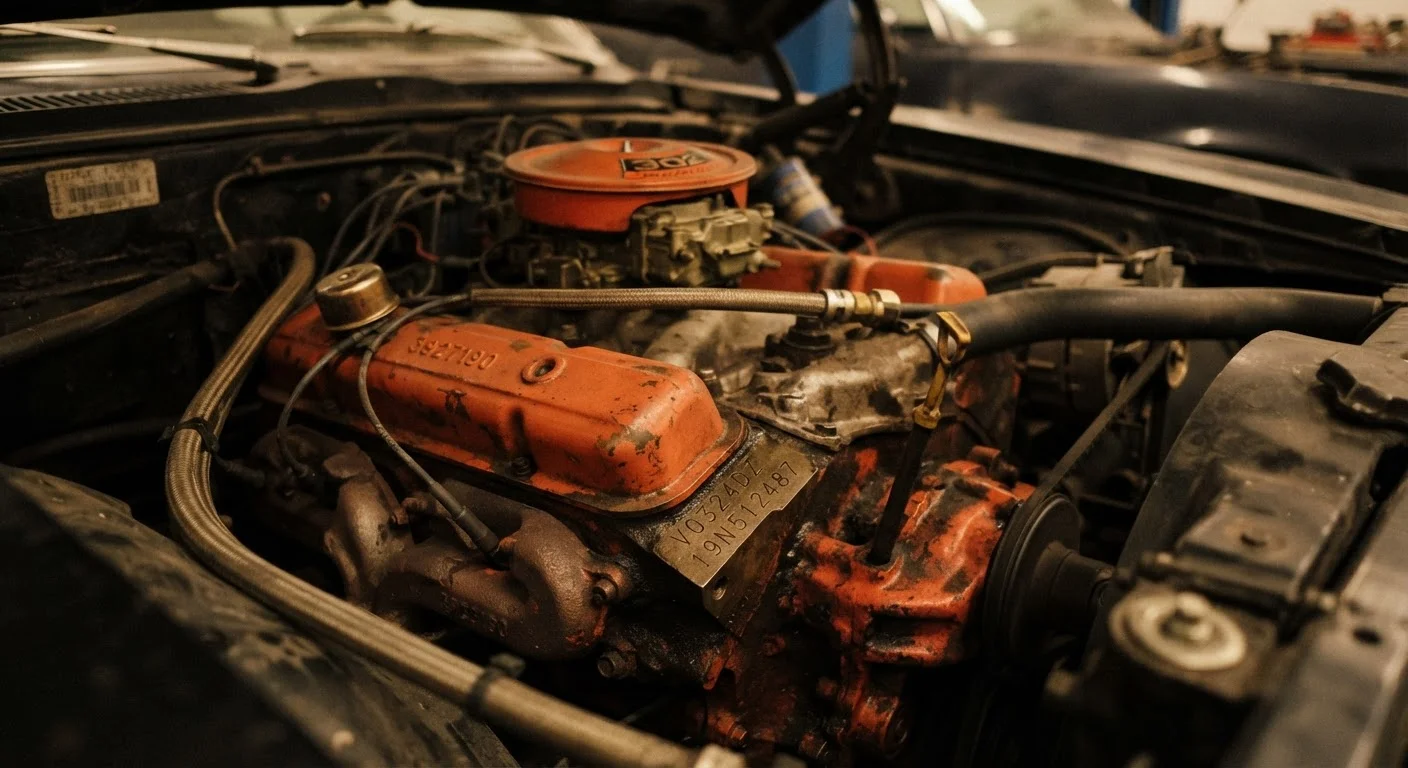
For most American muscle cars and collectibles, the critical stamps include the engine VIN pad (a partial Vehicle Identification Number stamped directly onto the block), the engine assembly date code (which should predate the car's production date), and the transmission date code. Broadcast sheets, protect-o-plates, and dealer invoices serve as supporting documentation that can corroborate what the physical stamps suggest.
Verifying these codes against known decoding guides — many of which are marque-specific and maintained by owner registries — is the standard method of authentication. It's detail-oriented work, and getting it wrong in either direction (overclaiming or underclaiming) can meaningfully affect a transaction. See our guide to what actually defines a classic car for broader context on how collectors and registrars categorize these vehicles.
Common Myths — and the Facts Behind Them
The numbers matching conversation is riddled with misconceptions that affect both buyers and sellers. Understanding where the myths break down helps collectors make clearer decisions and avoid paying premiums — or missing value — based on faulty assumptions.
Myth
If the VIN on the door tag matches the dashboard VIN, the car is numbers matching.
Fact
Matching VINs on the body confirm the car hasn't been rebodied, but they say nothing about whether the engine or transmission are original.
Body VINs simply identify the vehicle's chassis identity. True numbers matching requires that the partial VIN stamped on the engine block matches the car's records, and that the engine and transmission date codes are consistent with the vehicle's assembly date. A car can have perfectly matching body tags and a completely wrong engine installed at some point in its history.
Myth
Any original-looking engine in a classic car means it's numbers matching.
Fact
An engine can be correct in appearance, displacement, and even casting date without carrying the specific partial VIN stamp that makes it the original unit.
Factories stamped a partial VIN onto the engine pad at assembly. If that engine was replaced — even with an identical, correct-era engine from another vehicle — the stamp won't match. The car may be described as having a correct engine (matching specs and date range) rather than a numbers matching engine. Both terms have value, but they are not interchangeable, and conflating them is one of the most common errors in classic car listings.
Myth
Numbers matching always means the car is more valuable — full stop.
Fact
Numbers matching status commands a premium primarily in the high-end concours and auction collector market; in other segments, condition, documentation, and usability often matter more.
For a documented, low-production muscle car heading to a major auction, matching numbers can represent a difference of tens of thousands of dollars. For a common model being sold to a driver-quality buyer, the premium may be modest or negligible. Context — the specific marque, rarity, condition grade, and intended buyer — determines how much numbers matching actually moves the needle on price. Blanket assumptions in either direction can lead to poor buying or selling decisions.
Myth
If a car isn't numbers matching, its history and originality don't matter.
Fact
Partial matching, correct replacement components, and thorough documentation all retain meaningful value even when a car isn't fully numbers matching.
A car with a non-matching engine but a fully documented, date-correct replacement — accompanied by service records, the original build sheet, and photos of the swap — tells a credible, transparent story. That transparency is worth something to knowledgeable buyers. Similarly, a car that is numbers matching on the engine but has a replaced transmission isn't worthless; it's simply described accurately as partial matching. Dismissing non-matching cars entirely overlooks a broad and legitimate segment of the collector market. Avoiding misrepresentation in any direction is explored further in our piece on mistakes that quietly destroy a classic car's value.
Myth
You can verify numbers matching status just by looking at the car.
Fact
Proper verification requires decoding stamps against marque-specific production records, often with help from owner registries or professional appraisers.
Engine pad stampings can be difficult to read, and unfortunately, fraudulent restamping does occur in high-value segments of the market. Professional authentication — through recognized marque registries, factory order documentation, or certified appraisers familiar with specific makes and models — is the reliable standard. Buyers considering a significant investment should budget for independent verification rather than relying solely on seller representations or visual inspection.
30–50%
Typical value reduction for non-matching examples
In the high-end concours and collector auction segment, documented non-matching drivetrain components commonly reduce a vehicle's value by this range compared to a verified numbers-matching equivalent.
~60%
Classic cars estimated to have non-original engines
Industry observers and marque specialists have long noted that the majority of surviving muscle-era vehicles have had at least one major drivetrain component replaced over their operational lifetimes.
When Numbers Matching Matters Less Than You'd Think
Numbers matching status carries the most weight in the concours and high-end collector auction market, where provenance documentation and absolute originality directly drive hammer prices. For vehicles in that tier, a non-matching engine block can reduce value by 30–50% or more compared to a documented, matching example of the same model.
Outside that segment, however, the calculus changes considerably. Buyers who intend to drive their classics regularly, build a resto-mod (a classic body with modern mechanicals), or participate in track days often place greater emphasis on mechanical reliability, safety upgrades, and drivability than on matching stamps. Replacing a worn-out original engine with a correct-era rebuilt unit may actually make a car more enjoyable and usable without meaningfully affecting its role in that owner's life.
Sellers should also recognize that honest disclosure of non-matching status — with clear explanation of what was replaced and why — tends to build buyer confidence rather than erode it. Misrepresenting a car as numbers matching when it isn't is a serious credibility problem in any collector community. For a fuller picture of what ownership really involves, including parts sourcing and preservation decisions, see Classic Car Ownership: The Full Picture Before You Commit.
Restamping Fraud Is a Real Risk
In high-value classic car transactions, fraudulent engine restamping — altering or adding stamps to make a replacement engine appear original — has been documented. This practice constitutes fraud and can have serious legal consequences for sellers. Buyers should treat unusually clean or deeply struck stamps with skepticism and seek independent authentication from recognized marque experts or registries before completing any significant purchase.
For collectors at any level, it's also worth understanding how decisions around authenticity connect to insurance valuation. Agreed-value classic car policies often factor in documented originality when establishing covered amounts — a consideration worth discussing with a licensed agent. Learn more in our overview of how classic car insurance works.