
The Fluids Your Car Needs Beyond an Oil Change
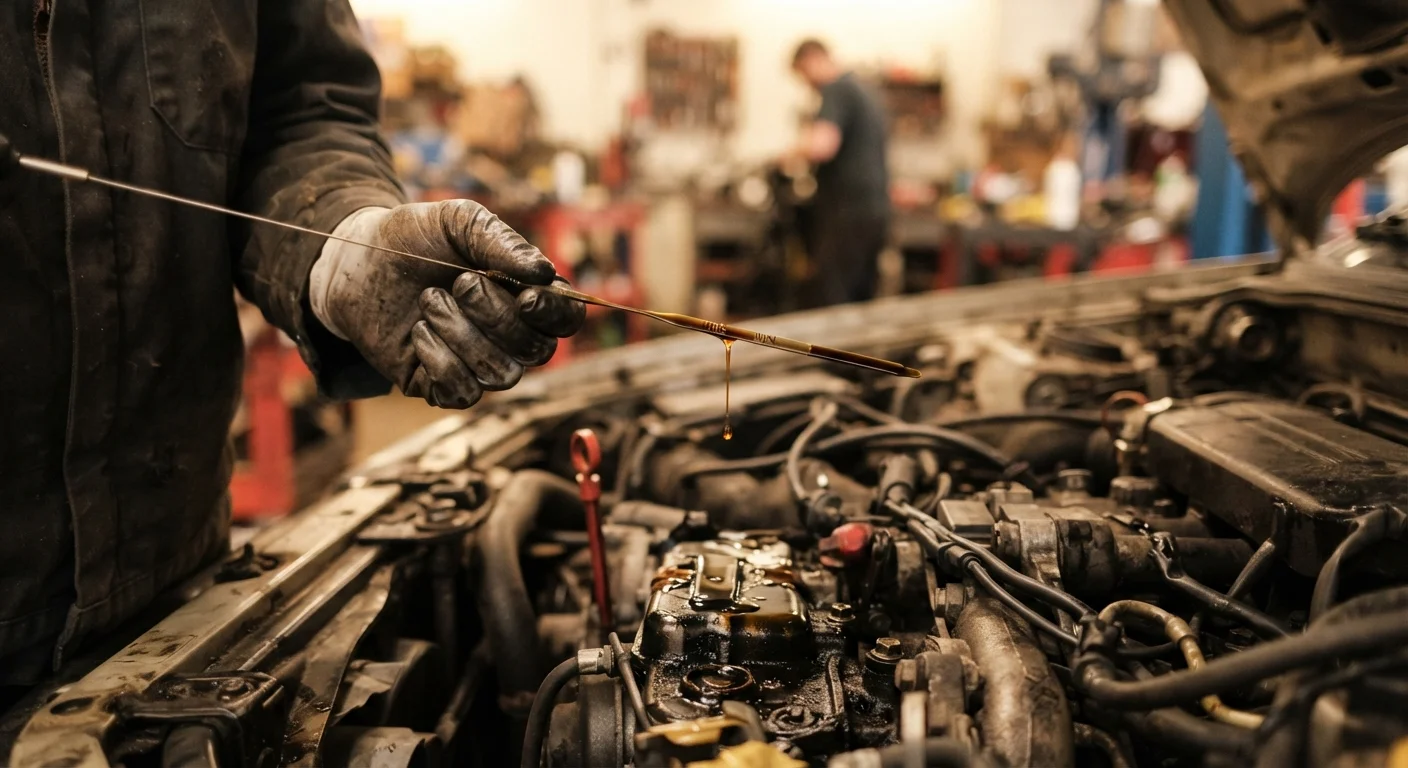
Most drivers know that engine oil needs regular changes. It's the one maintenance item that's been drilled into the public consciousness for decades — and for good reason. But your vehicle runs on a system of fluids, and letting the others go unattended can lead to expensive repairs or outright safety failures. Oil change myths already confuse many drivers; the fluids discussed below get even less attention.
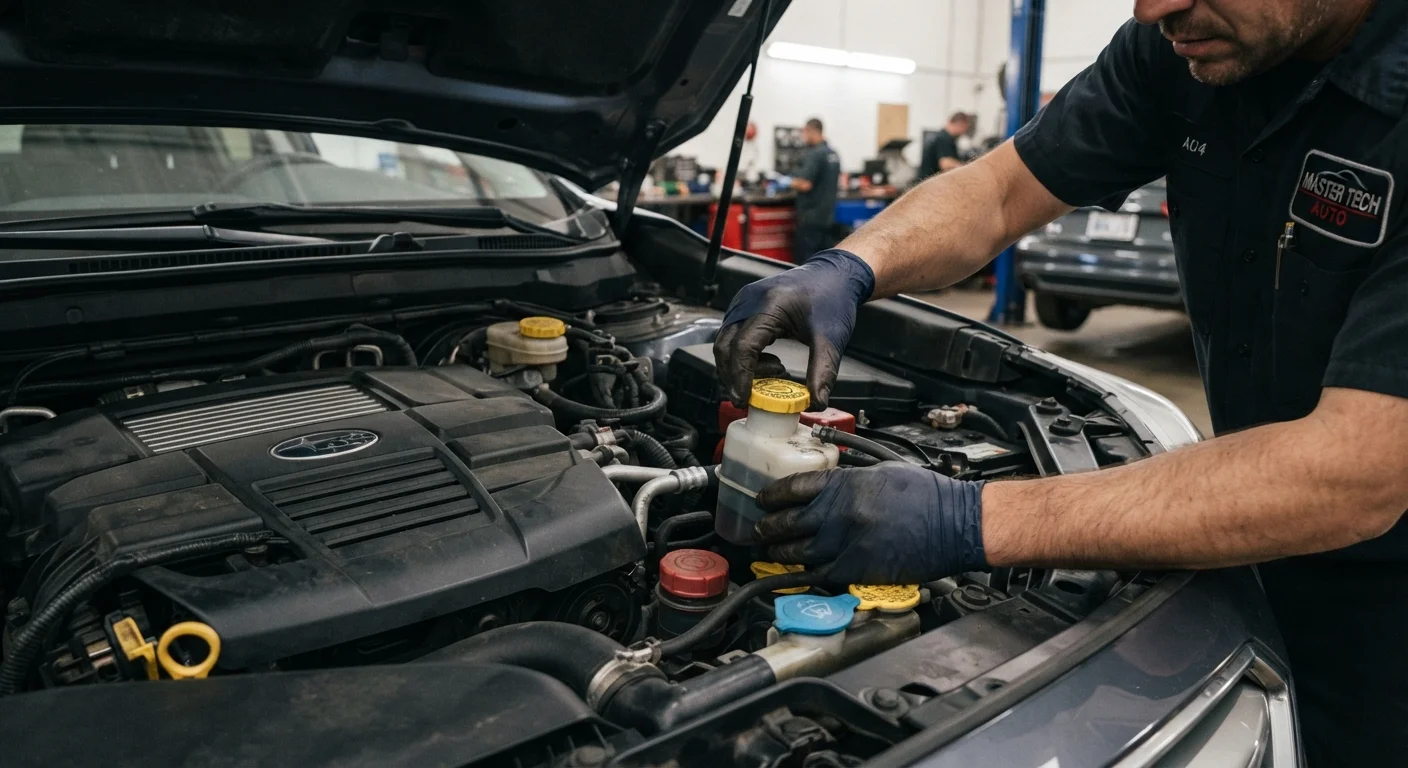
Each fluid listed here handles a specific job — lubrication, heat transfer, hydraulic pressure, or corrosion control. When any one of them degrades or drops below the safe threshold, performance suffers and damage accelerates. The good news is that most of these are straightforward to monitor and relatively inexpensive to service on schedule. If a warning light appears on your dashboard, understanding what it means can help you act before a small fluid issue becomes a major repair.
Transmission Fluid
Transmission fluid lubricates the gears, clutch packs, and valve body inside your transmission, and in automatic transmissions it also transfers hydraulic pressure that controls gear changes. Without adequate fluid — or with fluid that has broken down — friction builds rapidly and gear shifts become rough, delayed, or erratic.
Most automatic transmissions use a fluid specifically rated for that unit; using the wrong type can damage seals and cause shifting problems. Some manufacturers specify sealed transmissions with fluid that is meant to last the vehicle's lifetime under normal conditions, while others recommend changes every 30,000 to 60,000 miles. Check your owner's manual rather than assuming a universal interval applies. Slipping gears, a burning smell, or sluggish engagement are signs the fluid and system deserve a professional look.
Using the wrong transmission fluid type can damage seals and cause immediate shifting problems.
Engine Coolant (Antifreeze)
Coolant circulates through the engine and radiator to regulate temperature, preventing both overheating in summer and freezing in winter. It also contains corrosion inhibitors that protect aluminum components, rubber hoses, and the water pump from degradation.
Over time those corrosion inhibitors are depleted, which is why coolant has a service life even if the level hasn't dropped. Degraded coolant can become acidic and attack the very components it's meant to protect. Most manufacturers recommend a coolant flush every 30,000 to 50,000 miles, but interval formulations vary — long-life coolants are common in newer vehicles. Never open the coolant reservoir cap when the engine is hot, and never mix coolant types without consulting manufacturer guidance, as incompatible formulas can gel and block the system.
Degraded coolant can turn acidic, actively corroding the components it was designed to protect.
Brake Fluid
Brake fluid is hygroscopic, meaning it absorbs moisture from the air over time. As water content rises, the fluid's boiling point drops — and brake fluid that boils under hard braking creates vapor bubbles that compress instead of transmitting force. The result is a spongy or fading pedal, particularly in situations requiring sustained braking like long descents.
The feel of the brake pedal is the most immediate indicator: if it feels soft, low, or inconsistent, the system needs inspection. Brake pads, rotors, and calipers all depend on a properly pressurized hydraulic circuit to function correctly. Most manufacturers recommend flushing brake fluid every two years regardless of mileage, though driving habits and climate can accelerate degradation.
Moisture-contaminated brake fluid can boil under hard braking, causing dangerous pedal fade.
Power Steering Fluid
In vehicles equipped with hydraulic power steering — as opposed to electric systems — the steering pump relies on a specialized hydraulic fluid to generate assist. Low or degraded fluid makes steering feel heavy, and a whining or groaning noise when turning the wheel is a common early symptom.
The fluid can also absorb moisture and degrade seals over time. While many drivers never service this fluid unless a problem appears, periodic checks and replacement on the manufacturer's schedule help preserve pump and rack life. Note that if your vehicle has electric power steering (increasingly common in vehicles built after 2010), there is no power steering fluid reservoir to service.
A whining noise when turning is a common early signal that power steering fluid needs attention.
Windshield Washer Fluid
Windshield washer fluid is easy to overlook precisely because running out of it rarely causes mechanical damage. But visibility is a safety issue, and a dry reservoir in winter — when road salt and grime coat the windshield rapidly — can become hazardous quickly.
Use a rated washer fluid rather than plain water; tap water can leave mineral deposits on the glass and nozzles, and it will freeze in the reservoir and lines at temperatures below 32°F. Many washer fluids are formulated for cold-weather performance, so choosing a product rated for your climate matters. This is one of the simplest checks to perform and one of the easiest to forget.
Plain water in the washer reservoir can freeze, clog nozzles, and leave mineral deposits on glass.
Differential and Transfer Case Fluid
Drivers of rear-wheel-drive, all-wheel-drive, and four-wheel-drive vehicles have additional fluid reservoirs in the drivetrain: the rear differential, front differential (on some vehicles), and transfer case. These components distribute torque to the wheels and contain gear sets that operate under high load.
Differential fluid degrades and can absorb moisture, leading to increased wear on ring and pinion gears. Symptoms of low or degraded fluid include humming or howling sounds from the rear or front axle area, particularly under load. Service intervals vary significantly by vehicle and driving conditions — towing, off-roading, and frequent trailer use accelerate fluid breakdown. Routine drivetrain services are often scheduled together, making it a practical time to inspect differential fluid as well.
Humming or howling from the axle area under load is a common sign of degraded differential fluid.
How to Stay Ahead of Fluid Maintenance
The most reliable reference for service intervals is your vehicle's owner's manual. Manufacturer recommendations account for the specific engineering of your drivetrain, cooling system, and hydraulic components — generic rules of thumb often don't apply equally across all makes and models. Many modern vehicles also include a maintenance reminder system in the instrument cluster, though these typically track oil life rather than every fluid.
A visual check of fluid levels and color during regular maintenance visits is one of the simplest ways to catch problems early. Transmission fluid that smells burnt, coolant that has turned rusty, or brake fluid that has gone from clear to dark are all observable warning signs. For tasks like flushing brake fluid or servicing power steering, understanding which jobs carry real risk will help you decide when to call a qualified mechanic rather than doing it yourself.
Use Your Owner's Manual as the Primary Reference
Fluid specifications and service intervals vary significantly between manufacturers and even between model years of the same vehicle. Generic mileage rules shared online or at quick-lube shops may not apply to your specific drivetrain. Your owner's manual contains the specifications your engineers designed the vehicle around — it's the most reliable source for service intervals and approved fluid types.
This article is for general informational purposes only. Always follow your vehicle manufacturer's specifications and consult a qualified mechanic for diagnosis or service recommendations specific to your vehicle.