
How to Read Warning Light Priority
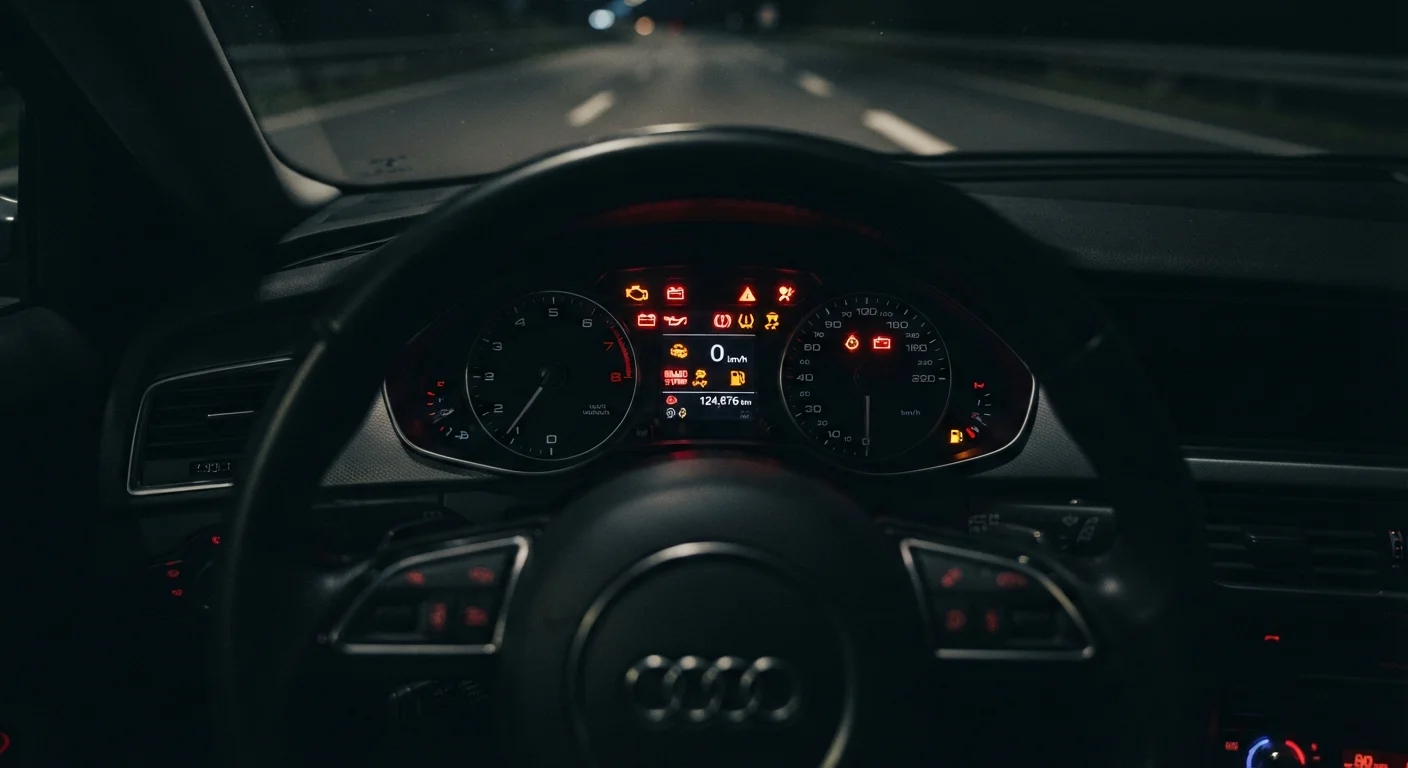
Dashboard warning lights are your car's built-in communication system. Understanding them starts with color. Red lights signal conditions that require you to stop driving as soon as safely possible. Amber or yellow lights indicate something needs attention soon but doesn't necessarily strand you. Blue and green lights are typically informational — high beams on, turn signal active, cruise control engaged.
Ignoring a red light can escalate a manageable problem into a catastrophic and expensive failure. Ignoring an amber light long enough can do the same. The sections below cover the most common lights, what they mean, and how urgently each demands a response.
| Red light urgency | Stop driving as soon as safely possible |
| Amber light urgency | Schedule service soon; monitor closely |
| Flashing check engine light | More urgent than steady — reduce speed and seek service promptly |
| TPMS trigger threshold | Typically 25% below recommended tire pressure (U.S. NHTSA TPMS regulation) |
| OBD-II standard required since | 1996 (all U.S. passenger vehicles) (U.S. EPA / CARB mandate) |
| Owner's manual | First reference for any unfamiliar warning light |
The Most Common Warning Lights Explained
Check Engine (Malfunction Indicator Lamp)
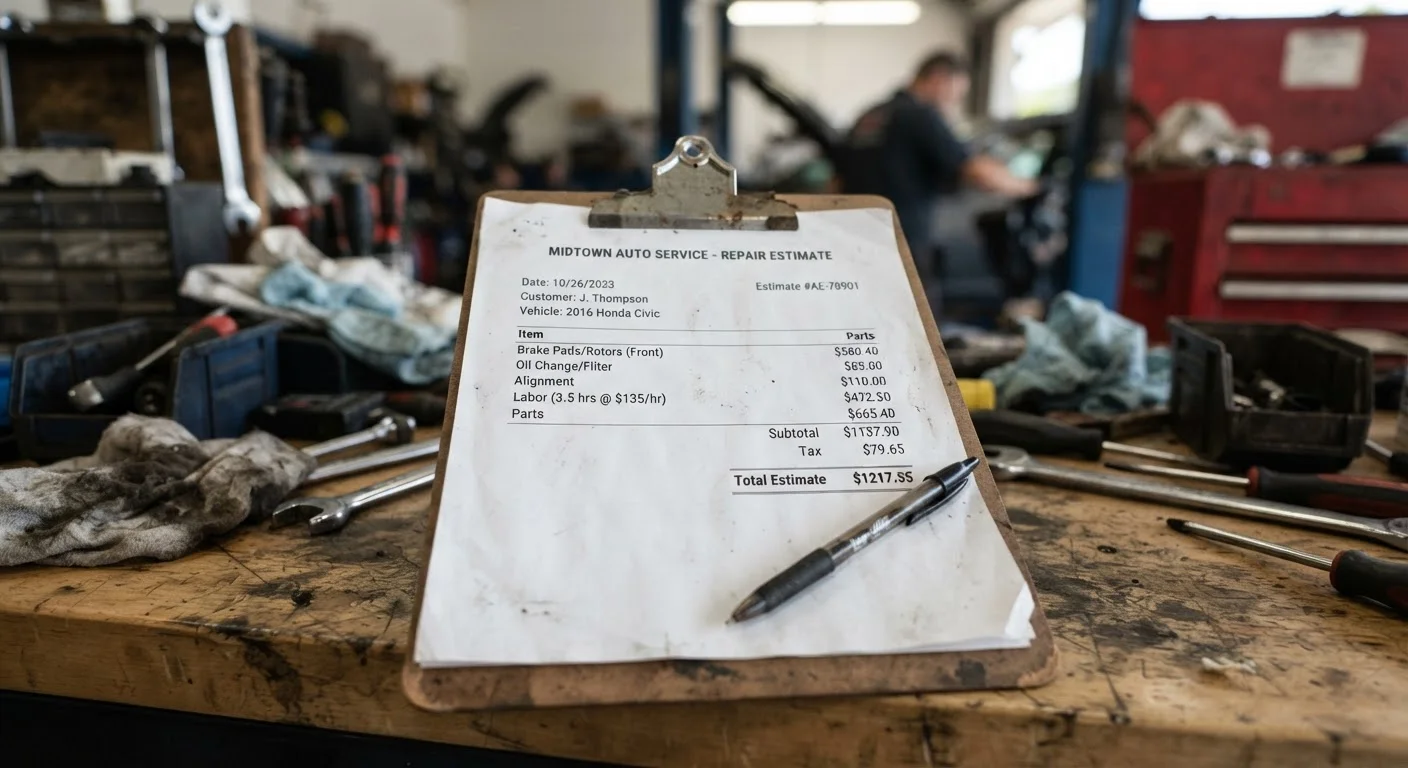
This amber light — an engine outline or the words "CHECK ENGINE" — covers a wide range of issues detected by the vehicle's onboard diagnostics system. A steady light often means something like a failed oxygen sensor or a loose gas cap. A flashing check engine light is more serious: it typically indicates active engine misfires that can damage the catalytic converter. If it's flashing, reduce speed and get to a mechanic promptly. For a steady light, schedule a diagnostic scan soon. See our guide to reading repair estimates before authorizing any work.
Oil Pressure Warning
This red light — resembling a small oil can — means oil pressure has dropped to a dangerous level. Stop driving immediately. Low oil pressure can cause catastrophic engine damage within minutes. Check your oil level after the engine has cooled. If the level is adequate and the light persists, the issue may be a failing oil pump or sensor — either way, the car should not be driven until inspected.
Temperature Warning
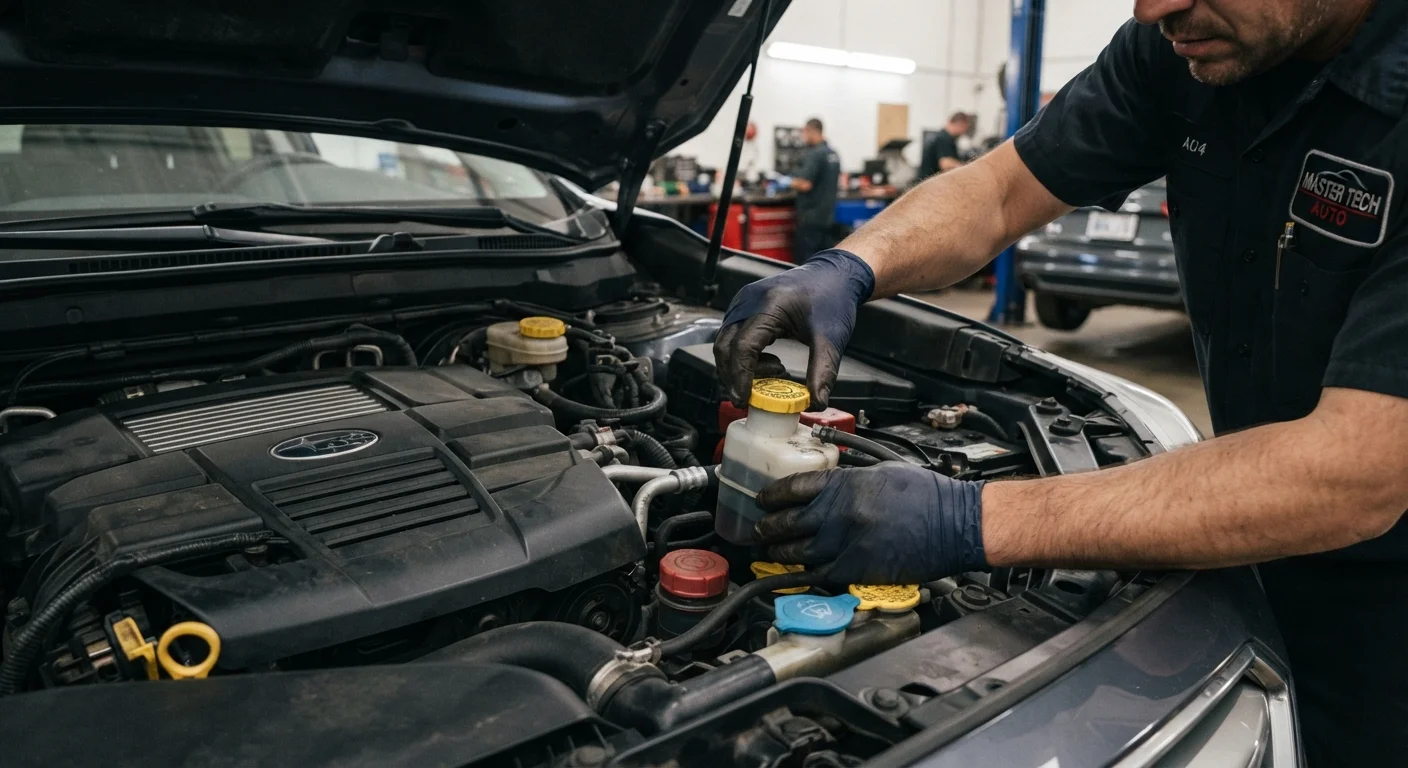
A red thermometer icon means your engine is overheating. Pull over safely, turn off the engine, and allow it to cool. Do not open the radiator cap on a hot engine. Check coolant levels once cooled. Coolant and other overlooked fluids play a central role in keeping engine temperature in range.
Battery / Charging System
A red battery icon signals that the charging system isn't keeping up with electrical demand. This can mean a failing alternator, a loose or corroded battery cable, or a battery near the end of its life. You may have limited driving time before the car loses power entirely. Reduce electrical load (AC, radio) and head to a shop.
Tire Pressure Monitoring System (TPMS)
This amber horseshoe-shaped light with an exclamation point indicates one or more tires are significantly underinflated — typically 25% or more below the recommended pressure listed on your door jamb sticker. Check and adjust tire pressure as soon as possible. Driving on underinflated tires increases wear, reduces fuel efficiency, and raises the risk of a blowout.
Brake Warning Light
A red circle with an exclamation point (or the letter P inside a circle) can mean the parking brake is engaged — release it and the light should go off. If it stays on while driving, it may indicate low brake fluid or a hydraulic system fault. Do not ignore a brake warning light while in motion. Have the braking system inspected immediately.
Traction Control / Stability Control
An amber car with squiggly lines indicates the system is actively working — normal on slippery roads. If the light stays on steadily, the system may be disabled or experiencing a fault. This doesn't mean stop driving, but schedule a check-up.
Malfunction Indicator Lamp (MIL)
The technical name for the check engine light. It's triggered when the vehicle's onboard diagnostics system detects a fault code from any number of sensors or subsystems.
OBD-II
On-Board Diagnostics, second generation — a standardized system used in vehicles since 1996 that monitors emissions and engine performance and stores fault codes readable by scan tools.
TPMS
Tire Pressure Monitoring System. A sensor-based system required on U.S. passenger vehicles since 2008 that alerts drivers when tire pressure drops significantly below the recommended level.
Catalytic Converter
An emissions control device in the exhaust system that converts harmful gases into less harmful substances. Engine misfires can overheat and destroy it if left unaddressed.
Alternator
A generator driven by the engine that charges the battery and powers the vehicle's electrical systems while the engine is running.
Hydraulic Brake System
The system that uses pressurized brake fluid to transfer pedal force to the brake calipers or wheel cylinders. A fault in this system can significantly reduce stopping ability.
What to Do When a Light Comes On
The appropriate response depends on the light's color and behavior. For any red light, treat it as urgent. Pull over safely, consult your owner's manual, and call for assistance if needed. For steady amber lights, you typically have time to drive home or to a shop — but don't defer the visit by days or weeks.
Before visiting a mechanic, note whether any lights are flashing versus steady, and whether you noticed any accompanying symptoms: unusual sounds, smells, or changes in vehicle behavior. That context helps a technician diagnose the issue faster. Our checklist of questions to ask your shop can help you navigate the repair conversation confidently.
If you're evaluating a used vehicle that has warning lights illuminated, treat them as red flags. Our used car inspection checklist covers what to examine before making any purchase commitment.
This article is for general informational purposes only. Always consult a qualified mechanic for diagnosis and repair decisions specific to your vehicle.