
The Case for Doing It Yourself
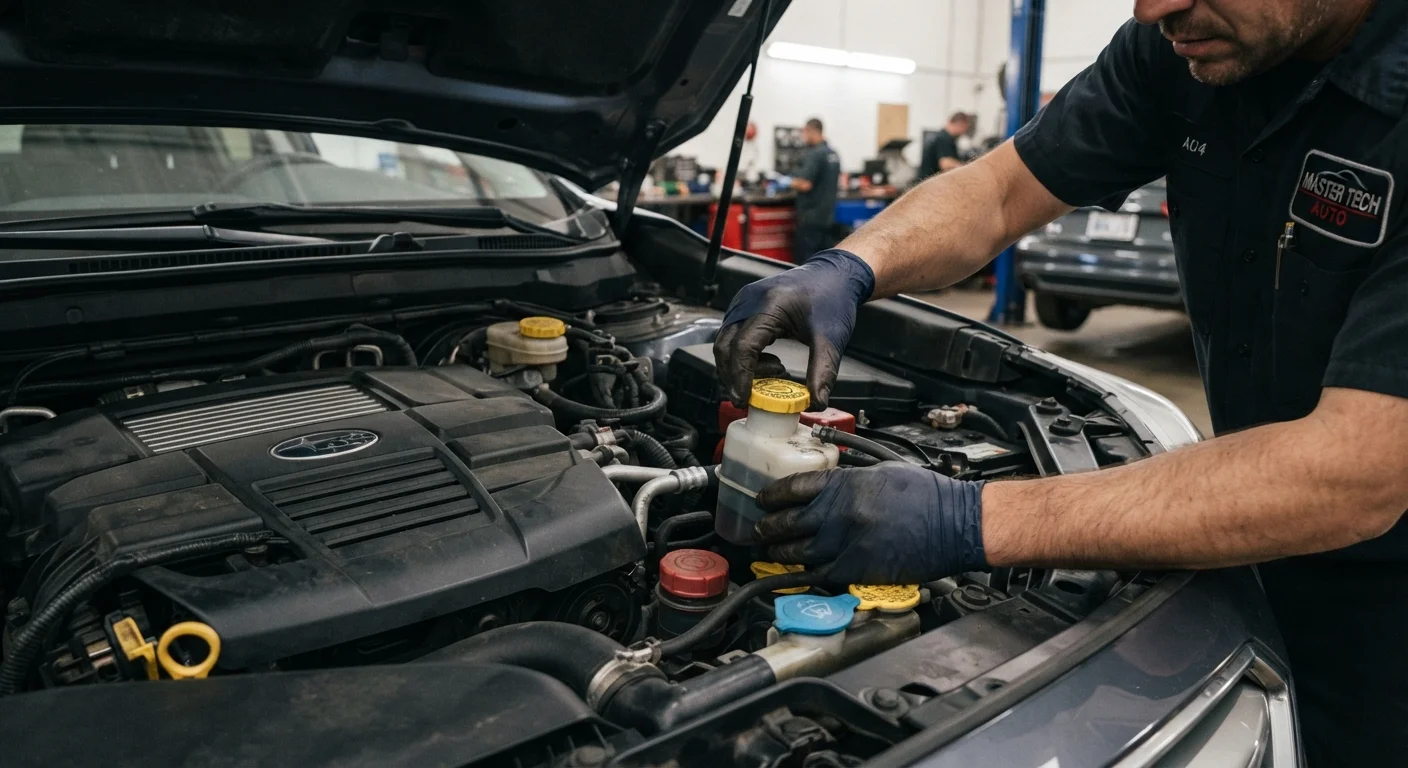
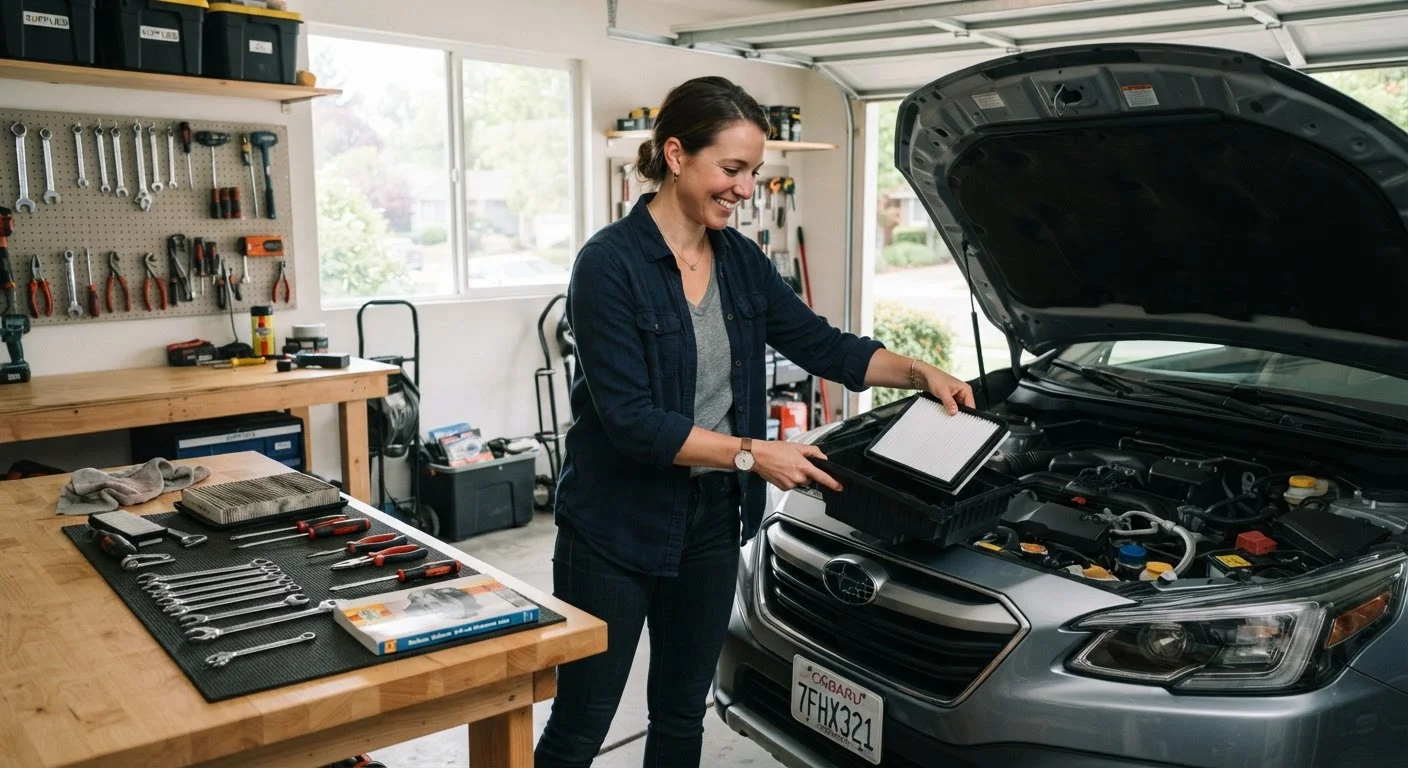
There's a genuine argument for handling certain maintenance tasks at home. Labor costs at repair shops can be substantial, and straightforward jobs like replacing an engine air filter, swapping wiper blades, or topping off windshield washer fluid require no mechanical background and carry virtually no risk if done with basic care.
Significant savings on labor costs
Shop labor rates in the U.S. commonly range from $80 to over $150 per hour. Completing routine tasks yourself eliminates that cost entirely on jobs that may only take 20–30 minutes.
Builds hands-on knowledge of your vehicle
Regular personal inspection makes it easier to notice developing problems early — before a minor issue becomes a costly repair or a roadside breakdown.
Convenient scheduling on your own timeline
DIY maintenance doesn't require booking appointments, dropping off the car, or arranging alternative transportation — a real advantage for straightforward tasks.
Control over parts quality
Sourcing your own parts allows you to verify specifications and choose between OEM (original equipment manufacturer) and aftermarket components based on your priorities.
Beyond cost, DIY maintenance builds familiarity with your vehicle. Drivers who regularly inspect their own cars tend to notice problems earlier — a worn belt, a leaking hose, an unusual noise — before those issues become expensive repairs. For context on which fluids to monitor, see our guide on transmission fluid, coolant, and other overlooked fluids.
The internet has also dramatically lowered the barrier to entry. Vehicle-specific repair manuals, owner forums, and video walkthroughs mean that a determined driver with the right tools can competently complete a broader range of tasks than previous generations could.
Where DIY Gets Genuinely Risky
The appeal of saving money can create a false sense of confidence. Some systems on a modern vehicle are complex enough that an incomplete or incorrect repair doesn't just fail — it creates a hazard.
Safety-critical errors can cause serious harm
Mistakes on brake, steering, or suspension systems can compromise vehicle control in ways that aren't apparent until a high-stress driving situation reveals the failure.
Risk of voiding manufacturer or service warranties
Certain repairs performed outside an authorized facility — particularly on newer vehicles — may affect warranty coverage. Review your warranty terms before starting any significant work.
Hidden complexity on modern vehicles
Advanced driver assistance systems (ADAS), electronic parking brakes, and integrated control modules mean that even seemingly simple jobs may require diagnostic equipment to complete correctly.
Incomplete repairs can cost more than professional service
A DIY repair that partially fails or causes secondary damage often costs significantly more to correct than the original professional quote would have been.
Tool and workspace requirements are often underestimated
Safe undercar work requires proper jack stands, torque wrenches, and adequate lighting. Improvising without the correct equipment is a leading cause of DIY injuries and vehicle damage.
Brake work is the most frequently cited example. Bleeding brake lines, replacing calipers, or resurfacing rotors requires precision and, on many modern vehicles, electronic recalibration that only a shop-level scan tool can perform. A brake job that seems complete but isn't can result in brake fade or total failure under stress. Similarly, suspension and steering components involve geometry tolerances that, if disturbed incorrectly, affect vehicle stability in ways that may not be obvious until an emergency maneuver.
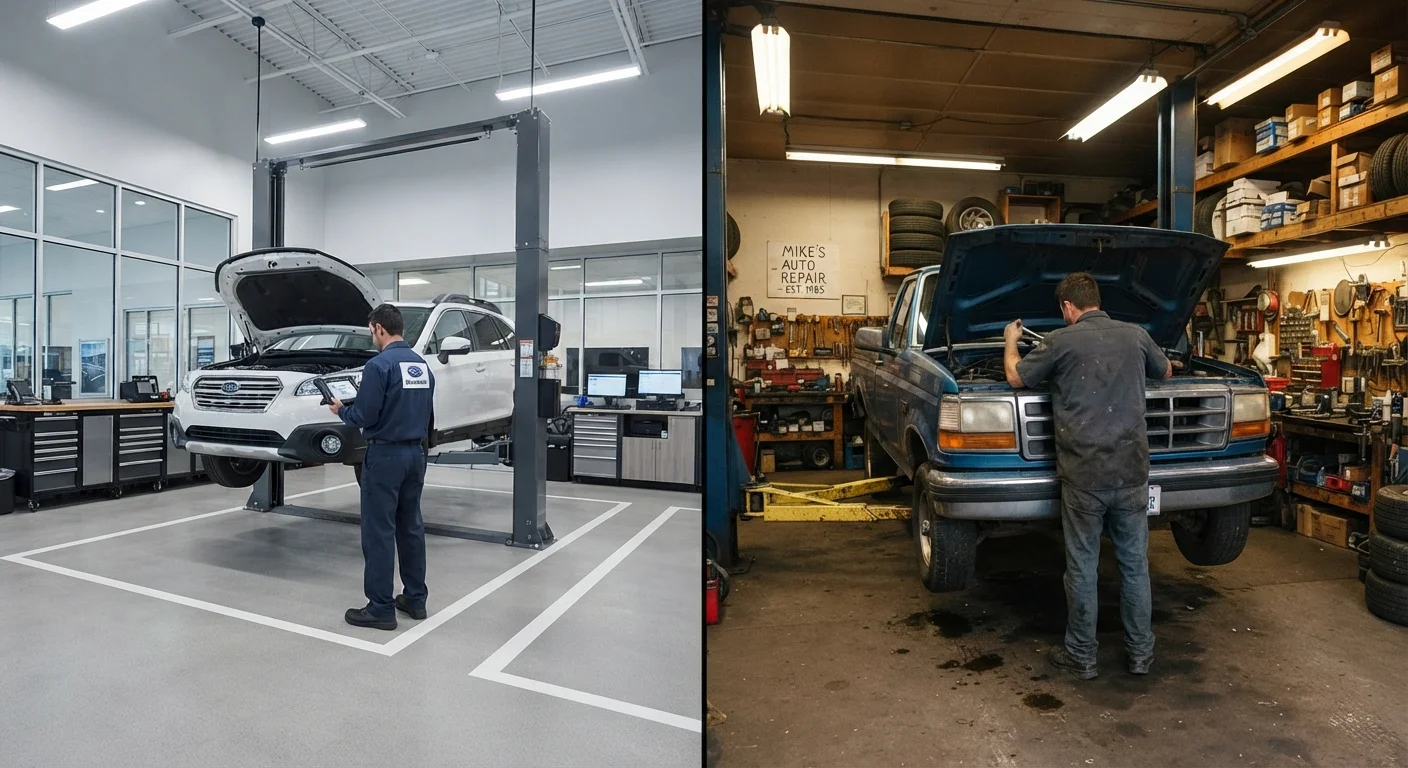
Fuel system work introduces fire risk, and airbag-adjacent repairs carry the very real possibility of accidental deployment. These are not tasks where a YouTube video provides adequate preparation. When in doubt about professional alternatives, compare your options using our breakdown of dealership service centers versus independent mechanics.
The Tasks That Fall In Between
A wide middle ground exists between changing a cabin air filter and rebuilding a transmission. Oil changes, spark plug replacement, battery swaps, and brake pad inspection all fall into a category that is manageable for mechanically inclined drivers — but still carries conditions.
Oil Changes: Simple, But Not Margin-Free
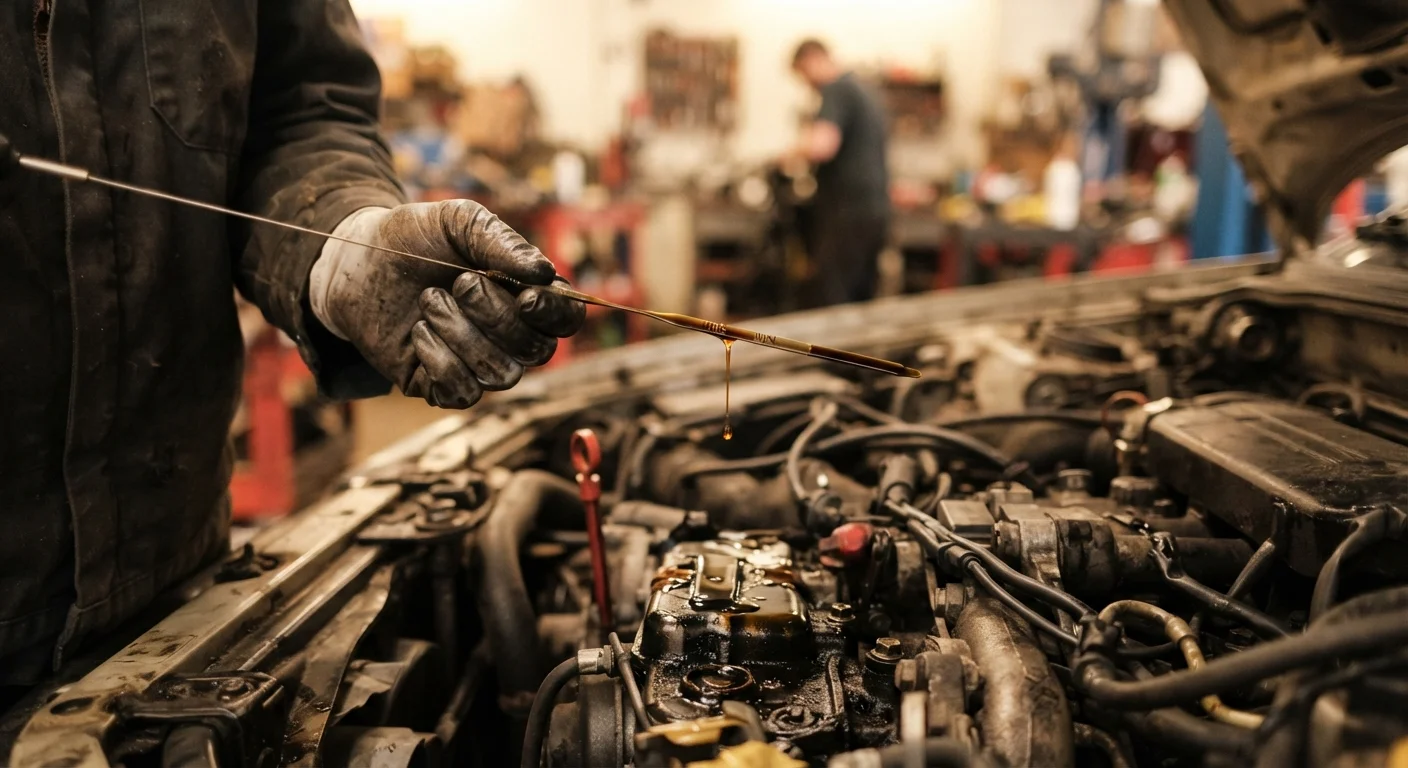
An oil change is one of the most common DIY tasks, but it involves a few details that matter: using the correct viscosity and specification for your engine, disposing of used oil legally (most auto parts stores accept it), and confirming the drain plug is torqued to spec — not just hand-tightened. Skipping any of these steps can have consequences that show up well after the task appears complete.
An oil change, for instance, is low-risk in isolation, but the consequences of using the wrong oil specification or failing to torque the drain plug correctly can cause engine damage over time. Our article on common oil change myths covers which rules actually matter and which are outdated advice. Spark plug replacement is straightforward on older engines with easily accessible plugs, but on many newer vehicles, reaching all cylinders requires removing intake components — a job where the margin for error narrows considerably.
Tire rotation is another moderate task. The physical process isn't complex, but it requires a reliable floor jack, jack stands rated for your vehicle's weight, and knowledge of the correct torque specification for your lug nuts. For a clearer understanding of what rotation, balancing, and alignment each involve, see tire rotation, balancing, and alignment explained.
Practical Guidelines Before You Start
Before attempting any repair, a few straightforward checks help determine whether it's a reasonable DIY project:
- Consult your owner's manual first. Many vehicles have specific requirements — torque specs, fluid grades, or reset procedures — that generic guides don't capture.
- Assess your tools honestly. Lacking the right tool and improvising is one of the most common causes of DIY damage. Renting specialty tools from an auto parts store is often a better option than forcing the job with what's on hand.
- Understand the failure mode. Ask yourself: if I make a mistake here, what breaks? For cosmetic or convenience systems, the answer may be minor. For safety systems, the answer is never acceptable.
- Know when to stop. Starting a repair and discovering it's beyond your skill level is not a failure — abandoning it mid-process and driving the car is. Have a plan for how to get the vehicle to a shop if needed.
If you're also evaluating a used vehicle and wondering what maintenance history to expect, our practical guide to researching a car before buying covers what to look for before you commit.
$80–$150+
Typical U.S. shop labor rate per hour
Labor rates vary significantly by region and shop type; dealerships generally charge more than independent mechanics for the same job.
~35%
U.S. drivers who perform some DIY maintenance
Consumer surveys consistently show a significant portion of American drivers handle at least some routine upkeep themselves, particularly oil changes and filter replacements.
This article is for general informational purposes only. For repairs affecting vehicle safety — including brakes, steering, suspension, and fuel systems — consult a qualified, licensed mechanic before proceeding.