
Why the Sticker Price Misleads Most Shoppers
Walk into any dealership and the number everyone focuses on is the purchase price — or the monthly payment derived from it. That figure is concrete, visible, and easy to compare. But it captures only a fraction of what owning that vehicle will actually cost you over the years.
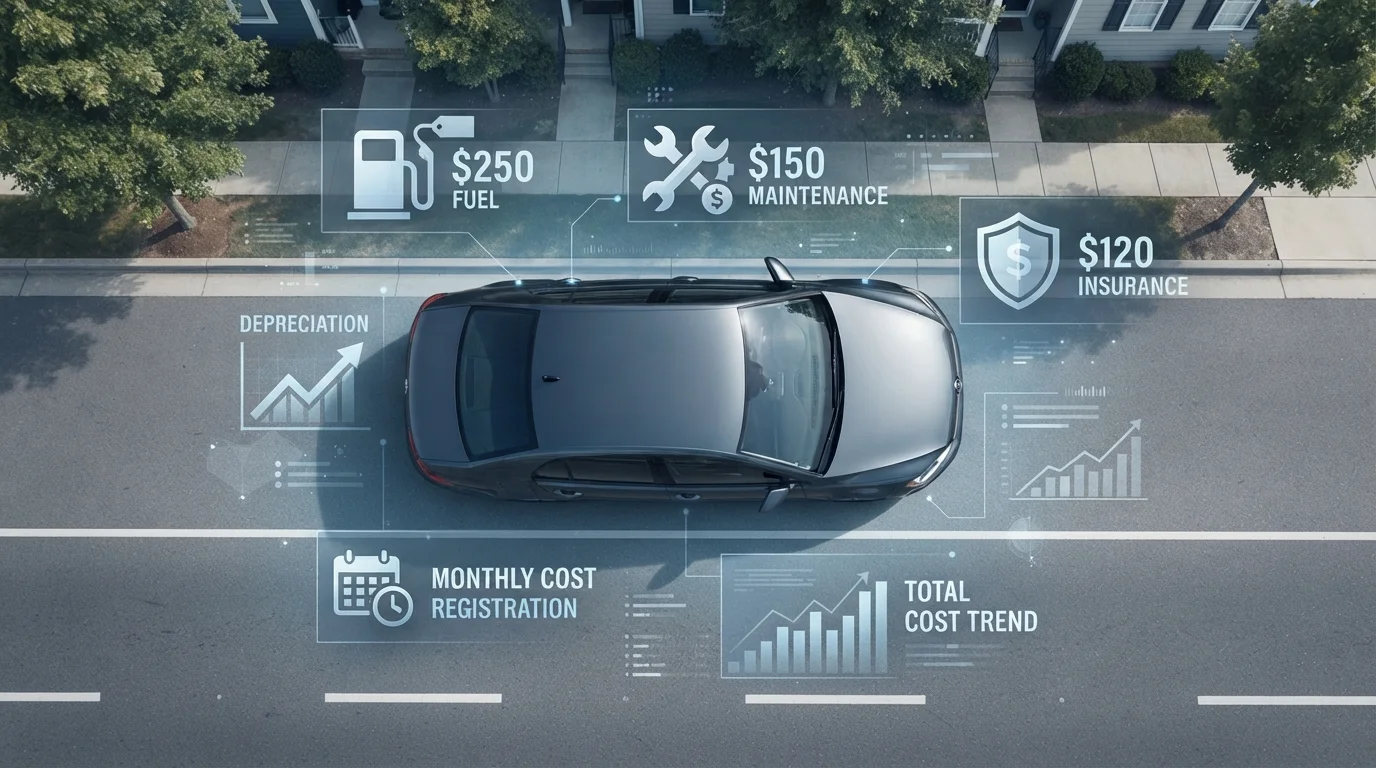
Consumer research has consistently found that ongoing ownership expenses — fuel, insurance, maintenance, and depreciation — often exceed the purchase price itself over a five-year ownership period. A shopper who chooses a vehicle based on a lower sticker price may end up spending considerably more than someone who paid more upfront for a model with better fuel economy, cheaper insurance, and slower depreciation.
This is why researching a vehicle's full ownership profile before you commit is so important. The purchase transaction is a single event; ownership is a multi-year financial relationship.
~$12,000
Estimated average annual cost to own and operate a vehicle
According to AAA's annual Your Driving Costs study, average ownership and operating expenses for a new vehicle exceed $10,000–$12,000 per year depending on vehicle type and mileage.
40–50%
Share of five-year TCO attributable to depreciation
Industry analyses consistently show depreciation is the dominant cost component for new vehicle owners over a five-year period.
15,000
Annual miles used in standard TCO calculations
Most published ownership cost estimates are benchmarked at 15,000 miles per year — adjust estimates up or down based on your actual driving habits.
The Five Components That Make Up TCO
Depreciation
For most new vehicles, depreciation — the loss in market value over time — is the single largest ownership cost. A new vehicle can lose a meaningful portion of its value in the first few years. When you eventually sell or trade in, that gap between what you paid and what you receive is a real, realized cost. Trade-in timing and negotiation choices can influence how much of that loss you absorb.
Fuel
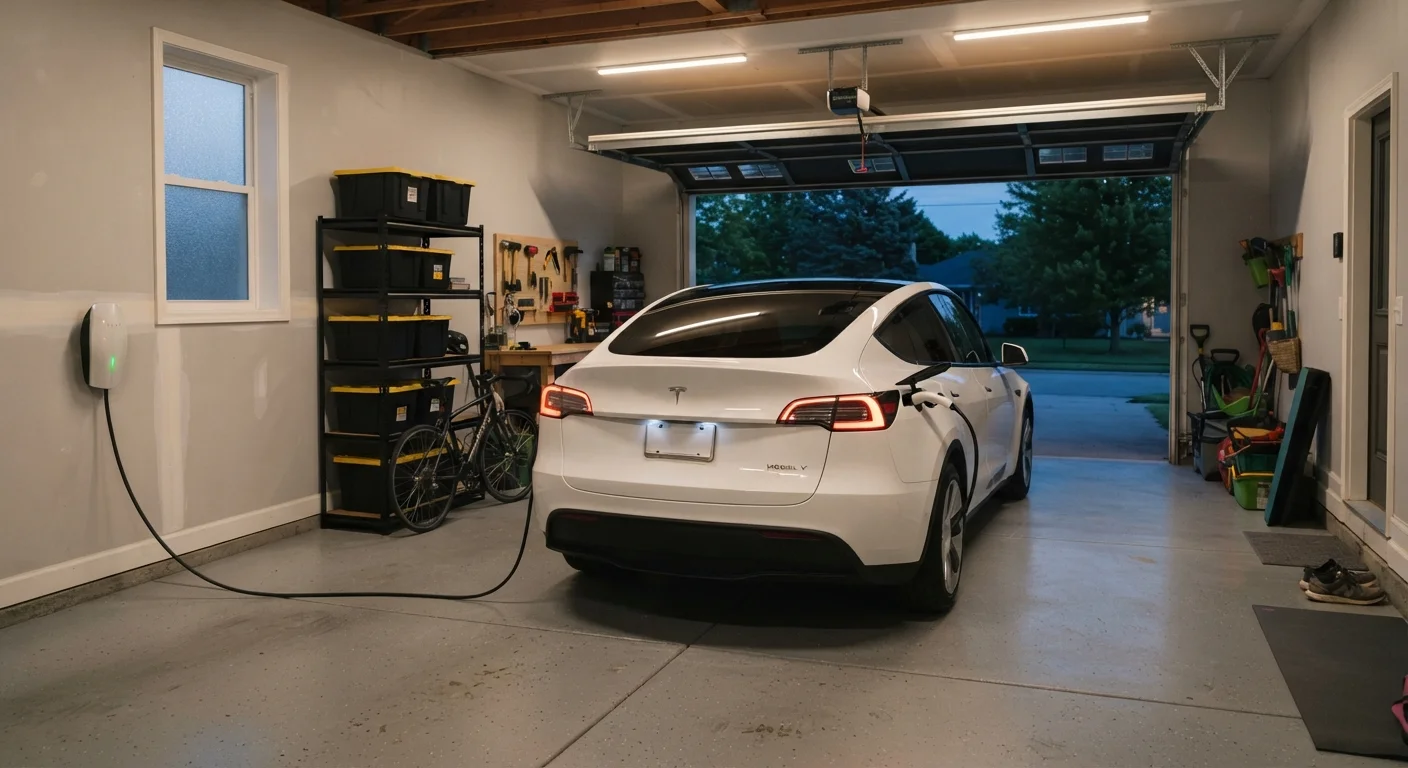
Fuel costs depend on both gas prices and the vehicle's efficiency. A model that gets significantly fewer miles per gallon than an alternative will cost more to operate with every tank. Multiply the difference across 12,000–15,000 annual miles and the gap becomes substantial over time. Electric vehicles shift this equation by replacing gas costs with electricity costs, which vary by region and charging habits.
Insurance
Premiums are partly driven by the vehicle itself — its replacement cost, repair expense, and safety record all factor into what insurers charge. Two vehicles with identical purchase prices can carry meaningfully different insurance costs.
Maintenance and Repairs
Scheduled maintenance — oil changes, tire rotations, fluid services — is predictable but adds up. Unscheduled repairs are harder to forecast, which is why reliability history matters. See the vehicle parts and services overview for more context on common service intervals. Ignoring minor issues also tends to escalate costs — some repairs compound quickly when deferred.
Financing Costs
If you carry a loan, interest is a real cost of ownership. Understanding how APR and loan term affect total repayment helps you account for this accurately in your overall budget.
Estimate Before You Commit
Before finalizing a vehicle choice, look up published five-year ownership cost estimates from independent consumer research sources for each model you're considering. Pair that with a personalized insurance quote and your real expected mileage to get a clearer picture of what each vehicle will actually cost you annually — not just on signing day.
Applying TCO to Your Vehicle Decision
The practical value of TCO analysis is comparison. Two vehicles priced similarly at the point of sale may have very different five-year cost profiles once depreciation, fuel efficiency, insurance rates, and expected maintenance are factored in.
TCO calculations are especially relevant when comparing vehicle categories. A larger vehicle — such as a three-row SUV — often carries higher fuel, insurance, and depreciation costs than a compact sedan, even when sticker prices are close. Similarly, classic car ownership introduces TCO variables — parts sourcing, specialty insurance, storage — that don't appear in standard analyses. The same principle applies to RV ownership, where campground fees and storage costs layer on top of conventional vehicle expenses.
The goal isn't to find a vehicle with zero ongoing costs — no such vehicle exists. The goal is to understand what you're committing to so the decision aligns with your actual financial situation, not just your enthusiasm at the point of sale.
TCO Figures Are Estimates, Not Guarantees
Published total cost of ownership figures are averages built on assumptions about mileage, fuel prices, and repair frequency. Your actual costs will vary based on how you drive, where you live, and how well the vehicle is maintained. Use TCO data as a relative comparison tool, not an absolute prediction of what you'll spend.