

Why a Structured Research Process Matters
Buying a vehicle is one of the larger financial commitments most households make, yet many buyers spend less time researching it than they would a major appliance. The consequences of an uninformed purchase — unexpected repair costs, poor fit for actual needs, or overpaying relative to market value — often surface only after the transaction is complete.
A structured approach addresses this by breaking the research into discrete, manageable steps rather than relying on general impressions or sales materials. Each step targets a specific category of information: suitability, reliability, safety, cost, history, value, and physical condition. Working through them in sequence reduces the risk of missing a critical data point and gives you a defensible basis for any negotiation.
What you will need
The steps below apply to both new and used vehicles, with some steps (notably the history report and pre-purchase inspection) specific to the used-car context.
Vehicle History Report Service
Pulls title records, reported accidents, odometer readings, and service history for a specific VIN.
Government Safety Ratings Database
Provides crash-test and rollover ratings from NHTSA and IIHS for specific makes, models, and years.
Owner Cost Estimator Tool
Projects five-year ownership costs including fuel, insurance, maintenance, and depreciation.
Independent Mechanic
Performs a pre-purchase inspection to identify mechanical and structural issues not visible to untrained buyers.
Market Valuation Guide
Provides current private-party and dealer retail value ranges for a specific vehicle configuration.
The Research Steps
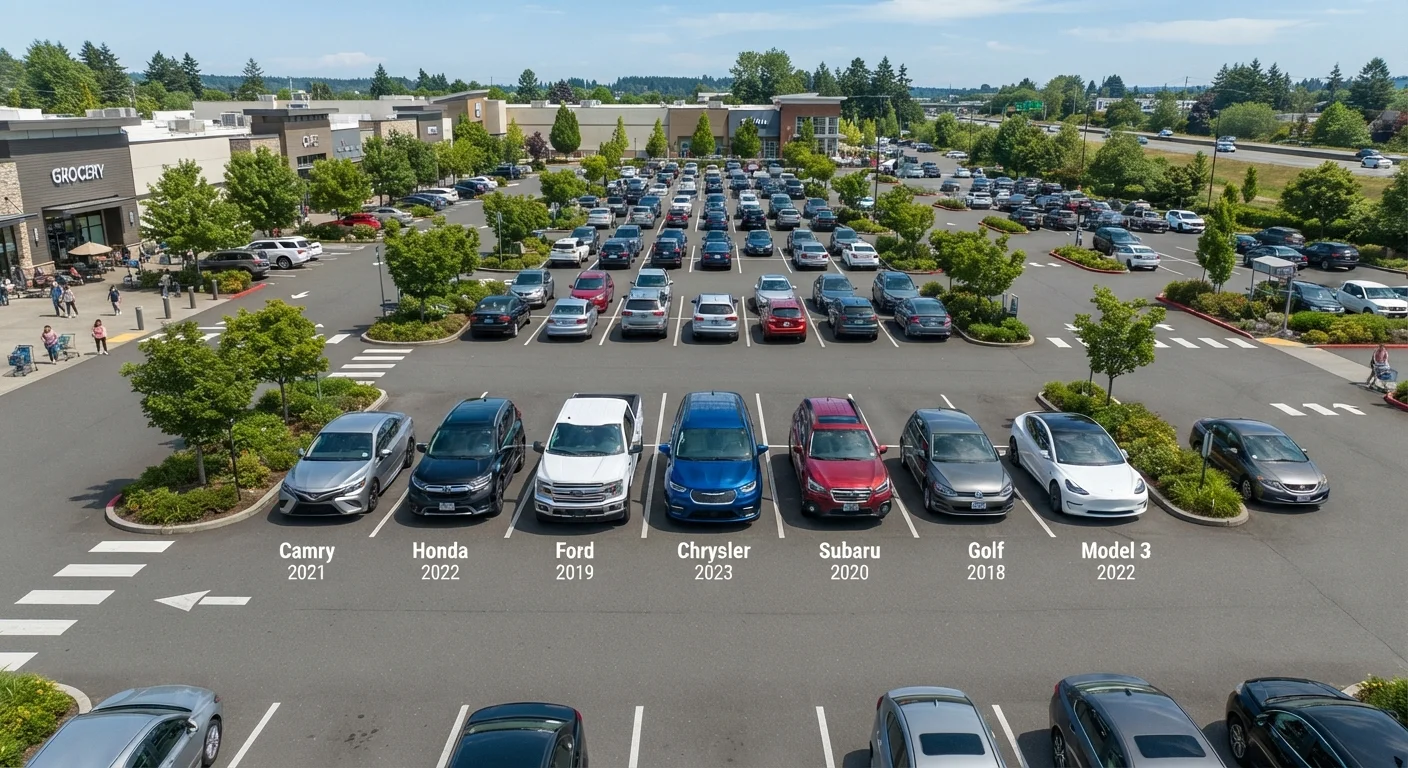
Confirm the vehicle type matches your actual driving patterns
Before researching specific models, verify that the vehicle category you're considering fits how you realistically drive. A midsize SUV may seem versatile, but if you commute solo on a highway, a sedan may serve you better at lower cost. Conversely, if you regularly haul gear or passengers, a crossover or truck may justify its additional expense.
See our guide to matching vehicle type to your driving habits for a practical framework before you commit to a category.
Check reliability data for the specific model year
Reliability varies not just by make and model, but by model year. A redesigned vehicle often introduces new problems in its first production year that are resolved in subsequent years. Look up owner-reported reliability data segmented by year, and flag any model years with known transmission, electrical, or powertrain issues.
Pay attention to technical service bulletins (TSBs) and recall history, which are publicly searchable through the National Highway Traffic Safety Administration (NHTSA) database. TSBs indicate acknowledged problems even when no formal recall was issued.
Review safety ratings from NHTSA and IIHS
The National Highway Traffic Safety Administration (NHTSA) and the Insurance Institute for Highway Safety (IIHS) publish independent crash-test results that are freely accessible online. These two organizations use different testing methodologies and rating systems, so a vehicle may score differently between them — review both.
For newer vehicles, check whether the trim level you're considering includes safety features (such as automatic emergency braking) that affect those ratings, since base trims are sometimes tested differently than higher trims.
Estimate total ownership costs over five years
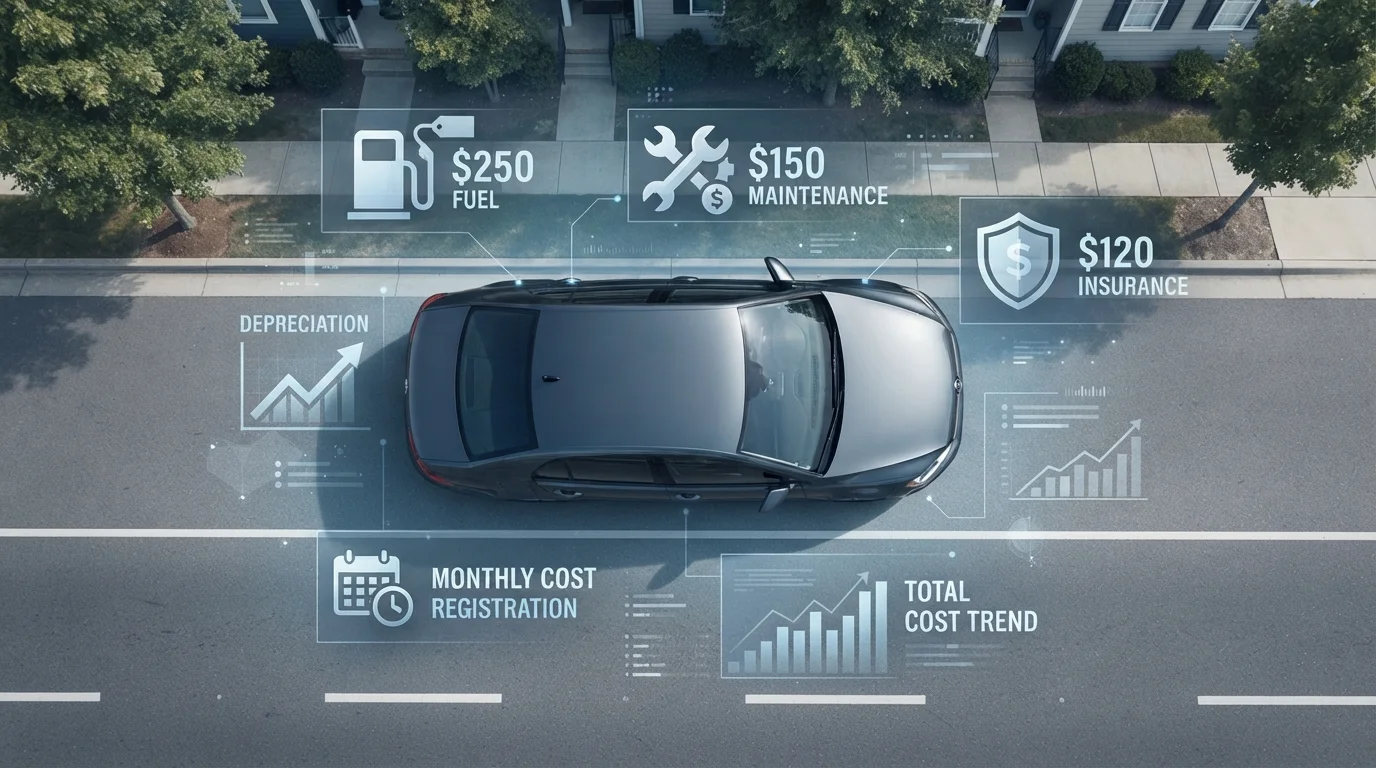
Purchase price is only one component of what a vehicle costs you. Fuel, insurance, scheduled maintenance, tires, and depreciation typically add tens of thousands of dollars over a five-year ownership period. Several publicly available tools project these costs by make, model, year, and trim.
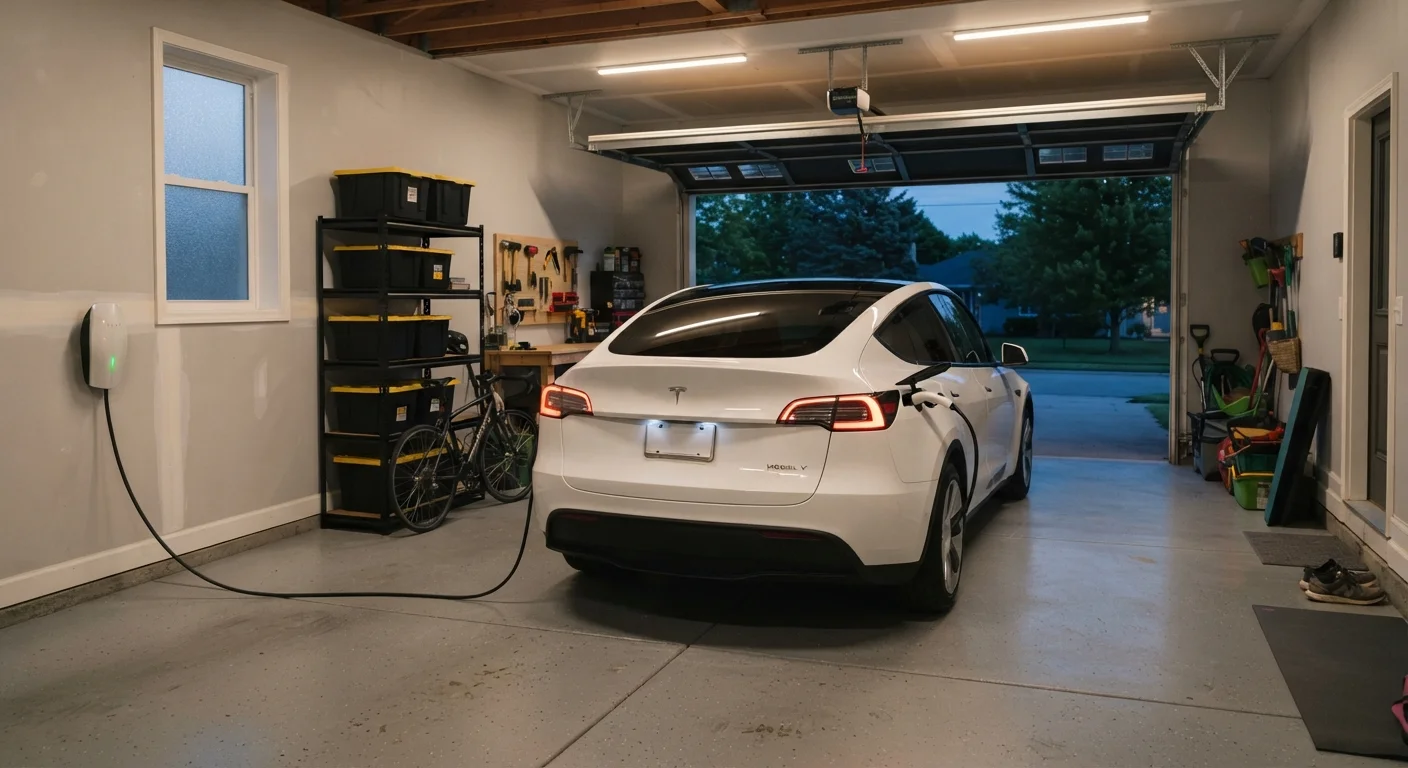
If you're evaluating an electric vehicle, factor in charging infrastructure at your home or workplace. Our overview of electric vehicle ownership realities covers what distinguishes EV costs from those of conventional vehicles. For a deeper look at the full financial picture, see our article on total cost of ownership.
Pull and interpret the vehicle history report (used cars only)
For any used vehicle, obtain a history report using the car's 17-character VIN. The report will show title events (including salvage or flood designations), reported accidents, odometer readings at service intervals, and whether the vehicle was used as a rental or fleet unit.
Our companion article explains exactly what a vehicle history report contains, where the data originates, and the specific gaps buyers should account for.
Verify current market value
Before approaching a seller, establish what the vehicle is worth in your regional market under current conditions. Market valuation guides provide private-party and dealer retail value ranges based on year, make, model, trim, mileage, and condition. Compare the asking price against these ranges to understand whether you're looking at a fairly priced listing, an overpriced one, or a potential deal worth investigating further.
Also consider the buying channel. Private sellers and dealerships each carry distinct trade-offs in terms of legal protections, return options, and price negotiability.
Arrange a pre-purchase inspection before committing
Once you've identified a strong candidate and completed your desk research, schedule a pre-purchase inspection with an independent mechanic before signing anything. Bring the vehicle to a shop of your choosing — not one affiliated with the seller. The mechanic should assess the engine, transmission, brakes, suspension, body structure, and any warning codes stored in the vehicle's computer.
After the inspection, pair the findings with your used car inspection checklist to make sure nothing was overlooked before you make a final decision.
Cross-Reference Multiple Reliability Sources
No single reliability database captures every owner experience. Cross-referencing owner forums, long-term road test data from automotive publications, and consumer survey organizations gives a more complete picture than any one source alone. Pay particular attention to model-year-specific issues, since reliability can vary significantly between generations of the same nameplate.
Don't Skip the Independent Inspection
Online research and history reports can't reveal every mechanical issue. Before finalizing any used-car purchase, arrange a pre-purchase inspection (PPI) with an independent, qualified mechanic — not one recommended by the seller. A PPI typically costs between $100 and $200 and can surface problems that would cost thousands to repair. Skipping this step is one of the most common and expensive mistakes used-car buyers make.
History Reports Have Real Limits
A vehicle history report draws on reported data — accidents, title changes, and service records that were filed with insurers, repair shops, or government agencies. Unreported incidents, cash repairs, and odometer fraud may not appear. Treat a clean report as encouraging, not as a guarantee of the vehicle's condition. Always pair it with a physical inspection.
After Your Research Is Complete
Once you've worked through each research step, you'll have a clear picture of the vehicle's suitability, condition, cost profile, and fair market value. At that point, the remaining decisions involve negotiation, financing, and — if you're selling or trading your current vehicle — timing that transaction carefully. On the trade-in side, common missteps can quietly reduce your return; our article on trade-in pitfalls outlines the most frequent ones.
If you're considering a classic or collectible vehicle rather than a daily driver, the research process carries additional layers — parts availability, storage, and specialist maintenance among them. Our overview of classic car ownership provides context specific to that segment.
Thorough research doesn't guarantee a perfect outcome, but it substantially narrows the range of surprises. Enter any purchase decision with documentation, data, and an independent mechanical opinion — and you'll be in a far stronger position than the majority of buyers.