
What the Sticker Price Actually Represents
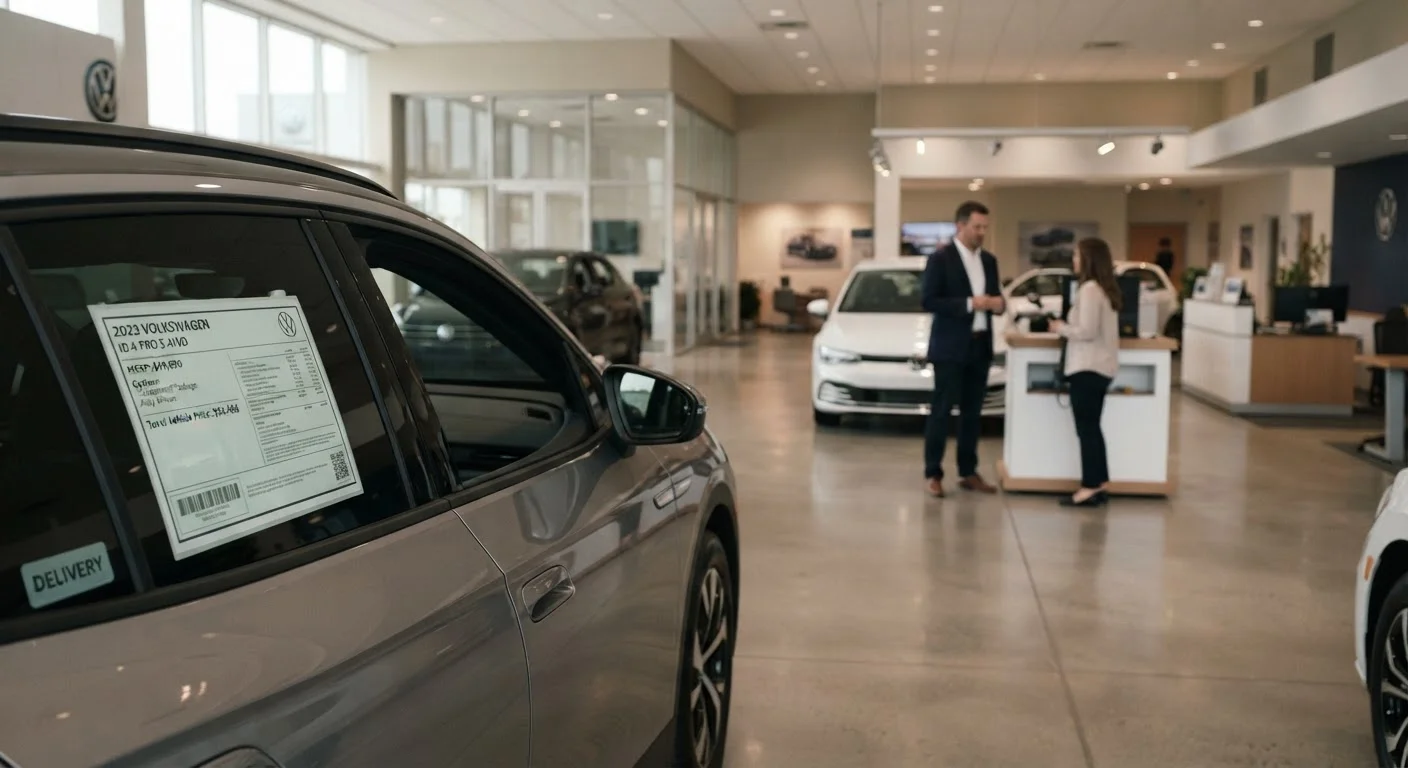
The price displayed on a new vehicle's window — formally called the Monroney sticker price or MSRP — is the manufacturer's suggested selling price for the base vehicle plus any installed options. Federal law requires this label on new cars, and it's a useful baseline for comparison shopping. But it does not represent what you'll pay when the transaction is complete.
On used vehicles, the advertised price is set by the dealer or private seller and carries no equivalent legal requirement for standardization. Either way, the listed figure is a starting point, not a final number.
Understanding what gets added — and why — is essential before you enter a negotiation. For related context on how dealers use other price figures, see our explanation of what the invoice price actually means.
8–12%
Typical fees added above negotiated price
Industry estimates suggest buyers commonly pay 8–12% more than the negotiated vehicle price once taxes and fees are factored in, depending on state.
$400+
Average dealer documentation fee range
Documentation fees vary significantly by state and dealership; in some markets, doc fees exceed $400 and are not always disclosed early in the process.
50
States with varying sales tax rates on vehicles
Every U.S. state has its own rules governing vehicle sales tax, with some local jurisdictions layering additional rates on top of state-level taxes.
Government-Mandated Fees: The Non-Negotiables
A significant portion of the gap between sticker and out-the-door price comes from charges neither the dealer nor the buyer controls. These include:
- Sales tax: Calculated as a percentage of the vehicle's sale price. Rates vary by state and sometimes by county or city. Some states have no sales tax on vehicles; others exceed 10%.
- Title fee: A charge for legally transferring ownership of the vehicle into your name. This is a state government fee.
- Registration fee: Covers the cost of registering the vehicle and obtaining license plates. This can range from modest to several hundred dollars depending on the state and vehicle weight or value.
- State inspection or emissions fees: Required in some states before a vehicle can be legally operated on public roads.
Because these vary so much by location, two buyers purchasing the identical vehicle at the same price can end up with meaningfully different out-the-door figures simply based on where they live.
Request the Out-the-Door Price in Writing
Before agreeing to any purchase, ask the dealer to provide a complete, itemized out-the-door price quote in writing. This should list every fee individually — not just a single final number. Having this in hand allows you to identify any charges that weren't disclosed earlier and gives you a clear basis for comparison if you're shopping multiple dealers.
Dealer-Added Fees and Add-Ons
Beyond government charges, dealers typically add fees of their own. The most common is the documentation fee (often called a "doc fee"), which covers the paperwork involved in processing the sale. Doc fees are legal in most states but vary widely — from under $100 in some markets to several hundred dollars in others. Some states cap what dealers can charge; others don't regulate this at all.
Dealers may also present optional products and services in the finance office, including:
- Extended service contracts or warranties
- Paint and fabric protection packages
- GAP insurance (covers the difference between what you owe and the car's value if it's totaled)
- Wheel and tire protection plans
These are almost always optional, even if presented as standard inclusions. Each adds to the final price. Buyers who accept multiple add-ons without scrutiny can find themselves paying thousands more than anticipated.
A destination charge — the cost of shipping the vehicle from the factory to the dealership — is typically already included in the MSRP on new vehicles, but it's worth confirming this if you see it listed separately.
Why the Gap Matters for Your Budget
Focusing only on the sticker price during shopping can lead to a significant budget miscalculation. A buyer who plans to spend $35,000 on a vehicle may find the out-the-door price lands closer to $38,000–$40,000 once taxes, registration, and dealer fees are included — even without a single optional add-on.
This distinction is especially important when financing. Monthly payments are calculated on the financed amount, which typically reflects the out-the-door price minus any down payment or trade-in credit. A few thousand dollars added in fees translates directly into higher monthly costs over the life of the loan.
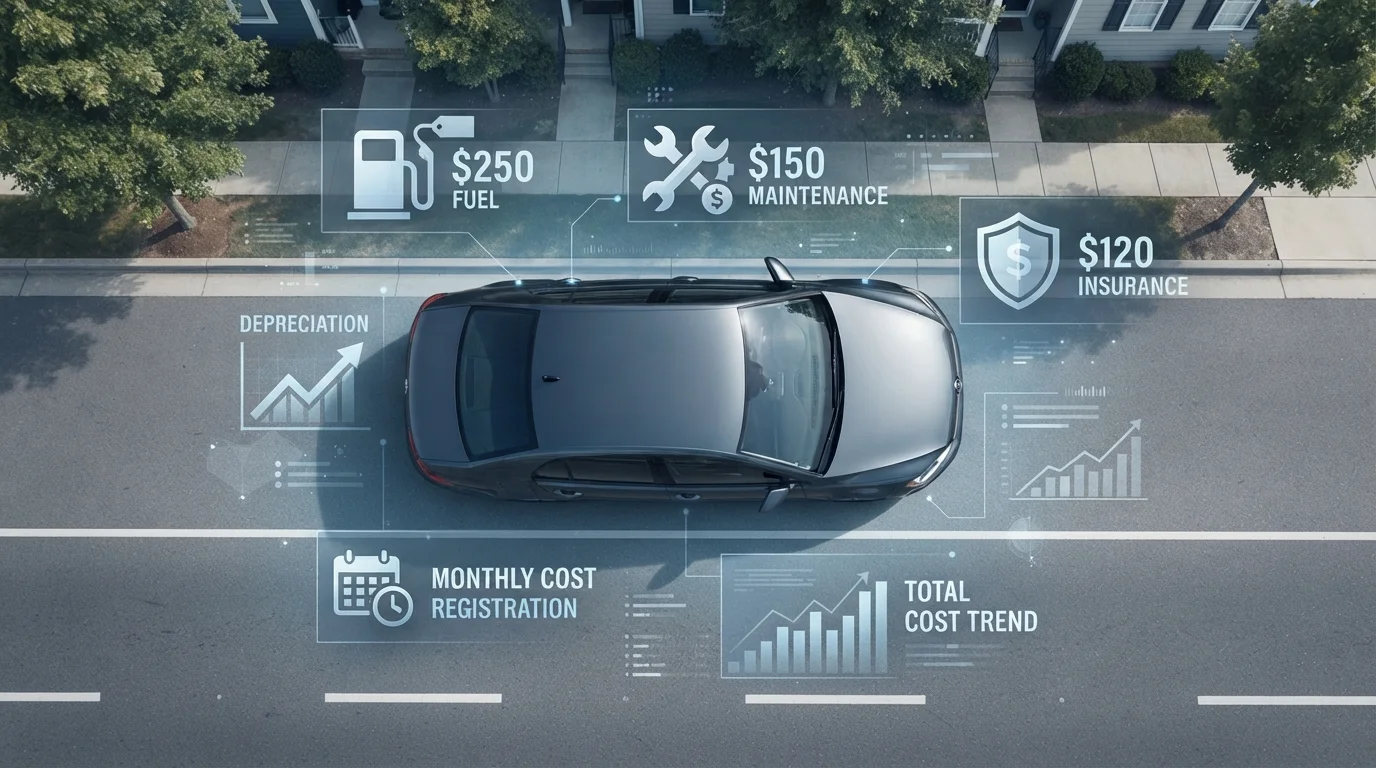
For a fuller picture of vehicle affordability, the out-the-door price is still just the beginning. Fuel, insurance, depreciation, and maintenance all factor into what a vehicle actually costs over time — concepts covered in our guide to total cost of ownership. If a trade-in is part of your transaction, be aware that how you sequence that negotiation can affect your bottom line — see our breakdown of trade-in pitfalls for guidance.
“The single most important number in a car deal isn't the price on the sticker — it's the total amount leaving your bank account on the day you sign. Everything else is just a step toward that figure.”
— Autos Editorial Team, Automotive consumer guidance researchers