The Invoice Price Explained
When a manufacturer builds a vehicle and ships it to a dealership, it sends along a factory invoice — a billing document that lists the price the dealer owes for that specific unit. That number is what the industry calls the invoice price.
Dealers began advertising invoice prices decades ago as a transparency signal, suggesting to shoppers that they were being offered a deal close to the dealer's own cost. In a marketplace where information was hard to come by, that framing carried real persuasive weight. Today, invoice data is broadly available to consumers, so the signal has shifted — but the terminology stuck.
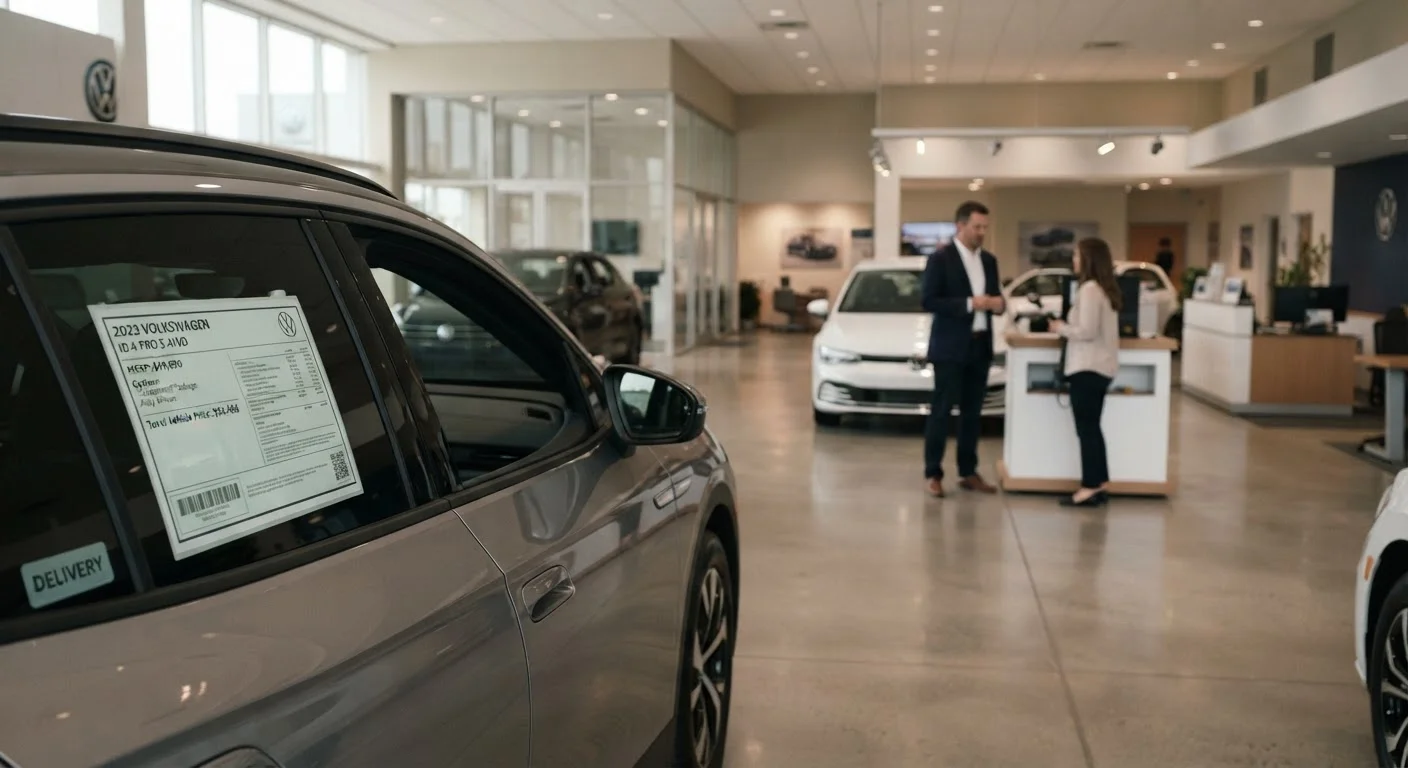
The invoice price sits between two more familiar figures: it's lower than the MSRP (the window sticker price) and higher than what the dealer may ultimately pay once all manufacturer programs are factored in. Understanding this middle position is what makes the number genuinely useful for shoppers rather than just a marketing phrase.
Invoice Price vs. MSRP: A Quick Reference
MSRP is set by the manufacturer and displayed on the window sticker as a suggested retail price for consumers. Invoice price is the amount listed on the manufacturer's billing document to the dealer. The gap between them — sometimes called the 'spread' — varies by vehicle segment and manufacturer, typically ranging from a few hundred to several thousand dollars on mainstream models.
Why Invoice Price Isn't the Dealer's True Cost
The most important thing a car shopper can know about invoice price is that it overstates what the dealer actually paid. Several financial mechanisms sit below the invoice number:
- Dealer holdback: Most manufacturers quietly refund dealers a percentage of the MSRP or invoice price — often 1% to 3% — once a vehicle sells. This holdback is designed to support dealer cash flow and represents profit that never appears in the advertised price.
- Manufacturer-to-dealer incentives: Automakers periodically offer dealers cash bonuses for hitting sales volume targets or moving specific models. These amounts vary widely and are rarely disclosed to consumers.
- Floorplan assistance: Some manufacturers subsidize the interest dealers pay on their inventory financing, further reducing the real carrying cost of each vehicle.
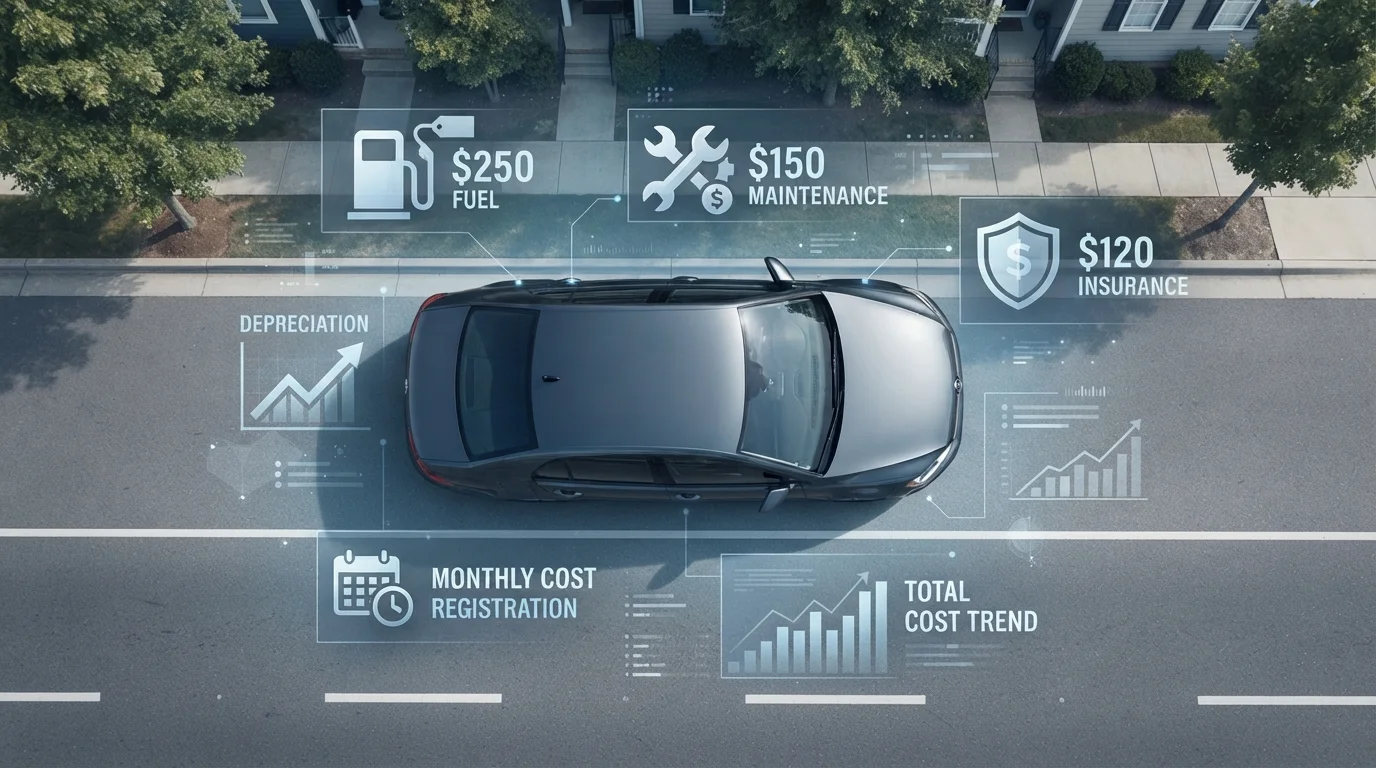
The practical implication: a dealer advertising a vehicle "at invoice" may still earn a meaningful profit on that sale. That's not inherently deceptive — it simply means the advertised figure was never the whole picture. For a broader look at how purchase price fits into the larger financial equation, see our guide on total cost of ownership.
Use Invoice as a Starting Point, Not a Ceiling
Invoice price data from automotive research tools gives you a grounded reference before you walk into a dealership. Treat it as the beginning of your research, not a fixed floor. Combining invoice data with knowledge of current manufacturer incentives and regional inventory levels puts you in a much stronger negotiating position.
How Invoice Price Fits Into Negotiation
Knowing the invoice price gives shoppers a concrete anchor point when negotiating. Rather than haggling down from MSRP — which often benefits the dealer — a buyer who opens at or near invoice is starting from a more informed position.
That said, market conditions matter. For high-demand vehicles, dealers routinely sell above MSRP, making invoice price somewhat academic. For slower-moving models or toward the end of a model year, deals below invoice become genuinely possible. The spread between invoice and your final negotiated price will depend on supply, demand, regional competition, and timing.
It's also worth separating the vehicle price negotiation from other deal elements. Trade-in value, financing terms, and add-on products each carry their own margin. Mixing them together in a single conversation can obscure where you're gaining or losing ground. For more on this, see our piece on trade-in pitfalls that erode a seller's final number.
1%–3%
Typical dealer holdback range
Most major automakers build a holdback of roughly 1% to 3% of MSRP or invoice into their dealer compensation structure, according to industry reporting.
$500–$4,000+
Average invoice-to-MSRP spread
The gap between invoice and sticker price varies significantly by vehicle segment — economy models carry narrower margins while trucks and SUVs often show wider spreads.
If you're weighing the broader decision between a new and used vehicle, our comparison of new car vs. used car costs covers how depreciation, insurance, and maintenance shift the real-world math.
Finally, remember that even a deal at invoice can look very different by the time documentation fees, destination charges, and dealer add-ons are included. Our explainer on why sticker and out-the-door prices diverge walks through what typically gets added between the advertised figure and the final contract.