
How Each Tool Works for Consolidation
Debt consolidation means rolling multiple obligations into a single payment — ideally at a lower interest rate. Two common vehicles for doing this are personal loans and balance transfer credit cards. They work differently in structure, cost, and risk profile.
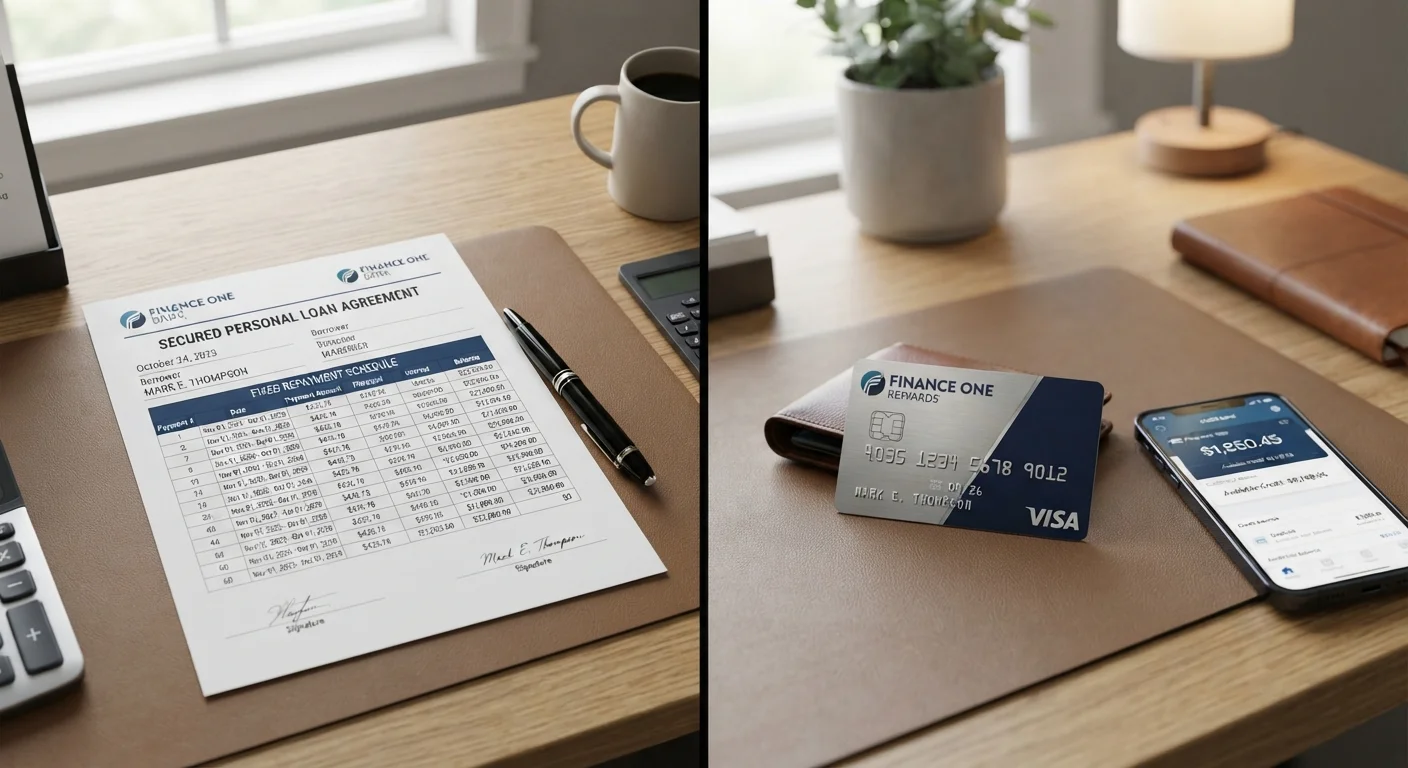
A personal loan provides a lump sum at a fixed interest rate, repaid in equal monthly installments over a set term — typically two to seven years. You use the proceeds to pay off existing balances, then repay the loan on a defined schedule. The predictability is a core feature: you know your rate, your payment, and your payoff date from day one.
A balance transfer credit card lets you move existing card balances onto a new card, often at a 0% promotional annual percentage rate (APR) for a limited period — commonly 12 to 21 months. If you pay off the transferred balance before the promotional window closes, you may pay little to no interest. Once that window ends, however, the standard variable APR applies to any remaining balance, which can be substantially higher than what a personal loan would charge. Managing credit card balances over time requires ongoing discipline that goes beyond the initial consolidation move.
Comparing the Key Factors
Understanding how these two tools stack up across the dimensions that matter most to borrowers helps clarify the decision.
| Personal Loan | Balance Transfer Card | |
|---|---|---|
| Interest rate type | Fixed APR for loan term | 0% promotional, then variable APR |
| Repayment structure | Fixed monthly installments | Variable minimum payments |
| Payoff timeline | Set term (2–7 years typical) | Open-ended after promo period |
| Origination fees | Often 1%–8% of loan amount | Balance transfer fee (typically 3%–5%) |
| Best credit profile needed | Fair to excellent | Good to excellent |
| Risk if balance remains after term | Loan is fully amortized | High revert APR on remaining balance |
| New spending temptation | Lower — no revolving line | Higher — card stays open |
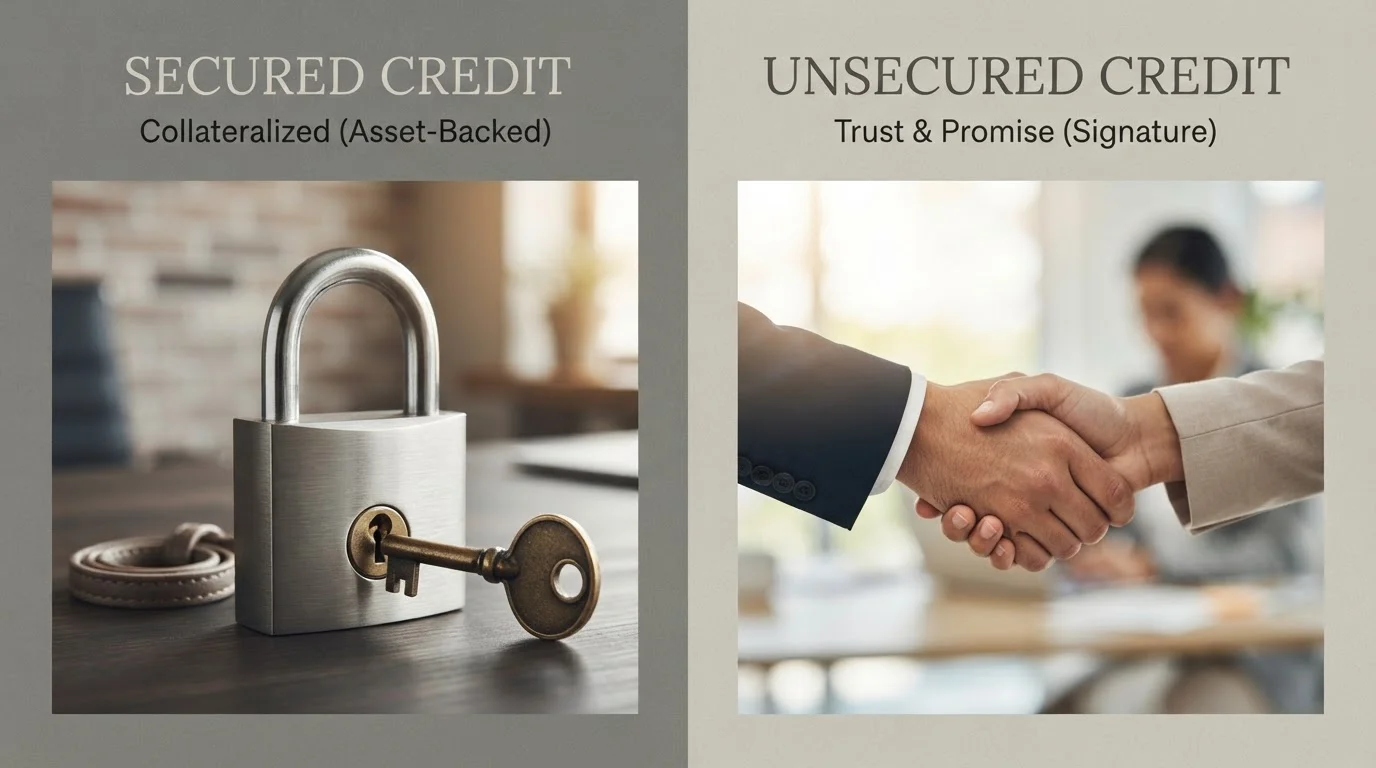
Both instruments are typically unsecured, meaning no collateral is required. That's an important shared characteristic — your credit profile and income drive lender decisions on both. For a deeper look at how that distinction shapes your risk exposure, see how secured and unsecured credit differs.
Credit Score and Qualification Realities
Your credit score shapes which option is realistically available — and at what cost. Balance transfer cards with long 0% promotional periods are generally reserved for borrowers with good to excellent credit (often 700 or above by common scoring models). Personal loans are available across a wider credit spectrum, but borrowers with lower scores will typically face higher rates, reducing the consolidation benefit.
Lenders also evaluate your debt-to-income (DTI) ratio — the share of your gross monthly income going toward debt payments. A high DTI can limit both loan amounts and card approval odds. How lenders use your DTI ratio explains how this metric works in practice and what ranges are typically considered acceptable.
Use Prequalification to Compare Offers Safely
Many lenders and card issuers allow you to check estimated rates or offers through a soft credit inquiry, which doesn't affect your score. Use these tools to compare realistic options before submitting a formal application. This is especially useful if you're deciding between a personal loan and a balance transfer card and want to see actual rate estimates side by side.
Applying for either product triggers a hard inquiry on your credit report. Multiple applications in a short window can temporarily lower your score, so it's worth comparing prequalification offers — which typically use soft inquiries — before formally applying.
The Risk of Treating Consolidation as a Solution
Consolidating debt restructures what you owe — it doesn't reduce the principal. The most common post-consolidation pitfall is accumulating new balances on the cards that were just paid off, leaving borrowers with both the loan (or new card) and fresh revolving debt.
This is especially relevant with balance transfer cards: the available credit on a paid-off card remains, and without behavioral change, it often gets used. Personal loans close off that loop more cleanly — once the loan funds pay off the cards, the debt is converted to an installment obligation with no revolving credit line attached.
Before committing to either path, it's worth asking whether your spending patterns have changed enough to prevent a repeat. Questions to ask before taking on new debt offers a practical framework for evaluating readiness. And if you're also thinking about how to structure repayment once consolidated, comparing the avalanche and snowball payoff methods may help you pick an approach that fits your situation.
This article is for general informational and educational purposes only and does not constitute personalized financial, tax, or legal advice. Consult a licensed financial professional before making decisions about borrowing or debt management based on your individual circumstances.