

Why Credit Card Debt Escalates So Quickly
Credit card debt has a compounding quality that catches many people off guard. Interest is typically calculated daily on your outstanding balance, meaning every day you carry a balance, the amount you owe grows — even if you make no new purchases. The average credit card annual percentage rate (APR) in the U.S. has historically been well above 20%, which means an unpaid balance of a few hundred dollars can become significantly larger within a year if only minimum payments are made.
The minimum payment trap is particularly insidious. Minimum payments are usually calculated as a small percentage of your balance or a flat dollar amount, whichever is greater. While paying the minimum keeps your account in good standing, it barely dents principal — and over time, you may end up paying close to the original balance again in interest alone. Understanding this mechanic is the foundation for building habits that actually work.
Core Habits That Prevent Debt From Growing
Sustainable credit card management doesn't require a complete financial overhaul. It requires a handful of consistent behaviors, applied reliably over time.
Always pay more than the minimum payment required each month.
Minimum payments are designed to keep accounts current, not to pay off debt efficiently. Paying even a modest amount above the minimum accelerates principal reduction and significantly lowers total interest paid over the life of the balance.
Track your credit card spending in real time, not just at statement close.
Waiting until your monthly statement arrives to review charges removes any opportunity to course-correct mid-cycle. Real-time awareness lets you spot category overspending before it compounds into a larger balance.
Automate at least your minimum payment to prevent missed due dates.
A single late payment can trigger a penalty APR, a late fee, and a negative mark on your credit report. Automating ensures you never miss a due date, even during a busy or stressful month.
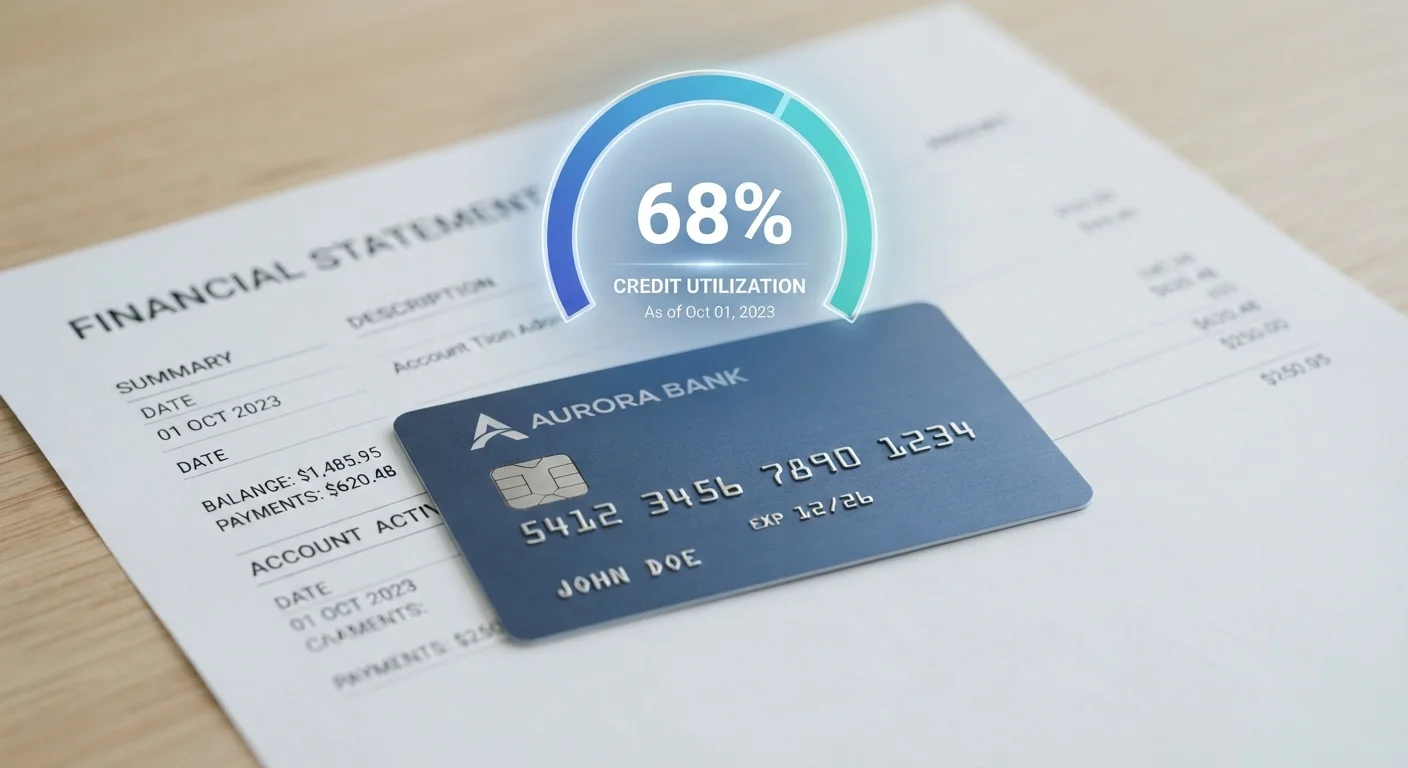
Keep your credit utilization ratio below 30% on each individual card.
Credit utilization — how much of your available credit you're using — is one of the most heavily weighted factors in US credit scoring models. High utilization signals financial strain to lenders and can suppress your score even if you pay on time.
Pause before using credit for discretionary purchases you can't cover from current income.
Convenience spending charged to a card with no immediate payoff plan is how many balances grow quietly over months. A brief decision pause creates space to distinguish needs from wants and reduces impulse-driven debt accumulation.
For readers who want to go deeper on how balances affect your broader credit profile, the relationship between your balance and credit utilization is worth understanding in detail.
Building a Structural Defense Against Debt
Beyond individual payment habits, the structure of how you manage money matters. A workable monthly budget is the scaffolding that makes everything else possible. If you haven't yet built one, the Budgeting Basics hub offers practical frameworks to start.
One structural safeguard that's often underestimated is a small, dedicated emergency fund. Even $500 to $1,000 set aside specifically for unexpected costs can prevent you from reaching for a credit card when the car needs a repair or a medical bill arrives. Without that buffer, credit becomes the default safety net — and balances grow faster than planned.
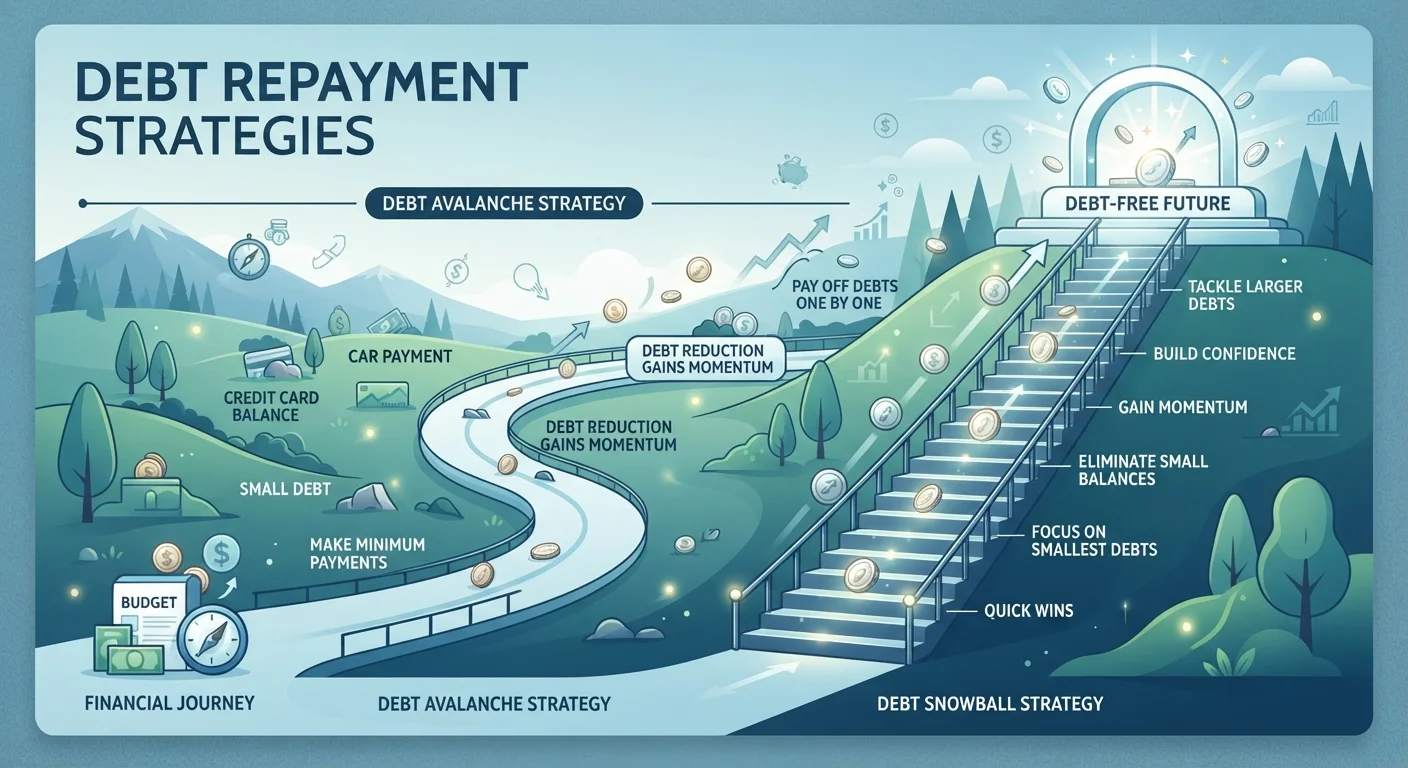
If you're already carrying a balance across multiple cards and the habits above feel like they won't be enough to gain traction, it may be worth exploring structured payoff strategies. The debt avalanche and snowball methods each offer a systematic approach to reducing multiple balances. For larger balances, consolidating debt with a personal loan may be worth evaluating — though any consolidation decision deserves careful thought about costs and terms.
Avoiding the most damaging outcomes — charge-offs, collections, and the long recovery that follows — is a strong motivation to act early. Understanding what happens when debt becomes seriously delinquent can reinforce why consistent habits matter before problems escalate.
This article is for general informational purposes only and does not constitute personalized financial or legal advice. Consult a licensed financial professional for guidance specific to your situation.