
What Makes a Fat 'Saturated' or 'Unsaturated'?
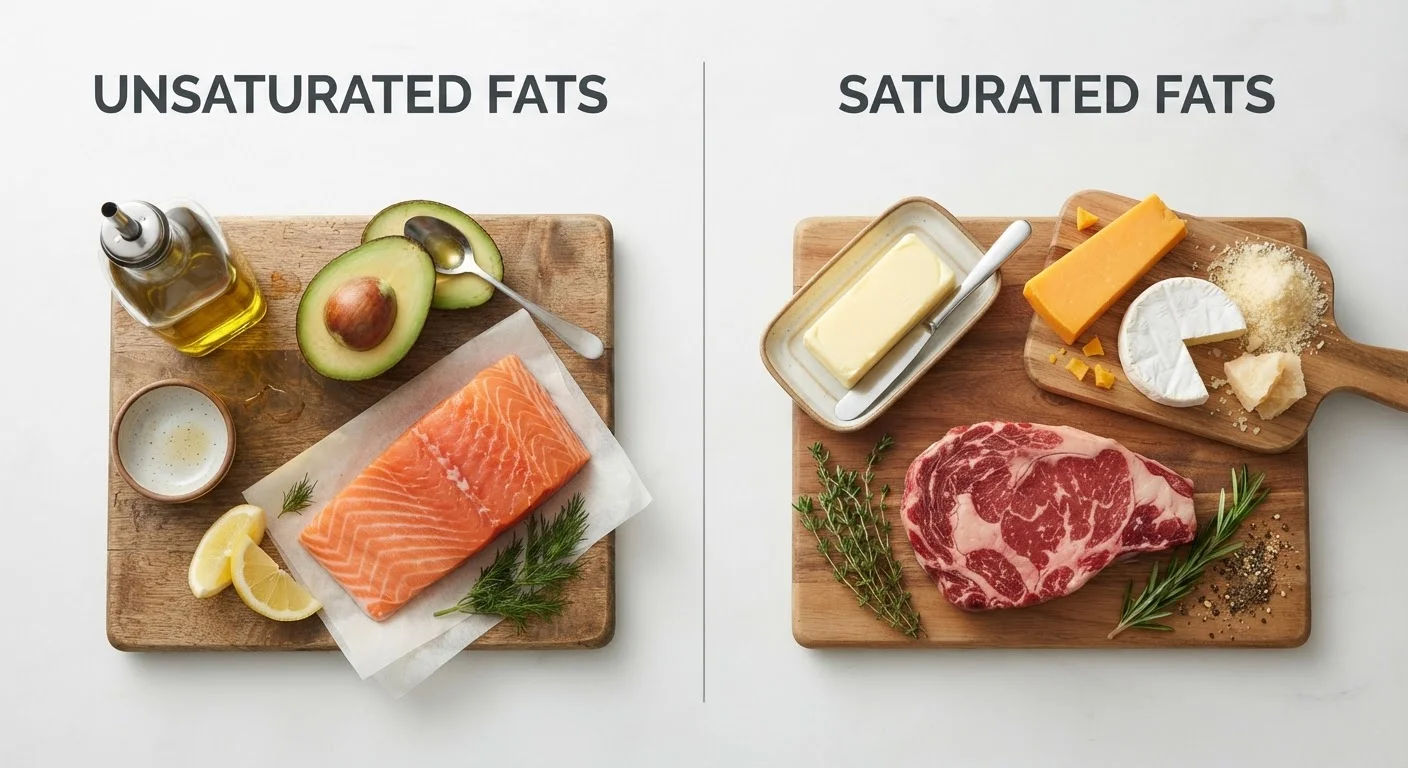
At the molecular level, all dietary fats are built from fatty acid chains attached to a glycerol backbone. The key difference lies in their chemical bonds. Saturated fats have no double bonds between carbon atoms — every carbon is "saturated" with hydrogen. This structure makes them stable and solid at room temperature. Common sources include butter, lard, beef fat, full-fat dairy, coconut oil, and palm oil.
Unsaturated fats contain one or more double bonds, which create kinks in the chain and keep them liquid at room temperature. They divide further into two categories: monounsaturated fats (one double bond, found in olive oil, avocados, and most nuts) and polyunsaturated fats (multiple double bonds, found in vegetable oils, walnuts, flaxseed, and fatty fish like salmon and sardines). Omega-3 and omega-6 fatty acids are both polyunsaturated and are considered essential because the body cannot produce them.
A third category worth noting is trans fats — artificially produced unsaturated fats that behave more like saturated fats and are strongly linked to cardiovascular harm. Industrial trans fats have been largely phased out of the U.S. food supply, though small natural amounts occur in some meat and dairy. This comparison focuses on naturally occurring saturated and unsaturated fats.
How Each Fat Type Affects the Body
The most well-studied physiological difference involves cholesterol. Saturated fat tends to raise both LDL (often called "bad" cholesterol) and HDL ("good" cholesterol) in the blood. Elevated LDL is an established risk factor for atherosclerosis and cardiovascular disease. Unsaturated fats — particularly polyunsaturated — tend to lower LDL while preserving or modestly raising HDL, a generally favorable shift.
Research suggests that replacing saturated fat calories with polyunsaturated fat is associated with a meaningful reduction in cardiovascular events, according to large reviews including work published by the American Heart Association. Monounsaturated fat substitution also appears beneficial, though the evidence is somewhat less decisive.
Crucially, what you replace saturated fat with matters. Studies indicate that swapping saturated fat for refined carbohydrates — white bread, sugar, processed snacks — does not produce the same cardiovascular benefit. The improvement is specifically linked to substituting in unsaturated fat sources.
| Criterion | Saturated Fat | Unsaturated Fat |
|---|---|---|
| Chemical structure | No double bonds; fully hydrogen-saturated | One or more double bonds in carbon chain |
| State at room temperature | Solid (e.g., butter, coconut oil) | Liquid (e.g., olive oil, canola oil) |
| Primary food sources | Meat, full-fat dairy, tropical oils | Fish, nuts, seeds, olive oil, avocado |
| Effect on LDL cholesterol | Tends to raise LDL | Tends to lower LDL (especially poly-) |
| Dietary guideline stance | Limit to <10% of daily calories | Favored as replacement for saturated fat |
| Essential fatty acids | None | Includes omega-3 and omega-6 (essential) |
It is also worth noting that not all saturated fats behave identically. Stearic acid (found in cocoa butter) appears to have a more neutral effect on LDL than palmitic or lauric acid. This level of nuance is why nutrition myths persist — blanket rules rarely capture the full picture.
What Current Dietary Guidance Recommends
The 2020–2025 Dietary Guidelines for Americans advise limiting saturated fat to less than 10% of total daily calories and replacing it with unsaturated fat where possible. The American Heart Association recommends an even more conservative target of 5–6% for people managing cardiovascular risk — though this is a clinical guideline rather than a universal prescription.
Dietary Advice Is Not One-Size-Fits-All
Individual responses to dietary fat can vary based on genetics, existing health conditions, overall diet quality, and lifestyle factors. Someone with familial hypercholesterolemia, for instance, may need closer guidance on saturated fat than the general population. These guidelines represent population-level evidence, not personal prescriptions. A registered dietitian can help you apply them to your specific circumstances.
Well-studied dietary patterns reflect this guidance in practice. The Mediterranean and DASH diets — both backed by substantial research — emphasize olive oil, nuts, fish, and legumes as primary fat sources and limit red and processed meats. If you're curious how those patterns compare across multiple health outcomes, our overview of Mediterranean, DASH, and Whole Foods diet approaches provides a balanced breakdown.
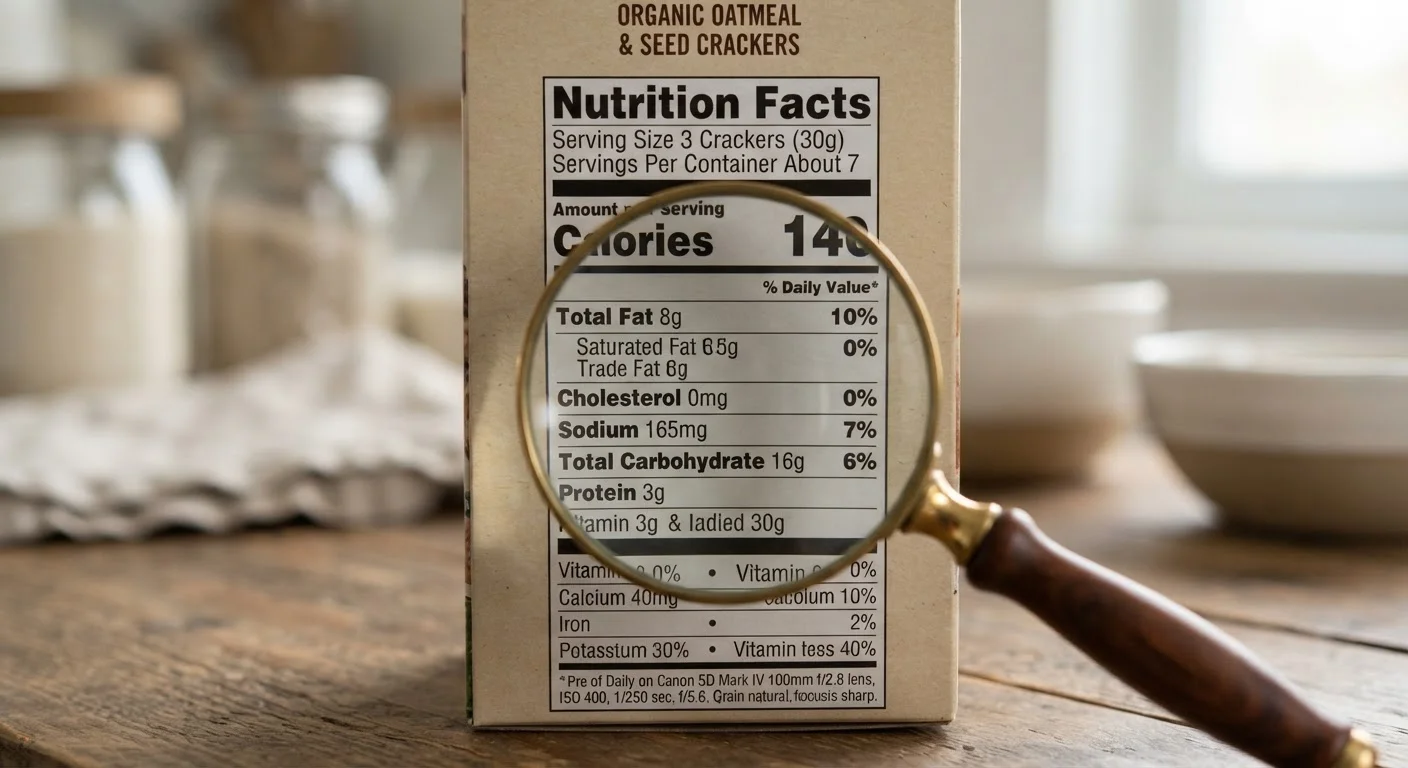
When evaluating foods day to day, learning to read fat information on packaging is a practical skill. Our guide on reading a Nutrition Facts label explains how to interpret the listed fat values and daily values in context.
This article is for general informational purposes only and does not constitute medical or dietary advice. Speak with a registered dietitian or qualified healthcare professional before making significant changes to your diet, especially if you have existing health conditions.