

Why Nutrition Myths Are So Persistent
Few areas of everyday life are as saturated with misinformation as nutrition. Oversimplified headlines, social media influencers, and decades-old dietary guidelines that have since been revised all contribute to a landscape where myths outlive the evidence that debunked them. The result is that many Americans make daily food decisions based on beliefs that nutrition science no longer supports — or never did.
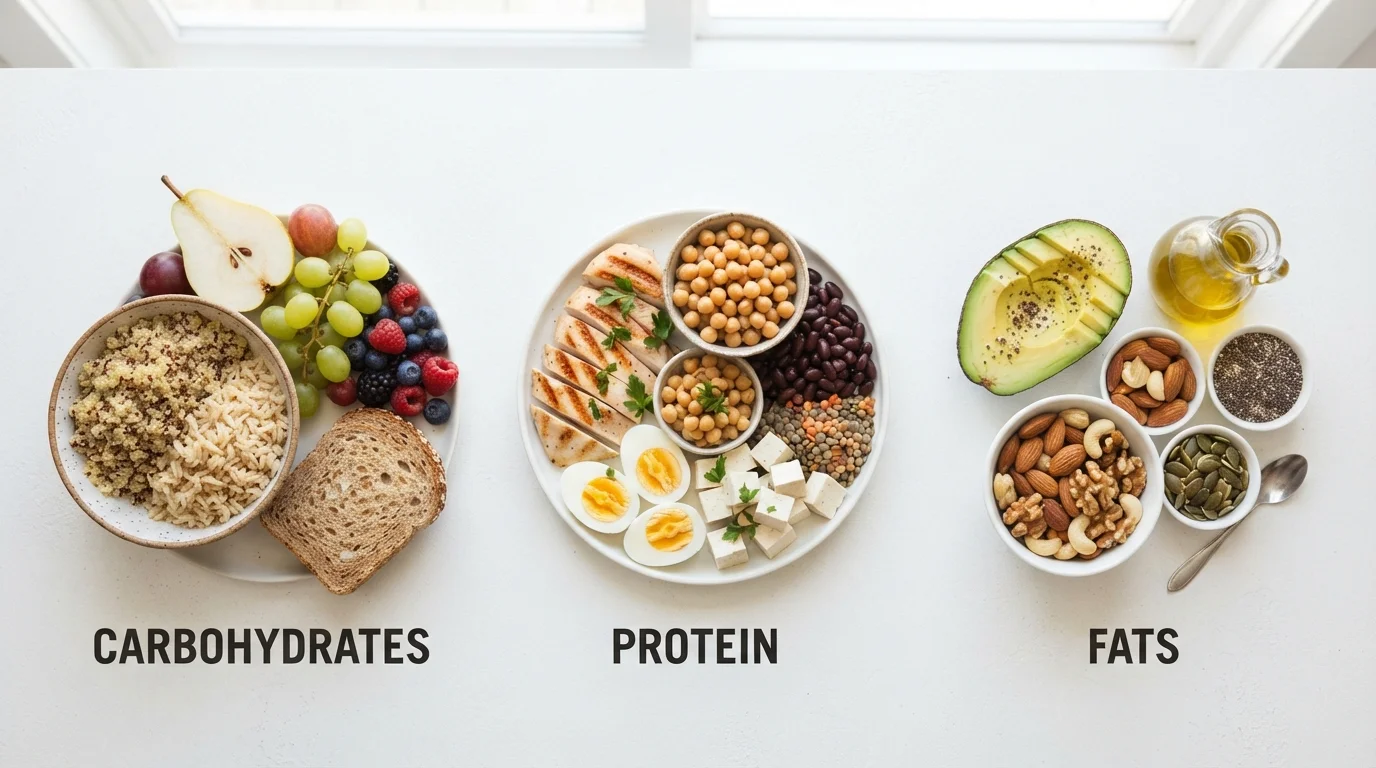
This article walks through five of the most entrenched nutrition myths, explains what the evidence actually shows, and offers a clearer framework for thinking about food. For a deeper look at how carbohydrates, protein, and fat each serve distinct roles in the body, see our macronutrients explainer.
This content is for general informational purposes only and is not a substitute for personalized nutrition or medical advice. Consult a registered dietitian or qualified healthcare professional for guidance tailored to your health needs.
Myth
Carbohydrates make you fat, so cutting them is the key to weight loss.
Fact
Carbohydrates are not inherently fattening; excess total calorie intake — from any macronutrient — drives fat storage.
The idea that carbohydrates are uniquely responsible for weight gain became mainstream during the low-carb diet wave, but it misrepresents how energy metabolism works. The body can store excess calories from carbohydrates, fat, or protein as body fat. What distinguishes carbohydrate-rich foods in terms of health outcomes is largely their quality: refined carbohydrates with little fiber (white bread, sugary drinks) affect blood sugar differently than whole grains or legumes. Research reviews, including analyses published in nutrition and obesity journals, consistently show that low-carb and low-fat diets produce comparable long-term weight outcomes when total calories and adherence are accounted for. Eliminating carbs is not a metabolic requirement for weight management.
Myth
Detox diets and cleanses flush toxins from your liver and reset your system.
Fact
The liver, kidneys, and digestive system continuously filter waste products; no commercial cleanse has been shown to enhance this process.
The term "detox" as used in commercial products and juice cleanses is not a recognized medical or physiological process. Your liver converts harmful substances into water-soluble compounds that the kidneys excrete — this happens around the clock without dietary intervention. Registered dietitians and gastroenterologists note that there is no peer-reviewed clinical evidence demonstrating that any commercially sold detox product removes specific toxins, improves liver function, or provides benefits beyond what a balanced diet already supports. Some cleanses are very low in calories and may cause short-term weight loss (mostly water), but this is not detoxification. If liver function is a genuine health concern, that warrants a conversation with a physician — not a juice regimen.
Myth
Eating dietary fat makes you gain body fat.
Fact
Dietary fat is an essential macronutrient; fat gain is driven by overall energy surplus, not fat consumption alone.
Low-fat diet messaging from the 1980s and 1990s left a lasting impression that dietary fat and body fat are the same thing — they are not. Fat is essential for absorbing fat-soluble vitamins (A, D, E, and K), supporting cell membrane integrity, and producing hormones. The type of fat matters: unsaturated fats found in olive oil, nuts, and fatty fish are associated with favorable cardiovascular markers in population studies, whereas high intake of trans fats (now largely removed from the US food supply) was consistently linked to harm. Replacing fat with refined carbohydrates — as many low-fat processed foods did — did not produce the health improvements that were anticipated. A calorie surplus from any source contributes to weight gain; dietary fat alone is not the culprit.
Myth
Skipping breakfast slows your metabolism and leads to overeating later.
Fact
Breakfast timing does not universally affect metabolism; individual responses vary significantly based on lifestyle and biology.
The claim that breakfast is the most important meal of the day has been repeated so often it feels like physiology — but it's closer to a cultural norm than a metabolic law. Research on breakfast and weight outcomes is mixed. Some studies suggest that people who eat breakfast tend to have more stable eating patterns overall, but this may reflect lifestyle factors rather than a causal effect of the meal itself. Emerging research on time-restricted eating suggests that skipping breakfast can be compatible with healthy outcomes for many people. Metabolic rate does not meaningfully drop from missing one morning meal. Individual preferences, hunger patterns, and health conditions all influence whether breakfast helps or hinders — there is no single answer that applies to everyone.
Myth
Certain 'superfoods' can protect your health regardless of your overall diet.
Fact
No individual food has the ability to compensate for an otherwise poor dietary pattern; overall diet quality is what matters.
The term "superfood" is a marketing category, not a nutritional classification. Foods labeled as such — blueberries, kale, acai, turmeric, and others — can be genuinely nutritious and worth including in a varied diet. But the scientific evidence does not support the idea that any single food confers protection against disease independent of everything else a person eats. Dietary patterns studied in large epidemiological research, such as Mediterranean-style or DASH-style diets, achieve their associations with health outcomes through diversity and overall composition — not through reliance on any one ingredient. Adding a "superfood" to an otherwise high-sugar, low-fiber diet is unlikely to produce meaningful health benefits. The whole pattern matters far more than any individual component.
What Evidence-Based Eating Actually Looks Like
Cutting through nutrition myths doesn't mean every meal needs to be perfectly optimized. Research consistently shows that dietary patterns — what you eat over weeks and months — matter far more than any single food or nutrient. A diet rich in vegetables, whole grains, legumes, lean proteins, and healthy fats provides a strong foundation, regardless of whether it includes occasional processed foods or dietary fat.
7%
Americans meeting daily fiber recommendations
Research published in the American Journal of Lifestyle Medicine estimates that only about 7% of U.S. adults consume adequate dietary fiber.
~36%
U.S. adults consuming a poor-quality diet
CDC and NHANES data consistently show that a significant share of American adults fall short of federal dietary guidelines across multiple food groups.
2x
Comparable weight loss: low-carb vs. low-fat
Meta-analyses in journals such as JAMA and The Lancet have found no significant long-term weight difference between low-carbohydrate and low-fat diets when adherence is controlled.
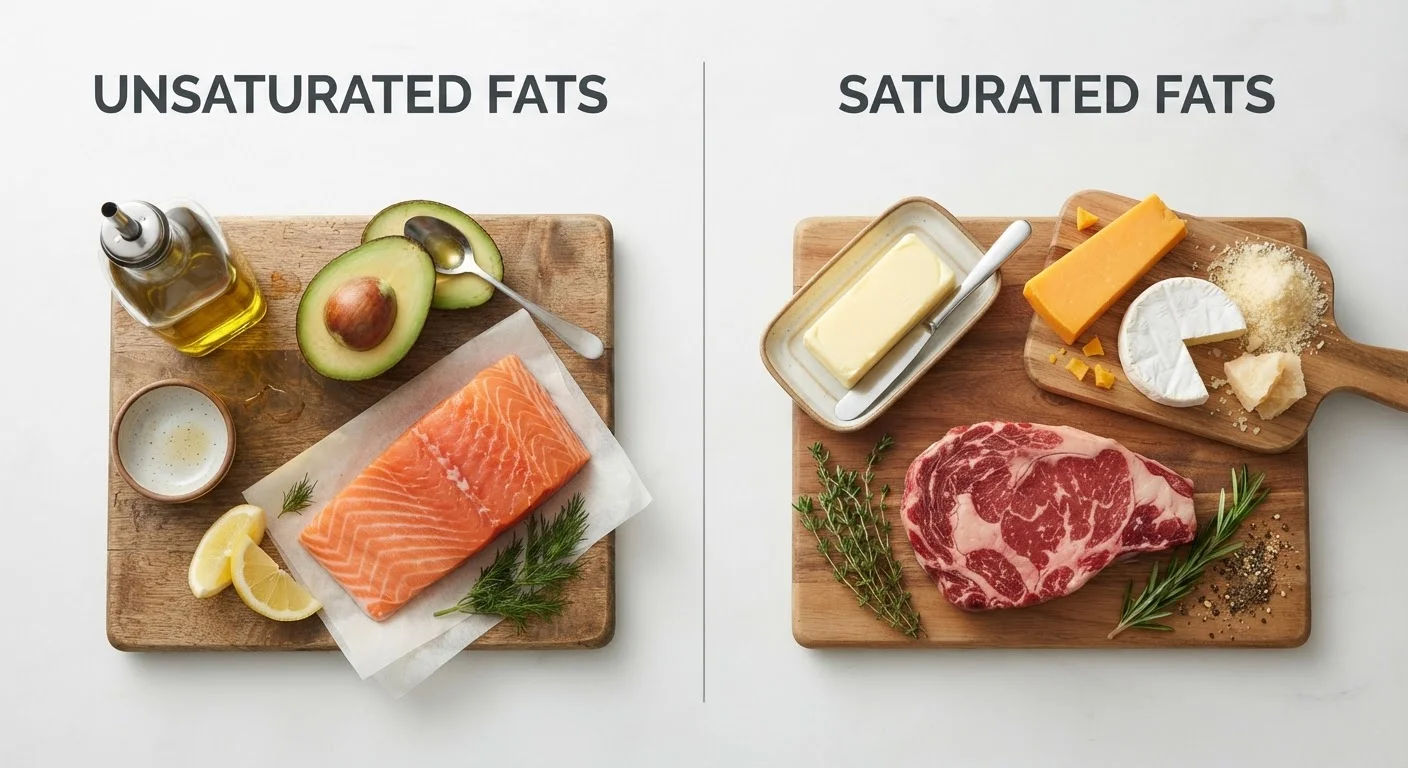
Fiber is one frequently overlooked pillar of this pattern. Dietary fiber supports gut health, blood sugar regulation, and satiety — yet most Americans consume well below recommended amounts. Similarly, understanding the difference between saturated and unsaturated fats can sharpen food decisions without requiring fear of entire macronutrient groups. Our article on the dietary fat debate unpacks this distinction clearly.
Practices like intermittent fasting have attracted research attention, though evidence on long-term outcomes remains mixed and individual responses vary. If you're exploring changes to your eating habits, the most durable approach is one grounded in whole foods, adequate variety, and guidance from a qualified professional rather than any single trending rule. Nutrition myths thrive in the absence of nuance — the antidote is asking for evidence, not just authority.
Extreme Dietary Restrictions Carry Real Risks
Eliminating entire food groups based on myths — such as avoiding all carbohydrates or all fats — can lead to nutrient deficiencies over time. Restrictive diets that are not medically supervised may also contribute to disordered eating patterns. Before making major changes to how you eat, especially if you have a chronic health condition, consult a registered dietitian or your primary care provider.