
Grooming as a Health Check, Not Just Upkeep
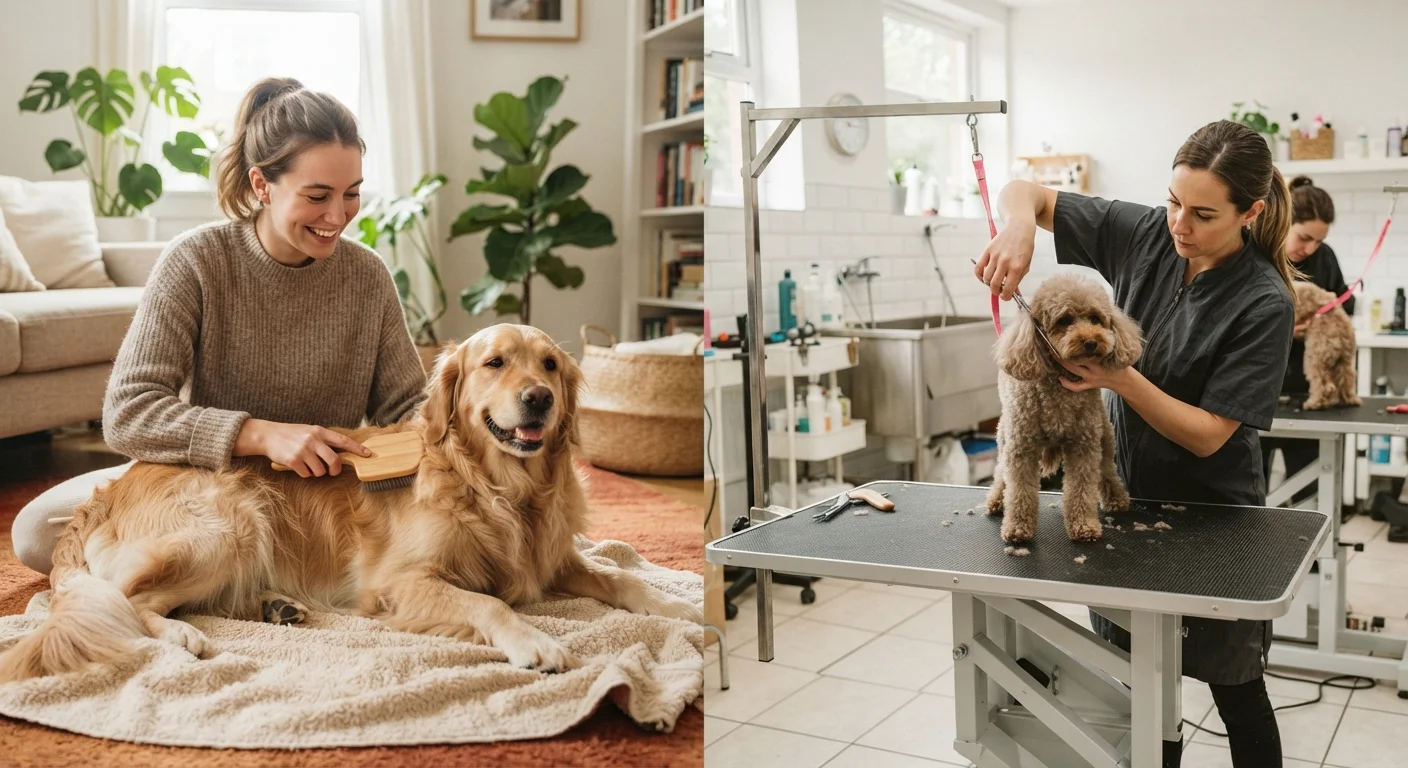
Regular grooming keeps your pet comfortable and well-maintained, but its value goes considerably beyond appearances. Each brushing session, ear check, or paw inspection is a hands-on opportunity to assess your pet's overall condition — feeling for new lumps, noticing changes in skin texture, and catching small problems before they become larger ones. Many owners first detect signs of parasites, early infection, or minor injuries during routine grooming rather than at the veterinarian's office.
This dual function — routine upkeep plus informal health monitoring — is what makes consistent grooming habits so worthwhile. A pet you handle regularly is a pet whose normal state you know well, which makes any deviation easier to recognize and act on promptly. For a practical comparison of approaches, see our overview of at-home versus professional grooming.
~80%
Pets with dental disease by age 3
Veterinary dental organizations note that the majority of dogs and cats develop some degree of periodontal disease by the time they reach age 3.
Top 5
Ear infections among most diagnosed dog conditions
Otitis externa — infection of the outer ear canal — consistently ranks among the top five most frequently diagnosed conditions in dogs at veterinary clinics.
The Core Grooming Habits
The practices below apply to most dogs and cats, though ideal frequency varies by coat type, breed, life stage, and individual needs. Long-haired animals — such as golden retrievers, Maine coons, or Maltese — generally require more frequent brushing than short-haired breeds. When you're unsure about the right schedule for your specific pet, a veterinarian or professional groomer can help you determine a realistic cadence.
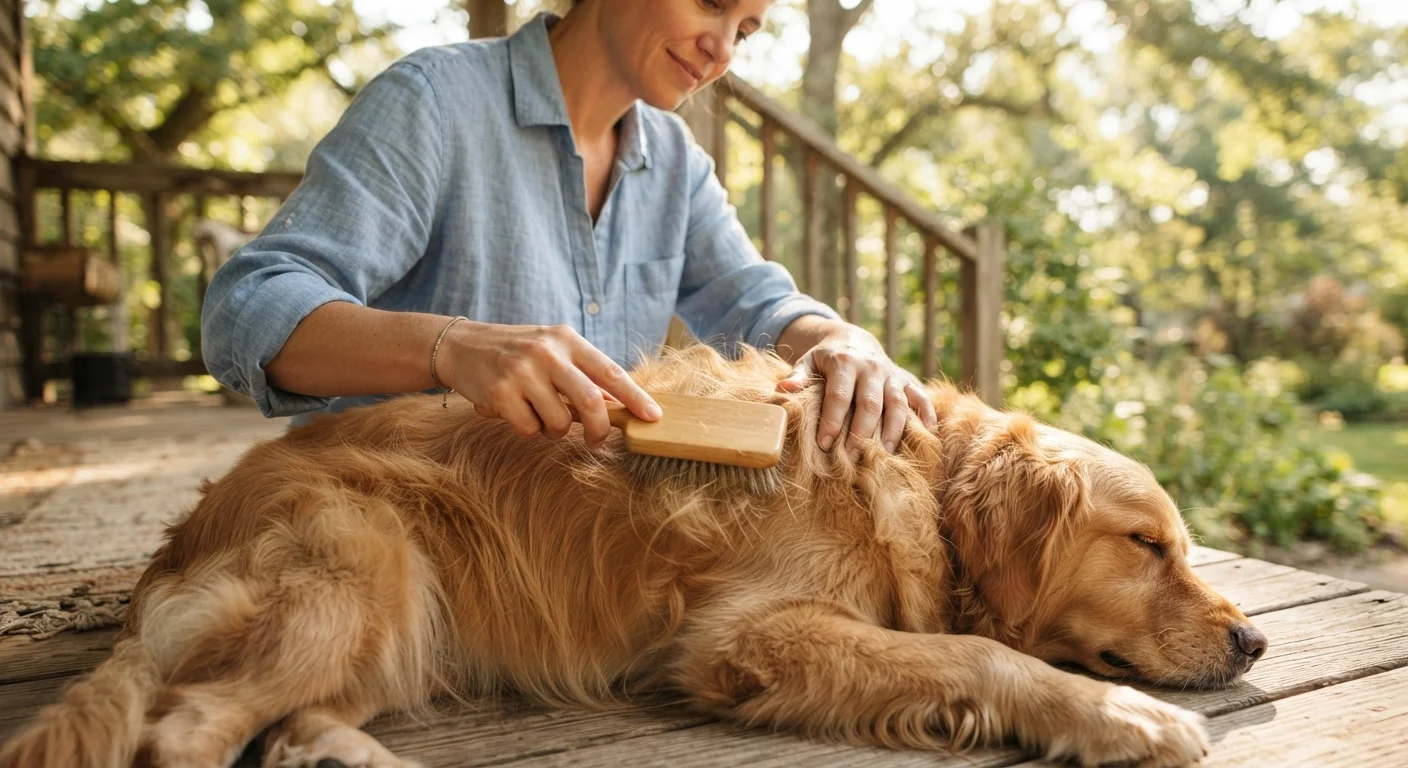
Brush your pet's coat at least several times a week, adjusting frequency based on coat length and type.
Regular brushing removes loose fur, prevents painful matting, and helps distribute natural skin oils throughout the coat. It also provides consistent physical contact that makes it easier to notice unusual lumps, bumps, or skin changes as they develop.
Check your pet's ears weekly and clean gently only when there is visible buildup.
The ear canal can accumulate moisture, wax, and debris — conditions that create an environment for yeast or bacterial infections. Routine visual checks let you catch early signs of infection, such as redness, odor, or dark discharge, before they worsen and require more involved treatment.
Trim your pet's nails every three to four weeks to maintain a healthy length.
Overgrown nails force an unnatural stance and gait, and in severe cases can curve into the paw pad — causing pain and potential infection. Maintaining appropriate nail length supports comfortable movement and prevents cumulative structural discomfort.
Brush your pet's teeth daily or at minimum several times per week using pet-safe toothpaste.
Consistent brushing removes plaque before it hardens into tartar and significantly slows the progression of periodontal disease. Human toothpaste contains ingredients harmful to pets, so only products specifically formulated for animals should be used.
Inspect your pet's paws after every outdoor outing.
Paws can pick up debris, small cuts, foxtails, and irritating substances that may cause infection or discomfort if not addressed promptly. The skin between the toes and the paw pads themselves can crack, bleed, or harbor embedded material without obvious outward signs.
Monitor eye discharge and wipe gently around the eyes as needed.
A small amount of eye discharge is normal for many pets, but regular accumulation can irritate surrounding skin and create conditions for bacterial growth. Tracking changes in volume or color helps distinguish normal discharge from signs that warrant veterinary attention.
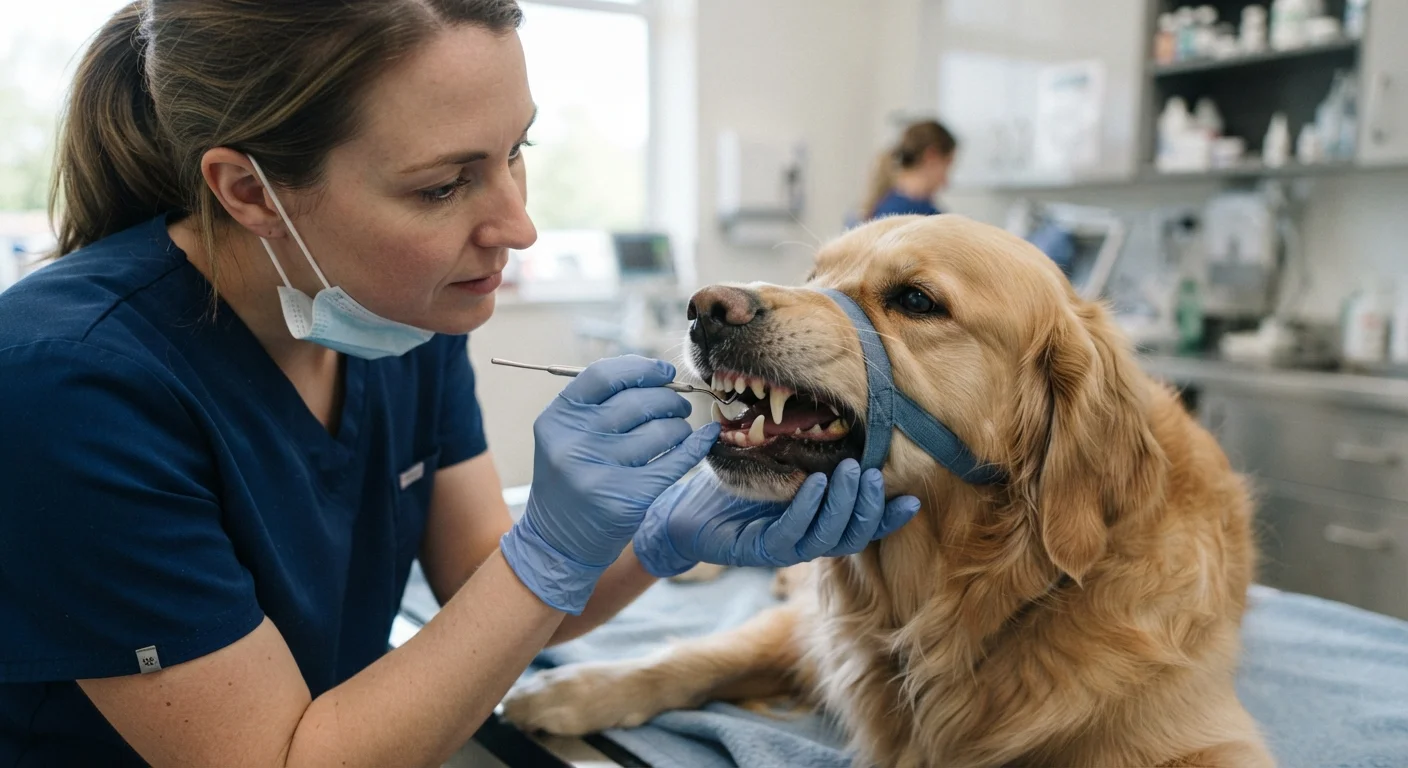
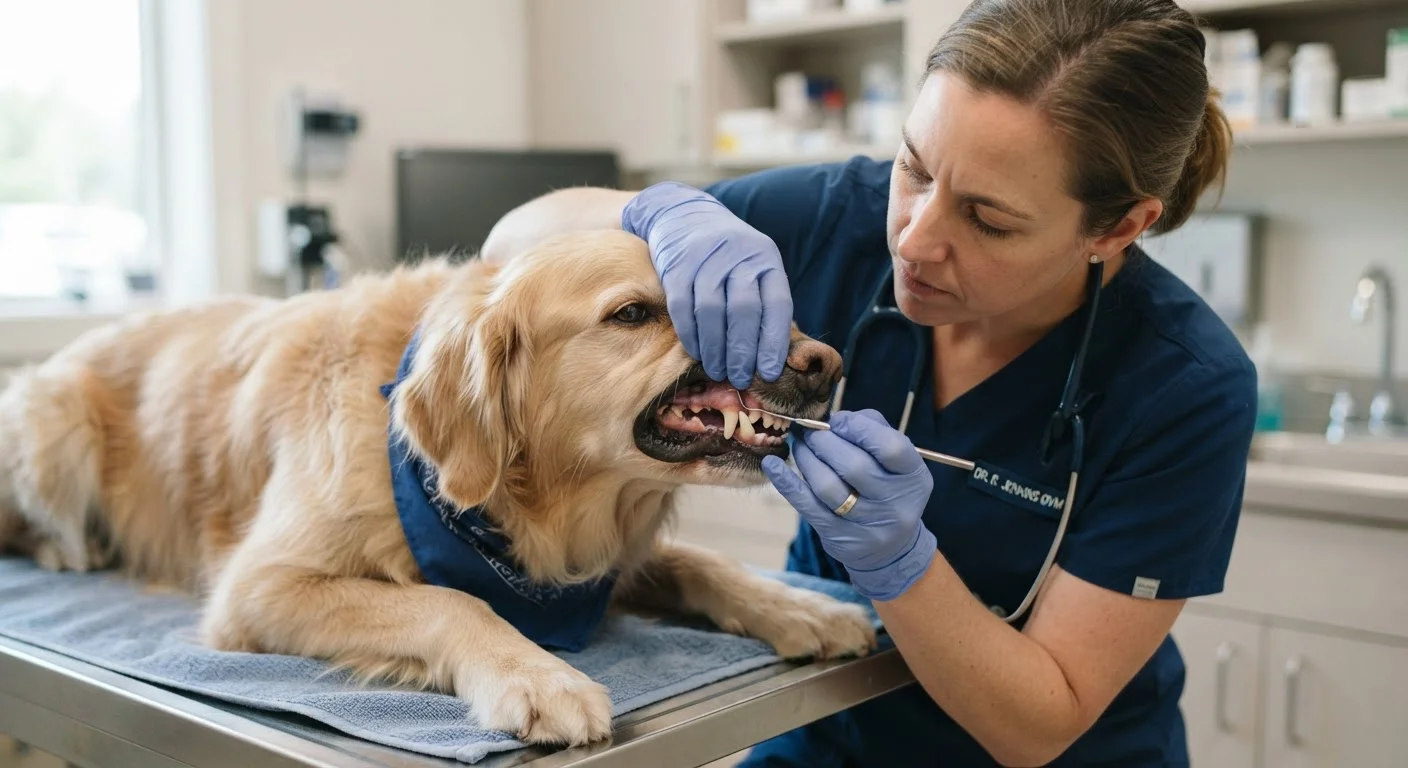
Dental care deserves particular attention in any grooming routine. Periodontal disease — infection and inflammation of the tissues that support the teeth — is among the most commonly diagnosed conditions in veterinary practice and one of the most preventable with consistent at-home care. Our guide on pet dental care covers what owners need to know to get started, and our companion piece on dental disease in pets explains why oral health matters far beyond the mouth.
Building the Routine Into Your Day
You don't need a professional-grade setup to build an effective grooming routine. Most essential tools are straightforward to use once you've learned the right technique. For most owners, the harder part is consistency, not equipment.
A practical approach: attach grooming tasks to habits you already have. A paw check after evening walks, a quick ear glance during morning handling, and a brief coat brush at a set time each day adds up to meaningful preventive care without requiring dedicated extra time. Annual wellness exams are also an ideal time to ask your veterinarian for hands-on demonstrations of nail trimming or ear cleaning, especially if you're new to those tasks.
Knowing When to Contact Your Veterinarian
Even careful at-home grooming has limits. If a session reveals something concerning — a new lump beneath the skin, persistent ear odor, cracked or bleeding paw pads, or a coat that has become unusually dull or patchy — contact your veterinarian rather than waiting for the next scheduled appointment. Findings made during grooming are a legitimate and common reason to call.
Older pets often benefit from more frequent grooming checks, as coat quality, skin moisture, and nail growth patterns can shift with age. Regular coat and skin inspections also complement year-round parasite prevention, since fleas and ticks are not strictly seasonal in most U.S. climates.
When Grooming Raises a Concern
If you notice anything unusual during a grooming session — a new lump beneath the skin, persistent odor from the ears, unusual discharge, or sensitivity when being touched in a specific area — contact your veterinarian rather than waiting for the next routine visit. These findings are worth a prompt call. Early detection of most conditions is associated with simpler, more effective treatment options.
This article is for general informational purposes only and is not a substitute for professional veterinary advice. Always consult a licensed veterinarian about your individual pet's health needs.