

Why the Listing Process Catches Sellers Off Guard
Selling a home for the first time feels straightforward in theory: set a price, put it on the market, accept an offer. In practice, the listing process involves legal obligations, buyer psychology, market timing, and financial calculations that most people have never navigated before.
Unlike buying, where you're largely responding to what exists, selling requires active decisions at every stage — many of which carry real consequences if handled poorly. Understanding where first-time sellers most often stumble can save time, money, and unnecessary stress. For context on how listing details are perceived from the other side of a transaction, see what buyers often overlook in a property listing.
Pricing the home based on personal sentiment rather than comparable sales data.
Why it happens: Sellers have an emotional connection to their home and often anchor price expectations to what they originally paid, the renovations they completed, or what they feel the home is worth.
Underestimating the depth and importance of seller disclosure requirements.
Why it happens: Many first-time sellers assume disclosure means mentioning only obvious defects, or they don't realize how many conditions — from aging roof materials to past insurance claims — may be legally required to be disclosed.
Neglecting professional photography and basic staging before going live.
Why it happens: Sellers often assume buyers will look past clutter or poor lighting to see a home's potential, or they want to avoid spending money before receiving any proceeds.
Expecting the process to move faster than it typically does.
Why it happens: Sellers often focus on the date they want to move and work backward, not accounting for inspection periods, financing contingencies, appraisal timelines, and escrow procedures.
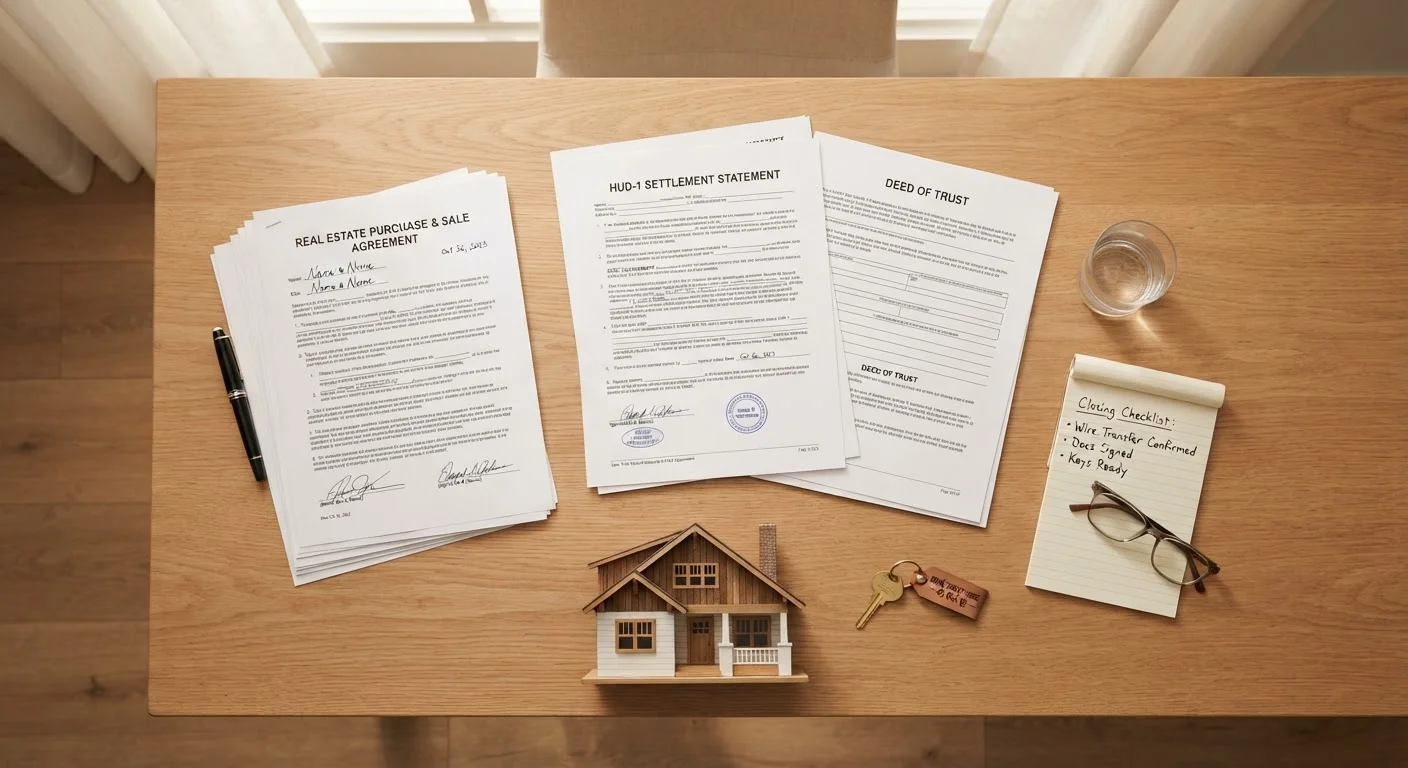
Overlooking the full cost of selling when calculating expected net proceeds.
Why it happens: Sellers frequently focus on their sale price without factoring in agent commissions, transfer taxes, title fees, prorated property taxes, and potential repair concessions negotiated after inspection.
Setting Yourself Up for a Smoother Sale
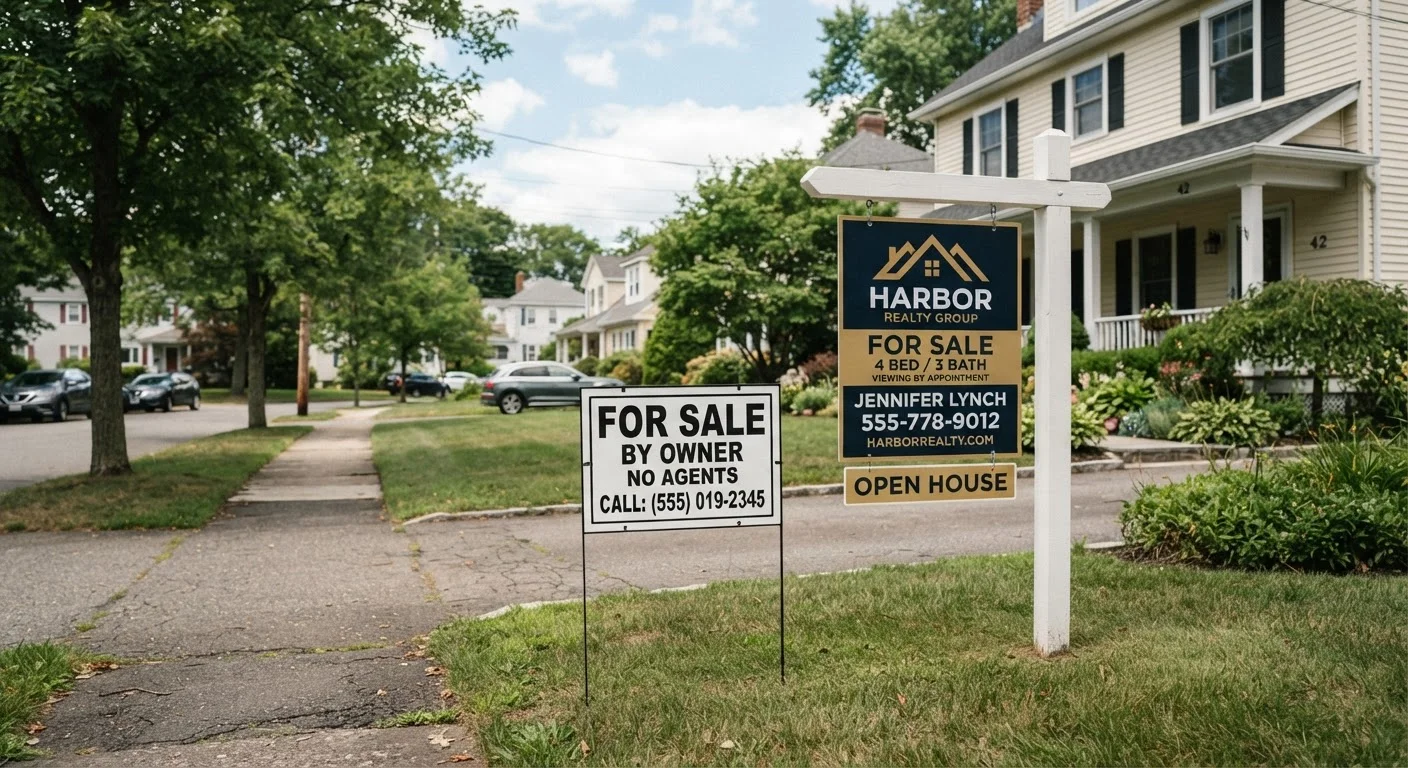
Most listing mistakes are avoidable with preparation and realistic expectations. Working with a licensed real estate professional — whether a full-service agent or, if you choose to list independently, a flat-fee arrangement — means you have guidance on pricing, paperwork, and presentation before problems arise.
Disclosure Errors Can Have Legal Consequences
Every state has its own seller disclosure laws, and failing to disclose known material defects — such as water intrusion, foundation issues, or past pest infestations — can expose sellers to lawsuits after closing. Review your state's specific disclosure forms with a real estate attorney or licensed agent before signing. When in doubt, disclose: courts have consistently ruled that omission can be treated as misrepresentation.
Sellers who treat the listing process as a series of informed decisions rather than a single transaction tend to navigate it with fewer surprises. If you're still early in the process and want to understand the broader landscape of the US market, this grounded introduction to real estate search covers core concepts and terminology worth knowing.
This article is for general informational purposes only and does not constitute legal, financial, or real estate advice. Consult a licensed real estate professional or attorney for guidance specific to your situation and state.