
The Lessons Most Wardrobes Had to Teach the Hard Way
Most people don't sit down one day and decide to build a thoughtful wardrobe. Instead, style knowledge accumulates slowly — through the blouse that shrank in the wash, the trendy jacket worn twice and donated, the suit that fit perfectly in the shoulders but pulled everywhere else. These are expensive and frustrating ways to learn, but they're remarkably common.
The good news is that the underlying principles aren't complicated once someone lays them out plainly. Whether you're starting a wardrobe from scratch or rethinking what you already own, the lessons below cover the fundamentals most people wish they'd understood much earlier.
Fit is the single biggest factor in how clothes look
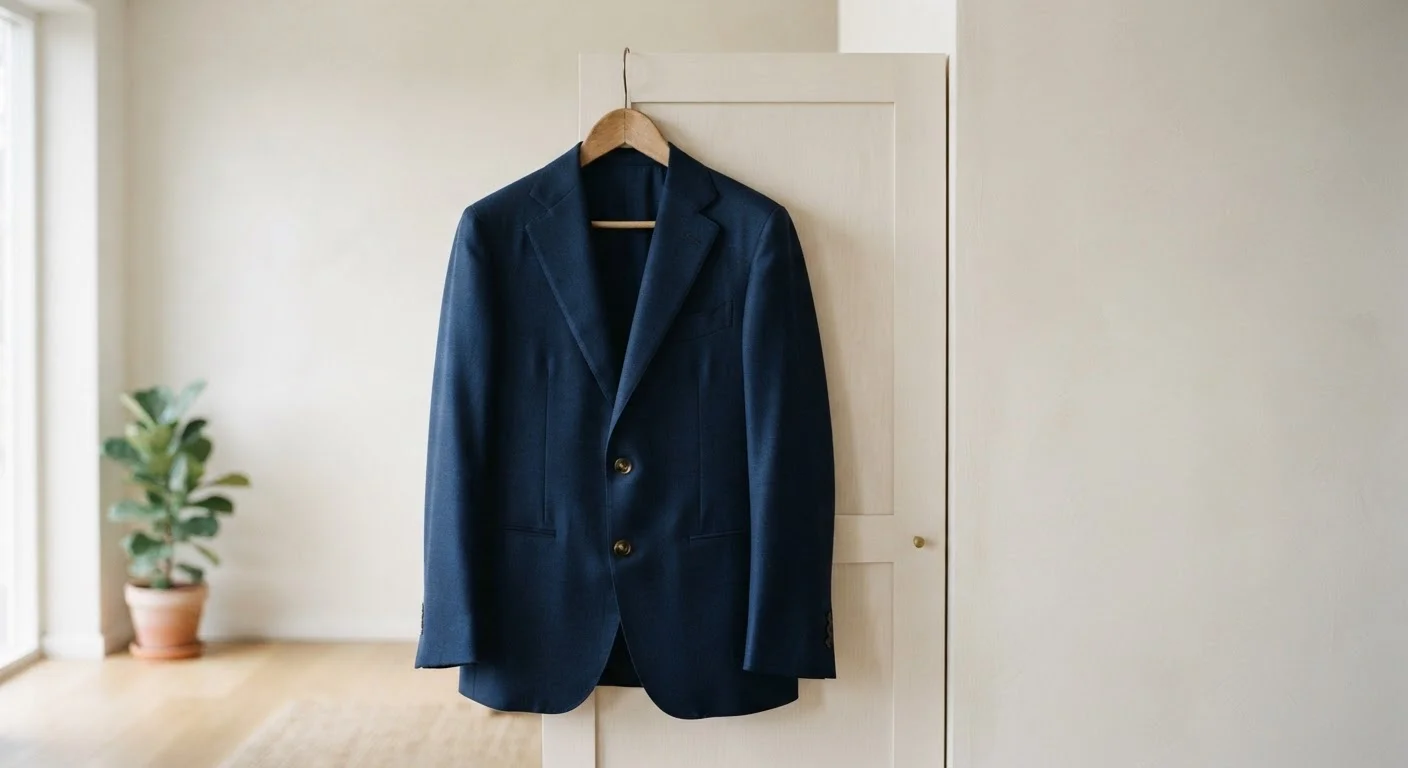
Most people have worn something technically in their size that still looked or felt off — and something outside their usual size that felt exactly right. Sizing labels are not standardized across brands or countries, and they never have been. What matters is whether the garment fits your body at the key structural points: shoulders, chest, and hips.
A well-fitted garment in an inexpensive fabric will nearly always look more put-together than an ill-fitting one in a premium material. Understanding why fit matters more than brand or price is often the single biggest shift people make in how they approach clothing.
A well-fitted inexpensive garment almost always looks more polished than an ill-fitting expensive one.
Care labels exist for a reason — and ignoring them is costly
The small tag sewn into a seam contains real instructions based on how the fabric is constructed. Washing a wool sweater in hot water, or machine-drying a garment marked "lay flat to dry," can permanently alter its shape and texture in a single cycle. The result is an item that fits differently, pills faster, or loses its colour far sooner than it should.
Taking thirty seconds to check a label before washing a new piece — and adjusting your laundry habits accordingly — extends the useful life of clothing significantly. For anyone wondering whether price predicts durability, the relationship between cost and longevity is more complicated than most assume.
Ignoring a care label can permanently damage a garment in a single wash cycle.
Trend-first shopping quietly undermines a functional wardrobe
Trend cycles move faster than most people's purchasing cycles, which means a heavily trend-driven wardrobe tends to feel dated before it wears out. Items bought primarily because they were popular at the time often lack the versatility to mix with anything else in the closet — making them appear less frequently and justify their cost less fully.
This doesn't mean avoiding anything current. It means anchoring a wardrobe in pieces with longer staying power and treating trend items as occasional additions rather than the foundation. Trend-first shopping habits can quietly undermine a wardrobe's function in ways that only become obvious over time.
Trend-driven pieces rarely integrate well with the rest of a wardrobe — and date faster than expected.
Proportion and silhouette matter more than body type rules
For decades, style advice has centred on body "types" and prescriptive rules about what each shape should or shouldn't wear. In practice, what most of this advice is really pointing at is proportion — how the visual weight of a garment interacts with the wearer's frame. Understanding proportion gives you a much more flexible and personal toolkit than a checklist of dos and don'ts.
What body shape dressing rules are really saying comes down to proportion, balance, and personal preference — not rigid categories.
Most body-shape dressing rules are really about proportion — a concept far more flexible and personal.
A few versatile pieces outperform a large, disjointed wardrobe
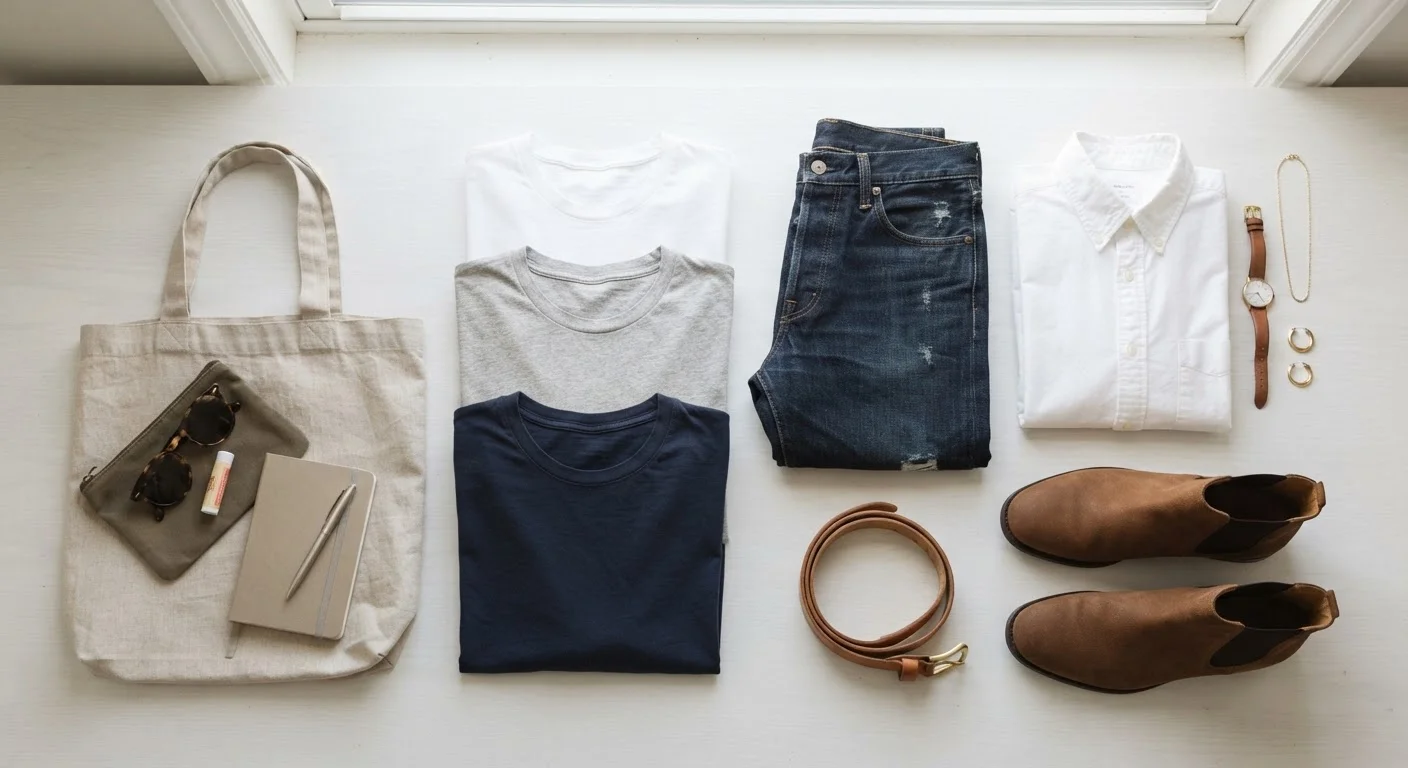
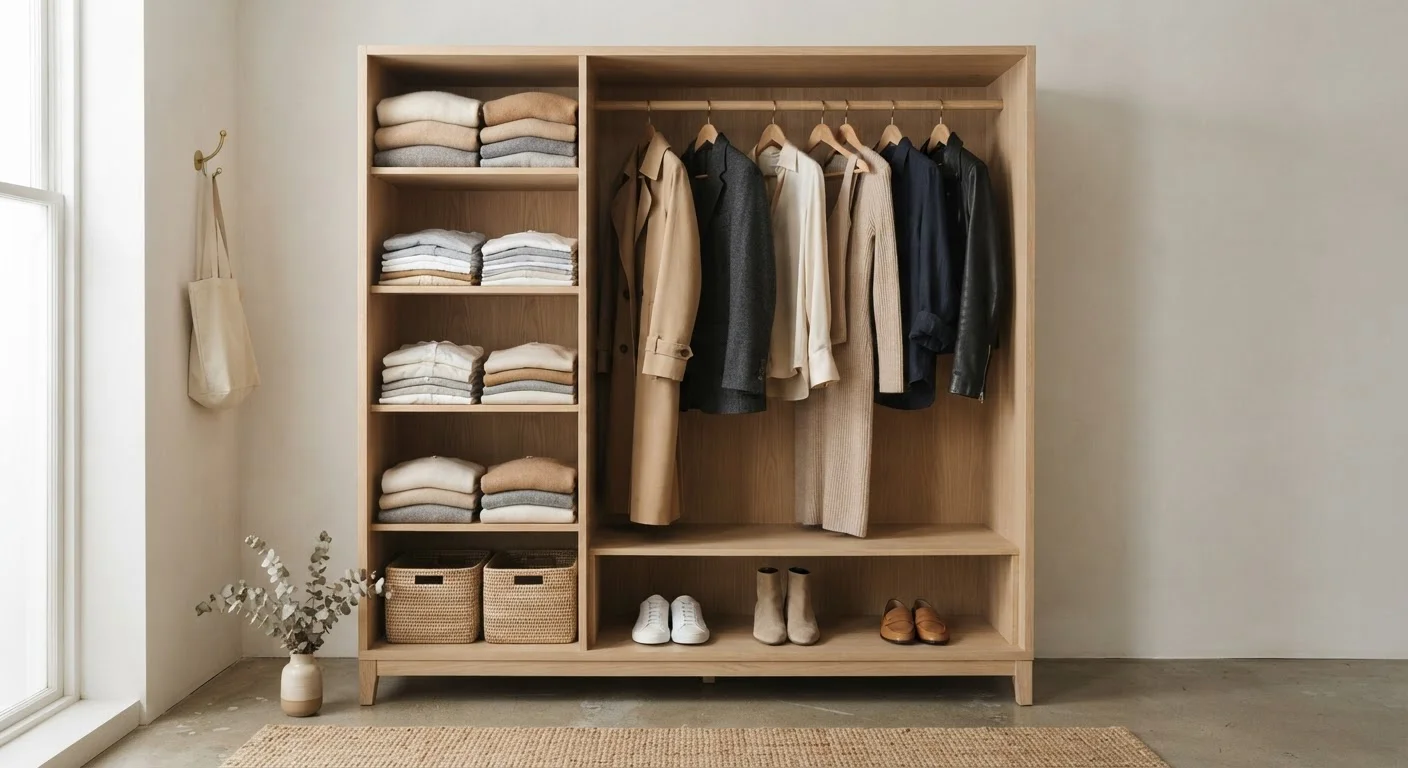
More clothing does not automatically mean more outfits. A closet full of pieces that don't coordinate with each other offers surprisingly few practical combinations. By contrast, a smaller collection of items chosen to work together — in compatible colours, similar formality levels, and complementary silhouettes — multiplies outfit options without multiplying cost or clutter.
This is the core logic behind a capsule-style approach to dressing. It doesn't require minimalism for its own sake; it requires intentionality about what earns a place in the wardrobe. Some foundational pieces genuinely justify a higher upfront cost because of how frequently and versatilely they get used.
A smaller, coordinated wardrobe typically delivers more usable outfits than a large, mismatched one.
Buying to fill gaps beats buying what catches your eye in the moment
Impulse purchases — even deeply discounted ones — tend to cluster around whatever happened to be available or visually appealing at the time, not around what the wardrobe actually needs. Over time, this creates an imbalance: too many statement pieces and not enough basics, or multiples of the same item alongside gaps in everyday essentials.
Before buying anything, it helps to ask: does this fill a genuine gap, or does it add to a category already well-covered? That mental check, applied consistently, is one of the most effective habits for building a wardrobe that feels complete rather than crowded.
Buying to fill genuine wardrobe gaps is consistently more effective than shopping on impulse.
Putting It Into Practice
None of these lessons require a large budget or a fashion background. They require slowing down, paying attention to what you already own, and making more deliberate choices going forward. A wardrobe that actually works for your life is built gradually — not by shopping more, but by shopping smarter.
Start With What You Already Own
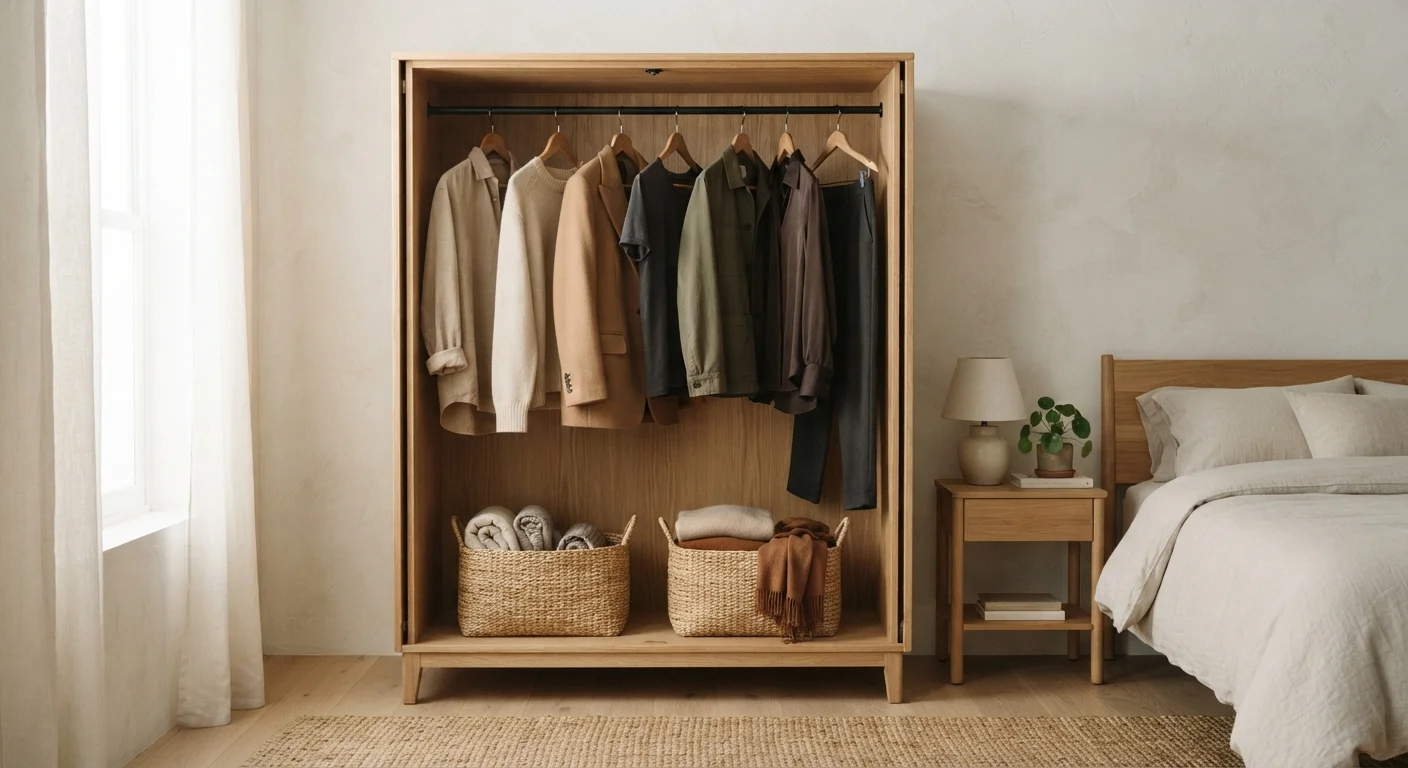
Before shopping for anything new, audit what's currently in your wardrobe. Pull out items you haven't worn in over a year and ask honestly why — poor fit, wrong occasions, or impulse purchase? Identifying these patterns is more valuable than any shopping list, and it often reveals gaps that are easy and affordable to fill.
If one theme runs through all of these lessons, it's that intentionality beats volume. The goal isn't a full closet — it's a useful one. For a practical framework on doing exactly that, see how fewer pieces can create more outfit combinations than most people expect.