
Why More Clothes Often Means Fewer Outfit Options
It sounds counterintuitive, but a closet overflowing with clothes often produces decision fatigue, not variety. When garments don't coordinate with one another, each piece becomes an island — wearable only in one specific combination, if at all. The result is that most people rotate through a small fraction of what they own while the rest hangs unworn.
Research into consumer behavior consistently shows that wardrobe utilization rates are surprisingly low. Many owned garments go unworn for months at a time, not because the owner dislikes them, but because they don't fit into any working combination with the rest of the closet.
This is often the outcome of trend-first shopping habits, where individual pieces are purchased for a single moment or look rather than for how they integrate with existing items. A truly versatile wardrobe is built differently — from the combination outward, not the item inward.
~20%
Clothes worn regularly from an average closet
Studies on consumer wardrobe usage suggest most people regularly wear roughly a fifth of what they own, leaving the majority unworn.
25+
Outfit combinations from just 10 coordinated pieces
Five mutually compatible tops paired with five mutually compatible bottoms yield 25 distinct top-and-bottom combinations before layering is added.
3x
Versatility increase from layering pieces
Adding three layering items (blazer, cardigan, jacket) that work over any base outfit can roughly triple usable outfit count without purchasing new tops or bottoms.
The Math Behind Versatile Dressing
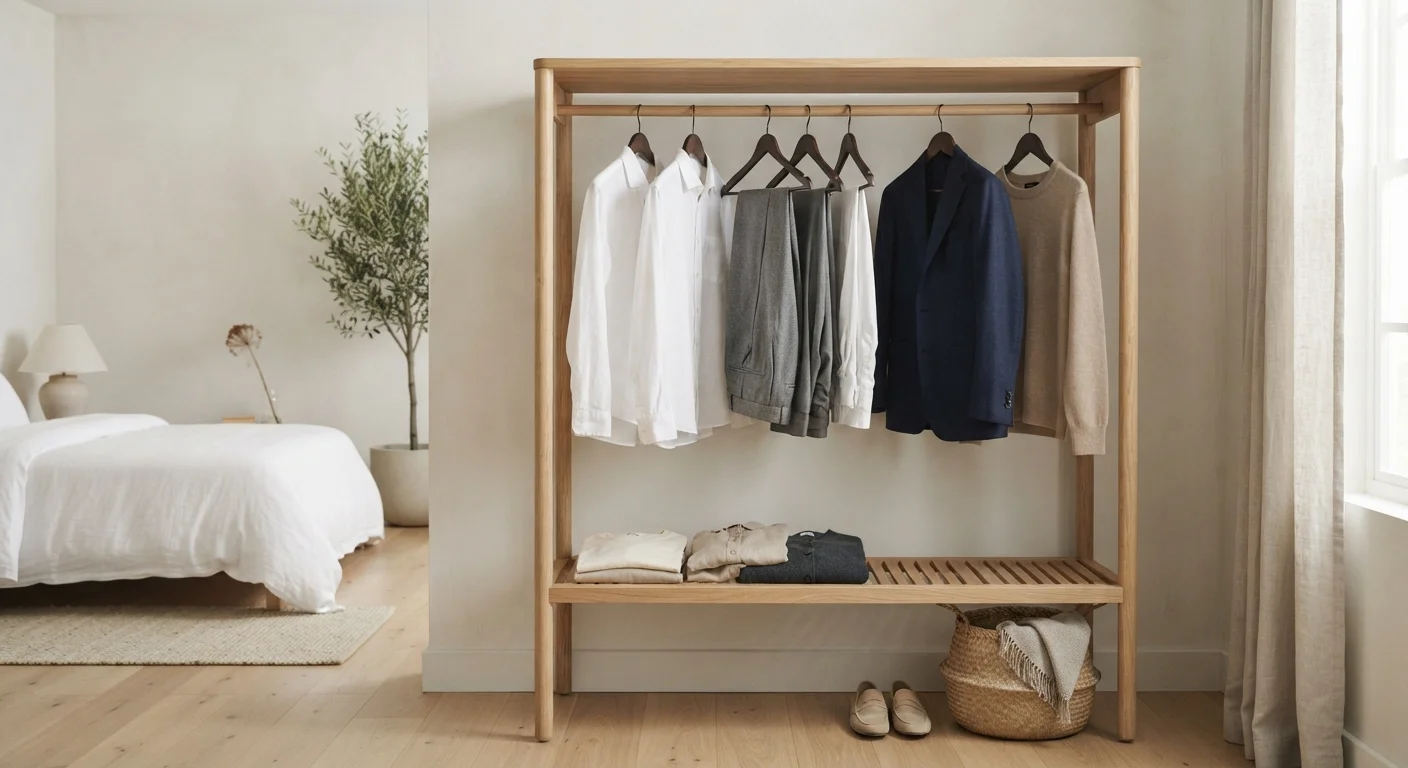
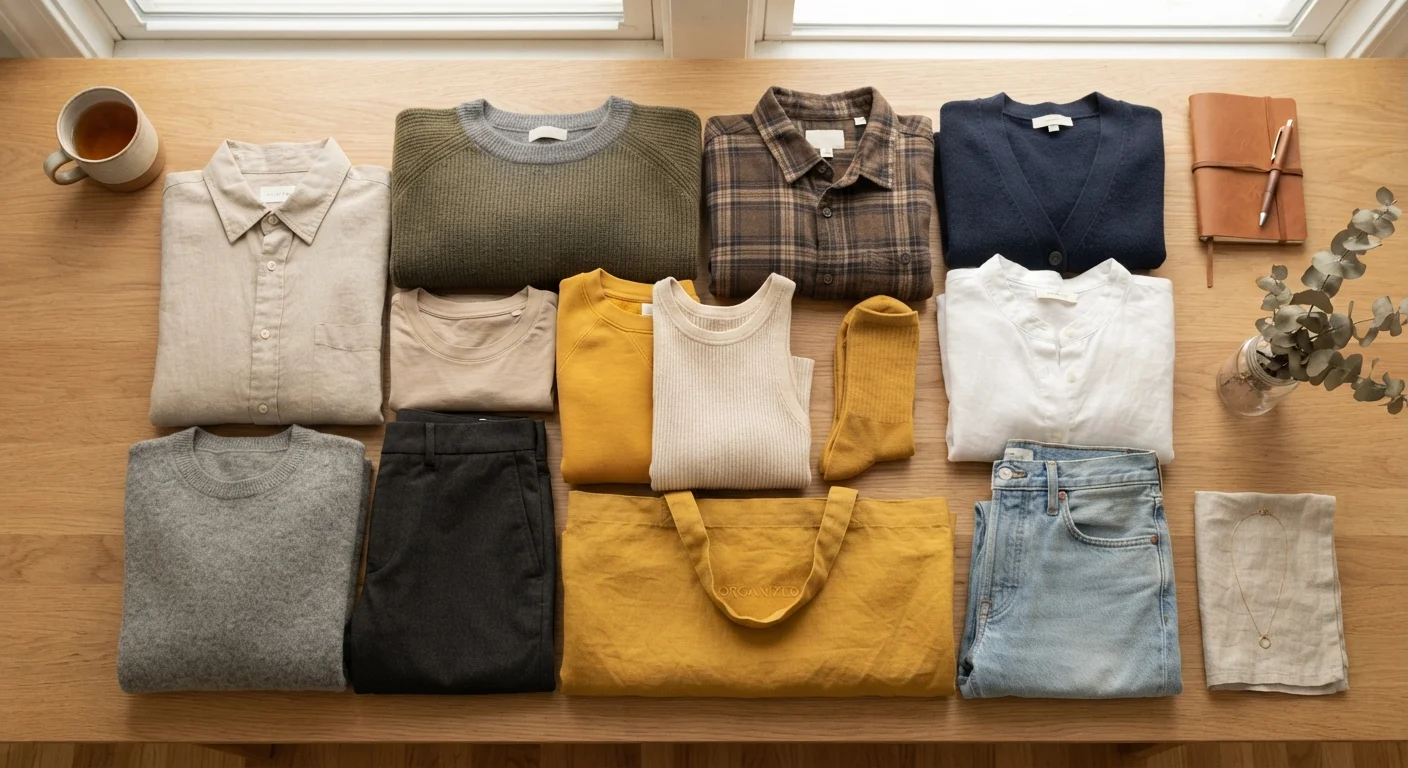
Wardrobe math is more encouraging than most people realize. If you own 5 tops and 5 bottoms that all coordinate with one another, you have 25 possible top-and-bottom combinations. Add 3 layering pieces that work over any of those combinations and you've expanded your options considerably — all from 13 garments.
The key multiplier is mutual compatibility. Each new piece you add should be able to combine with at least 70–80% of what you already own. A piece that only works with one other item is a dead end, not an addition. This principle is explored in depth in the capsule wardrobe framework, which applies exactly this logic to wardrobe building.
Accessories — scarves, belts, simple jewelry, different shoe choices — function as outfit multipliers that cost far less closet space than additional garments. Two outfits that share the same core pieces but differ in shoes, belt, and bag can read as distinctly different looks.
Before buying any new piece, hold it against five things already in your closet. If it coordinates with at least three or four of them, it earns its place.
This simple test enforces the mutual compatibility principle and prevents purchases that look appealing in isolation but create dead ends in actual use.
Build your accent colors around what you're already drawn to wear, not around seasonal palettes. Consistency in your accent colors makes every new purchase easier to integrate.
Accent colors that reflect your genuine preferences are ones you'll actually reach for, which keeps the whole wardrobe in active rotation rather than collecting unworn pieces.
Choosing Pieces That Work Together
The single most effective strategy for wardrobe versatility is color cohesion. A palette of two or three neutrals (such as navy, white, and tan) plus one or two accent colors ensures that nearly everything you own can be worn together. You don't need a formal color theory education — a basic understanding of complementary pairings is enough. Our guide on color coordination without a fashion degree walks through these principles clearly.
Beyond color, consider silhouette balance. A relaxed or oversized top tends to pair well with a more fitted or tapered bottom, and vice versa. Consistent silhouette logic makes getting dressed feel intuitive rather than effortful, because the visual grammar of your wardrobe is already established.
Fabric weight and finish also influence how pieces combine. Mixing textures — a smooth cotton shirt with a slightly textured chino, for example — adds visual interest without requiring different color families. A matte knit and a matte trouser, by contrast, can feel monotonous unless varied elsewhere.
Start With Your Neutrals, Then Add
Before evaluating any accent or statement piece, make sure your neutral base is solid — at minimum two or three bottoms and three or four tops in your chosen neutral palette. Once that foundation works as a self-contained wardrobe, adding accent pieces becomes genuinely expansive rather than fragmenting.
Building Your Core: What to Prioritize First
Not all wardrobe pieces carry equal versatility weight. Certain categories do far more combinatorial work than others and are worth prioritizing — and sometimes worth spending more on. A well-made trouser in a neutral shade, for instance, may be the single most outfit-generating item you own.
Our editorial team's guidance on wardrobe foundations worth spending more on identifies which categories tend to earn their cost over time through durability and versatility. Generally, that means bottoms, outerwear, and structured tops — pieces that anchor combinations and are seen across seasons.
Fit remains the non-negotiable factor across all of these. An inexpensive, well-fitting shirt produces better outfits than an expensive one that doesn't. As covered in our piece on why good fit matters more than brand or price, proportion and fit are the true determinants of how clothing looks — not price or label.
If you're starting from scratch or working within a limited budget, the guide to building a wardrobe on a tight budget provides a step-by-step sequence for acquiring the right pieces first.
Versatility Is Personal, Not Universal
What counts as a 'versatile' piece depends entirely on your own lifestyle, climate, and the occasions you actually dress for. A linen blazer may be a daily workhorse for someone in a warm, business-casual city and nearly useless for someone in a cold, outdoor-heavy environment. Build around your real life, not an idealized one.
Making It Work Across Occasions
A well-built versatile wardrobe should cover the actual range of your life — not just weekends or just the office. The goal is to have pieces that shift across contexts through minor adjustments: tucking in a shirt, swapping sneakers for loafers, adding or removing a layer.
For professional settings, the guide to navigating business casual demonstrates how the same core neutral pieces can be adapted to most workplace environments without maintaining a separate work wardrobe. This contextual flexibility is what separates a truly versatile piece from one that's limited to a single setting.
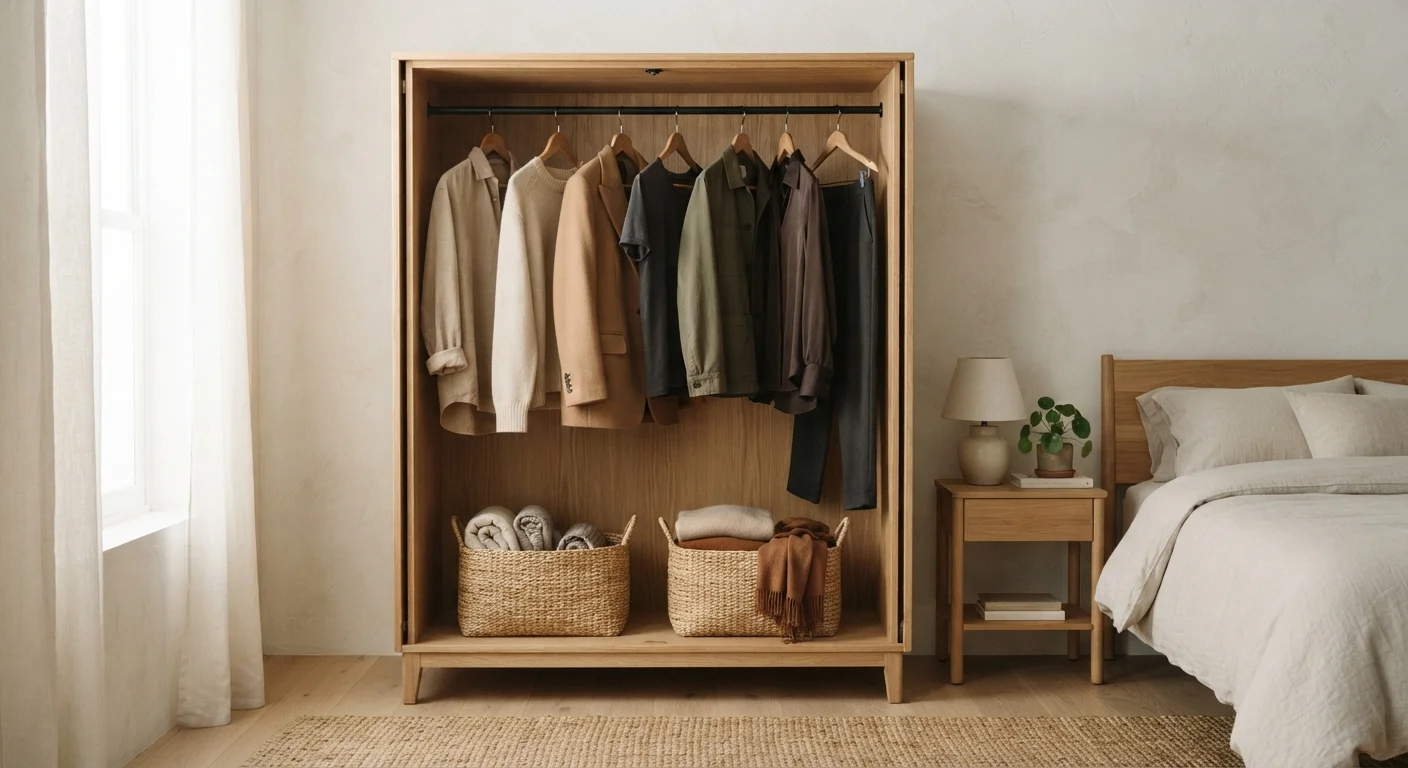
Seasonality also plays a role. Layering pieces — lightweight cardigans, structured blazers, denim jackets — extend the useful life of any base item across temperature changes. For a deeper look at how to handle seasonal transitions without doubling your wardrobe, see the discussion of seasonal versus year-round clothing tradeoffs.
Common Mistakes That Undermine Wardrobe Versatility
Even with the right principles in mind, a few recurring habits tend to fragment wardrobe cohesion. Recognizing them is the first step to avoiding them.
- Buying statement pieces without anchors: A bold printed shirt or a brightly colored blazer has limited combinations unless you own simple, neutral pieces that balance it. Statement items work best when the rest of the wardrobe is restrained.
- Ignoring proportion: Two oversized items worn together can overwhelm rather than complement. Learning basic proportion principles — covered in our article on dressing for your body shape — helps you build combinations that feel intentional.
- Duplicating rather than diversifying: Owning five nearly identical white shirts may feel like abundance but adds zero new combinations. Each piece added to a versatile wardrobe should open new outfit possibilities, not simply add redundancy.
- Neglecting care and maintenance: A garment that's faded, pilled, or misshapen stops working as hard as it should. Maintaining what you own — following care labels, storing items properly — preserves the combinatorial value of every piece.
Avoid Editing Your Wardrobe Too Aggressively at Once
Purging a large portion of your wardrobe in one session can leave gaps that lead to rushed, compensatory purchases — which often undermine cohesion more than the original clutter did. A gradual, intentional edit over several weeks allows you to identify true gaps versus items you simply haven't styled creatively yet.
The same editorial philosophy that applies to clothing applies equally to other categories. Our guide on the minimalist makeup routine makes the case that editing down often produces better, more consistent results than accumulating more products — a parallel principle worth considering across your style decisions.