The Real Divide: Control vs. Infrastructure
When most people frame the solo versus guided debate, they reach for cost first. That's understandable — guided expeditions can run significantly more than a self-organized trek — but focusing on the price tag misses the more meaningful distinctions. What you're actually choosing between is full personal ownership of every decision versus access to a layered support system built by people who know the terrain intimately.
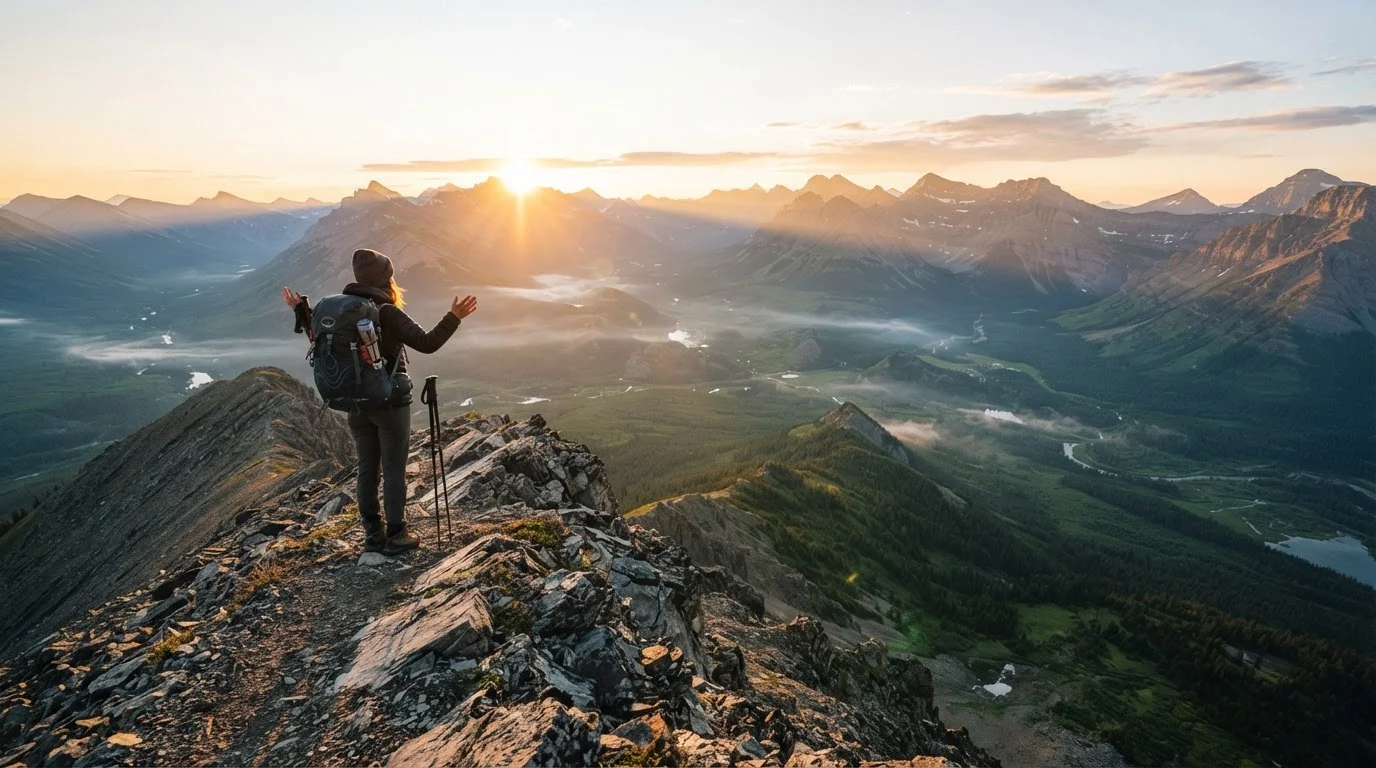
Solo trekking hands you the map — literally and figuratively. You decide when to start, when to rest, which alternate trail to explore, and when conditions look bad enough to turn back. For travelers who have spent years developing backcountry judgment, that control is the point. But self-direction also means carrying the full cognitive and logistical load: navigation, weather interpretation, food and water management, and emergency planning, all at once.
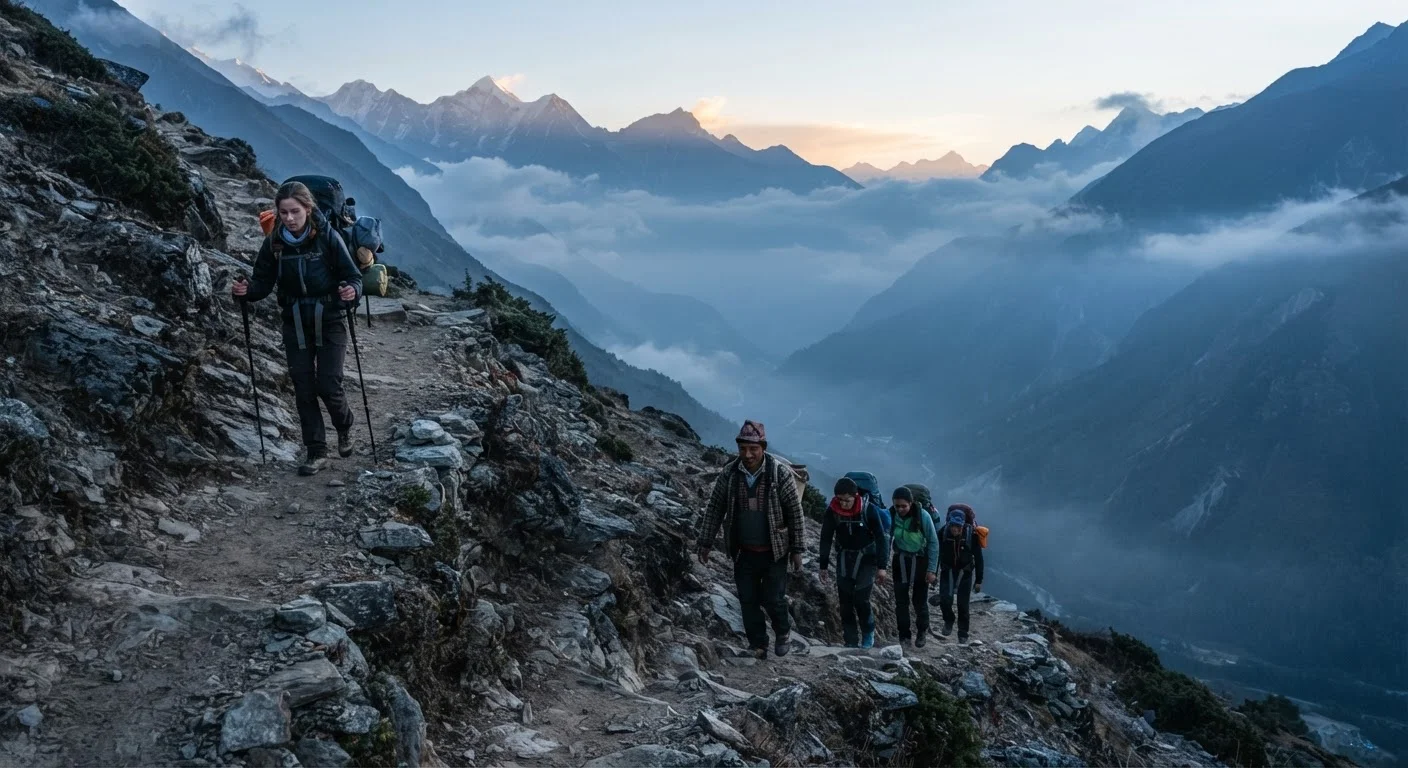
Guided expeditions redistribute that load. A competent guide brings route knowledge that may have taken years to accumulate, relationships with local communities along the trail, and established emergency protocols. They also absorb the mental overhead of logistics, freeing you to be more present in the landscape rather than perpetually problem-solving. The trade-offs of handing off trip planning apply here too — what you gain in support, you give up in spontaneity.
| Criterion | Solo Trekking | Guided Expeditions |
|---|---|---|
| Flexibility | Complete — pace and route are yours | Limited by group itinerary |
| Safety infrastructure | Self-managed; depends on personal skill | Built-in protocols, comms, first aid |
| Local knowledge access | Requires independent research | Provided by guide's expertise |
| Permit complexity | Self-arranged; errors are your own | Handled by operator |
| Cultural interpretation | Self-directed; varies widely | Often rich and contextual |
| Cost | Generally lower | Generally higher |
| Required experience level | High for remote or technical routes | Variable; operator can match to group |
| Social experience | Solitude; organic encounters | Built-in group dynamic |
Safety, Risk, and Who Bears Responsibility
Safety is where the gap between the two approaches becomes most concrete. Solo trekkers on unfamiliar terrain face a compounding chain of risk: a wrong turn, an unexpected weather shift, or a minor injury can escalate quickly without backup. Search and rescue response times in remote areas — the Himalayas, Patagonia, central Alaska — can be measured in days, not hours. That reality demands a level of preparation that goes well beyond packing the right gear.
Guided expeditions typically include risk mitigation as a structural feature. Reputable operators carry communication devices, maintain first aid protocols, and often hold certifications in wilderness medicine. Some routes — including Nepal's Annapurna and Everest Base Camp treks — legally require licensed guides, a policy designed precisely because the terrain has claimed lives from travelers who underestimated it.
~70%
Trekking accidents involving solo travelers
Adventure travel safety researchers have noted that a disproportionate share of serious backcountry incidents involve solo travelers, particularly in high-altitude environments where weather and altitude sickness can escalate rapidly.
Several thousand
Annual search-and-rescue operations in U.S. national parks
The National Park Service conducts thousands of search-and-rescue operations each year, with a significant portion involving hikers who underestimated terrain difficulty or were inadequately equipped.
This doesn't mean guided travel is risk-free. Guide quality varies significantly, and a poorly trained or inexperienced guide can create a false sense of security. Vetting a guiding company's safety record, certifications, and emergency equipment before committing is as important as the destination research itself. For a broader grounding in how adventure travel risk is categorized, this plain-language introduction to adventure travel outlines what first-timers should understand before they book.
Experience Quality: Depth, Authenticity, and What Gets Lost
Beyond safety, the experience itself changes shape depending on which path you take. Solo trekkers often describe a particular quality of attention that emerges when no one else is managing the day — a heightened awareness of surroundings, a willingness to linger, an openness to unplanned encounters. Traveling alone through less-trafficked routes can feel genuinely exploratory in ways that structured itineraries rarely replicate.
Guided expeditions, however, offer a different kind of depth. A knowledgeable local guide can interpret what you're seeing — the ecology of a high-altitude plateau, the cultural significance of a village ritual, the history embedded in a particular trail — in ways that independent research seldom matches. That interpretive layer can transform a beautiful walk into something closer to education.
When Guides Are Legally Required
Some destinations make the choice for you. Nepal mandates licensed guides and porters for trekkers in certain restricted areas, including Mustang and Dolpa. Tanzania requires guides for all Kilimanjaro ascents. Peru restricts independent access to portions of the Inca Trail network. Before planning an independent trek in any foreign destination, verify current entry and permit requirements through official government and park authority sources, as regulations change and penalties for non-compliance can be significant.
The social dimension also differs sharply. Guided groups create built-in community, which some travelers find energizing and others find limiting. Solo trekkers may connect more deeply with fellow independent travelers or local residents along the way, but may also find long stretches of genuine solitude — which is either a feature or a drawback, depending entirely on the person. Neither experience is more authentic; they are simply different in texture and rhythm. For those weighing domestic versus international adventure options as part of this decision, a comparison of national parks versus international travel offers useful context on logistics and experience depth across both settings.