
Beyond the Highlights Reel
Most travel itineraries are built around landmarks — the cathedral, the market, the viewpoint. Cultural immersion travel starts from a different question: not what is there to see here, but what is it actually like to live here? That shift in framing changes nearly every practical decision a traveler makes, from where they sleep to how they spend an ordinary Tuesday afternoon.
The format sits within a growing family of intentional travel styles. Niche tourism categories like agritourism, volunteer travel, and language immersion programs each share this underlying ethos — the trip is organized around engagement rather than consumption. Cultural immersion is arguably the broadest of these, applicable across almost any destination and requiring no particular hobby or skill as a prerequisite.
What travelers consistently report is that immersion changes the texture of a place. A city that looks one way from a tour bus looks entirely different when you're helping prepare a meal in a neighborhood kitchen or navigating a local bus system without a map app.
What Immersion Actually Looks Like in Practice
The word "immersion" risks becoming vague without concrete examples. In practical terms, it involves a cluster of overlapping choices:
- Accommodation: Homestays with local families are the most common form, ranging from informal arrangements to structured programs run by regional cooperatives. Guesthouses in residential neighborhoods — rather than hotel districts — serve a similar function.
- Food: Eating where residents eat, including markets and neighborhood restaurants with no English-language menus, rather than venues designed around tourist expectations.
- Language: Attempting to use the local language, even imperfectly. Many immersion travelers take short language courses before or during their trip.
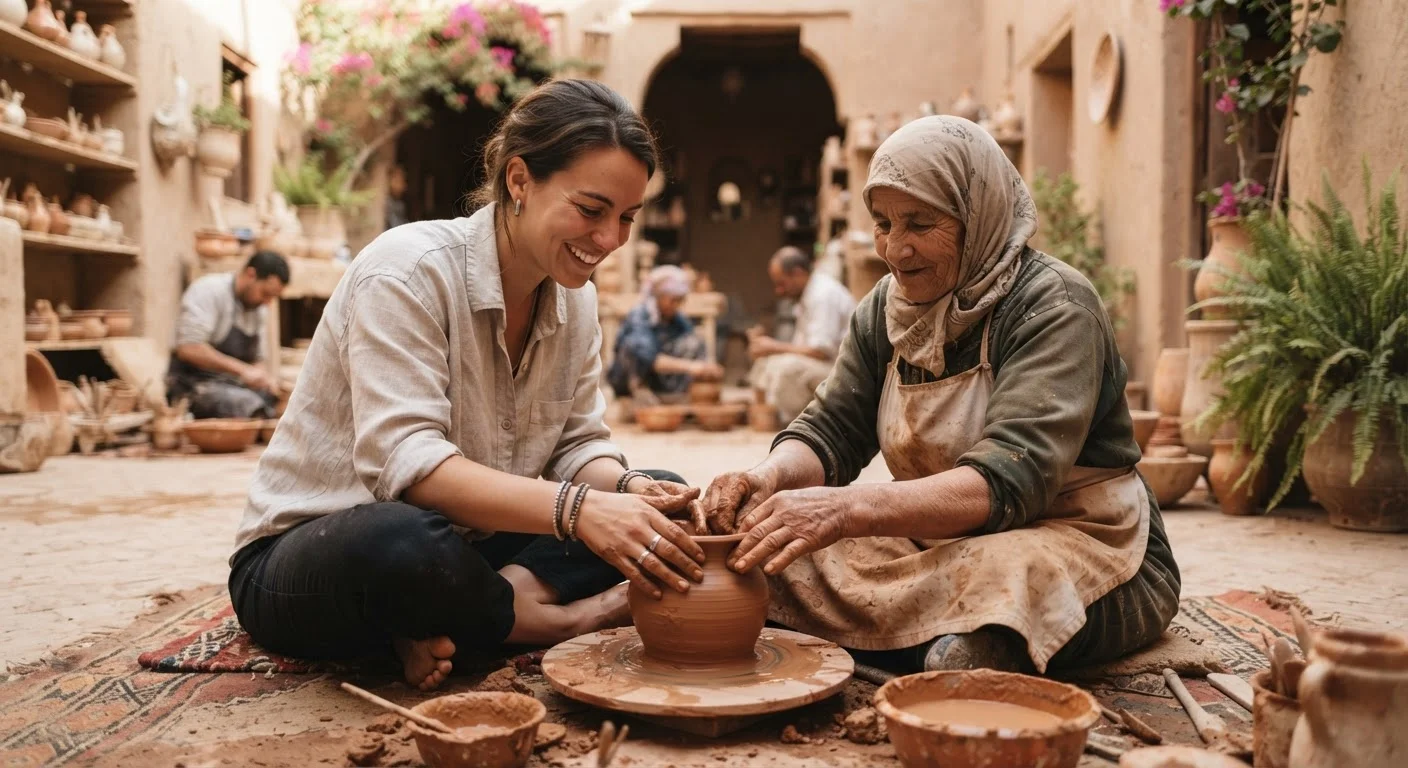
- Activities: Participating in workshops, festivals, agricultural work, craft production, or community events that exist independently of the tourism economy.
- Pace: Staying longer in fewer places. This overlaps with slow travel principles, where depth replaces density.
70%+
Travelers seeking authentic local experiences
Industry surveys conducted by tourism research bodies consistently find large majorities of travelers say 'experiencing local culture' is among their primary motivations for travel.
1–2 weeks
Minimum stay for meaningful immersion
Tourism educators and community program coordinators generally cite at least one to two weeks in a single location as the threshold for genuine cultural familiarity to develop.
3x
Local economic multiplier for community tourism
Research on community-based tourism suggests spending through locally owned homestays and guides circulates through local economies at significantly higher rates than equivalent hotel and tour spending.
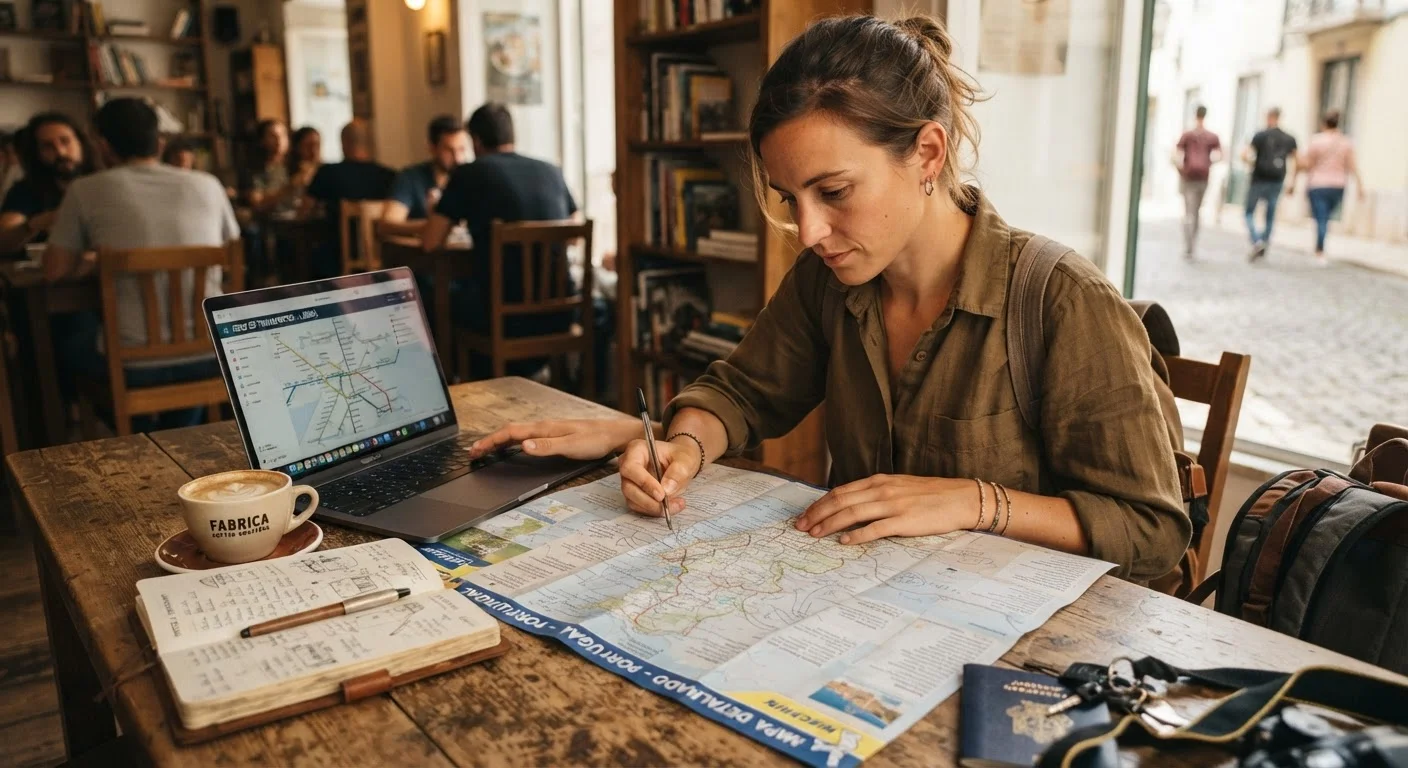
Before committing to a destination for this kind of travel, it helps to understand what infrastructure exists for independent travelers. Assessing a destination's tourism infrastructure — transportation, healthcare access, connectivity — matters more when you're operating outside the standard tourist circuit.
How It Differs From Standard Tourism
The contrast isn't about snobbery. Standard tourism serves real purposes — it's efficient, predictable, and accessible to travelers with limited time or mobility. The difference is structural.
In conventional tourism, the destination is curated for the visitor: attractions are labeled, experiences are scheduled, and the traveler remains largely a consumer of a prepared product. The local population appears primarily in service roles. Cultural immersion reverses some of that dynamic. The traveler adapts to the destination rather than the destination adapting to the traveler.
“Tourism traditionally positions the traveler as a spectator. What immersion travel attempts is a different relationship entirely — one where the traveler accepts being a guest in someone else's life, with all the vulnerability and obligation that implies.”
— Dean MacCannell, Sociologist and author of foundational texts on tourist experience and authenticity
This has practical consequences. Immersion travelers typically encounter more friction — miscommunications, unexpected closures, unfamiliar customs that require real-time navigation. That friction is considered a feature by many practitioners, not a flaw. It's where much of the learning happens.
Immersion travel also tends to distribute economic benefit more directly. Money spent on a family homestay or a community-run cooking class reaches local households more immediately than spending at internationally managed hotels or franchise restaurants.
Who It Suits — and Who It Doesn't
Cultural immersion travel rewards a specific disposition: genuine curiosity about other people's lives, comfort with ambiguity, and the ability to sit with discomfort — social, linguistic, or logistical — without retreating from it. It's not a personality type so much as a set of conditions. Travelers who thrive tend to be those willing to be confused, wrong, or awkward in public for the sake of connection.
It's a poor fit for travelers who need highly predictable schedules, have significant accessibility requirements that local infrastructure can't meet, or who prefer the legibility of tourist-oriented environments. That's a genuine observation, not a criticism — some trips call for comfort and efficiency, and that's a legitimate choice.
Start With One Immersive Element
If full immersion feels like too large a leap, consider building a single immersive component into an otherwise conventional trip — one week with a host family, one cooking class run by a local cooperative, or one day of public transit navigation without a tour guide. These smaller commitments often reveal whether the deeper format appeals to you. Incremental exposure also builds the cultural literacy that makes longer immersion trips more rewarding.
Families with children can pursue immersion travel successfully, particularly through structured programs designed for that context. The cultural and practical landscape of regions like Central America shows how widely conditions vary — some areas have robust community tourism infrastructure; others require considerably more self-sufficiency.
Immersion travel also isn't an all-or-nothing proposition. Many travelers incorporate immersive elements — a week with a host family, a language class, a locally guided hike — into otherwise conventional trips. Even partial immersion tends to change how people experience a place.