
What Slow Travel Actually Means
The phrase "slow travel" gets used loosely, but at its core it describes a deliberate choice to trade itinerary density for depth. Instead of building a trip around the maximum number of cities or countries, a slow traveler selects one region — sometimes just one city — and stays long enough to move past the tourist-facing layer of it.
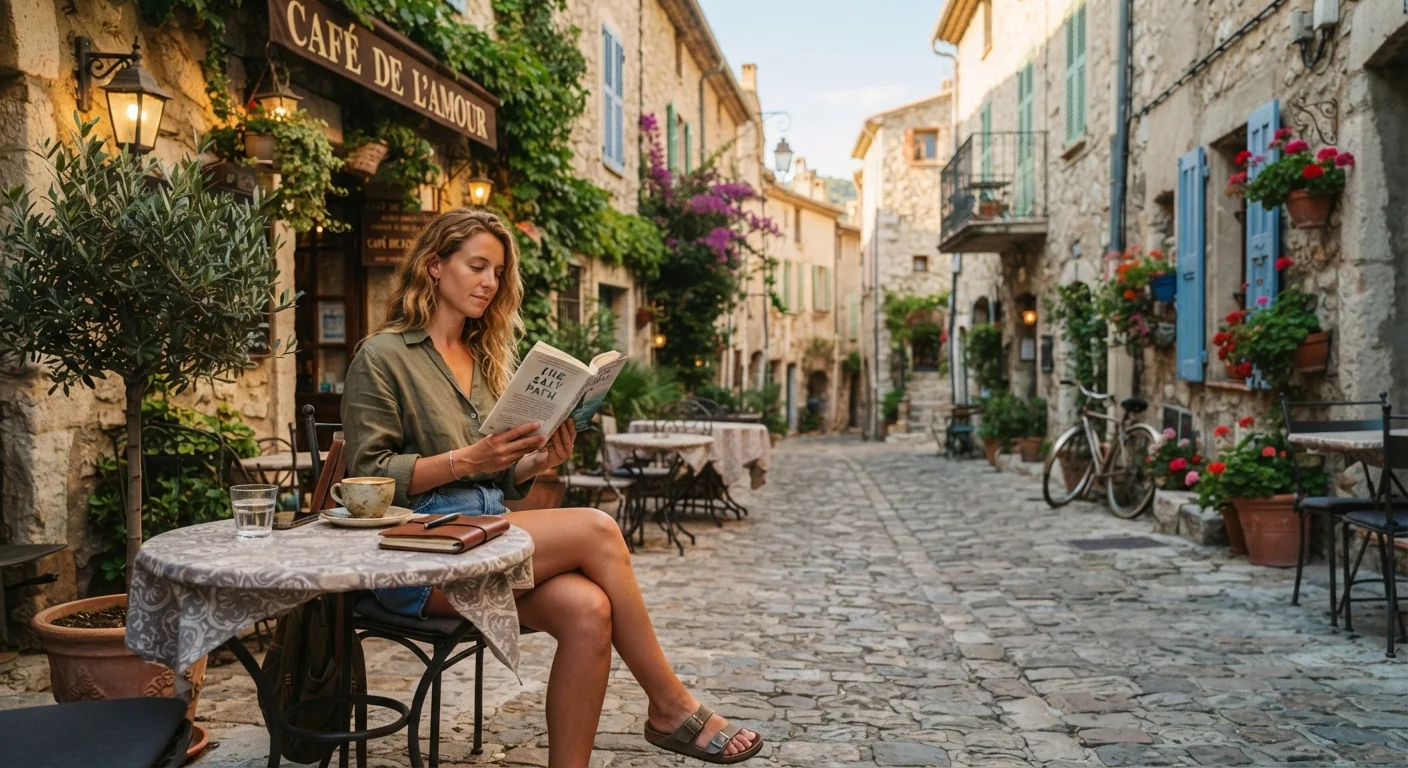
Think of the difference this way: a conventional two-week European trip might cover Paris, Amsterdam, Prague, Vienna, and Rome with two nights in each. A slow travel version of the same trip might spend all fourteen days in Lisbon, wandering different neighborhoods, shopping at the same market twice, and figuring out which café the locals actually use. Neither is wrong — they're simply different goals.
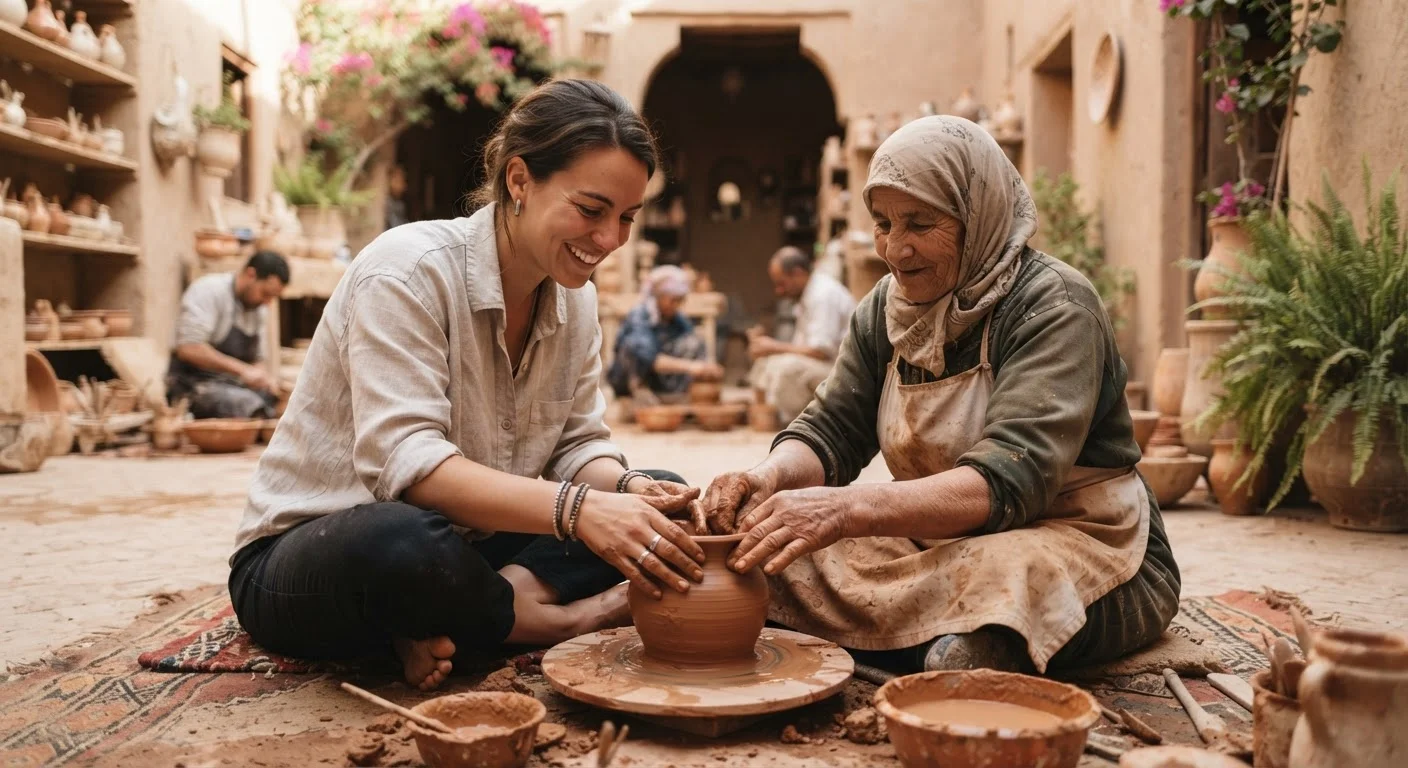
Slow travel overlaps with, but isn't identical to, cultural immersion travel. Immersion travel often involves structured participation — language courses, homestays, cooking classes — while slow travel can be entirely unstructured. You might simply sit in a park, take the wrong bus, and end up somewhere you hadn't planned. That unplanned margin is part of the point.
Slow Travel Is a Philosophy, Not a Product
No airline, hotel chain, or booking platform owns the concept of slow travel. It isn't a ticket class or a package you purchase — it's a set of choices about pacing, location, and engagement. This means it's equally accessible to budget travelers and those with more resources; the determining factor is time and mindset, not spend.
Why It's Gaining Traction
Slow travel isn't new — travelers have been doing this for generations — but it has found a larger audience in recent years for several intersecting reasons.
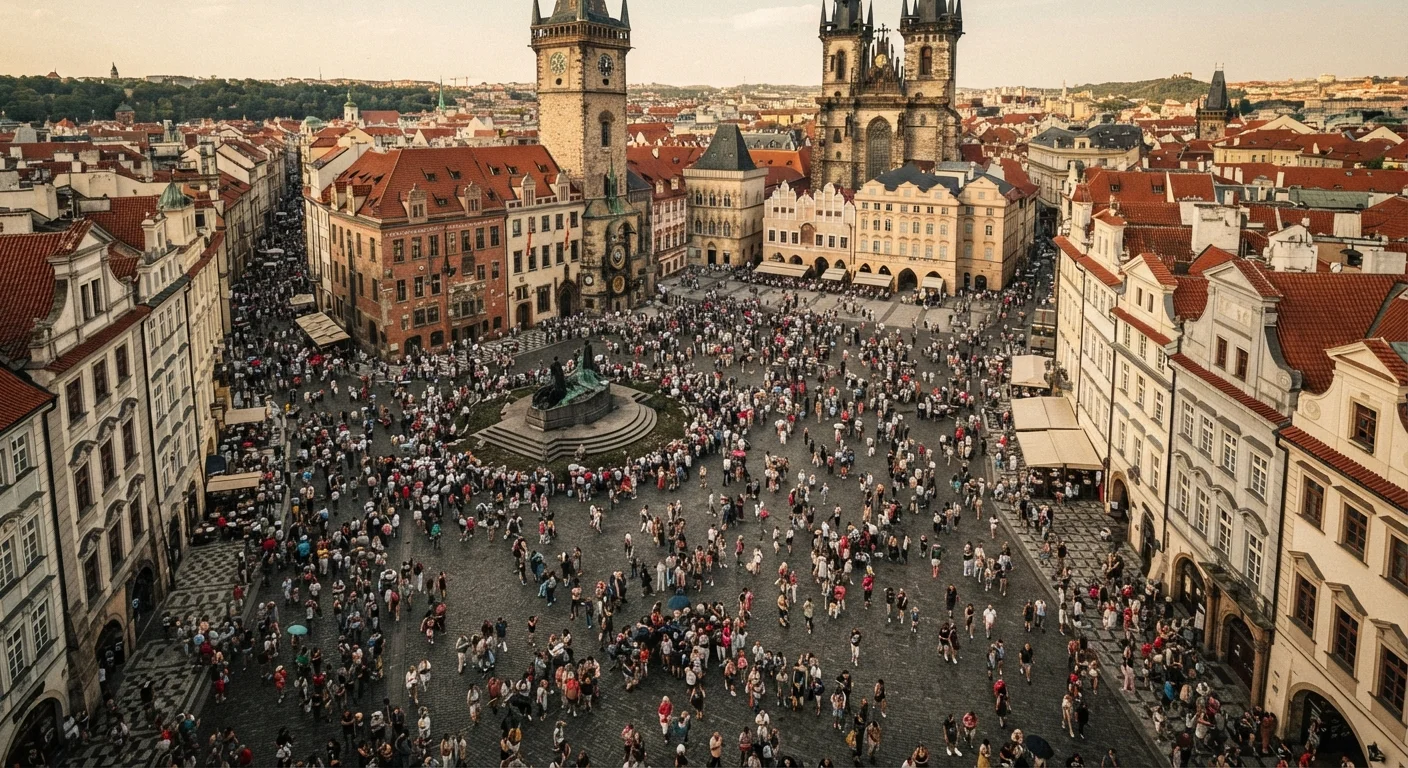
One is the growing awareness of overtourism and the traveler's role in it. When a single neighborhood in Barcelona or a trail in the Dolomites becomes so crowded that residents move out and the experience degrades for visitors, something has clearly broken down. Slow travel, by its nature, tends to distribute a visitor's spending and time across a wider range of local businesses — the corner bakery, the neighborhood laundromat, the trattoria three streets from the main square.
Another driver is post-pandemic recalibration. Many travelers who paused for extended periods returned with a different relationship to urgency. The appetite for tightly scheduled, landmark-to-landmark itineraries softened for some of them.
Remote work has also changed the equation for a segment of travelers, making multi-week stays logistically possible in a way they weren't when all work required a fixed office location. That said, slow travel doesn't require remote work — retirees and those using extended leave have long been its primary practitioners.
72%
Travelers citing "meaningful experiences" as a primary travel goal
According to Booking.com's Sustainable Travel Report, the majority of surveyed travelers prioritize meaningful experiences, aligning with slow travel values.
2–4×
Carbon output difference between one long-haul flight and multiple short-haul flights
Aviation research generally finds that taking fewer, longer trips produces substantially lower per-trip emissions than frequent short-haul flying across multiple destinations.
30%+
Typical discount on per-night cost with monthly vs. nightly rentals
Short-term rental platforms commonly show significant per-night discounts for stays of 28 days or more, making extended stays financially accessible for many travelers.
How It Differs From Conventional Tourism
The most visible difference is accommodation. Slow travelers typically rent an apartment or house rather than booking a hotel, because hotel stays aren't really designed for people who want to cook their own breakfast or do a load of laundry. Weekly and monthly rental markets exist in most cities precisely for this kind of stay.
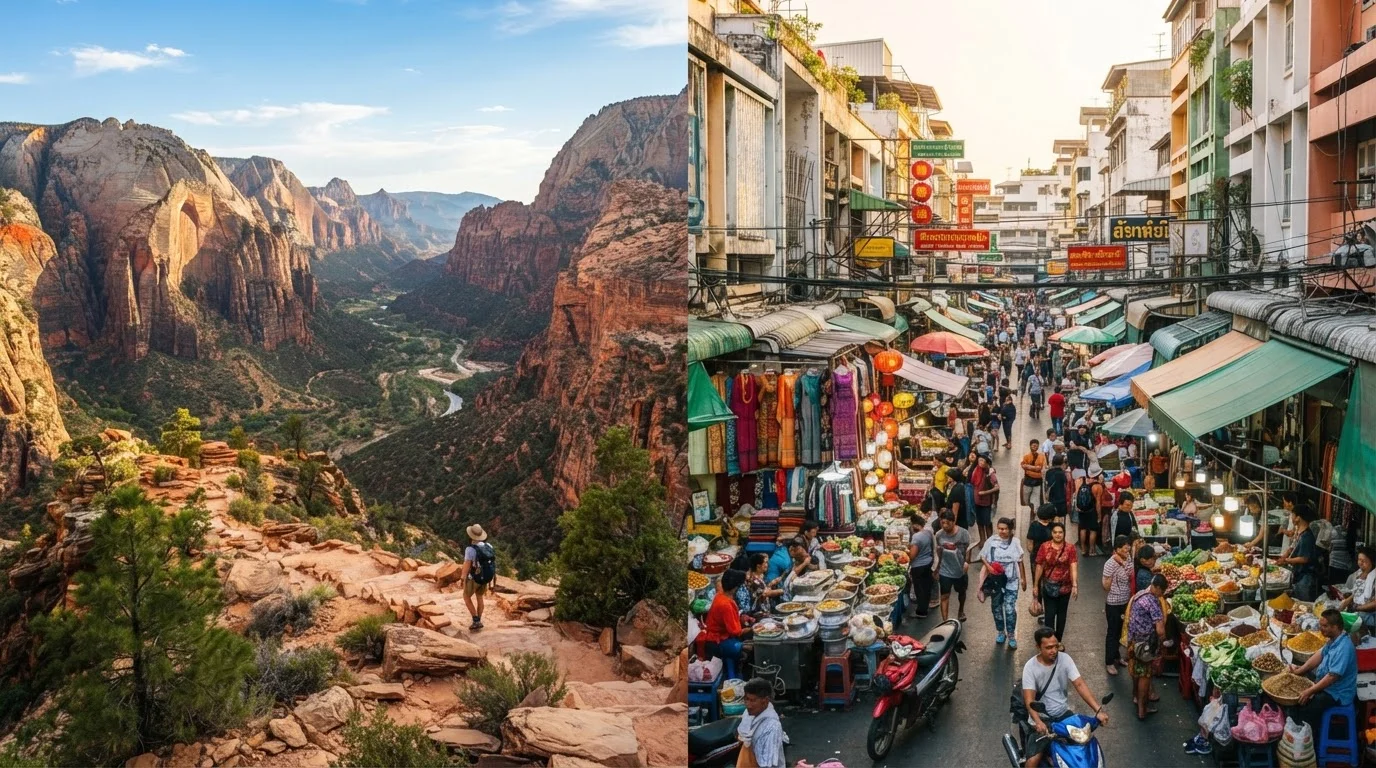
Transportation patterns also shift. Conventional tourism often involves several flights within a single trip — fly into one city, fly out of another, perhaps a third flight mid-journey. Slow travel tends to mean fewer flights overall, which matters for travelers paying attention to their environmental footprint. Domestic trips to national parks and similar destinations are a natural fit for the slow travel mindset, since they reward extended time without requiring international air travel.
Planning style diverges too. Conventional trips often arrive fully scheduled; slow trips often arrive with a general orientation and open days. Some travelers find this liberating; others find it uncomfortable without structure. For those who prefer more guidance, working with a travel service can help build a loose framework that still leaves room for spontaneity.
Start With One Unscheduled Day
If you're new to slow travel, try building a single completely open day into an otherwise normal trip. No reservations, no list — just move through the place at whatever pace feels natural. Many travelers find that this day produces their most memorable moments, and it's a low-risk way to test whether the approach suits you before committing to a full slow travel itinerary.
Practical Considerations Before You Go
Slow travel sounds appealing in the abstract, but it requires some preparation that differs from a standard vacation. Before committing to an extended stay in an unfamiliar place, it helps to understand the destination's actual infrastructure — its transportation options, healthcare access, neighborhood-level safety, and connectivity. Reading a destination's tourism infrastructure before you go is a step many first-time slow travelers skip, and it's worth the research time.
Timing also matters more when you're staying longer. Arriving during peak season at a destination that becomes genuinely overcrowded in July means paying peak prices and living alongside peak crowds for weeks, not days. Shoulder season tends to reward slow travelers particularly well — prices soften, locals are less fatigued by tourist volume, and the place often feels more like itself.
Finally, be honest about what kind of traveler you are. Slow travel is a genuine reorientation, not just a longer version of the same trip. If an unscheduled afternoon produces anxiety rather than relief, that's useful self-knowledge. The approach suits people who find satisfaction in ordinary moments — a regular table at a café, a walk through a market they've visited before — and who aren't measuring the trip's success by the number of new places crossed off a list.