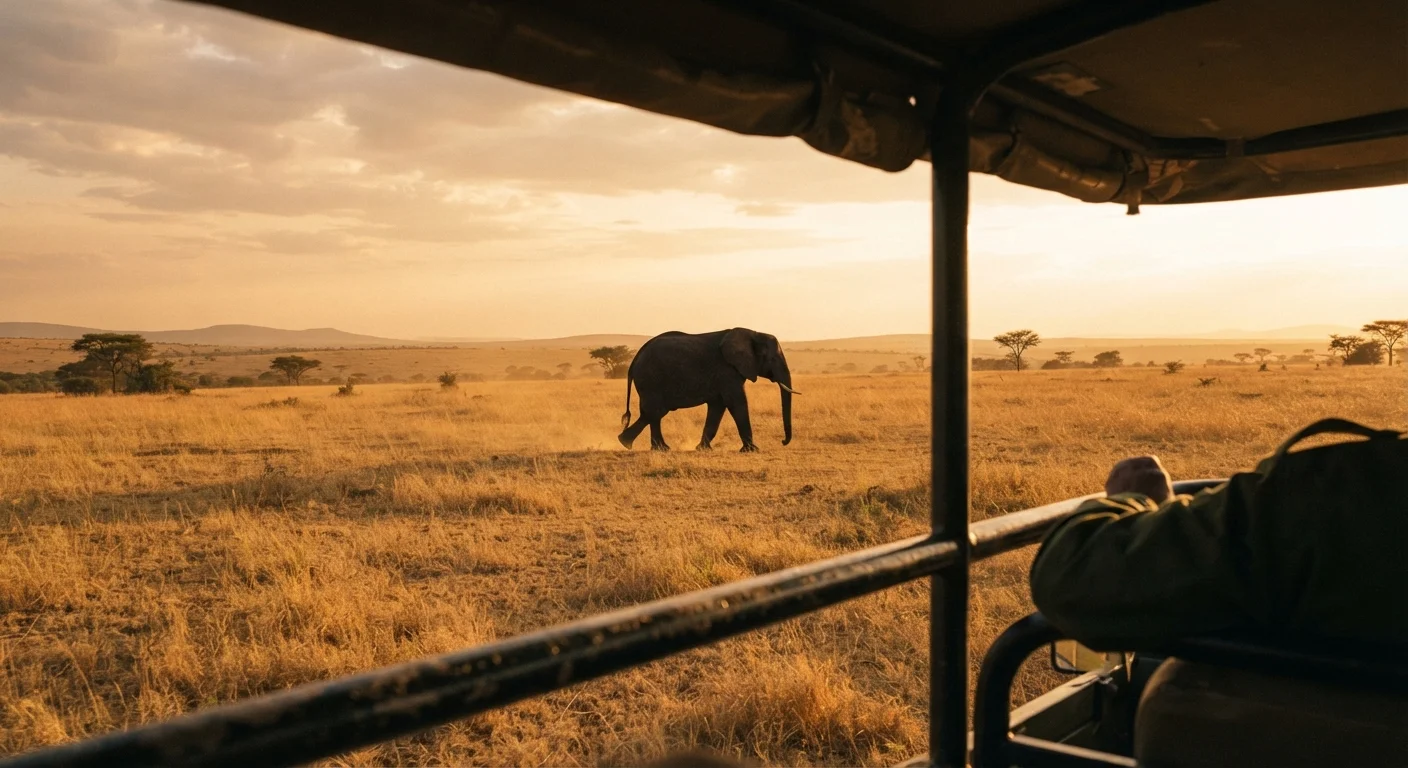

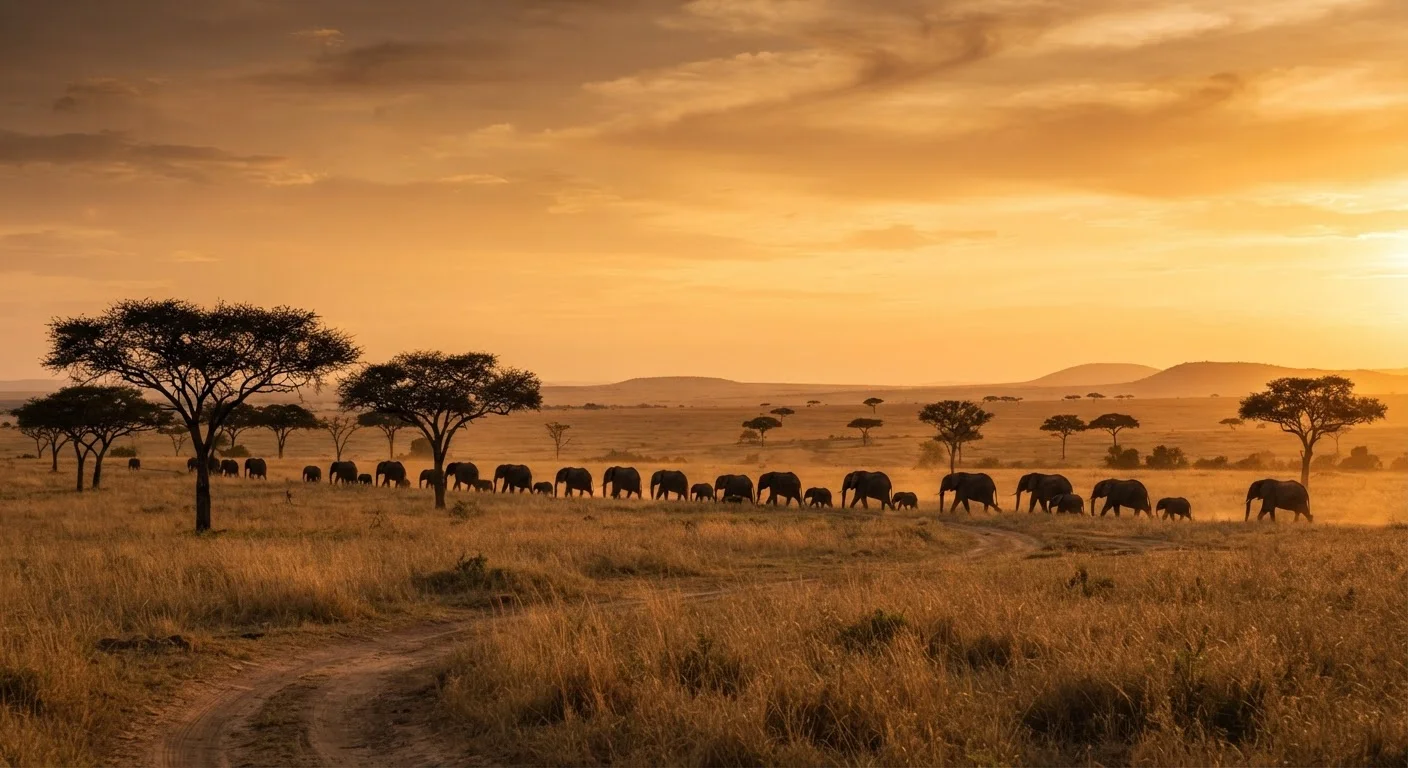
Why Safari Research Is Its Own Undertaking
Planning a wildlife safari sits in a different category from most international travel. You're not simply booking flights and hotels — you're navigating ecosystems, conservation politics, health requirements, remote logistics, and significant financial commitments simultaneously. The research phase alone can take weeks, and doing it well is what separates a genuinely immersive experience from a costly disappointment.
For first-timers especially, the sheer volume of decisions can feel paralyzing. This walkthrough breaks the pre-trip research phase into a logical sequence, starting with the foundational choices that shape everything else. If you've handled complex itinerary planning before, you'll recognize some of this territory — working with a travel agency is one option worth considering when the logistics feel genuinely overwhelming.
What you will need
Choosing a Destination and Timing Your Visit
Africa alone offers dramatically different safari experiences depending on the country, the ecosystem, and the season. East Africa — Kenya, Tanzania, Uganda — draws travelers for the Great Migration, mountain gorilla trekking, and the Serengeti's open plains. Southern Africa — Botswana, Zimbabwe, Zambia, South Africa — offers different terrain, different wildlife concentrations, and in some cases more private, less crowded experiences.
Timing is not optional research. The difference between the wet and dry seasons in most safari destinations affects road access, vegetation density (which determines how easily you spot animals), mosquito populations, and lodge pricing. In general, the dry season offers clearer sightings because animals concentrate around water sources and foliage is sparse — but "dry season" varies significantly by country and region. Cross-reference park-specific wildlife calendars with entry requirements before settling on dates.
Shoulder Seasons Offer a Useful Middle Ground
The weeks at the edges of peak season — just before or after the primary dry period — often offer reduced lodge rates, thinner crowds, and still-favorable wildlife conditions. Research the specific shoulder season window for your target destination, as it varies considerably between East and Southern Africa.
Vetting Operators and Accommodations
Safari operator quality varies enormously, and the gap between a well-run operation and a poorly run one has real consequences — not just for your comfort, but for local wildlife and communities. Look beyond star ratings. Meaningful vetting involves asking operators directly about their guides' qualifications and tenure, their vehicle-to-client ratios in the field, their approach to park regulations (speed limits, off-road driving rules, animal distancing), and their conservation and community partnerships.
Independent accreditation schemes exist in several countries, and some operators publish transparent sustainability reports. Travelers should also be cautious of arrangements that allow undue access to wildlife — anything that involves touching, feeding, or close staging of wild animals is a signal worth examining carefully. Our editorial on responsible wildlife encounters outlines the principles that help distinguish ethical experiences from harmful ones.
Operator Vetting Has Real Ethical Stakes
Choosing an operator that cuts corners on park regulations, wildlife distancing, or community benefit agreements doesn't just affect your experience — it contributes to habitat degradation and undermines the conservation economics that protect these ecosystems. Ask hard questions about operator practices, and be willing to walk away from lower-priced packages that can't explain their standards clearly.
Health Requirements, Visas, and Entry Documentation
This is the phase where cutting corners carries the most tangible risk. Most sub-Saharan safari destinations require travelers to present proof of yellow fever vaccination if arriving from or transiting through a country with risk of yellow fever transmission. Antimalarial prophylaxis is widely recommended for many safari regions, though the appropriate medication varies by destination and personal health history — consult a travel medicine clinic or licensed physician well in advance, not the week before departure.
Visa requirements for Americans vary by country: some offer visa-on-arrival, others require advance applications. Entry rules can change, so always verify current requirements directly through the U.S. Department of State and the official embassy or consulate of your destination country. Similarly, documentation preparation for international travel — including passport validity windows, travel insurance, and emergency contacts — deserves its own dedicated checklist.
Entry and Health Rules Change Without Notice
Vaccination requirements, visa policies, and border regulations at safari destinations can change on short notice. Never rely solely on third-party travel sites or operator information for entry rules. Always verify directly through the official embassy website and the U.S. State Department within weeks of departure, not just at the start of your planning.
Gear, Budget Transparency, and Pre-Departure Logistics
Safari-appropriate clothing tends toward neutral earth tones — not for aesthetics, but because bright colors can disturb animals and attract insects. Layering is essential in destinations where mornings are cold and afternoons are hot. Beyond clothing, binoculars, dust-proof camera bags, and power adapters suited to the destination's electrical standards are practical necessities. Connectivity is limited in most game reserves; download offline maps and relevant documentation before you leave cellular range.
On the financial side, budget transparency matters. Understand in advance what your package includes: park fees, game drives, meals, laundry, tips, and internal transfers are often priced separately, and the gap between an all-inclusive rate and the actual total cost can be substantial. Tips for guides and camp staff are customary across most of East and Southern Africa and are considered part of fair compensation — research regional norms so you're not caught off guard. If any element of this process parallels the structured research approach you'd apply to a major purchase, that instinct is well-founded; the same discipline that applies when researching a major investment thoroughly translates well to safari planning.