
How the Mediterranean Basin Breaks Down
The Mediterranean Sea touches parts of three continents — Europe, Africa, and Asia — and its coastal nations share a broadly similar climate while differing enormously in infrastructure, culture, entry requirements, and travel pace. This reference covers key destinations grouped by sub-region to help travelers compare conditions before committing to a trip. For a deeper look at how to assess a country's tourism infrastructure, see Reading a Destination's Tourism Infrastructure Before You Go.
Americans traveling to most European Mediterranean countries enter under the Visa Waiver Program (or, for Schengen-area nations, the existing 90-day rule), though this is subject to change. Entry rules for North African and Eastern Mediterranean nations vary considerably. Always verify requirements with official government sources — the U.S. Department of State and the destination country's embassy — before travel.
| Countries bordering the Mediterranean | Approximately 21 (United Nations geographic classifications) |
| Dominant climate type | Hot, dry summers; mild, wet winters (Köppen Csa/Csb) |
| Peak travel season (Northern Hemisphere) | June through August |
| Schengen Area visa-free stay limit (Americans) | 90 days within any 180-day period (EU Schengen regulations; verify current rules before travel) |
| Primary entry verification source | U.S. Department of State travel.state.gov |
| Shared currency (Eurozone members) | Euro (€); several Med nations use other currencies |
Southern Europe: Spain, France, Italy, Greece, Croatia
Spain spans both Atlantic and Mediterranean coasts. Its eastern littoral — from the Costa Brava near Barcelona to the sun-baked shores of Murcia — offers well-developed tourism infrastructure, reliable rail connections, and a food culture that rewards slow exploration. Peak crowds concentrate in July and August; shoulder months (May, June, September) offer more manageable conditions.
France's Mediterranean face is the Côte d'Azur, running roughly from Marseille to the Italian border. Infrastructure is excellent, prices are high, and the pace is unhurried. French cultural norms emphasize discretion; informal dress in historic or religious spaces is frowned upon.
Italy offers the most varied Mediterranean experience of any single country — from the Ligurian coast and Amalfi to Sicily and Sardinia. Public transit quality varies sharply between north and south. Southern coastal areas can be significantly more affordable than northern counterparts.
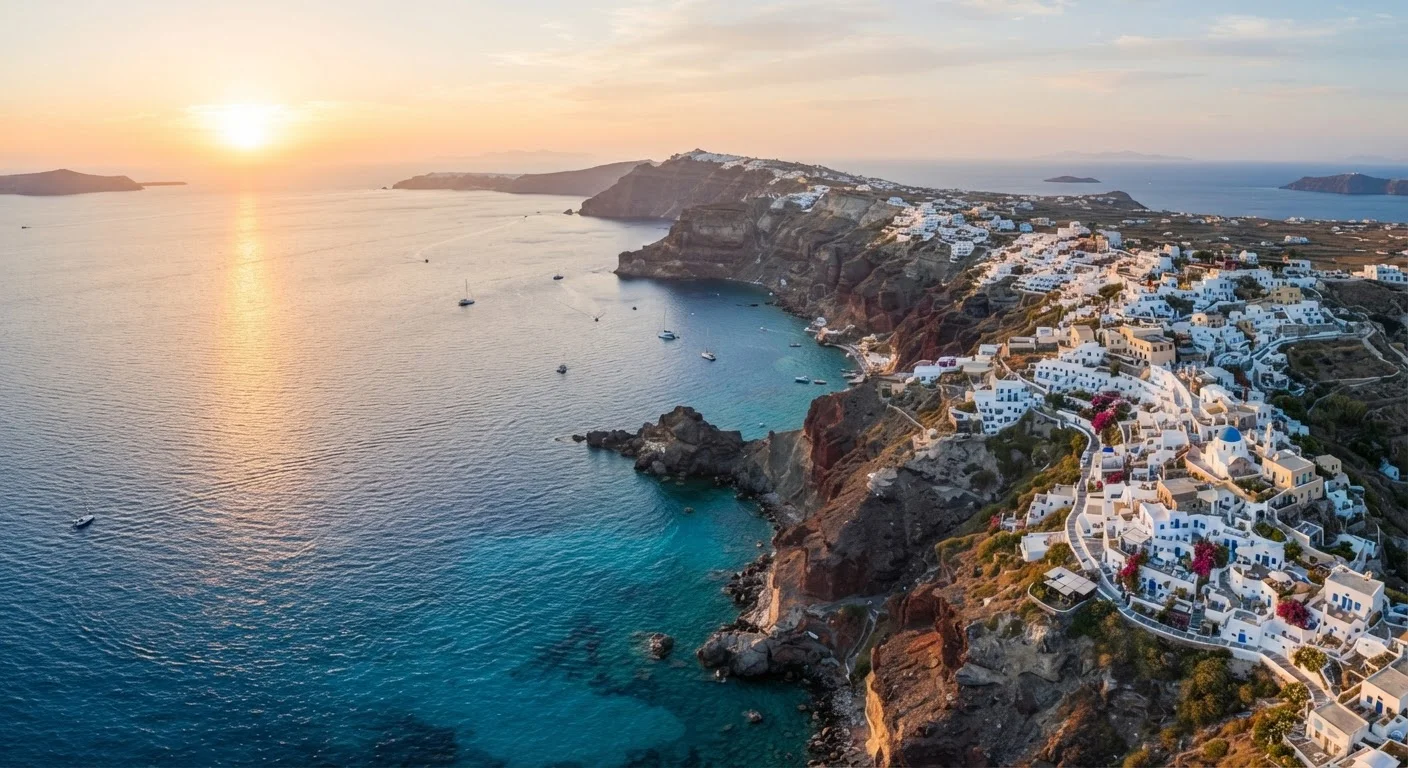
Greece is the region's most island-dense destination. Ferry networks connect dozens of islands to Athens and to each other, though schedules thin dramatically outside peak season. Healthcare access on smaller islands is limited; travelers with complex medical needs should plan accordingly.
Croatia has seen rapid tourism growth along the Dalmatian Coast. Dubrovnik and Split are heavily trafficked in summer; northern Istria remains comparatively quieter. Croatia joined the Schengen Area in 2023, simplifying EU-internal movement.
Schengen Area
A zone of 27 European countries that have abolished internal border controls, allowing passport-free movement between member states. Americans may stay up to 90 days within any 180-day period across the entire zone combined.
Travel Advisory
An official government assessment of safety and entry conditions in a foreign country. The U.S. State Department issues advisories on a four-level scale, from 'Exercise Normal Precautions' to 'Do Not Travel.'
Shoulder Season
The period between peak and off-peak travel seasons — typically spring and early autumn for Mediterranean destinations — when crowds are smaller and conditions often more moderate.
E-Visa
An electronically issued travel authorization that allows entry to a foreign country, obtained online before travel rather than at the border or embassy. Availability and requirements vary by destination and passport.
North Africa and the Eastern Mediterranean
Morocco anchors the western end of the North African coast. Its Mediterranean shore — centered on Tangier and Tetouan — is less visited than the Atlantic side. Entry is straightforward for Americans (no visa required for stays up to 90 days as of the time of writing, though travelers should confirm). Cultural norms differ meaningfully from European destinations: modest dress is widely expected away from resort areas, and photography of individuals requires consent.
Tunisia and Egypt's northern coast offer archaeology-rich context alongside beach tourism. Both require current advisories to be checked through official channels — the U.S. State Department maintains destination-specific travel advisories that are updated regularly.
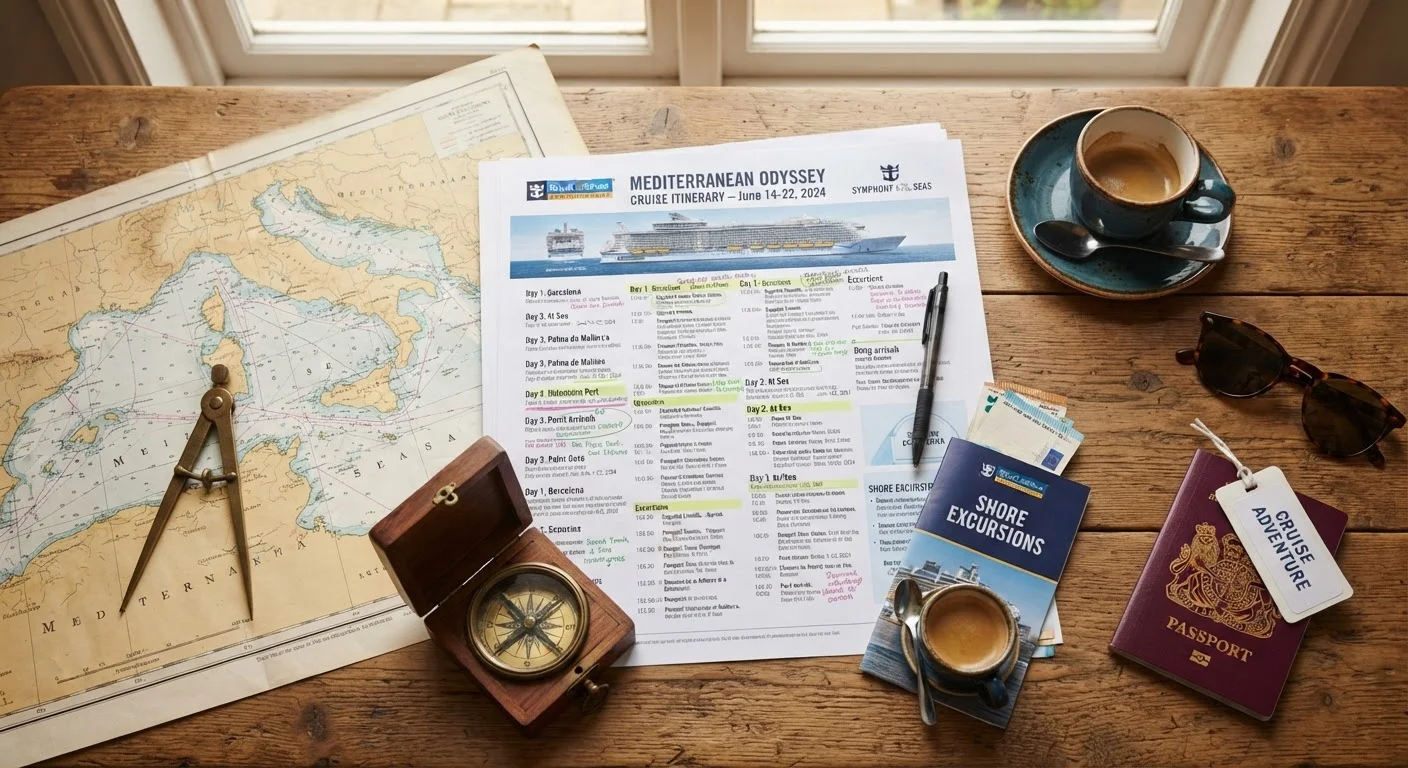
Turkey sits at the intersection of Europe and Asia and holds one of the Mediterranean's most extensive coastlines, from the Aegean to the southeast. E-visas are available for American passport holders. Istanbul is a major hub; the Aegean and Turquoise Coast (including Bodrum and Antalya) are popular cruise stops — see Reading a Cruise Itinerary for guidance on making the most of limited port time.
Israel and Lebanon have both offered compelling Mediterranean destinations historically, though each carries specific safety and entry considerations that shift over time. Consult official advisories and your country's embassy before planning travel to either.
Travelers heading to any of these destinations alone for the first time will benefit from practical solo travel preparation, particularly around documentation and communication planning.
Safety and Entry Information Changes Frequently
Travel advisories, visa rules, and border policies across the Mediterranean can shift with limited notice due to political developments, public health situations, or bilateral agreements. This overview reflects general, durable patterns rather than real-time conditions. Always check the U.S. Department of State's travel.state.gov and the relevant country's official embassy website before finalizing plans. Travelers with chronic health conditions planning a cruise through the region should also review what to prepare for cruising with a health condition.