

What It Actually Means to Hand Off Trip Planning
Delegating trip planning can mean different things depending on how far you take it. At one end, you might use an online booking platform to bundle flights and hotels. At the other, you hire a full-service travel adviser who handles every detail — visas, airport transfers, restaurant reservations, and contingency plans if something goes wrong. Most travelers land somewhere in between.
What connects all these arrangements is that someone else is making decisions — or at least filtering your options — based on their knowledge, their supplier relationships, and their interpretation of your preferences. That dynamic creates both the appeal and the friction of working with a travel service. To understand the real trade-offs between direct booking and using a service, it helps to start with what each side of the ledger actually looks like.
The Case for Letting Someone Else Take the Wheel
For many travelers, the most immediate benefit is simply time. Researching a two-week international trip across multiple cities — comparing flight routing, vetting accommodation quality, identifying which tours are worth the money — can consume dozens of hours. A knowledgeable travel professional collapses that timeline significantly.
Significant time savings on research and logistics
Coordinating flights, accommodation, and ground transport for a complex trip can take many hours. A professional planner compresses that process considerably, often with better results.
Access to destination-specific expertise
Experienced travel professionals carry contextual knowledge about regions, neighborhoods, and suppliers that isn't easily captured by review aggregators or general travel guides.
Stronger support when things go wrong
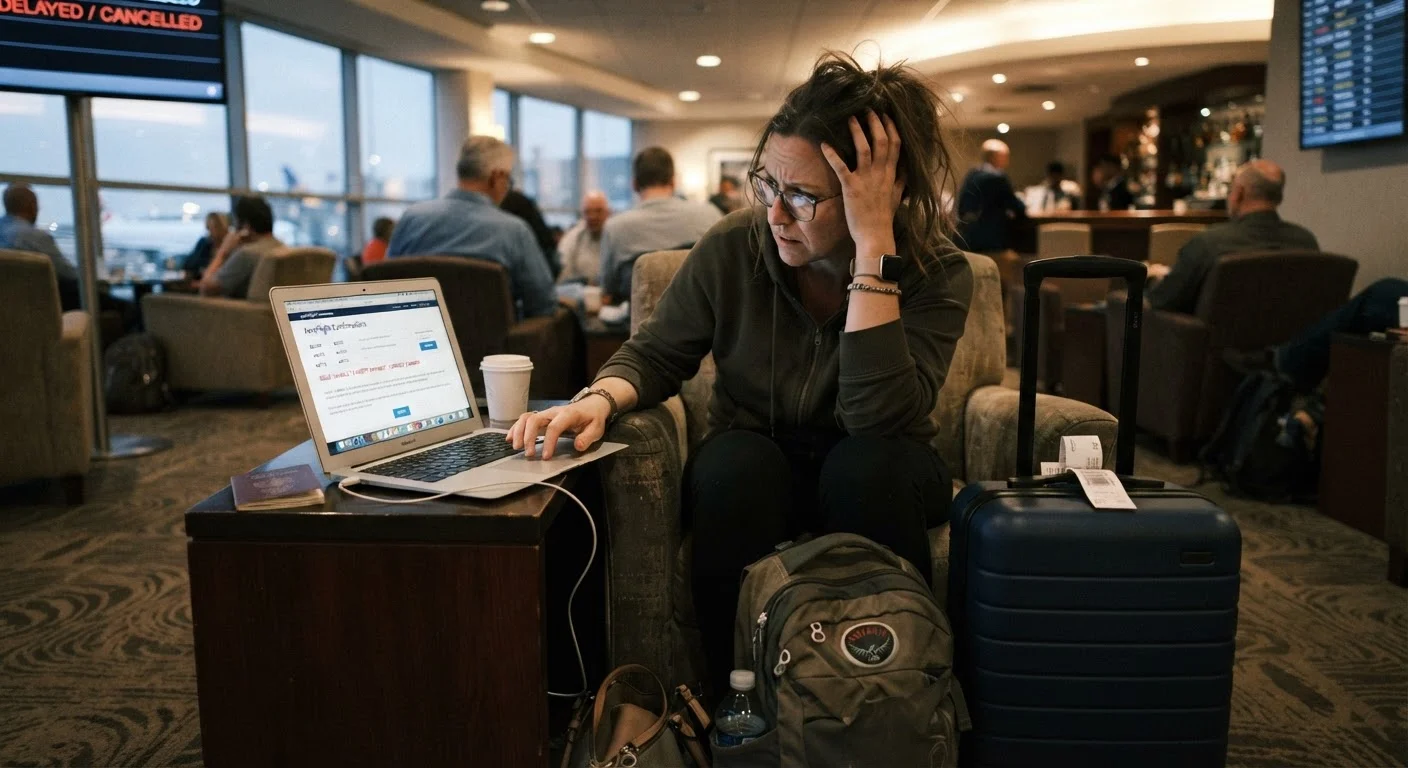
A travel adviser with supplier relationships can often resolve disruptions — cancelled flights, overbooked hotels — faster and more effectively than a traveler working alone.
Reduced cognitive load during the trip itself
When transfers, reservations, and logistics are pre-confirmed, travelers can focus on the experience rather than managing the mechanics of getting from place to place.
Valuable for complex or high-stakes itineraries
Group travel, multi-country trips, honeymoons, and accessible travel all benefit from the coordination and contingency planning a professional service can provide.
Beyond time, expertise matters. An adviser who has worked extensively with a particular region brings on-the-ground knowledge that review sites don't always capture: which neighborhoods feel safe at night, which transfers are unreliable, which highly rated restaurants have slipped in quality. That kind of contextual knowledge is difficult to replicate through independent research alone.
There's also a practical case for professional handling when trips involve complexity. Multi-destination itineraries, group bookings, and special circumstances — such as traveling with young children, elderly parents, or mobility considerations — benefit from someone who has coordinated those logistics before. And if something goes wrong mid-trip, having an advocate with supplier relationships can make the difference between a crisis and an inconvenience.
60%+
Travelers who say trip planning causes stress
Multiple consumer travel surveys have found that a majority of travelers cite the research and booking process as one of the most stressful parts of taking a trip.
10–15 hrs
Average time spent planning an international trip
Industry estimates suggest most travelers invest between 10 and 15 hours researching and booking a week-long international vacation when doing it independently.
What You Give Up When Someone Else Plans for You
The limitations are just as real. Control is the most obvious one. When you hand planning to another party, you are trusting their judgment about what fits your preferences — and that judgment is filtered through their experience, their supplier relationships, and occasionally their incentive structures. A service tied to particular hotel brands or tour operators may present options that favor their network over your specific needs.
Reduced flexibility and spontaneity
Pre-planned itineraries can feel rigid, making it harder to linger somewhere unexpectedly interesting or change direction based on how the trip unfolds.
Potential for added cost through fees or markups
Service fees, commission-driven recommendations, or bundled packages may result in higher total costs than direct booking, particularly for simple itineraries.
Personalization depends on how well you communicate
A planner can only work with the preferences you articulate clearly. Vague or incomplete briefs often produce itineraries that feel generic rather than tailored.
Possible supplier bias in recommendations
Some travel services have preferred supplier relationships that may influence which hotels or tours they suggest, which doesn't always align with a traveler's best interest.
Less direct control over each booking
When changes are needed, you may have to work through the service rather than adjusting bookings yourself, which can slow response time or add administrative friction.
Cost is another variable. Service fees, markups on accommodation, or bundled packages that don't reflect current market pricing can mean you pay more than you would booking directly — though this isn't always the case. Travelers who are comfortable with technology and have clear, simple itineraries often find that direct booking returns both savings and flexibility. For those trips, the pitfalls of using a booking service can outweigh the convenience.
There's also the question of personalization depth. No matter how thorough your briefing, another person can only approximate your travel style. The spontaneous detour, the neighborhood you want to spend three extra hours in, the restaurant you discover by walking past it — those moments are harder to engineer when your days are pre-structured by someone else's planning.
Verify Details Regardless of Who Books
Even when a travel professional handles your bookings, it's worth reviewing all confirmations yourself — entry requirements, visa rules, vaccination policies, and cancellation terms can change and may differ from what was communicated at the time of booking. Always verify entry and safety information with official government and provider sources before you travel, as conditions can shift significantly between booking and departure.
How to Decide What's Right for Your Trip
The question isn't whether travel services are good or bad — it's whether the specific trade-offs align with your specific trip. A few factors tend to tip the balance:
- Complexity: The more moving parts — destinations, connection points, group size, special needs — the more value a professional planner typically adds.
- Familiarity: First-time travel to a destination with significant language, cultural, or logistical barriers is where expert guidance earns its keep most clearly.
- Flexibility preferences: If you travel best with open days and spontaneous decisions, a tightly pre-planned itinerary may feel constraining regardless of its quality.
- Time available for planning: If the research itself becomes a burden that delays or diminishes the trip, delegating has real value even for simpler travel.
It's also worth thinking about what kind of traveler you want to be. Slow travel, for instance, resists the density and structure that packaged planning tends to produce. Some travelers find that pre-planned itineraries push them toward a pace and style that doesn't actually suit them. Understanding your own priorities before committing to a planning arrangement — or abandoning one — is the most useful preparation of all.
For trips where a travel agency genuinely adds value, the key is clear, specific communication about what matters to you and what doesn't. A service that doesn't know you strongly prefer walkable neighborhoods over resort convenience can't make good decisions on your behalf — no matter how experienced they are.