
The Depreciation Reality
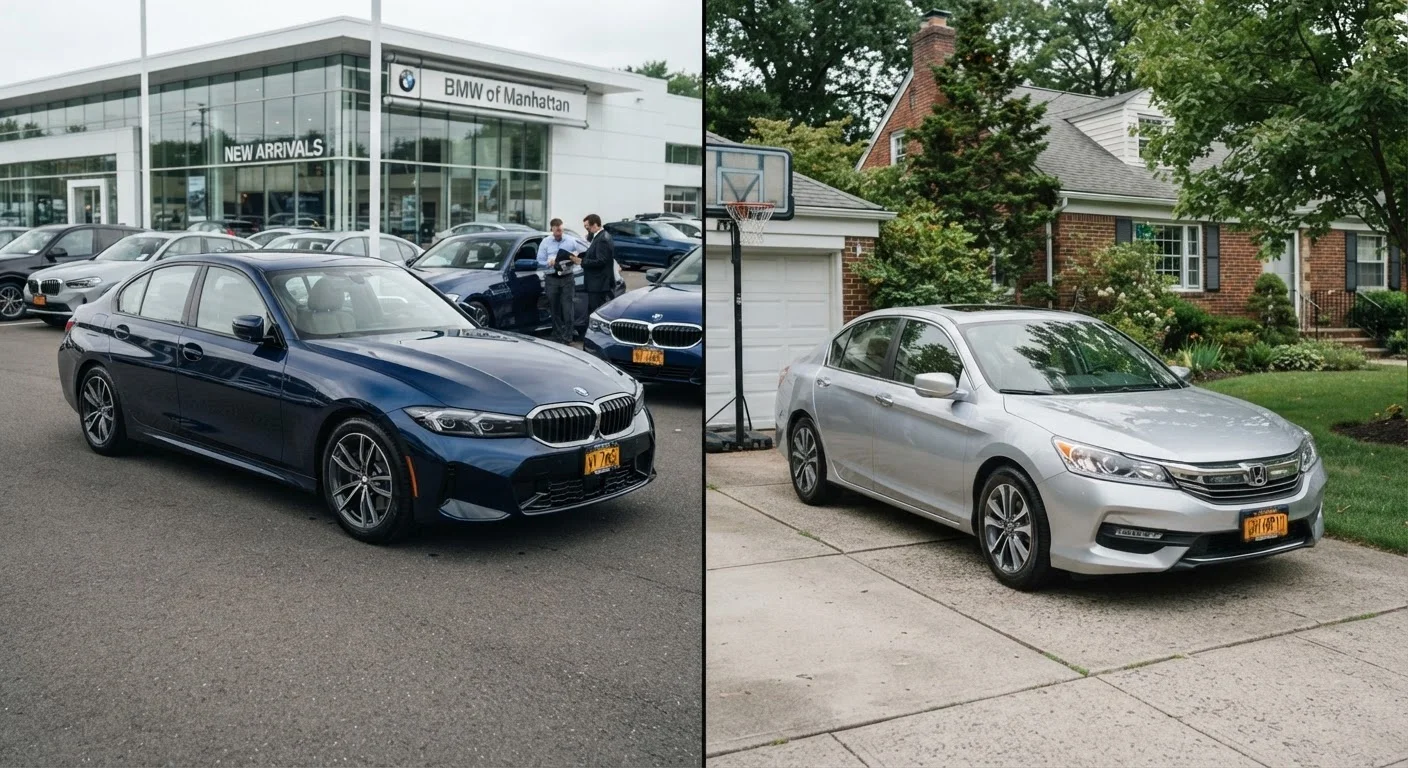
Depreciation is one of the most consequential - and frequently underestimated - factors in the new vs. used RV debate. New RVs, like new vehicles generally, lose value rapidly in their earliest years. Industry estimates suggest a new RV can shed roughly 20% or more of its value in the first year alone, with continued depreciation over the following years before the curve flattens. That loss is absorbed entirely by the first buyer.
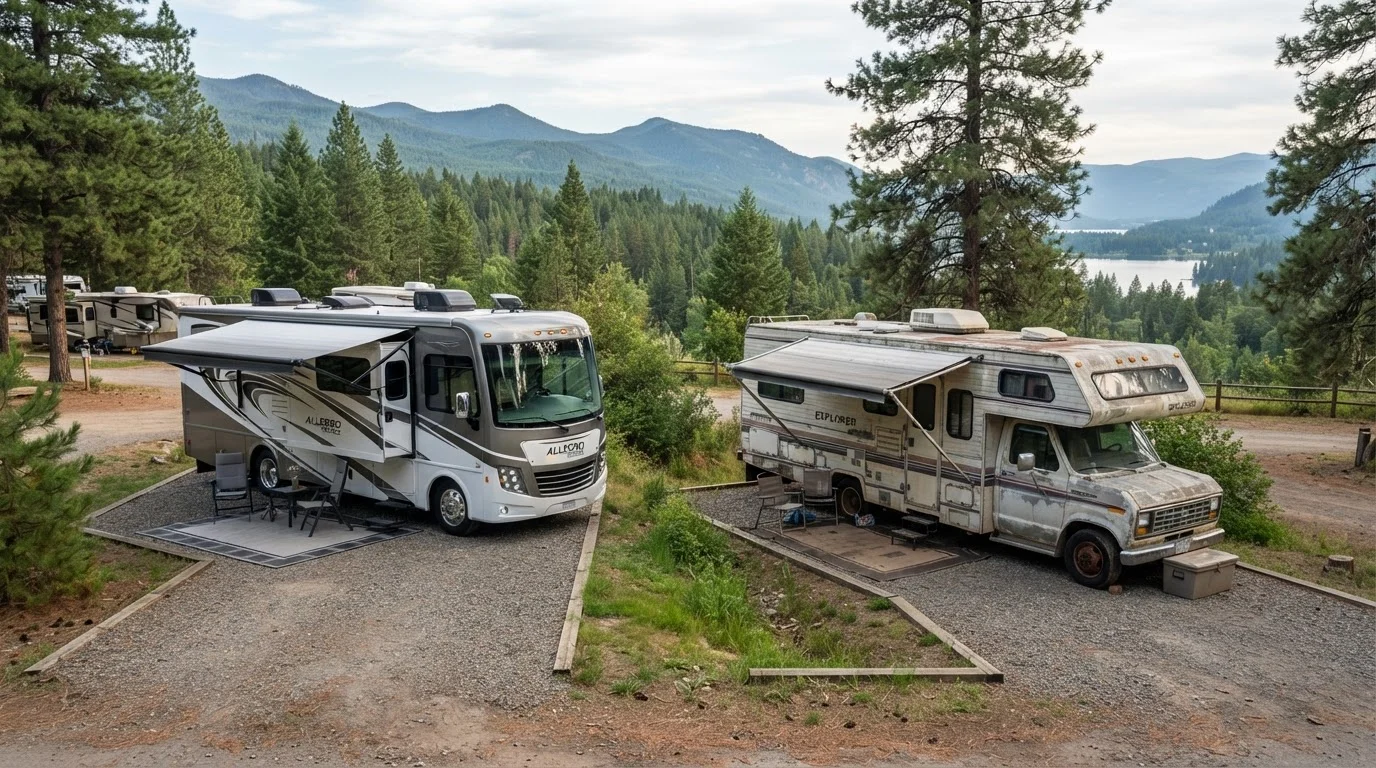
A used RV purchased two or three years into its life has already passed through that steepest decline. The buyer is effectively paying a price that better reflects the rig's current market value rather than its original retail markup. For buyers who intend to resell eventually, this slower ongoing depreciation can make the used route more financially efficient over a comparable holding period.
This dynamic closely mirrors the broader new-versus-used vehicle market. New Car vs. Used Car: What the Real Cost Difference Looks Like explores how depreciation, insurance, and maintenance interact across vehicle types - many of those principles apply directly to RV ownership as well.
~20%
Estimated first-year RV depreciation
Industry observers widely note that new RVs lose a significant portion of value in the first year, similar to other vehicle categories.
1-2 years
Typical new RV manufacturer warranty length
Most major RV manufacturers offer limited warranties in this range, though coverage terms vary by component and brand.
40M+
Americans who camp annually
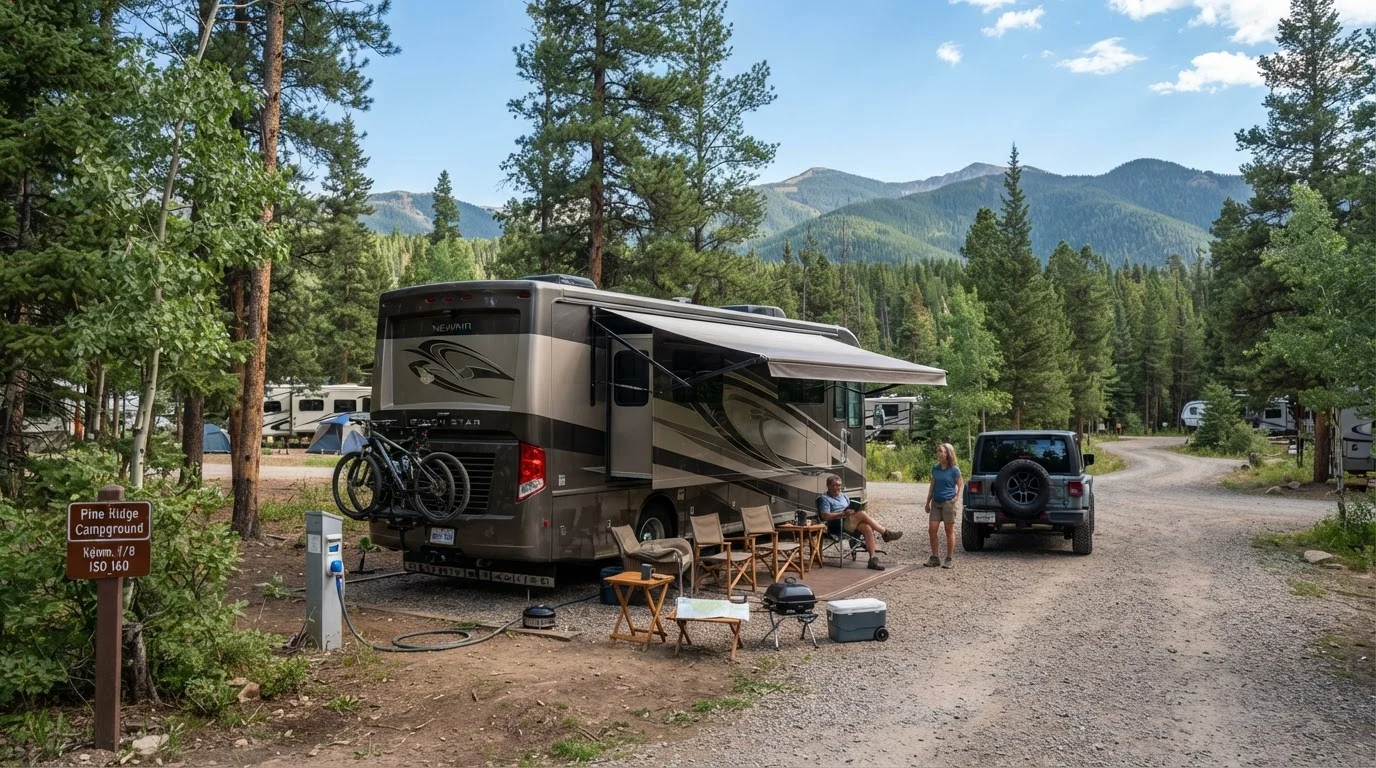
According to KOA's North American Camping Report, tens of millions of Americans participate in camping each year, driving sustained RV demand.
Warranty, Condition, and the Hidden-Risk Factor
Warranty coverage is one of the clearest structural advantages of buying new. Most new RVs come with a manufacturer's limited warranty - commonly one to two years on the coach structure and appliances, with powertrain coverage extending further on motorhomes. Some components, such as tires, are covered by the tire manufacturer rather than the RV maker, so reading the warranty documents carefully matters.
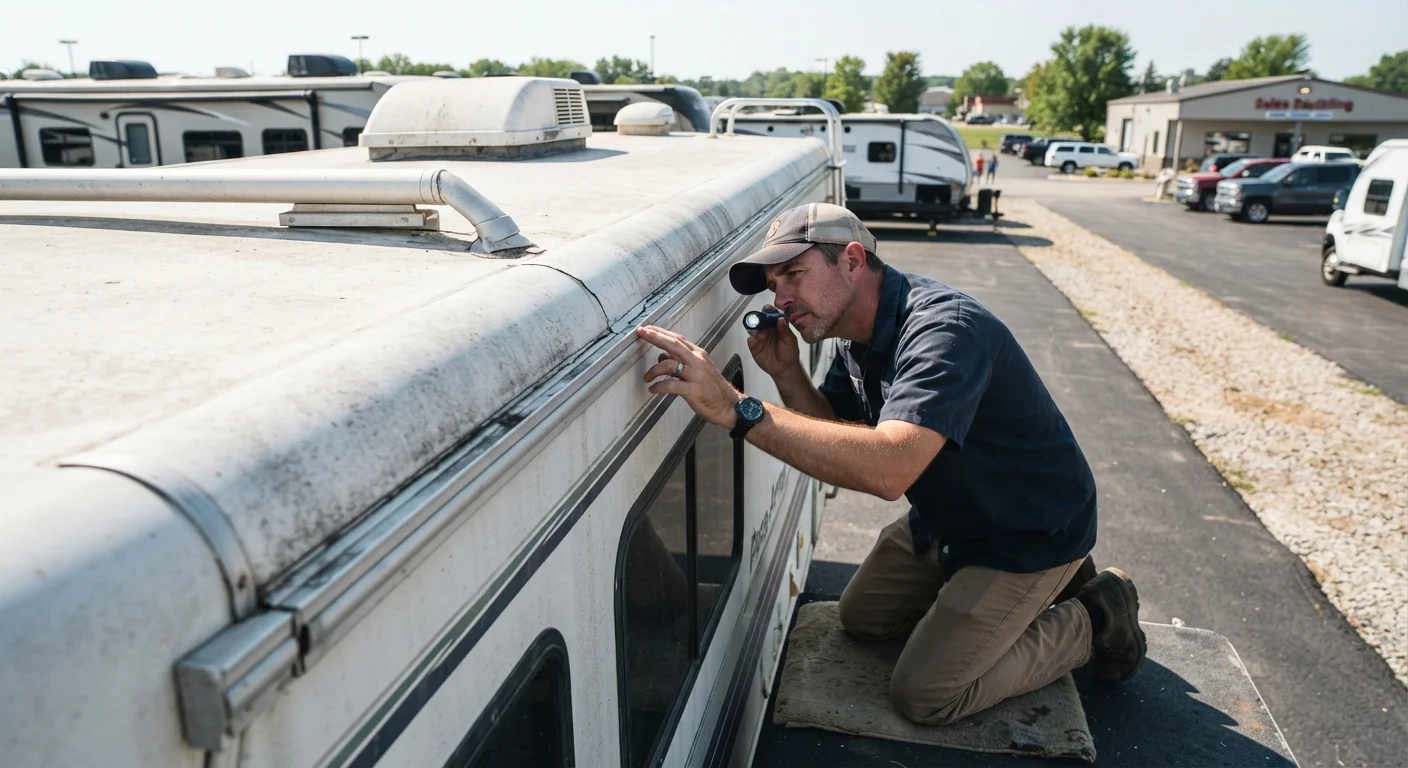
Used RVs, by contrast, typically come with no remaining warranty unless they fall under a certified pre-owned program (which is far less common in the RV market than in the automotive world). The tradeoff is that a well-inspected used unit can still represent low risk - but the diligence required is significant. Roof integrity, water intrusion, slide-out mechanisms, electrical systems, plumbing, and propane systems all warrant close examination. Pre-Purchase RV Inspection: What to Check Before You Sign Anything outlines a structured framework for evaluating a used rig before committing.
RV Quality Control Varies by Manufacturer
The RV industry does not have a uniform quality standard comparable to automotive manufacturing. Construction quality, material durability, and dealer service quality differ meaningfully across brands and price tiers. Researching owner forums, independent reviews, and service records is advisable whether buying new or used. A new purchase does not automatically guarantee a defect-free experience.
It's worth noting that quality control in the RV industry has historically been variable. Even new units sometimes leave the factory with construction defects, meaning a new RV isn't automatically free from early issues. Dealerships are typically responsible for resolving warranty claims, and responsiveness can vary.
Financing, Insurance, and Ongoing Costs
Lenders generally offer more competitive interest rates and longer loan terms on new RVs compared to older used units. However, the financed amount is also considerably higher, which means monthly payments - and total interest paid - can be substantially greater even with a lower rate. Buyers financing a used RV may face higher rates but a smaller principal balance, and the net monthly obligation can end up comparable or lower.
Insurance rates typically reflect a unit's value, so a newer, higher-value RV will generally carry a higher premium. The type of coverage chosen - comprehensive vs. liability-only vs. total loss replacement - also influences cost significantly. Beyond insurance, ongoing expenses like storage, campground fees, fuel, and maintenance apply to both new and used units. The True Cost of Owning an RV Beyond the Purchase Price provides a thorough breakdown of what annual RV ownership realistically costs across these categories.
Used RVs may carry higher near-term maintenance costs if deferred work is needed - replaced seals, updated appliances, or repaired systems. Factoring in a realistic maintenance reserve is prudent before finalizing a used purchase. For buyers not yet certain RV ownership is right for them, Renting an RV Before You Own One can be a useful intermediate step before committing to either route.
| Criterion | New RV | Used RV |
|---|---|---|
| Purchase Price | Higher sticker price | Lower entry cost |
| Depreciation | Steep in year one | Already absorbed by prior owner |
| Warranty Coverage | Manufacturer warranty included | Typically none remaining |
| Condition Certainty | High - no prior wear | Variable - inspection required |
| Financing Terms | Often more favorable rates | Rates may be higher |
| Insurance Cost | Higher (reflects unit value) | Generally lower |
| Technology & Features | Latest standard features | Older systems; varies by year |
| Early Maintenance Risk | Lower, covered by warranty | Higher; budget reserve advised |