The Depreciation Gap: Where the Biggest Cost Difference Lives
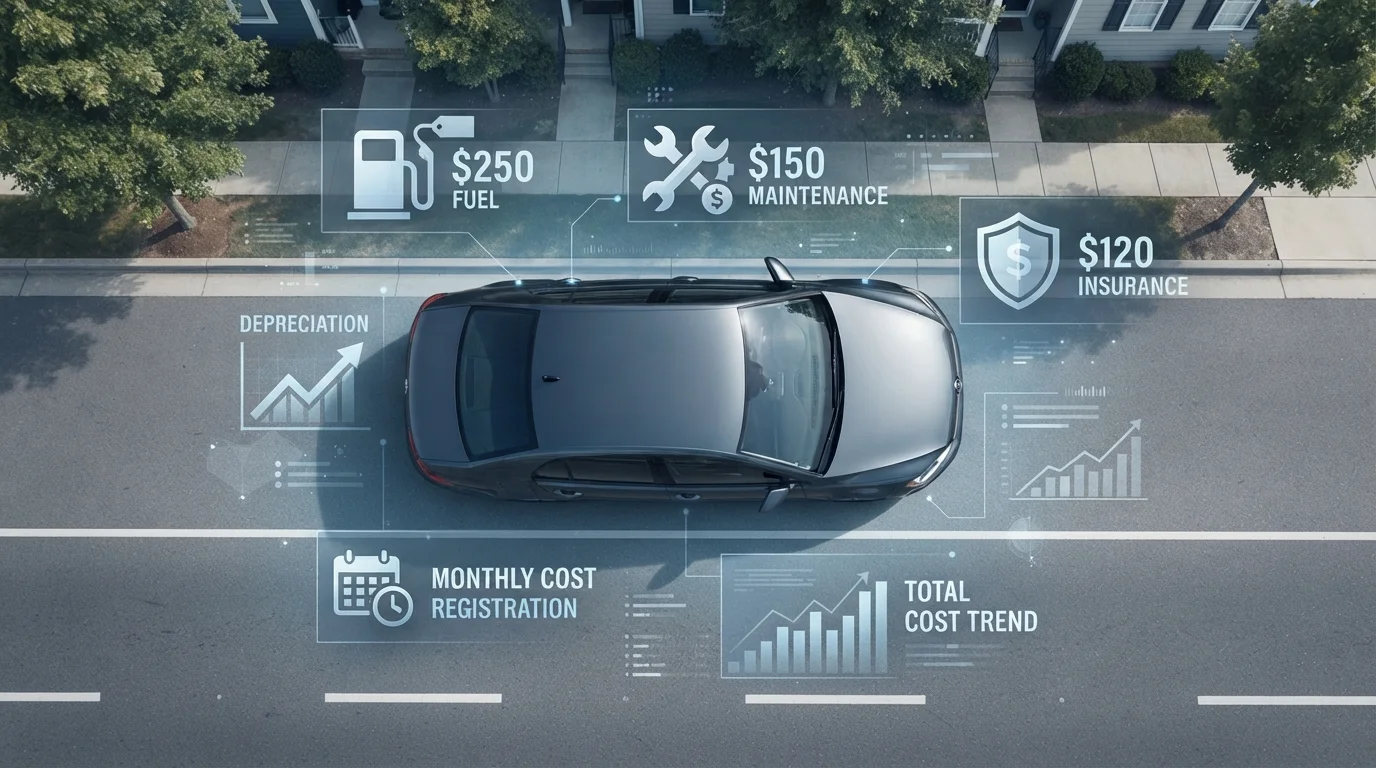
Depreciation is the single largest cost of vehicle ownership for most drivers, yet it rarely appears on a window sticker. A new car typically loses a significant portion of its market value within the first few years of ownership — industry data consistently places that early-year drop in the range of 20–30% for many segments, though the exact figure varies by make, model, and market conditions.
When you buy used, someone else has already absorbed that steepest portion of the curve. A three-year-old vehicle with moderate mileage will continue to depreciate, but at a much slower rate. Over a five-year ownership period, this can translate into a meaningfully lower real cost per mile driven, even if the used car's financing terms are slightly less favorable. For a deeper look at how these ongoing costs stack up, see our article on total cost of ownership.
| Criterion | New Car | Used Car |
|---|---|---|
| Purchase Price | Higher sticker price | Lower sticker price |
| Depreciation | Steepest in first 2–3 years | Slower; steep drop already absorbed |
| Financing Rate | Generally lower APR | Typically higher APR |
| Insurance Cost | Higher premiums | Lower premiums (lower value) |
| Registration Fees | Higher (value-based in many states) | Lower |
| Warranty Coverage | Full factory warranty | Partial, CPO, or none |
| Maintenance Predictability | High — mostly routine service | Variable — depends on age and history |
| Technology & Safety Features | Latest available | Varies by model year |
Financing, Insurance, and Registration: The Hidden Cost Layer
Purchase price is only one input. Three recurring costs shift substantially between new and used vehicles:
- Financing rates: New car loans — including manufacturer-subsidized offers — tend to carry lower annual percentage rates (APRs) than used car loans. A used vehicle's rate can run one to several percentage points higher depending on the lender and the vehicle's age, partially offsetting the lower sticker price.
- Insurance premiums: Comprehensive and collision coverage is priced against a vehicle's replacement value. New vehicles cost more to insure because they cost more to replace. The gap narrows as a new car depreciates, but in the early years the difference in annual premiums can be notable.
- Registration fees and taxes: Many states calculate registration fees on vehicle value, meaning a new car carries higher annual registration costs. Sales tax is also assessed on the purchase price, so a lower used-car price reduces that one-time expense.
Understanding how fees compound is important. The out-the-door price on any vehicle — new or used — includes taxes, documentation fees, and other charges that can add hundreds to thousands above the advertised figure.
~20–30%
Typical new-car value lost in first year
Industry analysts broadly estimate new vehicles lose a significant share of value within the first 12 months, though the range varies by segment and market conditions.
1–4 pts
APR gap: used vs. new car loans
Used vehicle loan rates have historically run higher than new vehicle rates; the spread fluctuates with overall interest rate environments.
3 yrs
Typical bumper-to-bumper warranty period
Most major manufacturers offer a three-year bumper-to-bumper warranty on new vehicles, though terms vary by automaker.
Maintenance and Reliability: Predictability vs. Risk
New cars come with factory warranties — typically a bumper-to-bumper period of around three years and a powertrain warranty extending longer, though exact terms vary by manufacturer. Within those windows, most mechanical repairs are covered, keeping maintenance costs relatively predictable. Routine service (oil changes, tire rotations, filters) is the primary expense a new-car owner faces in the first few years.
Used cars present a different profile. If the vehicle is within its original warranty window or covered by a certified pre-owned (CPO) program, some of that protection carries over. Outside warranty, the owner bears all repair costs. Older vehicles are statistically more likely to need brake work, suspension components, belts, and other wear items. Whether those costs remain manageable depends heavily on the specific vehicle's history, how it was maintained by prior owners, and what a pre-purchase inspection reveals.
Buyers considering the step up to a certified pre-owned vehicle should weigh the tradeoffs carefully — see CPO vs. standard used for a breakdown of what that premium typically buys. When repairs do arise, the choice between original and aftermarket components also affects long-term costs; our guide to OEM vs. aftermarket parts explains the tradeoffs.
Pre-Purchase Inspection Is Essential for Used Cars
Before committing to any used vehicle, having an independent, qualified mechanic inspect it can reveal hidden issues not visible during a test drive. This step is particularly important for vehicles no longer covered by a factory warranty. A typical pre-purchase inspection costs a modest fee and can surface potential repair needs that significantly affect the true cost of ownership.
Making the Comparison Work for Your Situation
There is no single right answer between new and used — the better financial choice depends on how long you plan to own the vehicle, your financing options, your tolerance for maintenance uncertainty, and the specific models under consideration. Running the numbers on total cost of ownership, not just the monthly payment, gives the most accurate picture.
A few questions worth working through before deciding: How long do you plan to keep the vehicle? Longer ownership periods reduce the per-year impact of depreciation on a new car. What financing rate can you realistically qualify for on each option? And does the used vehicle you're considering have a verifiable service history and a clean title?
If the purchase involves crossing state lines, additional considerations around taxes and title apply — our article on buying a car out of state covers what to verify before signing. Whatever path you choose, comparing vehicles on their full cost picture — not just the number on the window — puts you in the strongest position.