
Understanding RV Types
The term RV (recreational vehicle) covers a wide spectrum of rigs, and choosing the wrong category is one of the most common first-timer mistakes. Units fall into two broad families: motorized and towable.
GVWR
Gross Vehicle Weight Rating — the maximum total weight a vehicle is designed to carry, including passengers, cargo, and fluids. Never exceed this figure.
Tow rating
The maximum weight a vehicle is rated to pull behind it when properly equipped. This figure is set by the manufacturer and must not be exceeded.
Full hookups
A campsite that provides all three utility connections: electrical power, fresh water, and sewer — eliminating the need to rely on the RV's onboard tanks.
Boondocking
Camping without any external utility connections, relying entirely on the RV's own water supply, battery power, and holding tanks.
Slide-out
A section of an RV's interior that extends outward when parked to increase living space, then retracts for travel.
Dump station
A facility at campgrounds or fuel stations where RV owners can empty their gray water (used sink/shower water) and black water (sewage) holding tanks.
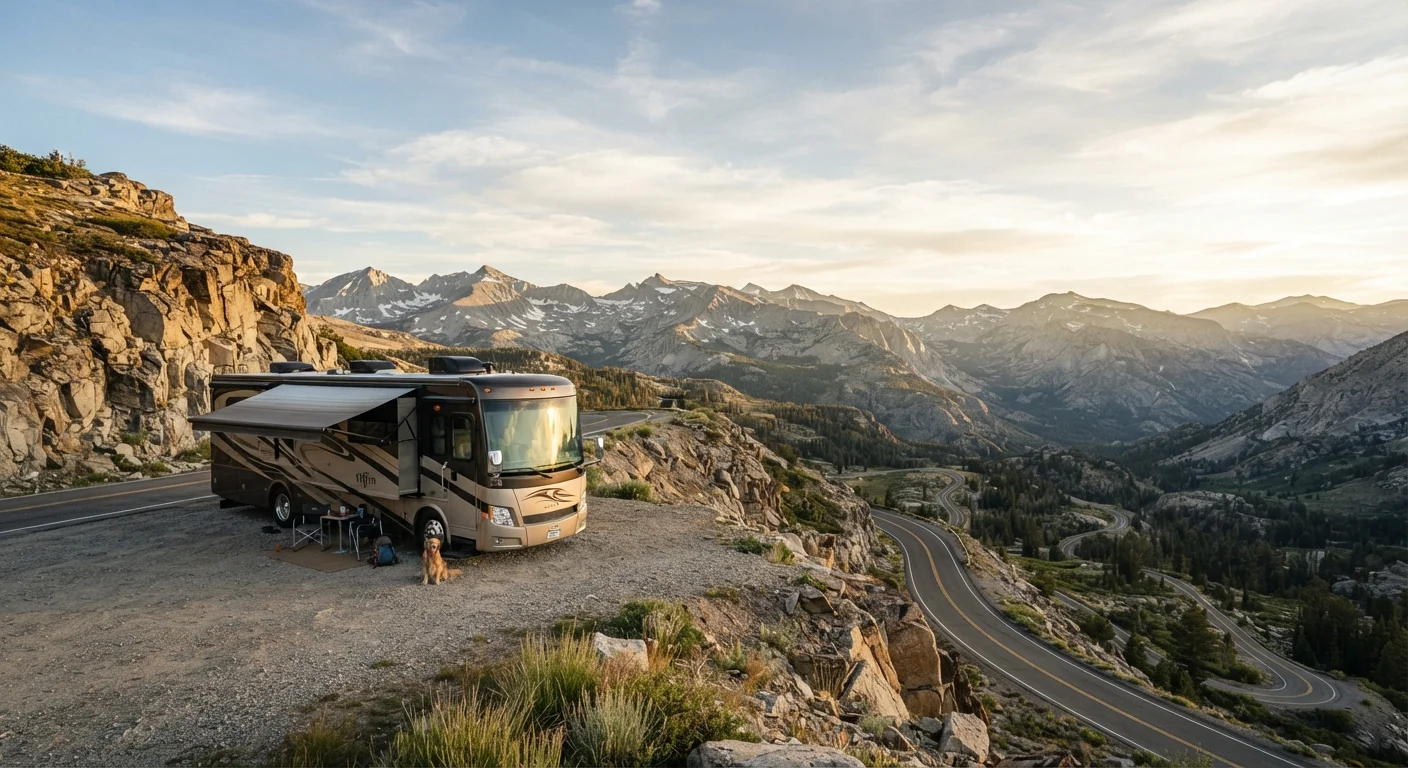
Motorized RVs have their own drivetrain. Class A coaches are the largest — bus-style units that typically run 26 to 45 feet. Class B camper vans are the most maneuverable and fuel-efficient, built on a standard cargo van chassis. Class C units occupy the middle ground, recognizable by the cab-over sleeping area above the driver's cab.
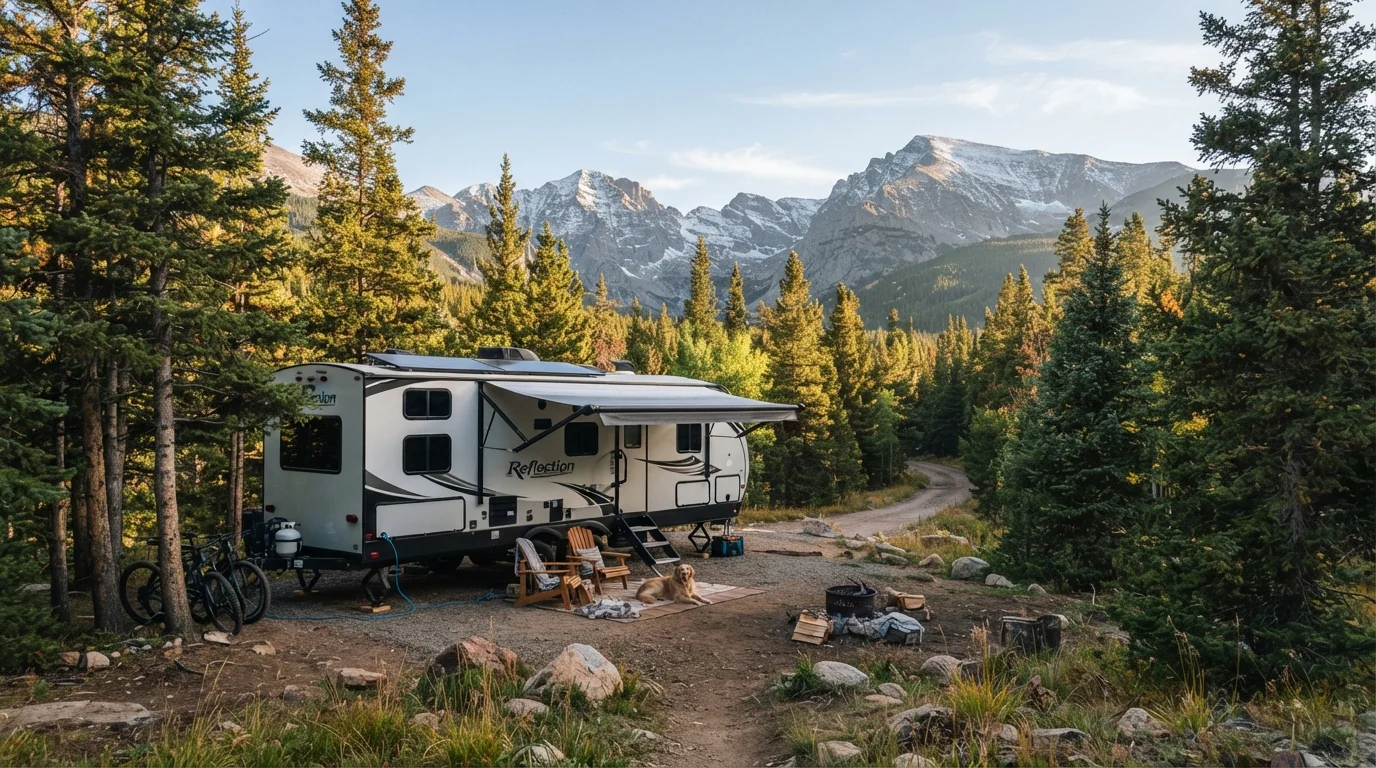
Towable RVs require a separate tow vehicle. Travel trailers are the most common entry point, hitching to a ball mount on virtually any capable pickup or SUV. Fifth wheels connect via a bed-mounted hitch and generally offer more interior space. Folding pop-up campers provide an affordable, lightweight option for those starting small.
What It Actually Costs
Purchase price is only the beginning of the RV ownership equation. New travel trailers can start below $15,000 for basic models, while new Class A diesel pushers can exceed $300,000. Used units span the entire range. But the ongoing expenses are where many first-timers are caught off guard.
Rent Before You Commit
Renting an RV for a weekend trip before purchasing is one of the most practical steps a first-timer can take. It lets you test a specific class of vehicle, experience campground logistics firsthand, and identify comfort preferences — all before signing a purchase contract. Many peer-to-peer rental platforms make this easier than ever.
- Fuel: Motorhomes typically average 7–13 mpg depending on size and engine type. Long trips accumulate significant fuel expense.
- Insurance: RV insurance costs vary based on class, usage (part-time vs. full-time), and coverage level. Consult a licensed insurance agent for an accurate quote specific to your situation.
- Storage: If you lack home storage space, monthly facility fees apply year-round.
- Maintenance: Roof resealing, tire replacement, appliance servicing, and generator upkeep are recurring costs. Budget at least 1–2% of the unit's value annually for maintenance as a starting point.
- Campground fees: Even modest nightly rates accumulate quickly over a season.
For a candid look at whether the financial math works out, common RV myths worth questioning include the widely held belief that RVing automatically saves money over other travel styles.
Towing and Driving Requirements
Matching your tow vehicle to your trailer is a matter of both safety and legality. Every vehicle has a Gross Vehicle Weight Rating (GVWR) — the maximum allowable loaded weight — and a published tow rating. Exceeding either creates dangerous handling conditions and may void your vehicle warranty.
Never Exceed Your Tow Vehicle's Ratings
Towing a trailer heavier than your vehicle's rated capacity significantly reduces braking effectiveness, increases sway risk, and can cause loss of control — particularly on hills or in crosswinds. Always calculate your loaded trailer weight (not just dry weight) against your vehicle's actual tow rating, payload capacity, and GCWR before departure.
Key numbers to understand:
- Tongue weight
- The downward force a trailer applies to the hitch ball, typically 10–15% of the trailer's total weight. Your hitch and vehicle must be rated for this load.
- Payload capacity
- What your tow vehicle can carry in passengers and cargo before coupling a trailer. Payload is a separate limit from tow rating and is often overlooked.
- Gross Combined Weight Rating (GCWR)
- The maximum combined weight of the tow vehicle plus the fully loaded trailer. Never exceed it.
For motorhomes, driving proficiency comes with practice. Most states require only a standard driver's license for units under a certain weight, but the driving dynamics — braking distance, turning radius, wind sensitivity — are meaningfully different from passenger vehicles. Consider renting a comparable unit for a weekend before committing to a purchase.
Campgrounds and Where You'll Stay
Where you park your RV determines your comfort level significantly. Campgrounds vary in the utilities they provide, collectively called hookups.
- Full hookups include electric, water, and sewer connections at your site — the most convenient option.
- Partial hookups typically include electric and water but require you to use a campground dump station for sewage.
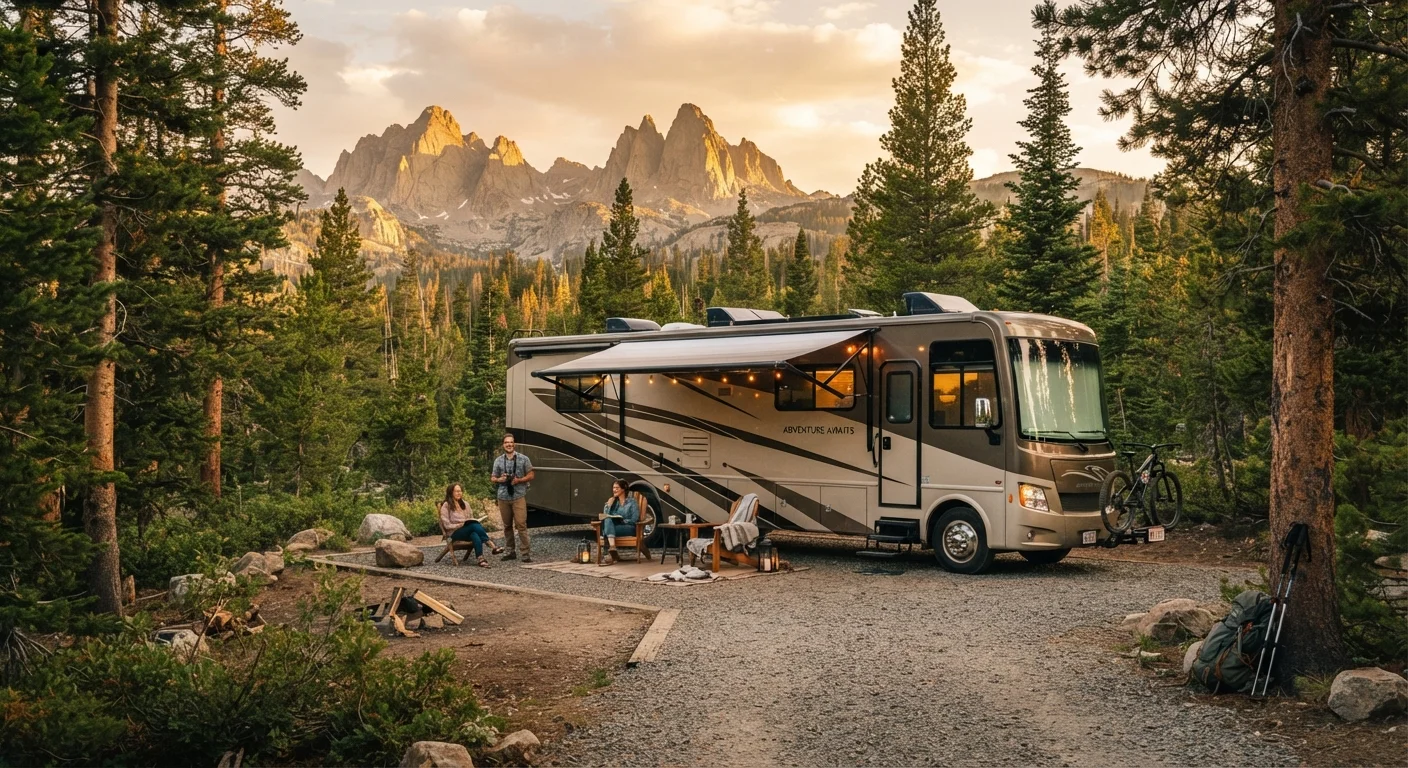
- Dry camping (boondocking) means no external utilities. You rely entirely on your RV's onboard fresh water tank, battery bank, and holding tanks for waste.
Options range from private RV parks (often well-amenitied) to state and national park campgrounds, Corps of Engineers sites, and dispersed camping on Bureau of Land Management (BLM) or National Forest land. Each category has different reservation systems, fee structures, and rules. Reservations at popular destinations — especially national parks — often need to be made months in advance.
Proper end-of-season care is equally important once you stop traveling. Winterizing your RV correctly prevents burst pipes and costly water damage when temperatures drop.
Questions First-Timers Often Overlook
Beyond the fundamentals, several practical questions tend to surprise new RV owners:
- Where will you receive mail? Full-timers and frequent travelers need a mail forwarding service or a designated domicile address.
- How will you handle internet connectivity? Cellular signal, campground Wi-Fi quality, and mobile hotspot data plans all vary dramatically by location.
- What is your plan for repairs on the road? Not every town has an RV-qualified service center. Roadside assistance coverage designed for RVs is worth exploring.
- Have you test-driven or rented first? Renting a comparable RV for a few nights is the single most effective way to evaluate whether the lifestyle matches your expectations before a major financial commitment.
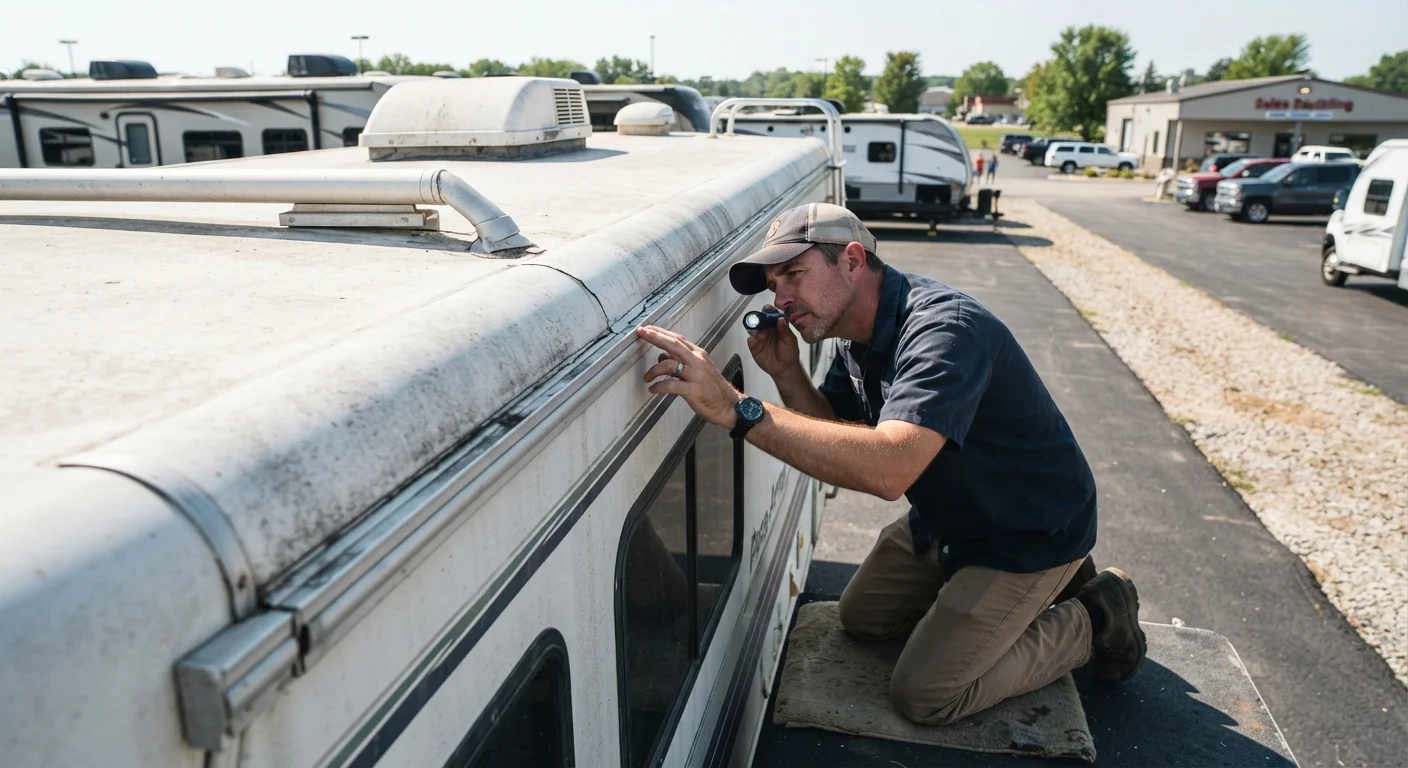
If you're considering embracing RV travel more fully, our piece on the honest trade-offs of the RV lifestyle provides context that goes well beyond the promotional picture often painted at dealerships. And if you're ready to evaluate a specific unit, the pre-purchase RV inspection checklist outlines exactly what to examine before signing anything.