
Why the Labels Matter More Than You Might Think
Calling a car "classic" at a weekend cruise-in is harmless. But when you're registering a vehicle with your state's DMV, shopping for specialty insurance, or verifying authenticity before a purchase, imprecise terminology can create real problems. The label attached to an older vehicle can determine its registration fees, insurance structure, legal use on public roads, and market value.
Three terms dominate most discussions — antique, vintage, and classic — and all three are frequently misused. Understanding what each actually means in formal contexts helps you navigate every stage of ownership more confidently. If you're new to this world, a first-timer's guide to classic car terminology can provide additional context before you dive deeper.
No Single Definition Governs All Contexts
A vehicle may qualify as an antique under state law, be ineligible for CCCA Full Classic status, and still qualify for specialty insurance coverage — all at the same time. These classification systems operate independently of one another. Always check the specific criteria of the relevant organization, registry, or insurer rather than assuming one label applies across the board.
How State Registries Define Antique and Classic
At the state level, classification is primarily about age and use. Most states define an antique vehicle as one that is 25 or more years old, though some use 30 years and a handful use 20. Antique registration typically comes with restrictions: the vehicle may only be used for shows, exhibitions, parades, or occasional pleasure driving — not daily commuting.
Many states also have a separate classic vehicle registration category, often with a shorter age threshold (sometimes as low as 15 or 20 years) and fewer restrictions on use. These definitions are set at the state level and are not uniform across all 50 states. Before registering an older vehicle under a specialty plate, verify the specific requirements with your state's motor vehicle authority.
25+ years
Typical state antique vehicle age threshold
Most U.S. states set the antique vehicle registration threshold at 25 or more years, though exact requirements vary by state.
1915–1948
CCCA Full Classic production window
The Classic Car Club of America restricts its "Full Classic" designation to vehicles of exceptional quality built during this specific period.
5,000–7,500 mi
Typical annual mileage limit for specialty insurance
Many specialty classic car insurers cap annual mileage in this range as a condition of coverage, though limits vary by policy.
How Collector Organizations Define 'Classic'
The most restrictive and historically significant definition comes from the Classic Car Club of America (CCCA). The CCCA defines a "Full Classic" as a vehicle of exceptional quality produced between 1915 and 1948. Membership on the CCCA's approved list is selective — not every old car from that era qualifies. Vehicles must meet standards related to engineering distinction, coachwork quality, and historical significance.
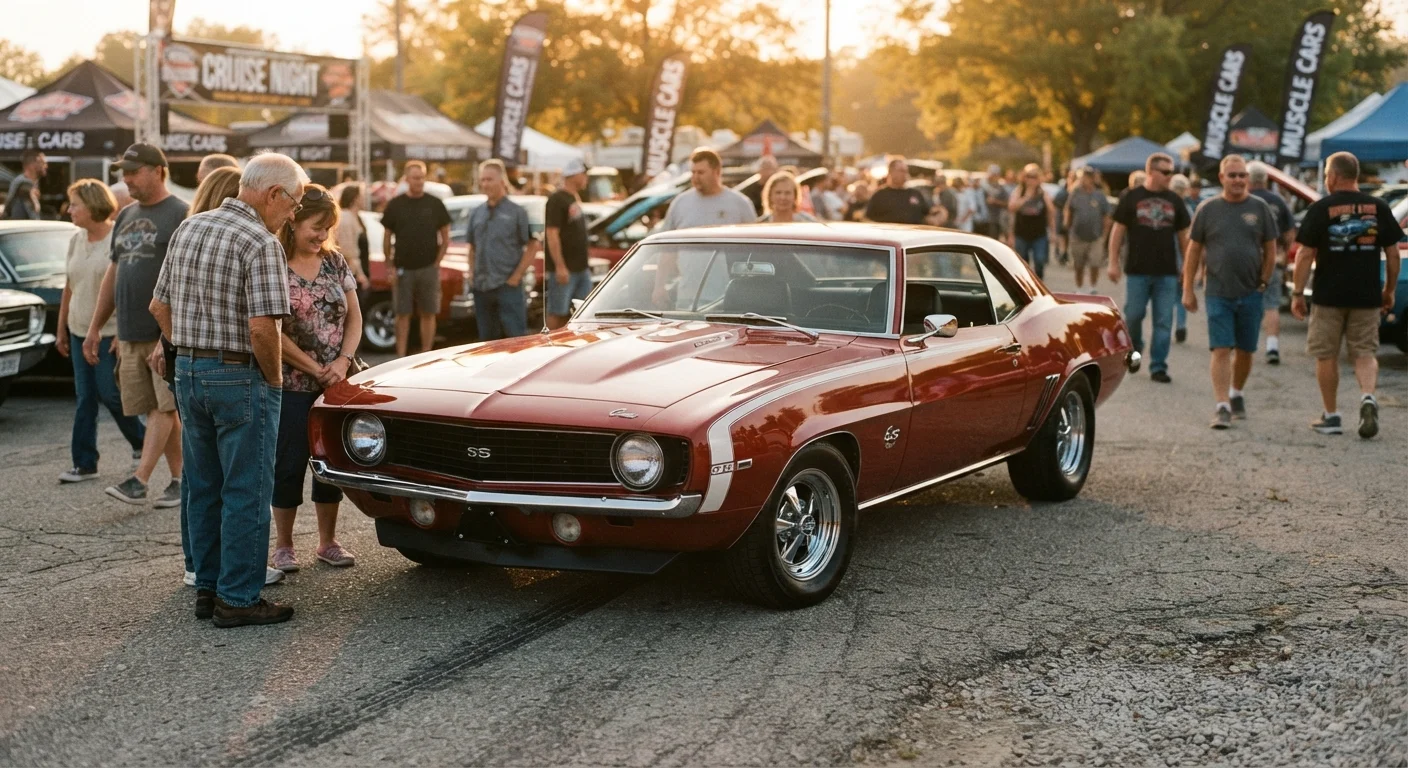
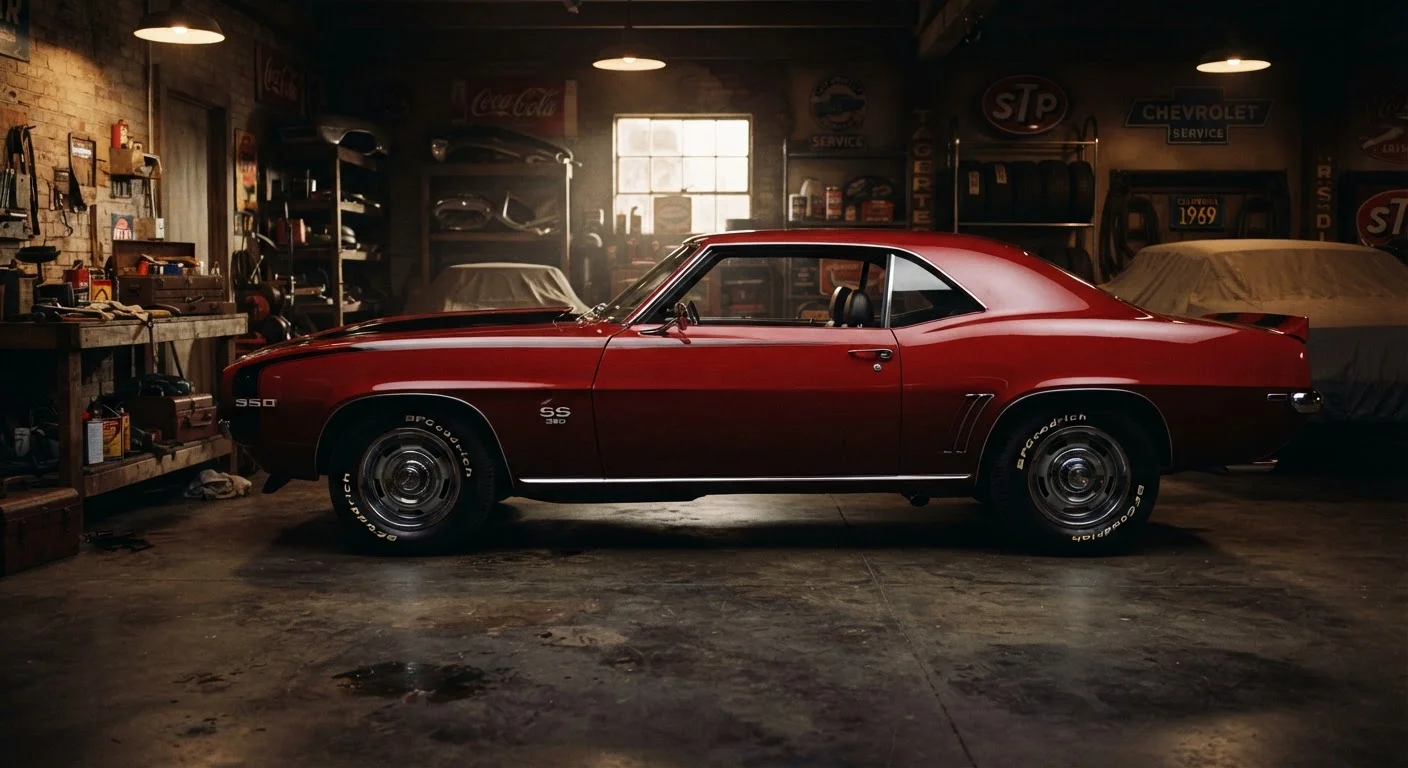
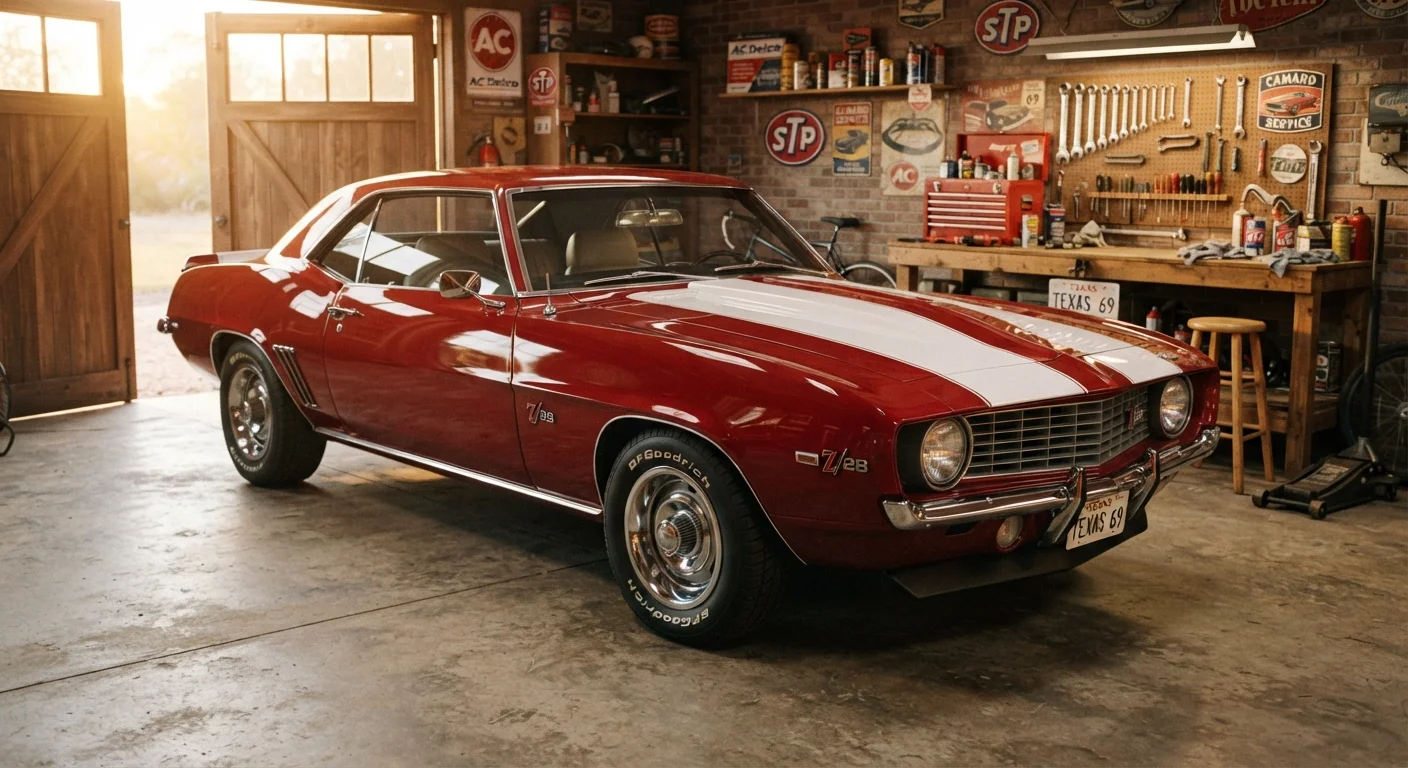
This definition is far narrower than everyday usage. A well-preserved 1967 muscle car would not qualify as a CCCA Full Classic, even though most people would casually describe it as one. The CCCA's framework was created to recognize a specific era of American and European craftsmanship, not to serve as a general descriptor for all old vehicles.
Other organizations, such as the Antique Automobile Club of America (AACA), use broader and more inclusive criteria, generally welcoming any vehicle 25 or more years old that is preserved or restored to period-correct condition.
What 'Vintage' Actually Refers To
"Vintage" is perhaps the loosest term in common use. In the United States, it has no consistent legal definition at the state level, and it is used casually to refer to almost any car that looks old. In more specialized automotive contexts, "vintage" is often applied to vehicles built before World War II — roughly pre-1942 — though some enthusiasts and organizations draw the line differently.
In the United Kingdom, the Vintage Sports-Car Club (VSCC) applies "vintage" specifically to vehicles built between 1919 and 1930, with "Edwardian" covering pre-1919 vehicles and "post-vintage thoroughbred" covering 1931–1940. American usage does not follow these categories precisely, so context always matters when this term appears in listings, titles, or coverage documents.
“The word 'classic' is one of the most overused and least defined terms in the automotive world. What matters is which organization or institution is doing the classifying — and for what purpose.”
— Automotive Heritage Foundation, Vehicle classification and preservation advocacy organization
How Insurers Draw the Line
Insurance classification is where definitions have the most immediate financial impact. Specialty insurers typically require a vehicle to meet several criteria simultaneously: a minimum age (often 15–25 years depending on the insurer), a well-maintained or restored condition, limited annual mileage (commonly under 5,000–7,500 miles per year), and secure, enclosed storage.
Unlike standard auto insurance, which pays actual cash value (market value minus depreciation), specialty classic car policies frequently use an agreed value structure — meaning the insurer and owner agree on the vehicle's value upfront, and that amount is paid in full if the vehicle is declared a total loss. This distinction is significant. For a detailed breakdown of how this coverage works, see how classic car insurance differs from standard coverage.
Modifications to a vehicle can also affect insurability and classification. Significant non-period changes — engine swaps, altered bodywork, modern interiors — may disqualify a car from specialty coverage or reduce the agreed value an insurer will accept. Before committing to ownership, understanding the full picture of classic car ownership can help you plan accordingly.
Confirm Classification Before You Buy or Insure
If you are purchasing a vehicle specifically to qualify for antique registration plates or specialty insurance rates, verify the exact requirements before finalizing the purchase. Some states require an inspection; some insurers require an appraisal. Confirm that the vehicle's condition, mileage history, and any modifications align with the criteria you are relying on.
Condition, Authenticity, and the VIN
Regardless of which definition applies, condition and authenticity are nearly always central to a vehicle's classification, valuation, and appeal to collectors. A vehicle that has been poorly modified, incompletely restored, or fitted with mismatched components may fail to qualify for the classification its age alone would otherwise earn.
One of the most reliable tools for verifying a vehicle's history and factory specifications is its Vehicle Identification Number (VIN). A VIN can confirm the model year, assembly plant, original engine, and factory options — all of which matter when establishing authenticity. How a classic car's VIN tells its life story explains how to decode this information in detail.
Well-intentioned restoration decisions can also cause problems. Using incorrect paint codes, non-original parts, or modern components where period-correct ones are expected can quietly reduce a vehicle's collector value. Common mistakes that reduce a classic car's value covers what to avoid.