
What Actually Separates a Hatchback from a Sedan
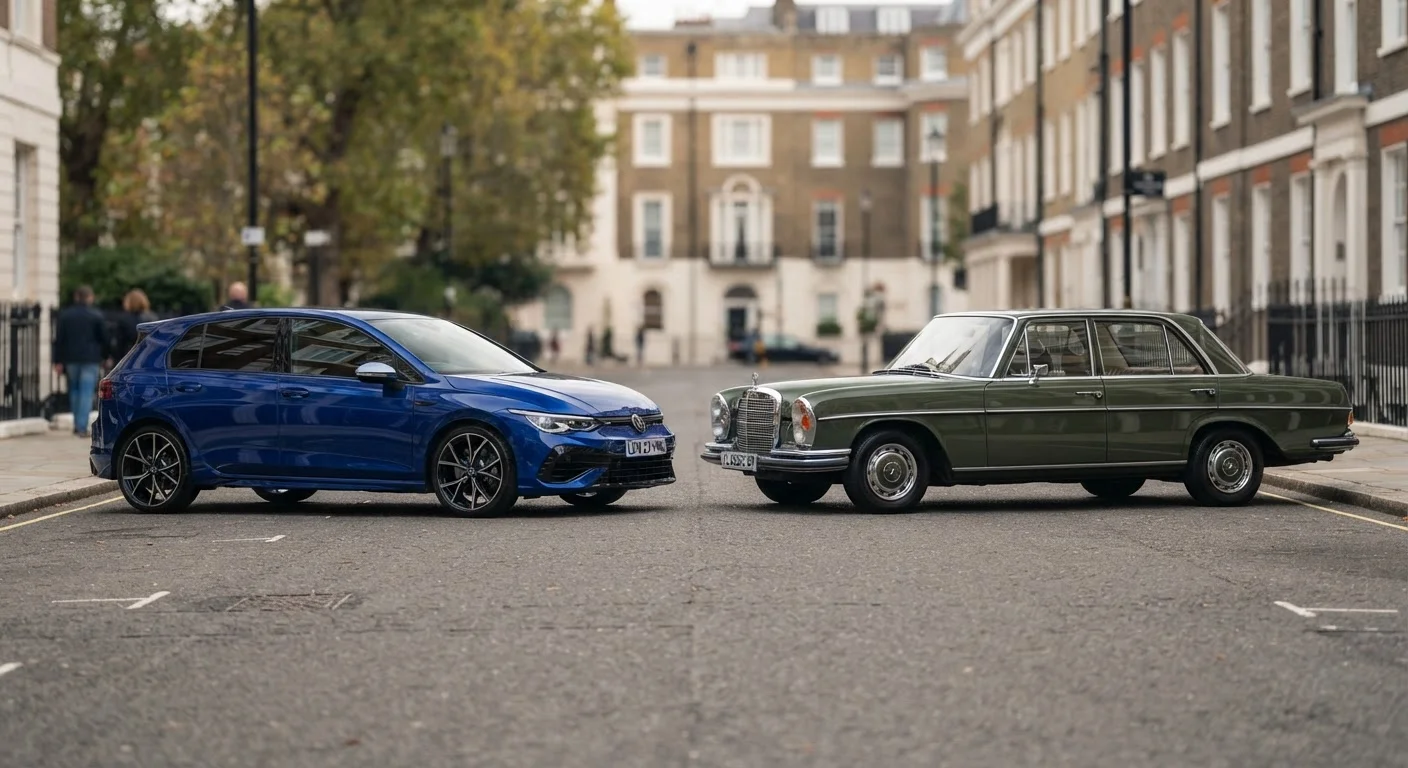
At their core, hatchbacks and sedans are defined by how they manage the rear of the vehicle. A sedan is a three-box design — engine compartment, passenger cabin, and a structurally separate trunk. A hatchback collapses the cabin and cargo area into a single continuous space, accessed via a top-hinged rear door called a liftgate.
This distinction is more than cosmetic. Because the hatchback's cargo floor connects directly to the passenger area, folding the rear seats creates a flat, extended load surface. The sedan's trunk, separated by a structural bulkhead, cannot offer the same configuration — though many sedans do include a small pass-through opening for long items like ski bags.
Many manufacturers build both body styles on the same platform. That means the same engine, suspension, safety structure, and interior dimensions can exist in either form — the rear architecture is essentially what you're choosing between. For a broader look at how vehicles are classified across body styles, see our guide to American vehicle types.
Cargo, Cabin, and Practicality Trade-Offs
The hatchback's liftgate is its defining practical advantage. With rear seats folded, many compact hatchbacks can accommodate cargo volumes comparable to small crossovers — bicycles, flat-pack furniture, and large luggage become manageable without a trailer or roof box. When the seats are up, the cargo area is smaller than a sedan's trunk by raw cubic footage in many models, but the low, wide liftgate opening makes loading easier.
Sedans counter with a deeper, dedicated trunk that keeps luggage out of sight and away from passengers — a meaningful benefit for road trips or when leaving belongings in a parked car. The structural separation also dampens road noise from the rear more effectively, contributing to a quieter highway experience. Families who regularly carry rear-seat passengers on long drives often find this a meaningful advantage.
| Criterion | Hatchback | Sedan |
|---|---|---|
| Cargo configuration | Flexible; folds to flat load floor | Fixed trunk, limited pass-through |
| Trunk privacy | Cargo visible through rear glass | Enclosed, out of sight |
| Overall length | Typically shorter | Typically longer |
| Cabin noise isolation | Cabin and cargo share airspace | Structural bulkhead reduces noise |
| Rear-seat headroom | Often more vertical space | Varies; sloping rooflines can reduce it |
| Loading ease | Wide liftgate opening | Narrower trunk aperture |
| Styling profile | Two-box, compact silhouette | Three-box, classic proportions |
Visibility is another consideration. The hatchback's steeper rear glass and shorter tail can create a cleaner rear sightline in some designs, while the sedan's longer trunk lid may feel more natural when reversing in tight spaces. Neither is universally superior — it depends on the specific model and driver preference.
Size, Efficiency, and Urban Driving
Hatchbacks are generally shorter bumper-to-bumper than their sedan counterparts on the same platform, which translates to a smaller turning radius and easier urban parking. If street parking is part of your daily routine, a few inches in overall length can matter more than any spec sheet figure.
~4–6 in
Typical length difference on same platform
Many manufacturer model lines show hatchback variants running roughly four to six inches shorter overall than their sedan counterparts.
~10–15 cu ft
Sedan trunk volume range (compact class)
U.S. compact sedans commonly offer between 13 and 15 cubic feet of dedicated trunk space, per manufacturer specifications.
2×+
Hatchback cargo expansion with seats folded
Folding the rear seats in a typical compact hatchback can more than double usable cargo volume compared to the seats-up configuration.
On fuel economy, the differences between hatchback and sedan variants of the same model are usually modest — often within one or two miles per gallon. Weight tends to be marginally lower in hatchbacks due to the simpler rear structure, which can contribute to a slight efficiency edge, but this varies by make and model. Neither body style is categorically more fuel-efficient than the other across the market.
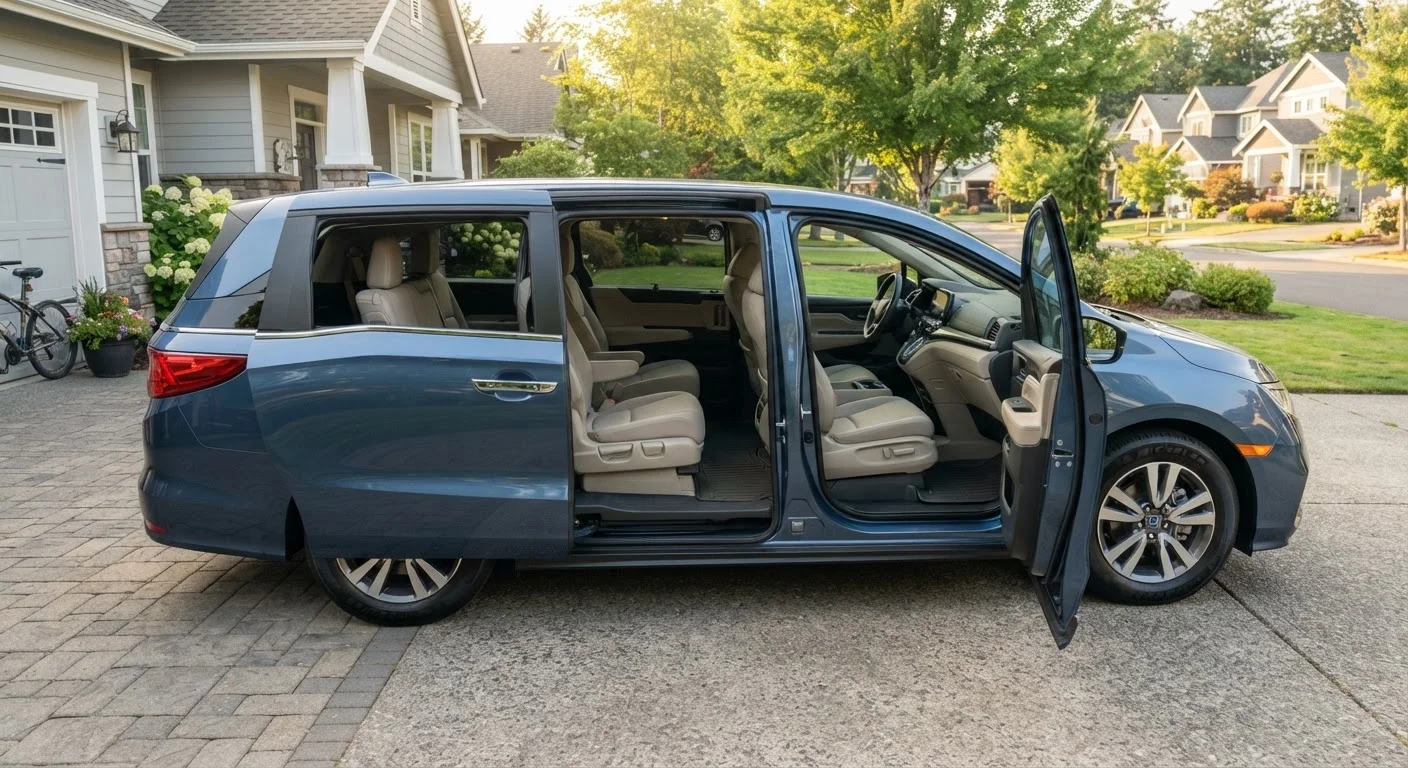
For drivers considering alternatives that offer more interior volume altogether, our article on minivans and their practical advantages provides a frank comparison. If your needs center on matching vehicle type to your actual driving patterns before diving into specific models, the practical framework for choosing a vehicle type is worth reviewing first.
Body Style vs. Vehicle Class: A Useful Distinction
Hatchback and sedan describe body style — the physical shape and rear architecture of a vehicle. They don't define vehicle class, drivetrain, or segment. A compact hatchback and a full-size sedan share a body-style label with very little else in common. When comparing specific models, look past the body style to factors like wheelbase, powertrain options, and safety ratings to make a meaningful comparison. For more on how construction choices affect driving dynamics, see our piece on body-on-frame vs. unibody construction.