
Why Vehicle Type Is the Decision That Shapes Everything Else
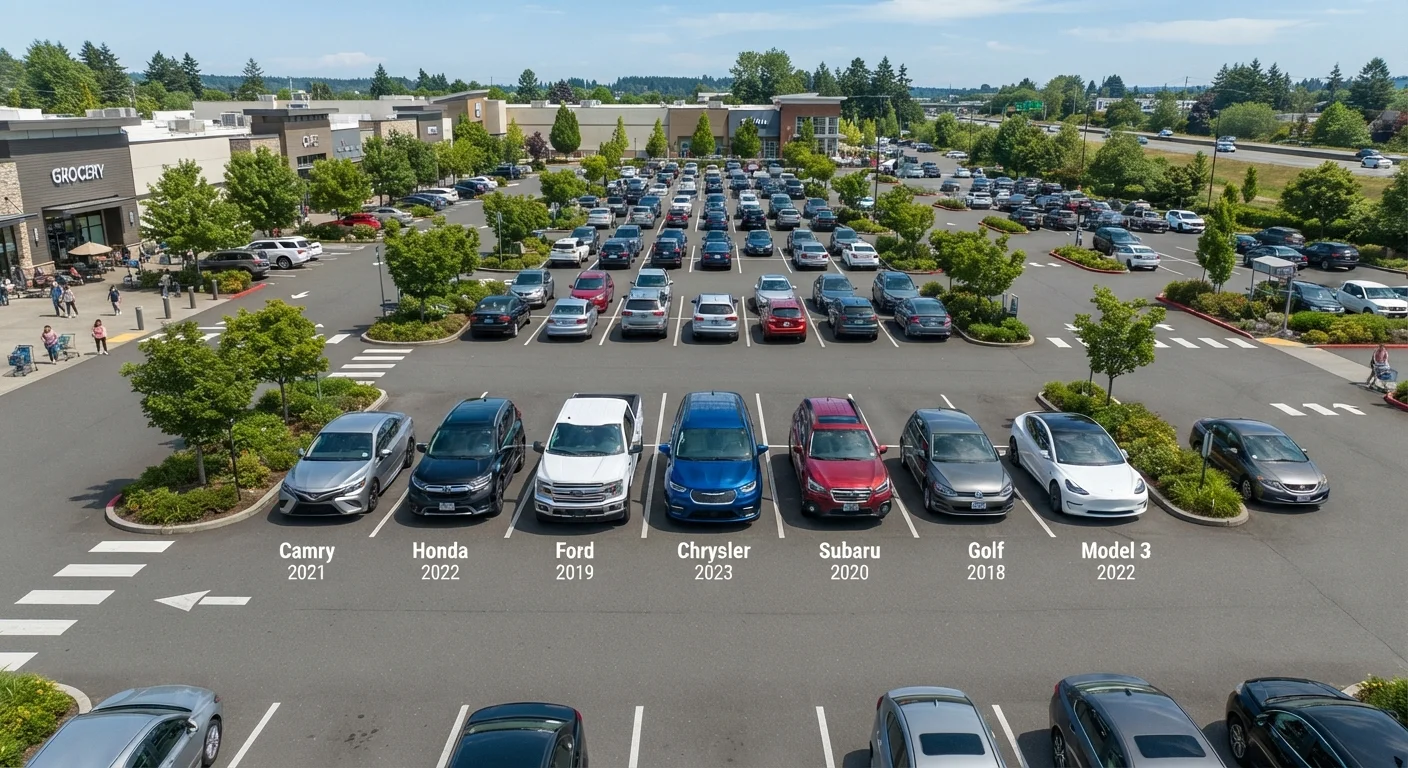
Before you debate trim levels, color options, or even powertrain type, there is a more foundational question to answer: which category of vehicle actually fits the way you drive? A sedan, a crossover, a pickup truck, and a minivan are not interchangeable options with minor differences — they represent genuinely different tools, each designed around specific use patterns.
The vehicle shopping process tends to get hijacked by brand loyalty, advertising impressions, and aspirational thinking. The result is that many buyers end up in vehicles that serve their imagined lifestyle rather than their actual one. This checklist is designed to interrupt that pattern. Work through it honestly, using your real driving data rather than your hypothetical driving preferences.
For a grounded reference on how the major vehicle categories are defined and what each is engineered to do, see our overview of American vehicle types before you begin narrowing your list.
Vehicle Category Comes Before Brand or Model
Most shoppers jump straight to comparing specific makes and models without first locking in the right vehicle category. This leads to trade-off fatigue and missed options. Completing this checklist narrows your decision to the correct vehicle type first — then you can evaluate individual models within that category with far greater efficiency.
How to Use This Checklist
Work through each group in order. The early groups — driving patterns, passenger needs, cargo — establish your usage profile. The middle groups translate that profile into practical capability requirements. The final group is a verification step to confirm you haven't drifted back toward aspiration over evidence.
Have the following on hand before you start: a rough sense of your weekly mileage, any regular cargo or towing you handle, and an honest count of how often you carry more than two passengers. The vehicle shopping guides on this site can help you take the next steps once you've identified your target category.
Odometer or mileage log
Establishes your actual weekly and annual mileage to inform range, fuel type, and depreciation calculations.
Tape measure
Helps you measure cargo dimensions and compare them against published vehicle cargo volume specs.
Trailer or tow load specs
Required to accurately match your towing needs to a vehicle category's rated towing capacity.
Insurance quote tool
Generates ballpark premium estimates by vehicle category so running costs can be compared before committing to a class.
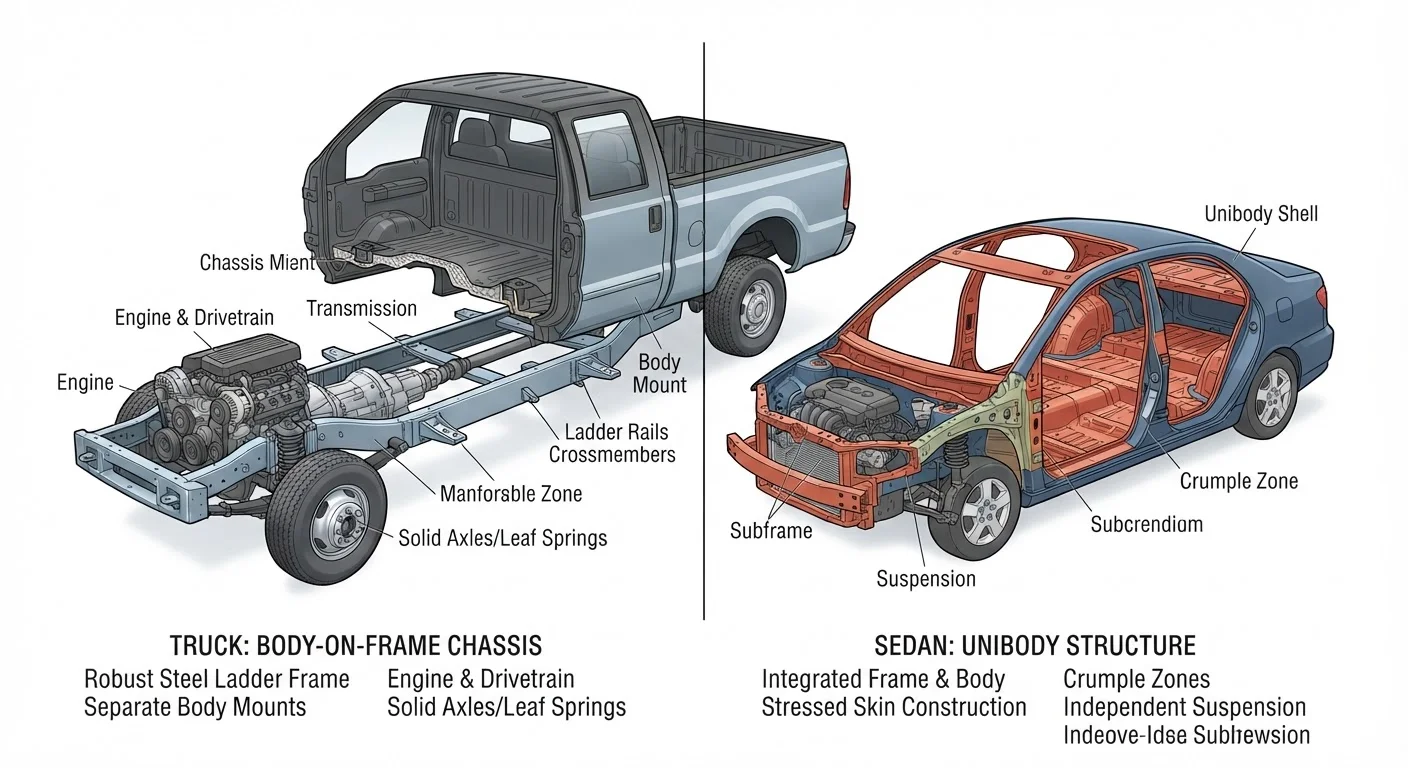
Understanding construction differences — such as whether a vehicle uses body-on-frame or unibody design — can also clarify why certain categories behave differently under load or in handling. Our article on body-on-frame vs. unibody construction explains those trade-offs clearly.
Don't Buy for Hypothetical Use Cases
One of the most common and costly mistakes in vehicle shopping is sizing up for trips or tasks that rarely happen. If you tow a boat twice a year, a full-size pickup may not be worth the year-round fuel and parking penalty. Honest self-assessment about frequency — not possibility — is the foundation of a good vehicle match.
Image Preference Can Distort Practical Judgment
Body style preferences are real and valid, but they shouldn't override objective fit. Buyers who skip the self-assessment step often end up with a vehicle that feels right in the showroom but creates friction every day. Use this checklist to build an evidence-based case before letting aesthetics finalize the decision.
Understand Your Driving Patterns
Assess Passenger and Cargo Needs
Evaluate Towing and Capability Requirements
Factor in Fuel and Running Costs
Match Category to Lifestyle
Final Verification Before Narrowing to Makes and Models
Specialized Cases Worth Considering Separately
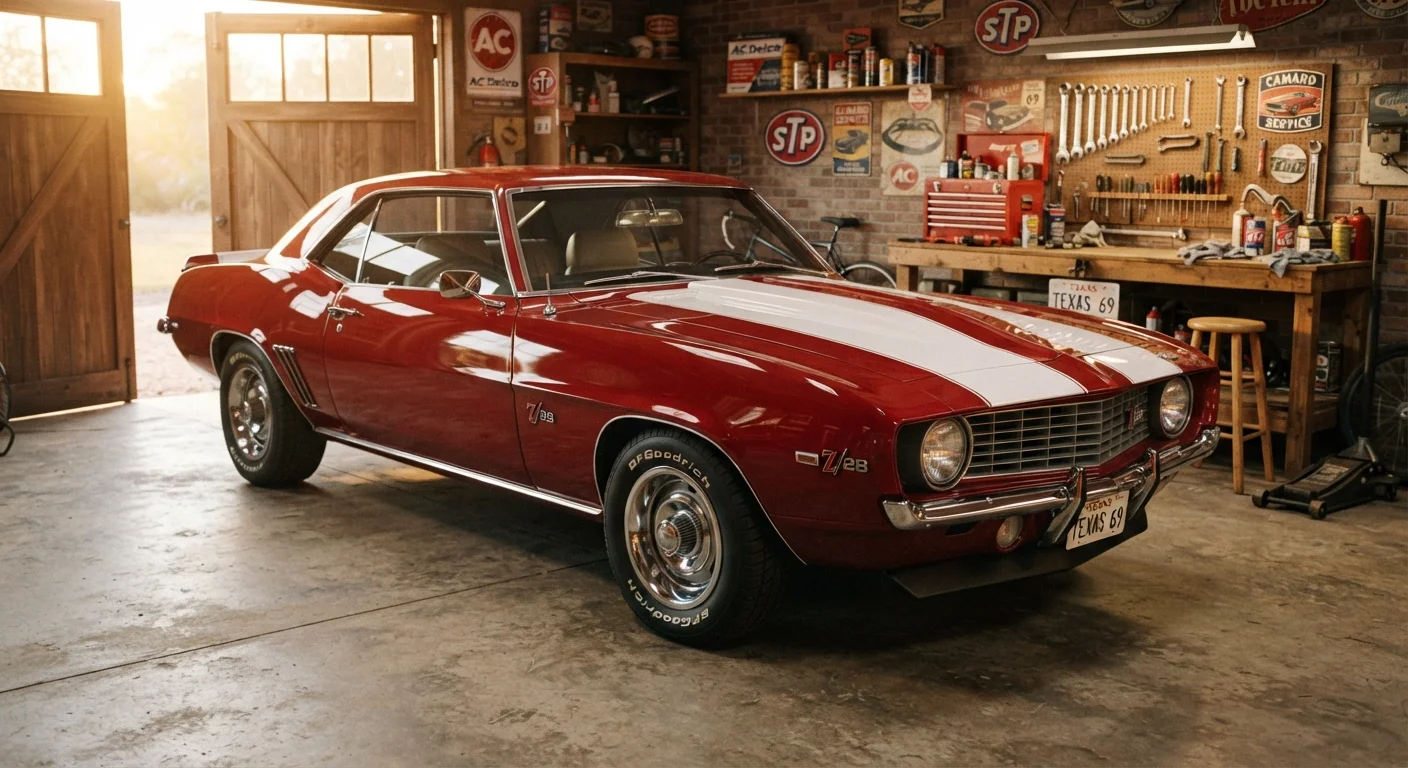
A few vehicle types warrant a separate thought process entirely. If you're drawn to a classic or vintage vehicle, recognize that classic car ownership involves a fundamentally different set of considerations — storage, parts availability, and insurance — that sit outside this framework. Our guide to classic car ownership covers that territory in full.
Similarly, if family hauling is central to your needs, don't dismiss the minivan category on image grounds alone. Our look at what minivans actually do well may shift your thinking.
If your urban commute is short and primarily solo, you may also find the range of smaller motorized vehicles worth exploring as a complement or alternative to a full passenger car. And once you've landed on a vehicle category, powertrain type becomes your next major question — our breakdown of hybrid system differences is a practical next read.
This article is for general informational purposes only and does not constitute financial or purchasing advice. Vehicle costs, availability, and specifications vary; consult a licensed dealer and independent sources before making any purchase decision.