
What a Maintenance Log Actually Is
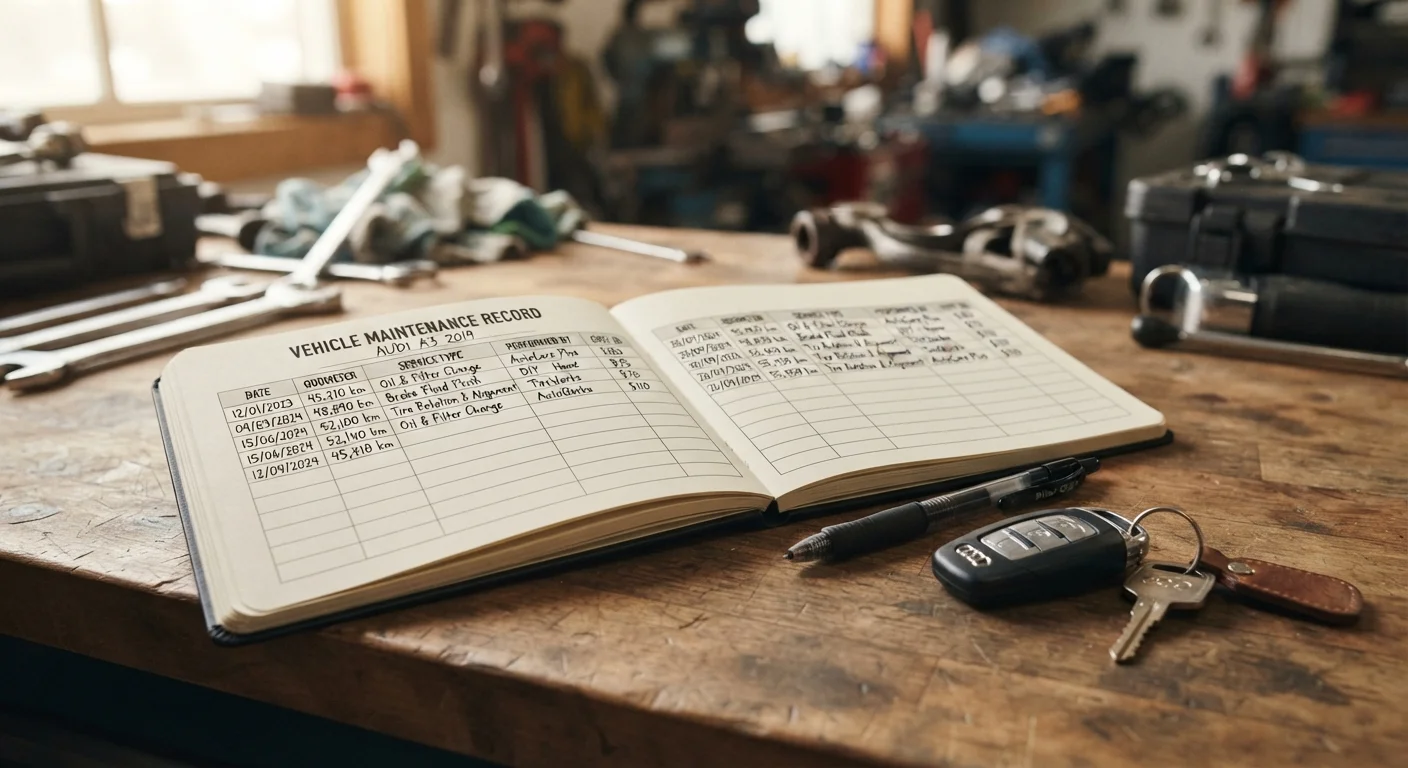
A vehicle maintenance log is a running record of every service event, repair, inspection, and part replacement performed on a vehicle over its lifetime. It answers three questions any mechanic, buyer, or insurer might ask: What was done? When was it done? Who did it?
Logs range from a small notebook kept in the glove box to a dedicated mobile app that syncs with a cloud account. The format matters less than the habit. What you're building is a chain of evidence — proof that the vehicle has been cared for and a reference point for every future service decision.
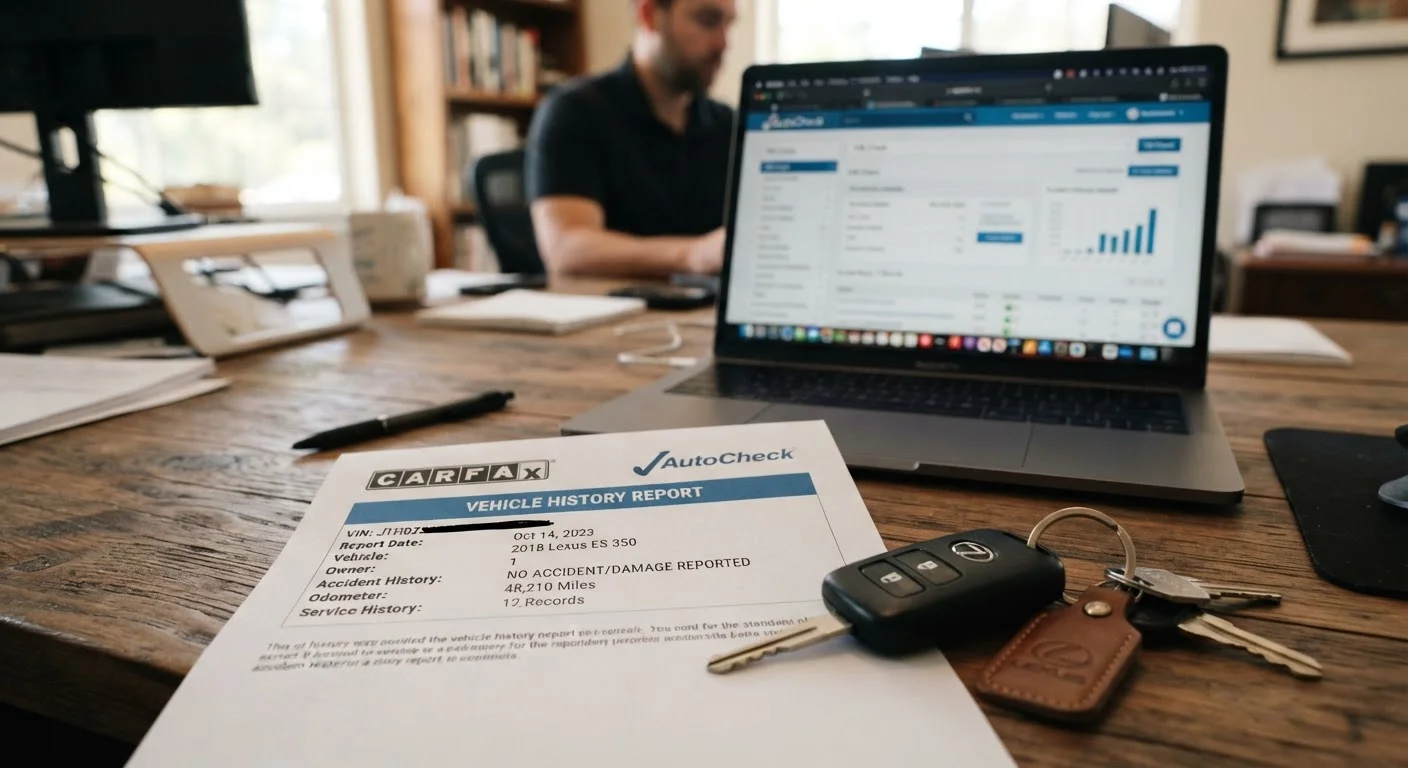
For drivers researching a used vehicle, a complete log is one of the most telling documents available, complementing what a vehicle history report can show from third-party data sources.
What to Record in Every Entry
Each log entry should capture a consistent set of data points so the record stays useful over time and across different mechanics or owners.
- Date of service — month and year at minimum; full date is better.
- Odometer reading — the single most important reference point for interval-based maintenance.
- Work performed — be specific. "Oil change" is adequate; "oil change, 5W-30 full synthetic, filter replaced, drain plug torqued to spec" is far more useful.
- Parts used — note part numbers where practical, especially for filters, belts, and fluids.
- Technician or shop — name and location, so follow-up questions can be directed to the right source.
- Cost — optional but helpful for budgeting and for demonstrating investment at resale.
- Next service due — the mileage or date at which the next related service is recommended.
Log every service event immediately after it occurs, not days later from memory.
Memory degrades quickly, and small details — part numbers, mileage, technician name — are easy to misremember. Logging at the time of service ensures accuracy and completeness.
Record odometer readings for every entry, not just mileage-based services.
Odometer readings create a timeline that makes it easy to calculate intervals, spot gaps in service history, and verify mileage claims at resale. Without them, dates alone lose much of their context.
Keep original invoices and receipts alongside your log entries.
A log entry is a summary; the invoice is the proof. Warranty administrators, buyers, and appraisers may ask for documentation that goes beyond what a personal log can provide.
Note deferred maintenance explicitly rather than leaving gaps in the record.
A gap in a log is ambiguous — it could mean the service was done elsewhere, or it could mean it was skipped entirely. Noting that a service was identified but deferred, and why, gives the next owner or technician accurate context.
Back up digital logs to a secondary location regularly.
A log stored only on a phone can be lost if the device is damaged, stolen, or reset. A backup ensures years of accumulated records are not erased by a single hardware failure.
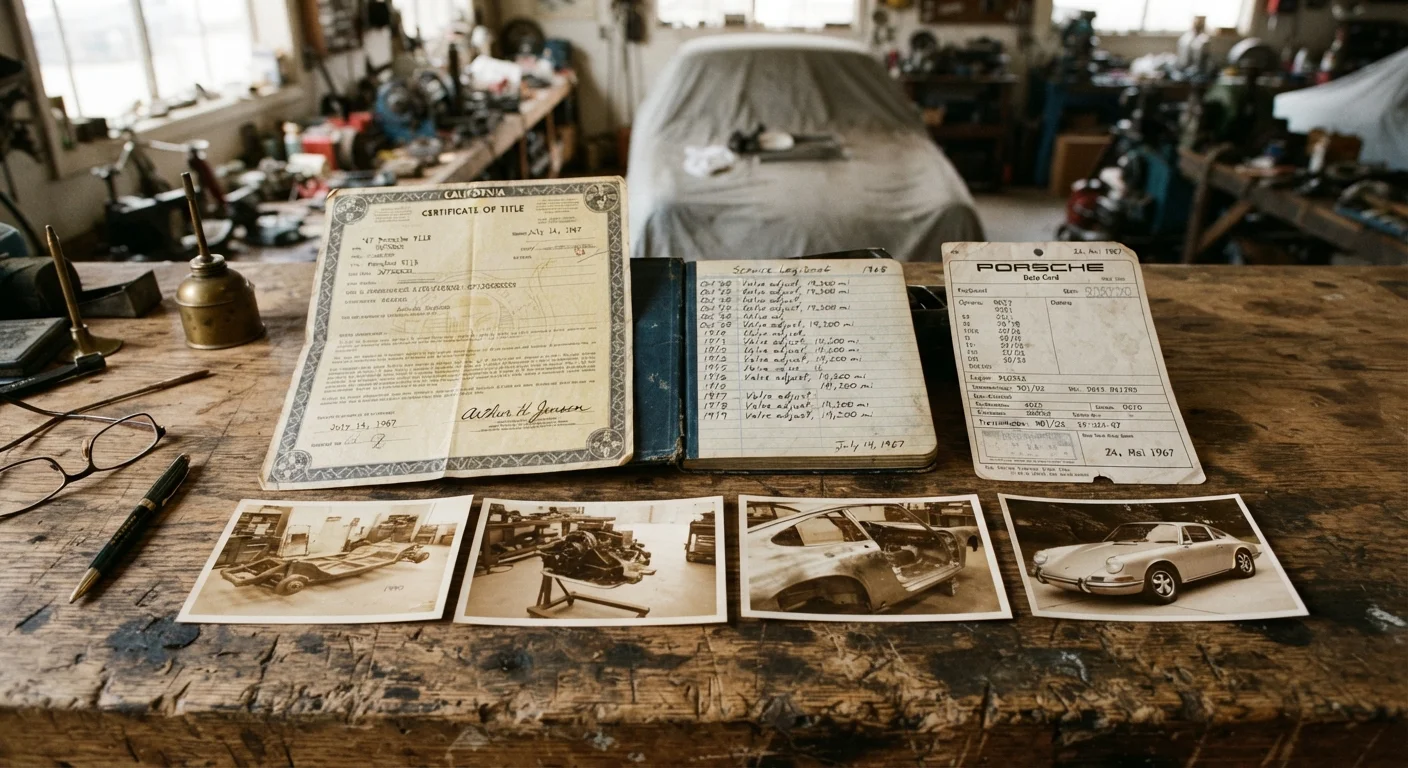
For classic and vintage vehicles, documentation carries additional weight. Thorough records are a core element of what the paper trail every classic car should have — and can meaningfully affect how a collector or appraiser values the vehicle.
Why the Record Pays Off
Up to 10%
Potential resale value boost from complete service records
Industry appraisers and automotive consumer guides commonly note that well-documented maintenance history can command a premium at private sale or trade-in compared to vehicles with no records.
1 in 3
Used-vehicle buyers who cite service history as a primary purchase factor
Consumer research in the automotive sector consistently shows that documented maintenance history ranks among the top concerns for buyers evaluating used vehicles.
Accurate logs provide tangible benefits across three situations every owner eventually encounters.
Warranty Protection
Most new-vehicle limited warranties and extended service contracts require that maintenance be performed at manufacturer-specified intervals. A log with dated, signed receipts is your evidence that requirements were met. Without it, a warranty claim can be disputed or denied even when the work was genuinely performed.
Faster, More Accurate Diagnostics
When a mechanic can see that the coolant was last flushed 60,000 miles ago, they don't have to guess. Redundant services get skipped; targeted ones get prioritized. This saves time and often money.
Resale and Trade-In Value
A well-documented service history signals to buyers that the vehicle has been maintained responsibly. While no outcome can be guaranteed, sellers with complete logs are generally in a stronger position during price negotiations than those presenting no records. This is especially true for vehicle shopping contexts where buyers have many options and limited trust.
“The best time to start a maintenance log was the day you bought your vehicle. The second-best time is today.”
— Autos Editorial Team, Automotive journalists covering vehicle ownership and maintenance
Practical Ways to Keep the Log Current
The most common reason logs lapse is inconvenience — the notebook gets left at home, the receipt goes in a pocket and disappears. Building the habit around the transaction itself solves this.
If you use a shop, ask the service advisor for an itemized invoice every time, and file it immediately. If you perform your own maintenance, enter the record the same day the work is done. Several free and low-cost mobile apps (such as those designed specifically for vehicle service tracking) allow photo-attached receipts, mileage reminders, and exportable histories.
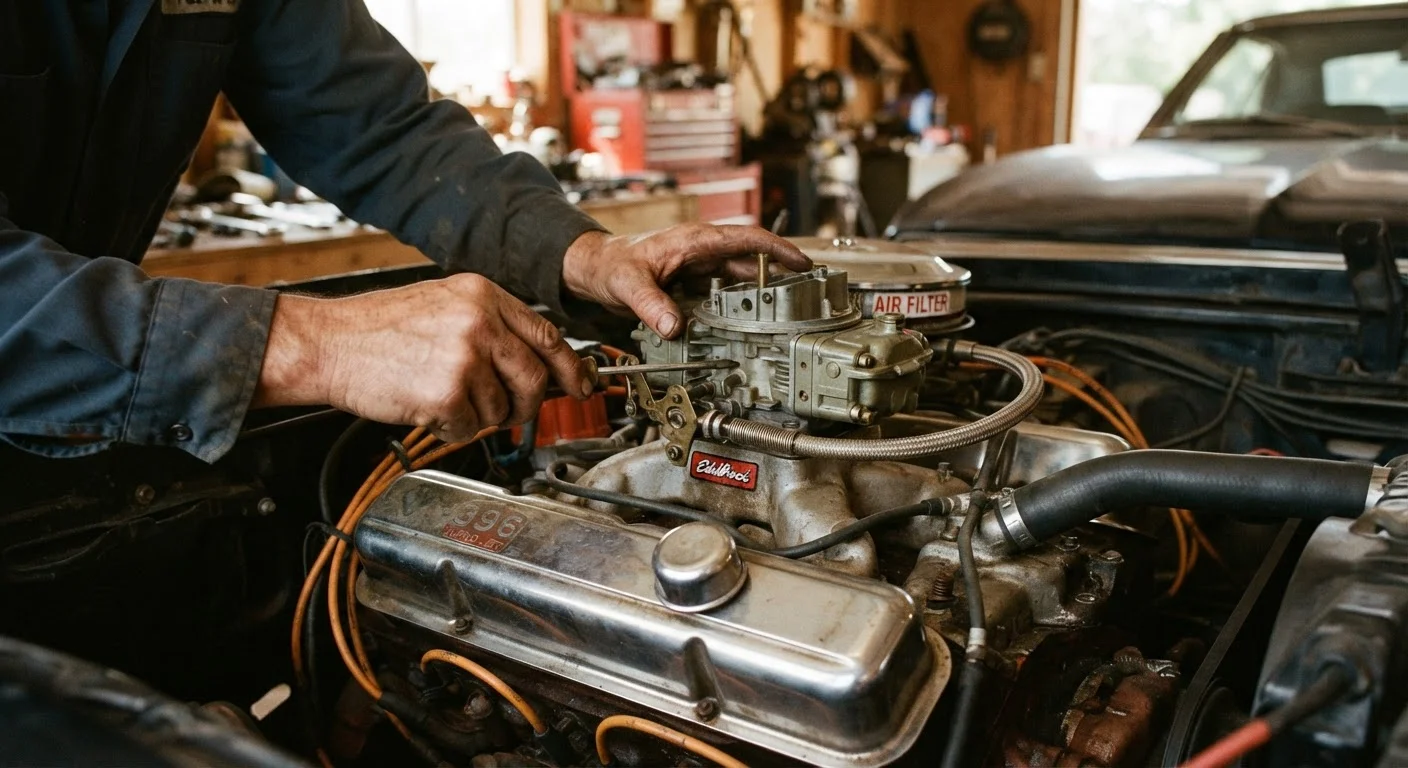
Owners of older vehicles should note that pre-OBD-II cars have no electronic service memory to fall back on, making a paper or digital log the only available history. For guidance on maintaining those vehicles, see maintenance principles for pre-diagnostics-era classics.
Logs Matter for Classic Cars Too
For classic and collectible vehicles, a maintenance log can be as significant as the build sheet or title history. Appraisers and collectors place real value on knowing which components are original, what has been rebuilt, and when. If you're considering classic car ownership, the full picture of classic car ownership covers documentation as a key part of long-term stewardship.
If you're buying a used vehicle and the seller has no log, that absence is itself information. Pair your assessment with a professional pre-purchase inspection and a review of any available third-party history data before committing.