
What a Vehicle History Report Actually Contains
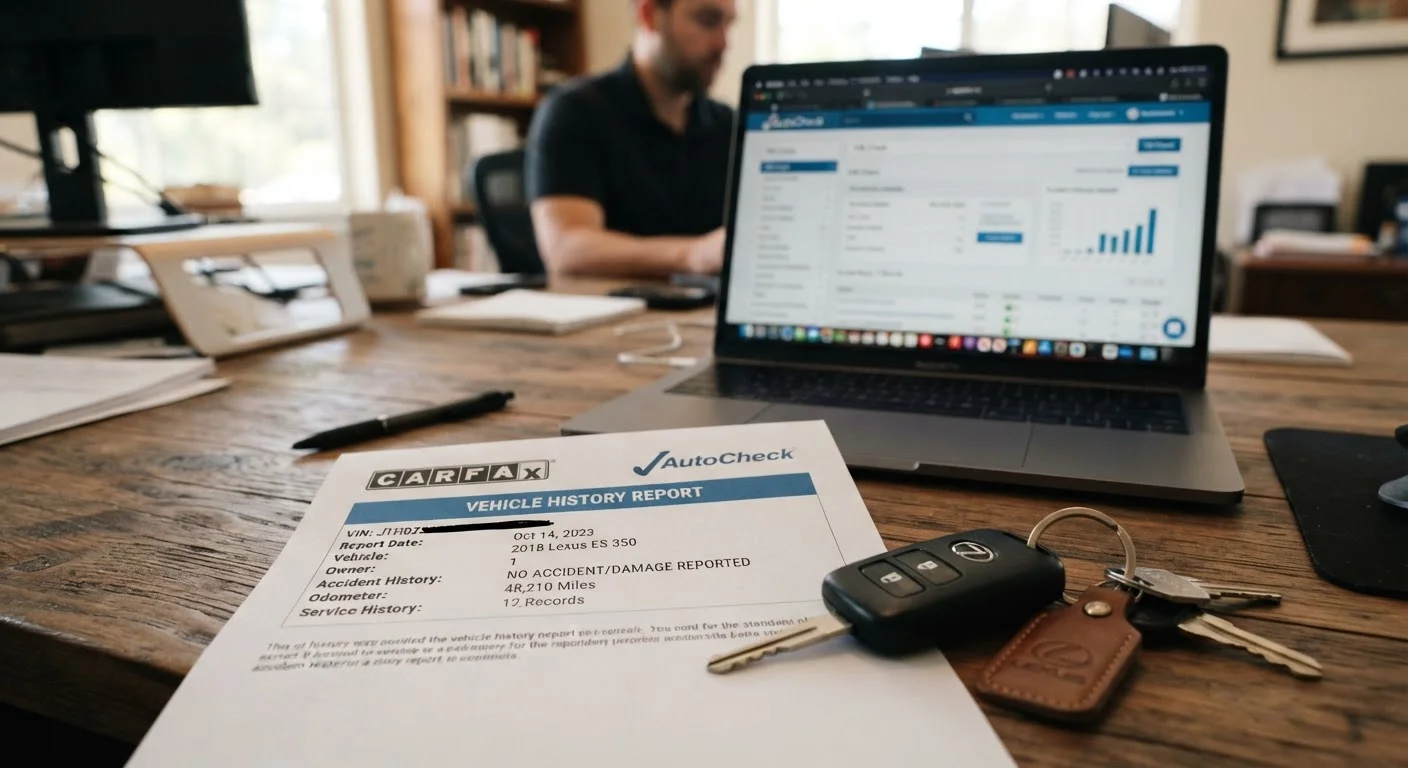
At its core, a vehicle history report organizes recorded events in a vehicle's life into a readable timeline. The data is tied exclusively to the car's 17-digit VIN, which acts as a unique fingerprint. Key sections typically include:
- Title history: How many times ownership has transferred, in which states, and whether the title carries any brand — such as salvage, rebuilt, flood, or lemon law buyback.
- Odometer readings: Recorded mileage at each title transfer or odometer disclosure. Inconsistencies can indicate rollback fraud.
- Accident and damage records: Collisions reported to insurance companies or through state DMV records, sometimes noting the severity or damage location.
- Total loss declarations: Whether an insurer ever deemed the vehicle a total loss.
- Auction records: Transactions at wholesale auto auctions, which can reveal repeated dealer cycling or fleet history.
- Service and maintenance events: Oil changes, recalls addressed, or repairs logged by participating dealerships and shops.
- Recall information: Open or completed NHTSA safety recalls tied to the VIN.
Not every report includes every category. Coverage depends on which data sources a provider has agreements with and how far back records extend for the specific vehicle.
Where the Data Comes From
Vehicle history data flows in from a patchwork of sources, which is why no single report is exhaustive. The primary contributors include:
- State Departments of Motor Vehicles (DMVs): Title transfers, registrations, and branded-title assignments. States are required by federal law to report title information to NMVTIS.
- Insurance companies: Total-loss claims and, in some cases, collision claim records. Participation varies by insurer.
- Auto auctions: Wholesale transaction data, condition reports, and mileage readings at the time of sale.
- Collision repair shops and dealerships: Service records and damage reports submitted voluntarily or through data-sharing programs.
- Law enforcement: Theft reports and recovered-stolen designations.
- NHTSA: Recall and complaint data tied to specific VINs.
Reports Reflect Documented Events Only
A vehicle history report is only as complete as the data submitted to its sources. Private repairs, unreported accidents, and transactions outside the data network leave no trace. Treat any report as a useful filter, not a comprehensive guarantee of a vehicle's condition or history.
Because participation is not universal — particularly among independent repair shops and private-party transactions — a report reflects documented history, not complete history. Two reports from different providers on the same VIN may also show different information based on their respective data partnerships.
What a Report Cannot Tell You
Understanding a vehicle history report's limits is just as important as understanding what it includes. A report will not reveal:
- Accidents that were settled privately and never reported to insurance
- Mechanical wear that doesn't generate an official record (e.g., a worn transmission or timing chain)
- Cosmetic repairs made without involving an insurer or shop in the provider's network
- Flood damage if the vehicle was moved to another state before being titled
- Problems discovered only through a physical inspection
This is why vehicle history reports are a starting point, not a final answer. The professional mechanical inspection remains the only way to evaluate a vehicle's actual condition. A report that looks clean is not a guarantee of reliability.
Pair the Report With a Physical Inspection
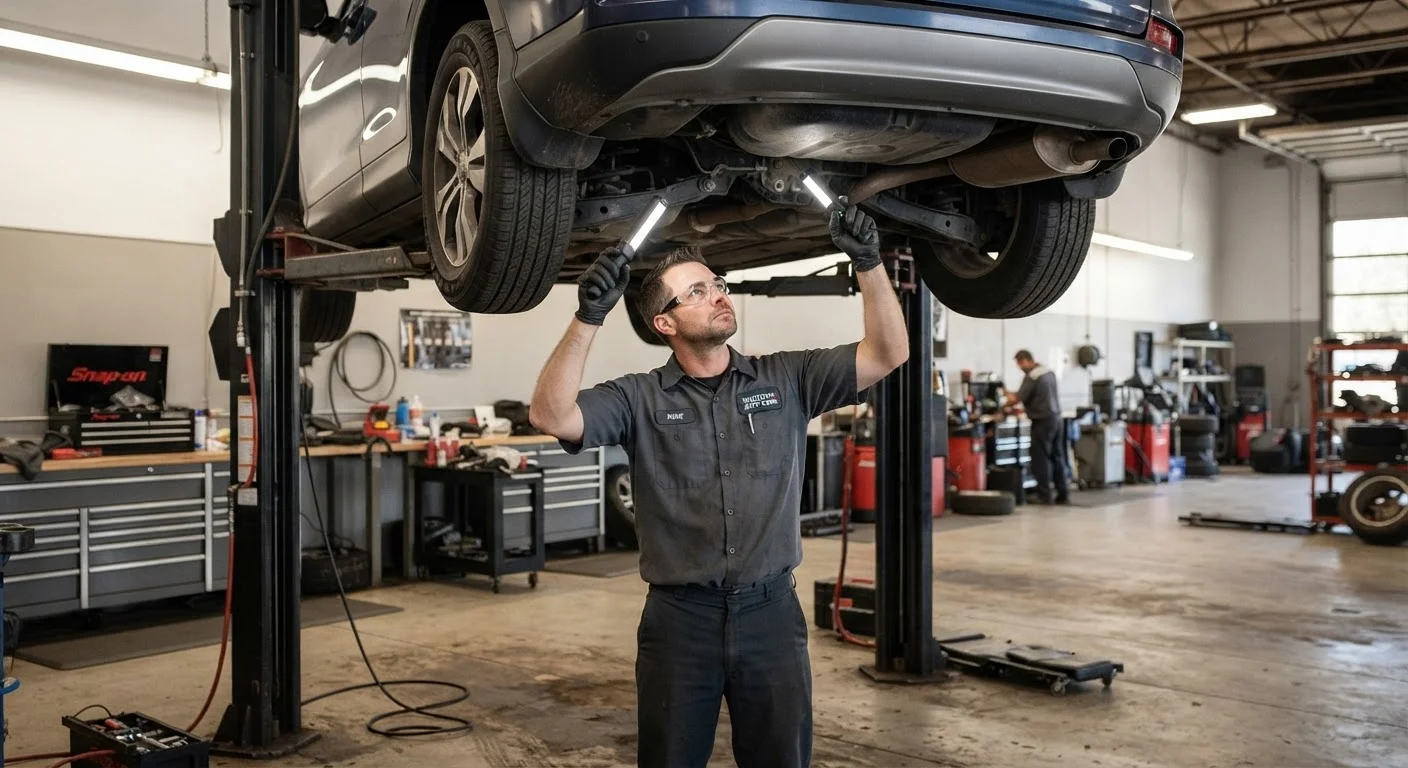
A vehicle history report and a professional mechanical inspection serve different purposes and are most effective when used together. The report surfaces documented historical events; the inspection reveals current mechanical condition. Neither alone gives you the full picture. Consider having a trusted, independent mechanic perform a pre-purchase inspection before finalizing any used vehicle purchase.
For a broader pre-purchase framework that incorporates history reports alongside reliability data and ownership cost research, see Researching a Car Before You Buy.
Special Considerations for Classic and Older Vehicles
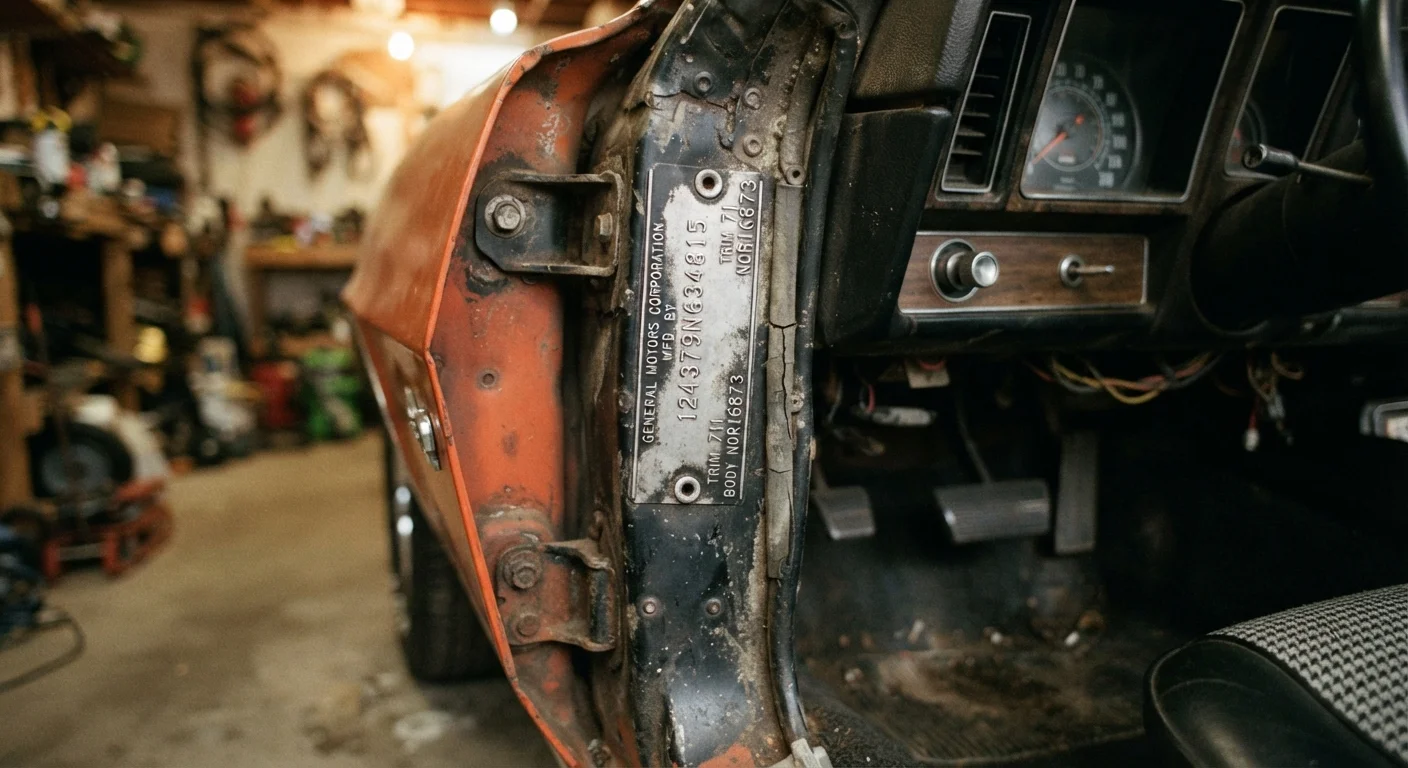
Collectors and enthusiasts evaluating pre-1980s vehicles will often find vehicle history reports thin or nearly empty. Electronic record-keeping for older vehicles is limited, and many historical transactions predate digital DMV systems entirely.
For classic cars, physical documentation — original titles, build sheets, restoration receipts, and dealer records — typically provides more reliable provenance than a digital report. The VIN itself encodes factory information that can be cross-referenced against manufacturer records. See how to read a classic car VIN for a deeper explanation of what that number reveals about a vehicle's origin and factory specification.
A comprehensive paper trail for classic vehicles — including title history, restoration records, and documented service — offers context that no digital database currently captures for older vehicles.
~40 states
States reporting title data to NMVTIS
The U.S. Department of Justice has reported that participation in NMVTIS among states and territories has grown substantially since the program's full implementation, though coverage and update frequency vary by jurisdiction.
1 in 5
Used vehicles with a reported accident
Industry data from vehicle history report providers has historically suggested that roughly one in five used vehicles carries at least one reported accident on record, though this figure depends on the data sources included.