
Why the Paper Trail Matters
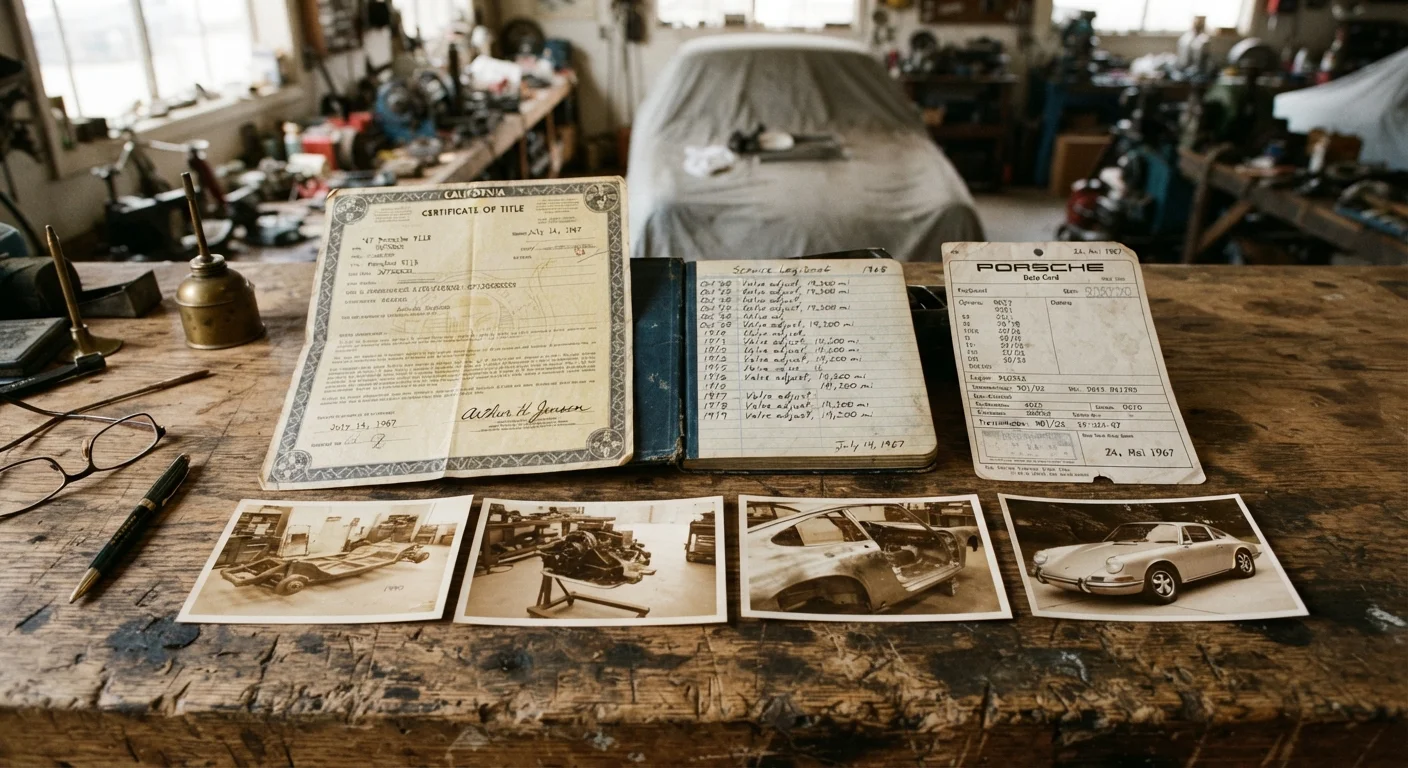
A classic car's documentation is its biography. It tells you where the vehicle was built, what left the factory with it, how it was maintained across decades, and whether the story the seller is telling lines up with recorded fact. For everyday classics and high-dollar collector vehicles alike, thorough paperwork reduces risk — for buyers, sellers, and insurers.
Documentation gaps are common in the classic car world. Titles get lost, service records are discarded, and original window stickers rarely survive a first owner. Knowing which documents exist, which are missing, and what each one proves helps you negotiate honestly and avoid costly surprises. If you are new to vintage vehicles, the first-timer's roadmap to the classic car world provides essential background before you dive into a transaction.
Use this checklist to audit any classic car — whether you're preparing to sell, evaluating a purchase, or simply getting your existing collection properly documented.
Ownership & Legal Documents
Factory & Build Documentation
Service & Maintenance Records
Restoration & Modification Records
Insurance & Appraisal Records
Tools and Resources for Document Verification
Verifying classic car documents isn't purely a matter of reading what's in front of you. Several external resources help confirm authenticity and flag discrepancies.
Marque-Specific Owner Club or Registry
Cross-reference build records, decode trim tags, and obtain authenticity letters for vehicles with missing factory documentation.
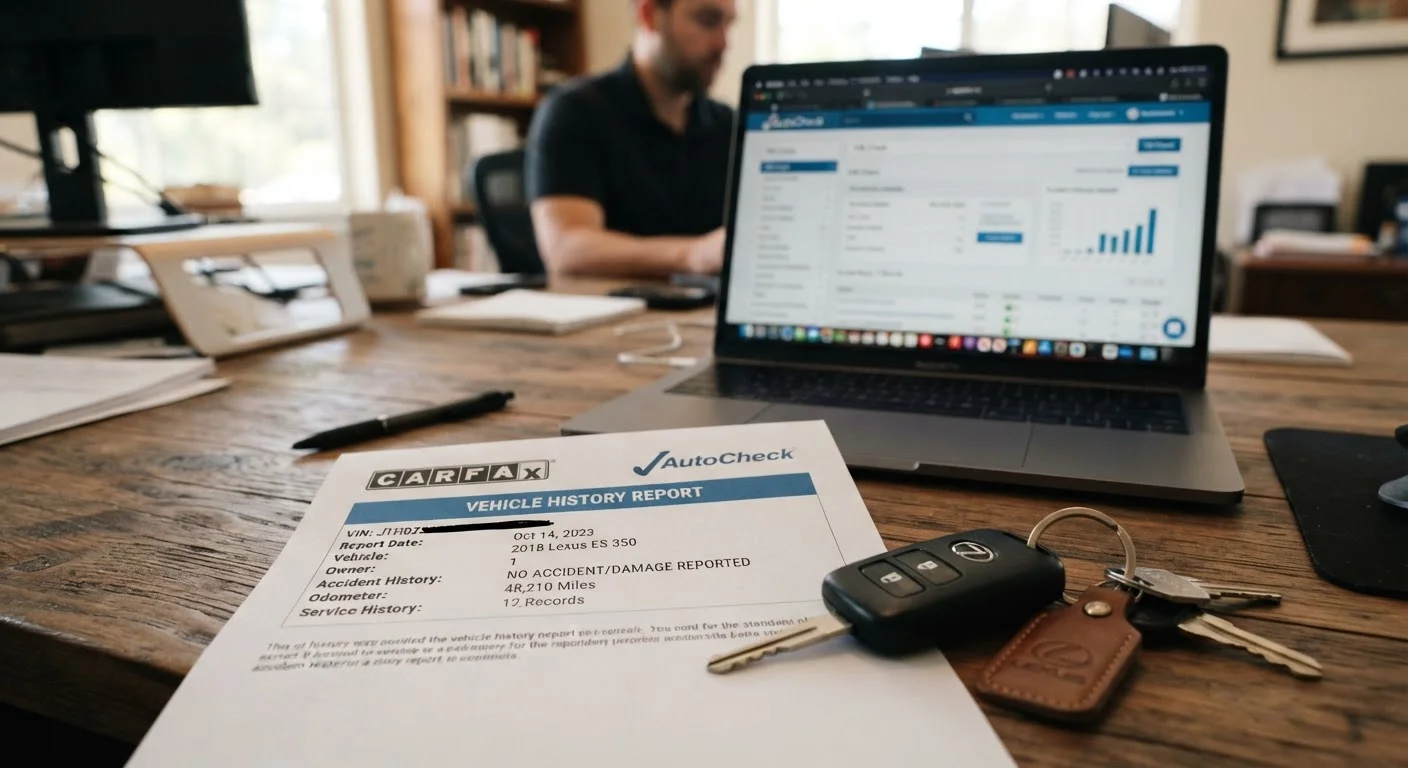
Vehicle History Report Service
Check for title brands, reported accidents, and ownership history, particularly useful for post-1980s vehicles with more complete electronic records.
State Motor Vehicle Agency
Verify title status, initiate bonded title applications, and confirm registration requirements for your jurisdiction.
Qualified Classic Car Appraiser
Provide a written, documented appraisal that supports insurance coverage at agreed value and justifies asking price.
Classic Car Auction House Records
If the car has passed through a major auction, prior lot descriptions and sale prices form part of its documented provenance.
Keep in mind that a vehicle history report can surface title problems, reported accidents, and odometer rollbacks — but coverage for vehicles manufactured before the 1980s is often limited or incomplete. Treat it as one layer of due diligence, not a comprehensive answer.
What to Do When Documents Are Missing
Incomplete paperwork is the norm rather than the exception in the classic car market. A missing document doesn't automatically disqualify a vehicle, but it does shift the burden of verification elsewhere.
Bill of Sale Is Not a Title Substitute
Some sellers present a notarized bill of sale as proof of ownership when no title exists. While a bill of sale documents a transaction, it does not transfer legal title and will not satisfy most state registration requirements. Accepting a vehicle without a proper title can leave you unable to register or legally sell the car. Always resolve title issues with the state motor vehicle agency before completing a purchase.
Altered or Restamped VIN Plates
In rare cases, VIN plates may be replaced or restamped — sometimes to conceal a vehicle's true identity or history. Compare the dashboard VIN plate against secondary VIN locations (doorjamb, firewall, frame rail) and against what the title and build documentation record. Discrepancies between VIN locations or between the VIN and title are grounds to walk away or seek expert verification before proceeding.
If a title is absent, most states allow you to apply for a bonded title or a title through a court order — processes that vary significantly by jurisdiction. Contact your state's motor vehicle agency directly for the correct procedure. Never accept a bill of sale alone as a substitute for a title on a vehicle you plan to register and drive.
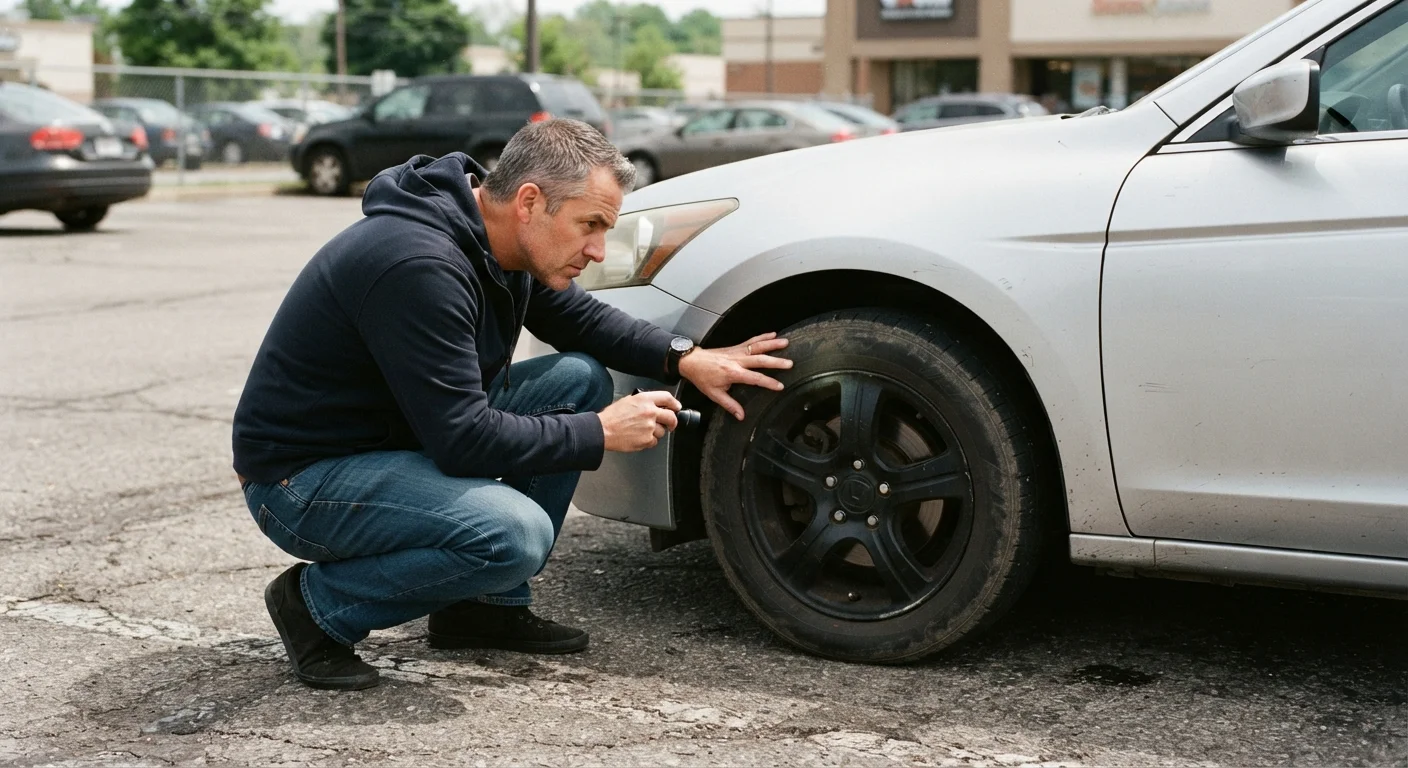
For missing factory documentation, marque-specific registries and owner clubs are often the best resource. Many maintain production records, decode VINs, and can issue a letter confirming a vehicle's authenticity. Pair that with a thorough physical inspection — the used car inspection checklist covers what to examine systematically when the paper trail has gaps.
If restoration work has been done but records are sparse, understanding restoration phases helps you ask the right questions and assess the quality of work even without invoices. Going forward, keeping a detailed maintenance log from the point of purchase protects the vehicle's value and simplifies future transactions.
This article is for general informational purposes only and does not constitute legal or financial advice. Title, registration, and ownership laws vary by state. Consult the appropriate authorities or a qualified professional for guidance specific to your situation.