
How an Electric Vehicle Actually Works
A battery electric vehicle (BEV) replaces the internal combustion engine found in a conventional car with one or more electric motors and a large rechargeable battery pack. When you press the accelerator, the vehicle's controller draws direct current (DC) electricity from the battery, converts it to alternating current (AC) through an inverter, and delivers it to the motor. The motor converts that electrical energy into rotational force — called torque — which drives the wheels.
Because electric motors produce maximum torque from a standstill, EVs feel responsive immediately when accelerating, with no need for a traditional multi-speed transmission to build through gear ratios. Many EVs use a single-speed reduction gear instead. The result is a mechanically simpler drivetrain with fewer components subject to wear.
Battery management system (BMS)
An onboard electronic system that monitors and controls the state, temperature, and health of the battery pack to protect it from damage and optimize performance.
Kilowatt-hour (kWh)
The unit used to measure battery capacity in EVs. Think of it like a fuel tank size — a higher kWh generally means more potential range.
Inverter
A device in an EV that converts the battery's direct current (DC) electricity into alternating current (AC) that the electric motor can use.
Torque
The rotational force that makes a vehicle accelerate. Electric motors deliver full torque instantly, unlike combustion engines that build torque as engine speed rises.
Regenerative braking
A system that recovers energy during deceleration by running the electric motor in reverse as a generator, sending electricity back into the battery rather than losing it as heat.
State of charge (SoC)
The current level of energy stored in the battery, expressed as a percentage — similar to the fuel gauge in a conventional vehicle.
The Battery Pack: The Heart of the EV
The high-voltage battery pack is the most significant component in an EV — both in terms of cost and function. Modern EVs use lithium-ion chemistry, the same fundamental technology found in laptops and smartphones, but scaled up dramatically. A typical passenger EV battery pack may contain thousands of individual cells arranged into modules and managed by a battery management system (BMS).
The BMS monitors cell voltage, temperature, and state of charge in real time, protecting the pack from overcharging, deep discharging, and thermal stress. Battery capacity is measured in kilowatt-hours (kWh); a larger kWh rating generally means more driving range, though efficiency — how far the vehicle travels per kWh — matters just as much. Temperature has a measurable effect on range: cold weather can temporarily reduce available capacity, while sustained high heat can accelerate long-term degradation.
Protect Your Battery With Smart Charging Habits
Most EV manufacturers recommend keeping the battery's daily charge level between roughly 20% and 80% for everyday use, reserving a full charge for long trips. Avoid leaving the vehicle at 0% for extended periods. These habits can help slow the gradual capacity degradation that occurs in all lithium-ion batteries over time.
Regenerative Braking: Recapturing Energy
One of the most distinctive features of an electric drivetrain is regenerative braking. In a conventional vehicle, kinetic energy is lost as heat when the brakes are applied. In an EV, lifting off the accelerator or applying light braking causes the electric motor to reverse its role and act as a generator. The vehicle's forward momentum spins the motor, producing electricity that flows back into the battery pack.
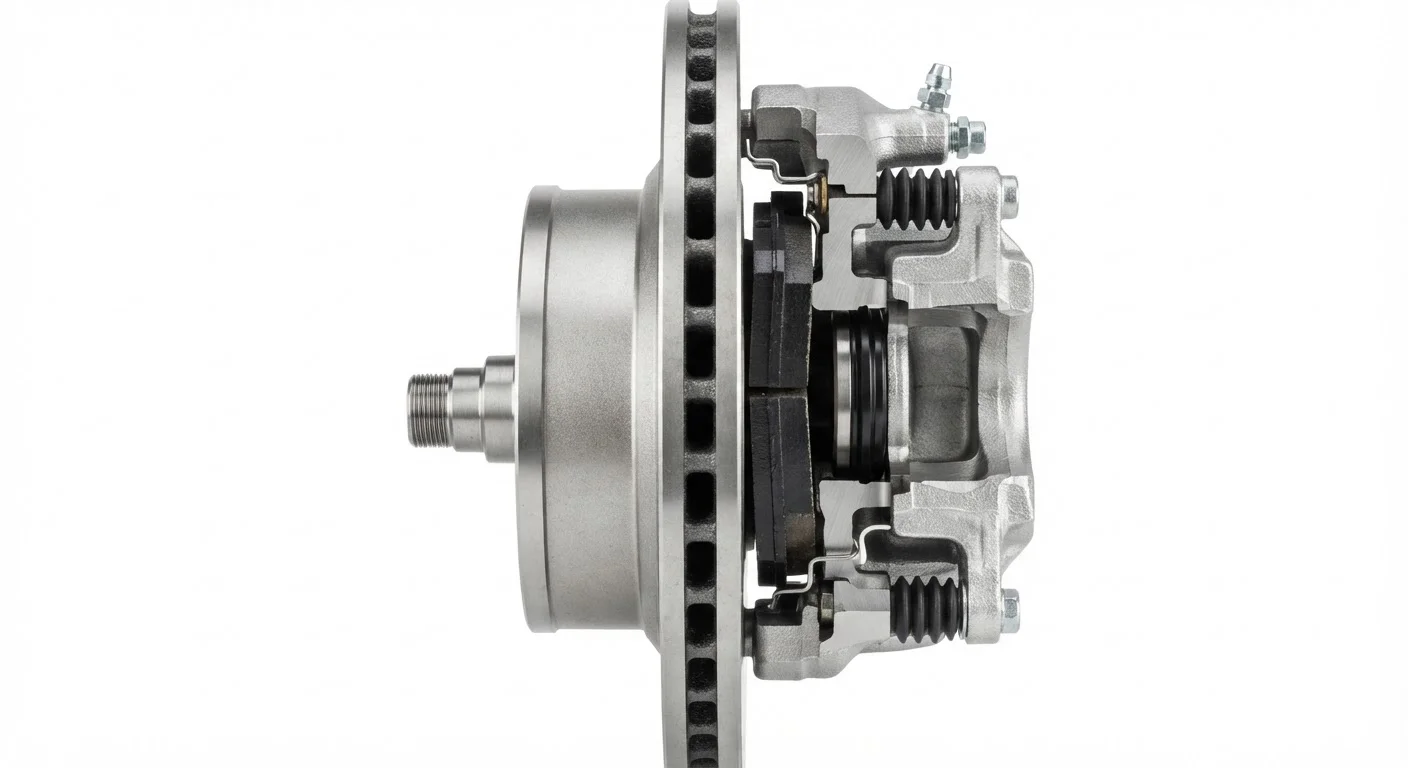
Drivers often notice a stronger engine-braking sensation than in a gas car, and many EVs allow the driver to adjust the intensity of regenerative braking. In heavy stop-and-go traffic, regenerative braking can meaningfully extend range because the energy from repeated slowdowns is partially recovered rather than wasted. For a deeper look at how friction-based braking components also work alongside this system, see the guide on how brake pads, rotors, and calipers work together.
How EVs Differ From Conventional and Hybrid Vehicles
The most fundamental distinction is the absence of a combustion engine. A battery EV produces zero direct tailpipe emissions and has no need for oil changes, exhaust system maintenance, or fuel injectors. The drivetrain's relative simplicity — fewer moving parts overall — changes the long-term maintenance picture compared to a gasoline vehicle.
EVs are also categorically different from hybrids. A traditional hybrid uses an electric motor to assist a gasoline engine but cannot operate on electricity alone for significant distances and does not plug in. A plug-in hybrid (PHEV) adds a larger battery that can be charged externally, enabling a limited electric-only range before the combustion engine takes over. A full battery EV has no combustion engine at all. The guide on hybrid, plug-in hybrid, and mild hybrid differences explains those distinctions in detail. If you are weighing an EV against other vehicle types, matching a vehicle type to your driving patterns is a useful next step.
Range Estimates Are Not Guarantees
EPA range ratings are measured under controlled laboratory conditions and serve as a standardized comparison tool — not a promise of real-world performance. Factors including ambient temperature, highway speed, cargo weight, and use of climate control can all reduce the range you experience. Plan longer trips with a buffer and identify charging stops in advance.
Charging: Levels, Speeds, and Practical Considerations
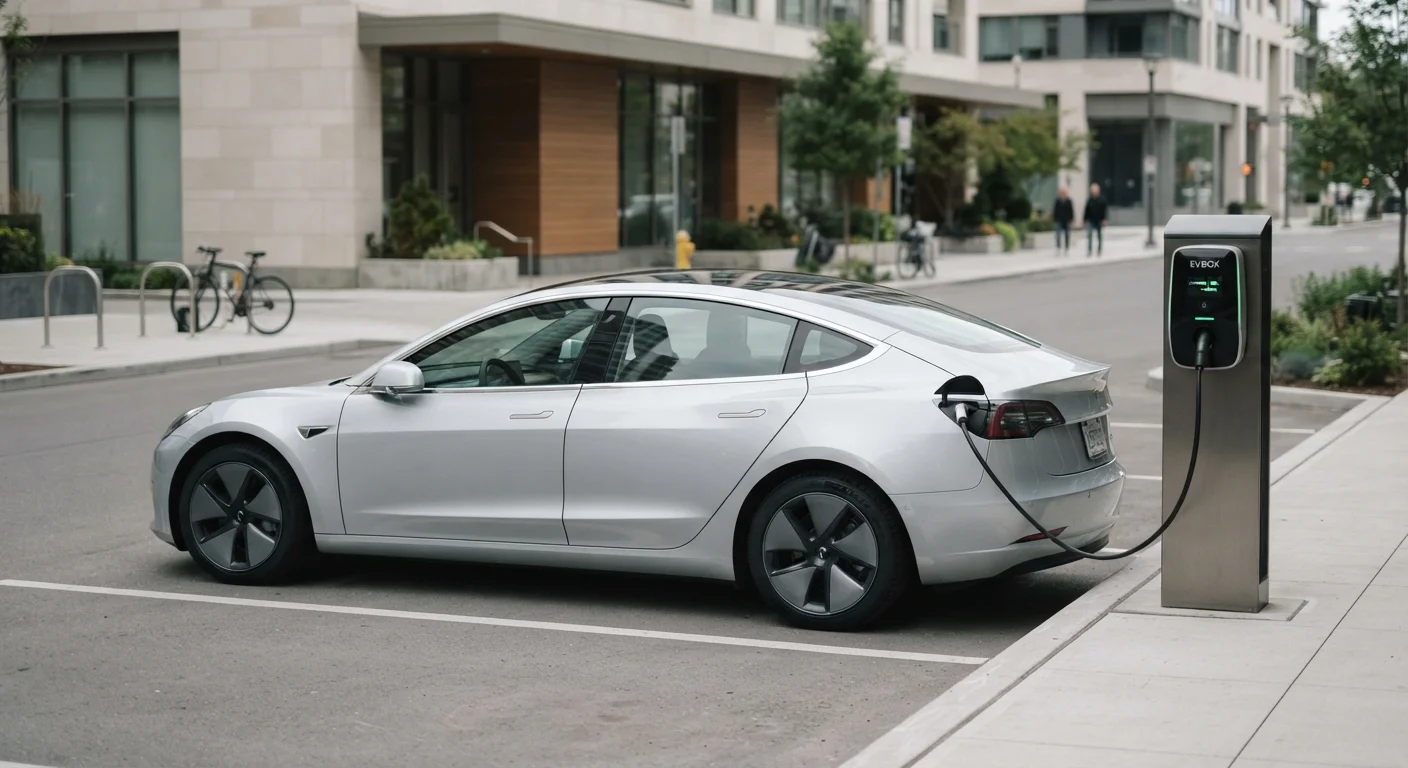
EV charging is organized into three levels based on power delivery speed:
- Level 1 (120V AC): Uses a standard household outlet. Adds roughly 3–5 miles of range per hour — practical for overnight top-offs if daily mileage is modest.
- Level 2 (240V AC): Requires a dedicated circuit, similar to a dryer outlet. Adds approximately 10–30 miles of range per hour depending on the charger and vehicle. Most home and public destination chargers operate at this level.
- DC Fast Charging (Level 3): Bypasses the onboard AC charger and delivers high-voltage DC directly to the battery. Can add significant range in 20–45 minutes, though not all EVs support the same charging standards or maximum speeds.
Frequent DC fast charging, while convenient for long trips, is generally considered harder on battery cells over time than regular Level 2 charging. Before purchasing any EV, it is worth researching ownership costs and infrastructure fit for your specific situation — the guide on researching a car before you buy offers a structured approach to vetting those practical details.