
Two Organizations, Two Different Approaches
When researching a vehicle's safety performance, shoppers encounter ratings from two independent sources: the National Highway Traffic Safety Administration (NHTSA), a federal government agency, and the Insurance Institute for Highway Safety (IIHS), an independent nonprofit funded by auto insurers. Both publish crash test results, but they use different methodologies, test different scenarios, and report results differently. Understanding what each measures helps you interpret their findings accurately.
Safety ratings are one piece of a larger pre-purchase research process. See the practical walkthrough for researching a car before you buy to put this information in broader context.
| NHTSA Rating Scale | 1 to 5 stars (NHTSA New Car Assessment Program) |
| IIHS Rating Scale | Good / Acceptable / Marginal / Poor (IIHS vehicle ratings program) |
| IIHS Top Designation | Top Safety Pick+ (TSP+) (IIHS, awarded annually) |
| NHTSA Frontal Test Speed | 35 mph barrier crash (NHTSA NCAP test protocol) |
| IIHS Funding Source | Auto insurance industry (nonprofit) (IIHS organizational structure) |
| NHTSA Vehicle Selection | Purchased anonymously from dealerships (NHTSA testing methodology) |
How NHTSA Rates Vehicles
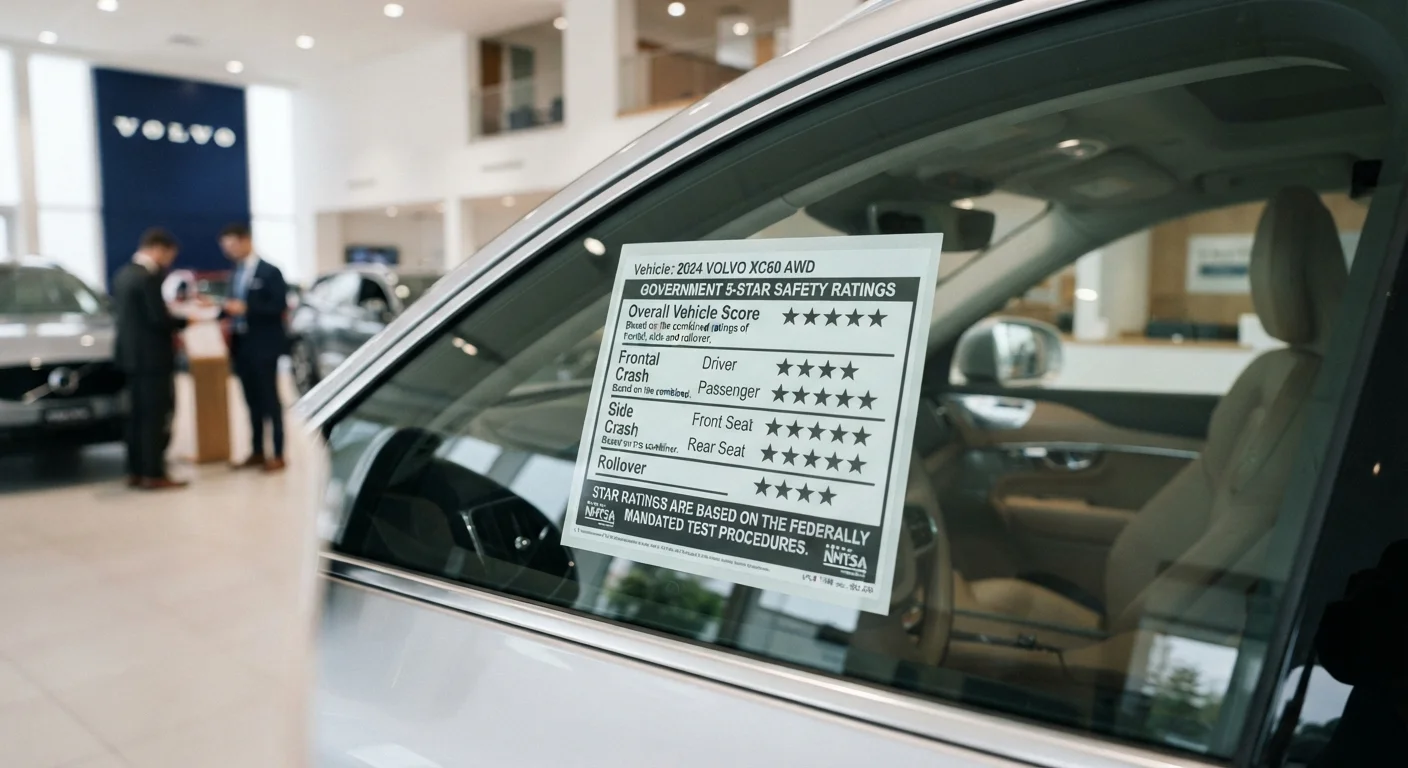
NHTSA's 5-Star Safety Ratings program — formally called the New Car Assessment Program (NCAP) — rates vehicles on a scale of one to five stars across several crash categories. Tests include a frontal barrier crash at 35 mph, a side barrier crash, and a pole impact test. Rollover resistance is also evaluated and expressed as a star rating combined with a dynamic handling assessment.
Each tested component (driver's side, passenger's side, rear seat, etc.) may receive its own star rating, so a single vehicle can carry multiple scores. NHTSA tests vehicles it purchases anonymously from dealerships, meaning the tested version reflects what consumers actually buy — not a specially prepared sample.
5 Stars
Highest possible NHTSA safety rating
NHTSA awards up to five stars per crash category; overall scores aggregate individual component ratings.
25%
Vehicle front-end overlap in IIHS small overlap test
The IIHS small overlap frontal test replicates a common real-world crash geometry not addressed by earlier barrier tests.
NHTSA ratings apply to new vehicles and are reported per model year. A five-star overall rating reflects strong performance across all tested crash modes, but it's worth reviewing individual category scores rather than relying solely on the summary.
How IIHS Rates Vehicles
IIHS uses a different rating scale — Good, Acceptable, Marginal, or Poor — and tests different crash scenarios than NHTSA. Its moderate overlap frontal test, small overlap frontal test, side impact, roof strength, and head restraint evaluations each produce a separate rating. IIHS also evaluates headlight performance and rates active safety systems such as front crash prevention.
The institute's flagship designation, Top Safety Pick (TSP) and the higher tier Top Safety Pick+ (TSP+), require a vehicle to earn good scores across multiple evaluations and acceptable or good headlight ratings. These designations are awarded annually and criteria can change from year to year, so a vehicle that earned TSP+ in one model year may not qualify the next if requirements are updated.
NHTSA
The National Highway Traffic Safety Administration, a U.S. federal agency that sets vehicle safety standards and administers the 5-Star Safety Ratings program for new vehicles sold in the United States.
IIHS
The Insurance Institute for Highway Safety, an independent nonprofit organization funded by auto insurers that conducts its own crash tests and awards Top Safety Pick designations based on performance across multiple evaluations.
Small Overlap Frontal Test
An IIHS crash test in which 25% of the vehicle's front end strikes a rigid barrier, simulating a collision with a utility pole or tree — a scenario not covered by older frontal barrier tests.
Top Safety Pick+ (TSP+)
The highest annual safety designation awarded by IIHS, requiring a vehicle to earn good ratings across multiple crash tests and acceptable or better headlight performance.
New Car Assessment Program (NCAP)
NHTSA's formal program for crash testing new vehicles and publishing star ratings across multiple crash categories to help consumers compare safety performance.
Because IIHS and NHTSA test different crash geometries, a vehicle can score well with one organization and less well with the other. Reviewing both is generally recommended for a complete picture.
What the Ratings Don't Cover
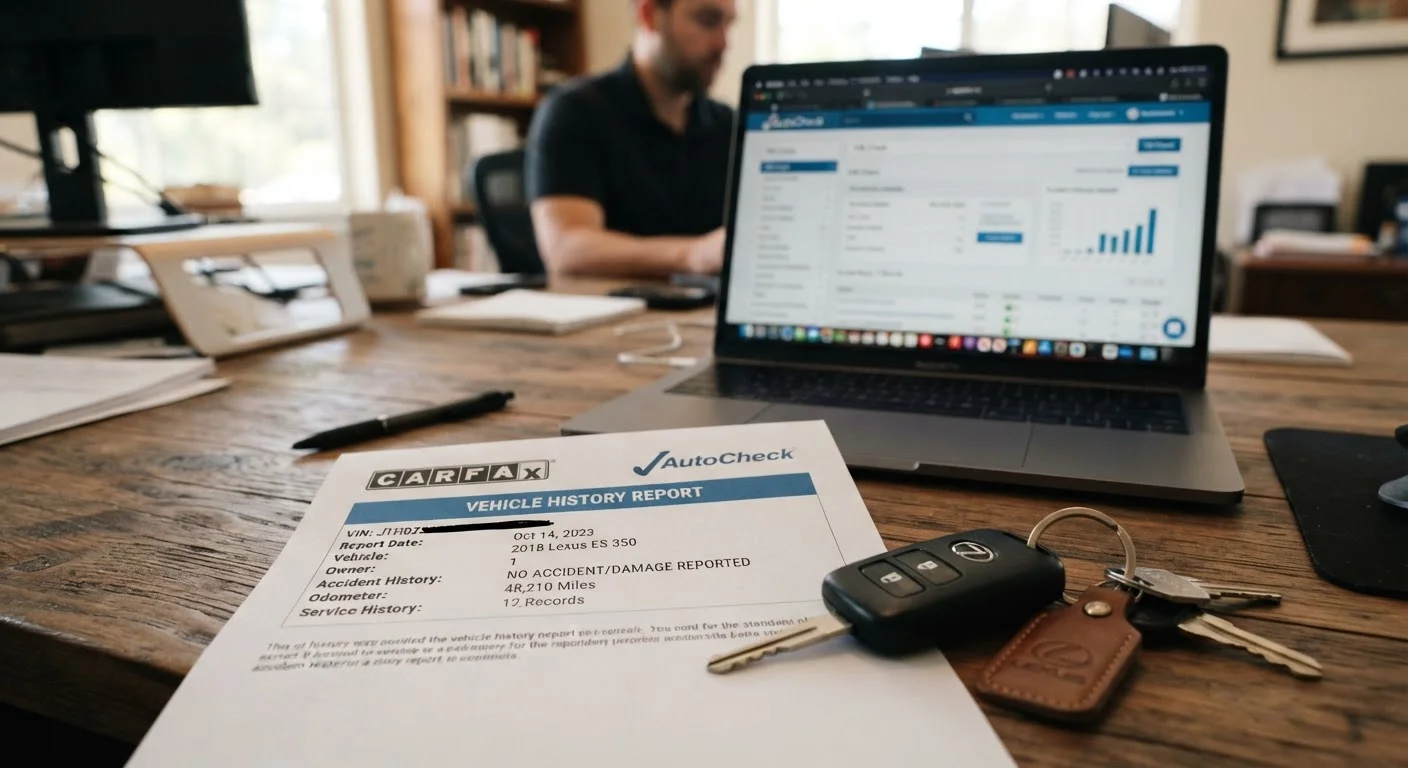
Neither NHTSA nor IIHS ratings address long-term reliability, ownership costs, or the condition of a specific used vehicle. A model with strong crash test scores can still have mechanical issues or a troubled ownership history. For used vehicles, pairing safety data with a vehicle history report adds important context — the vehicle history report explained covers what that document can and cannot tell you.
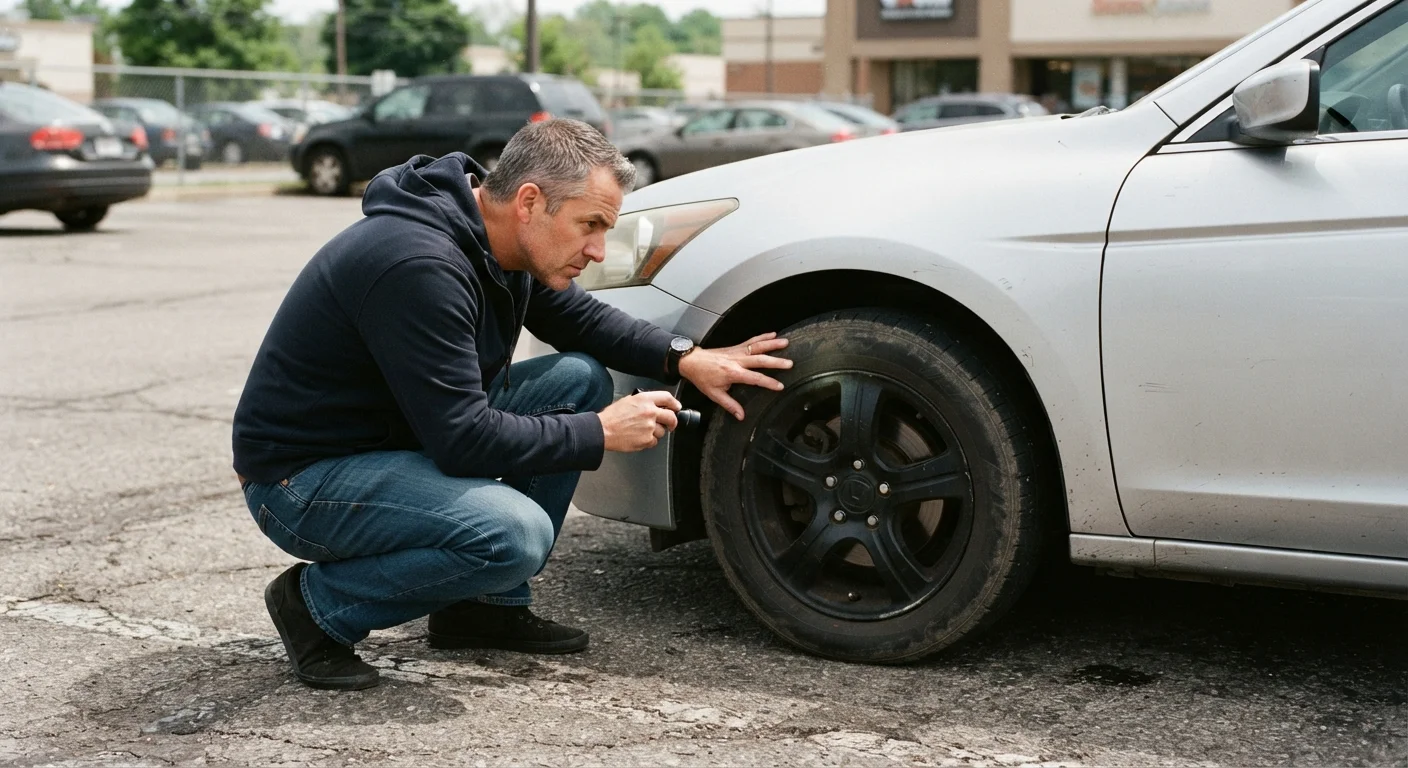
Ratings also reflect the vehicle as tested, typically without optional equipment that might affect real-world performance. Additionally, older model years may have been tested under less stringent criteria, so a strong historical rating doesn't guarantee it meets current standards. For hands-on evaluation before purchase, a used car inspection checklist helps catch issues no rating system will surface.
This article is for general informational purposes only. Safety ratings are one factor among many in a vehicle purchase decision; consult qualified professionals for guidance specific to your situation.