
The Core Distinction: Collateral
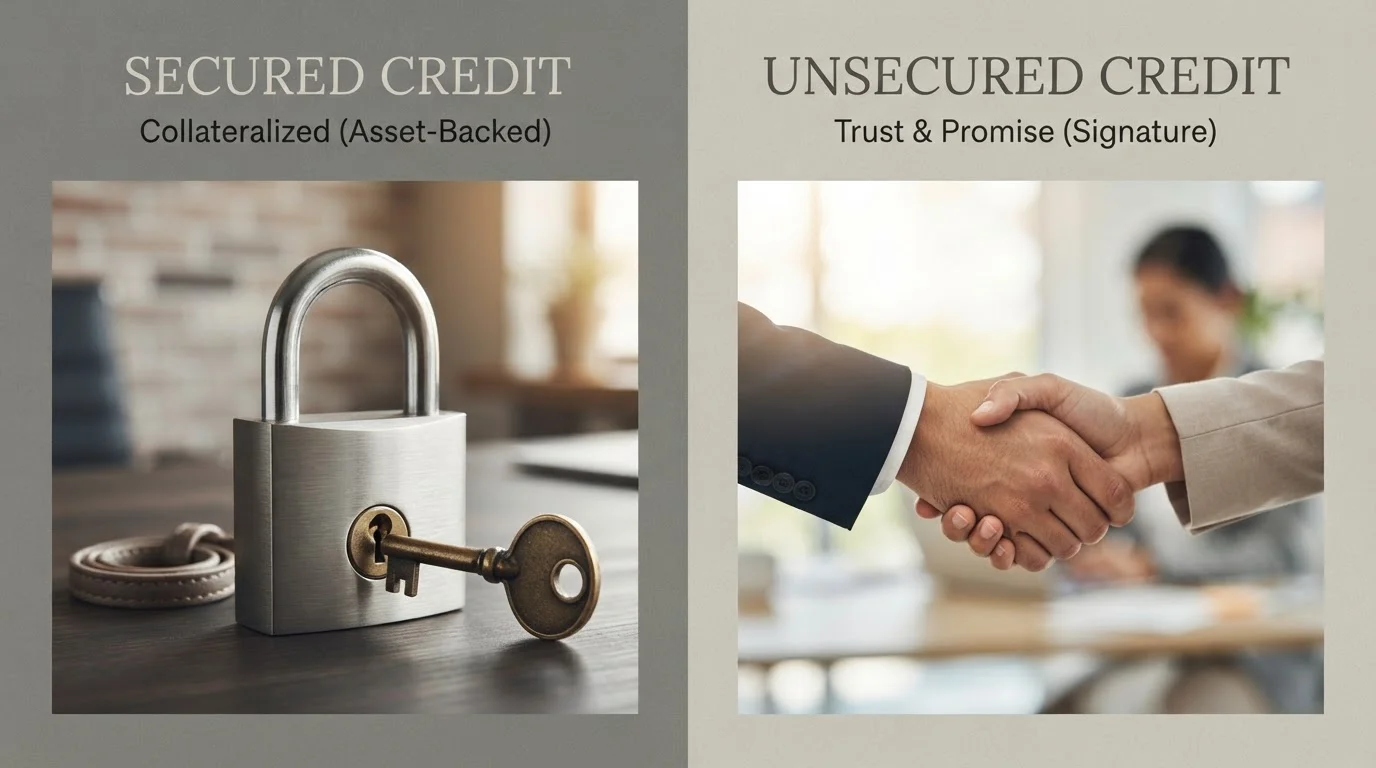
Every credit product — whether a mortgage, auto loan, credit card, or personal loan — falls into one of two structural categories: secured or unsecured. The defining difference is collateral.
Secured credit requires you to pledge an asset — a home, a vehicle, a savings deposit — as backing for the debt. If you fail to repay, the lender has a legal claim to that asset. Common examples include mortgages (secured by the home), auto loans (secured by the vehicle), and secured credit cards (backed by a cash deposit).
Unsecured credit involves no specific asset pledge. The lender extends funds based on your promise to repay, evaluated through your credit history, income, and debt-to-income ratio. Credit cards, personal loans, and student loans are typically unsecured.
This structural difference shapes nearly everything about how each product is priced and how default consequences play out. Understanding it is foundational to making sound borrowing decisions — much like understanding how fixed and variable expenses differ is foundational to any realistic budget.
How Risk Is Priced Differently
Lenders price interest rates according to the risk they assume. With secured credit, that risk is cushioned by the collateral — if a borrower defaults, the lender can recover some or all of its loss by seizing and selling the pledged asset. This reduced exposure typically results in lower interest rates for the borrower.
Unsecured lenders have no such backstop. If a borrower defaults, the lender's primary recourse is pursuing the debt through collections, reporting it to the credit bureaus, or seeking a court judgment. Because recovery is less certain, unsecured products generally carry higher interest rates to compensate for that elevated risk.
~14–30%
Typical unsecured credit card APR range
The Federal Reserve tracks average credit card interest rates, which have historically run significantly higher than secured loan rates like mortgages.
7 years
How long most negative items stay on credit reports
Under the Fair Credit Reporting Act, most derogatory marks — from either secured or unsecured defaults — remain on a credit report for up to seven years.
This pricing dynamic explains why mortgage rates are generally far lower than credit card rates, even though both are forms of credit. It also explains why borrowers with thin or damaged credit histories often find unsecured products harder to access — or available only at high rates — while a secured product may remain within reach because the collateral reduces the lender's exposure.
What Happens When You Default
Default consequences differ significantly between the two structures, and understanding them before you borrow is essential.
With secured debt, default can trigger asset repossession or foreclosure. Miss enough mortgage payments, and the lender can foreclose on your home. Fall behind on an auto loan, and the vehicle can be repossessed — sometimes with little warning. The loss of the asset is the most direct and immediate consequence, though the default will also damage your credit profile.
With unsecured debt, there is no specific asset for the lender to claim automatically. However, the consequences are still serious: the delinquency is reported to the three major credit bureaus (Equifax, Experian, and TransUnion), potentially lowering your credit score significantly. The debt may be sold to collections, and in some cases a creditor can pursue a civil judgment, which could lead to wage garnishment depending on state law.
Don't Underestimate Unsecured Default Risk
Because no asset is immediately on the line with unsecured debt, some borrowers underestimate the severity of default. In reality, a judgment creditor may be able to garnish wages or levy bank accounts depending on your state's laws. Treat unsecured obligations with the same seriousness as secured ones.
Neither outcome is minor. Both types of default create long-lasting marks on your credit report and score that can affect your ability to borrow, rent housing, or sometimes even obtain employment for years.
Choosing the Right Structure for Your Situation
The choice between secured and unsecured credit is rarely abstract — it flows from your financial situation, what you need funds for, and what risk you can manage.
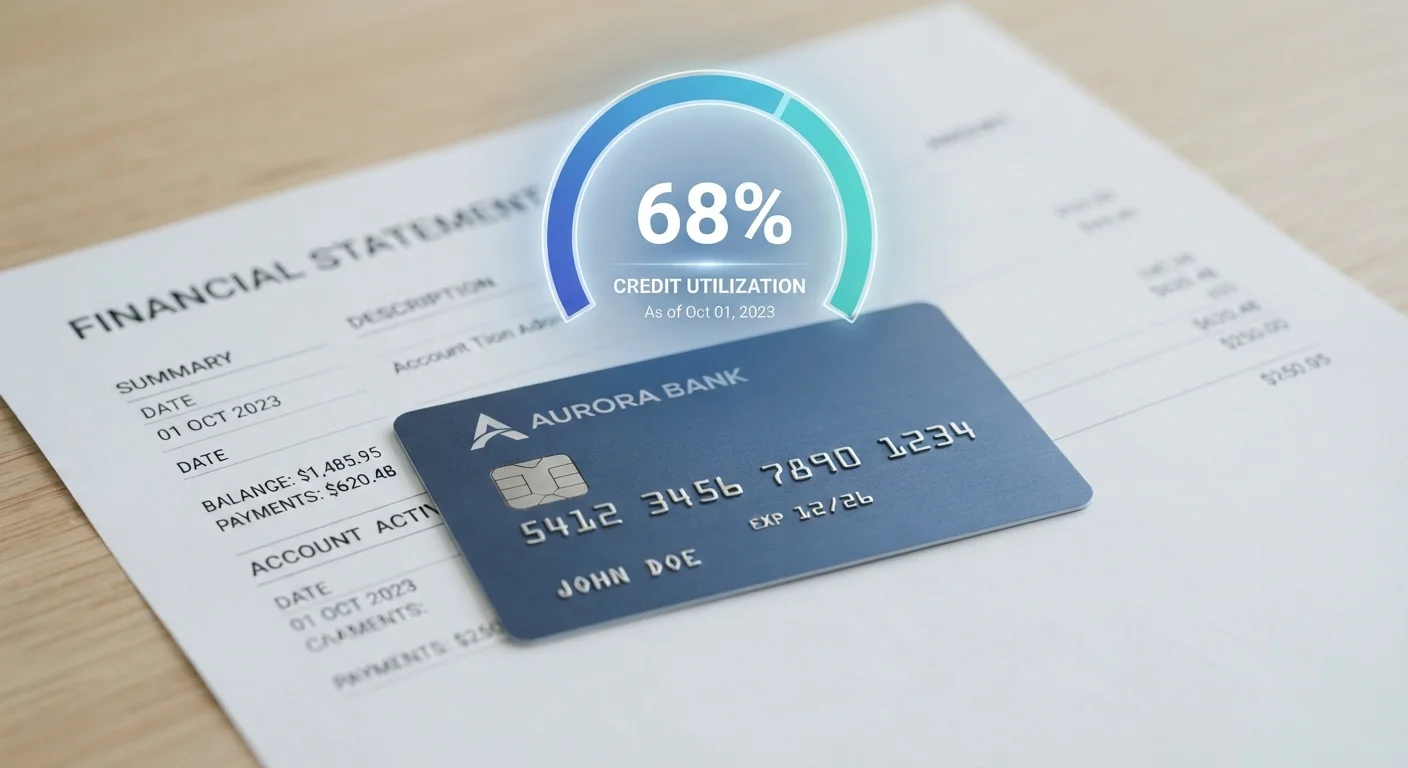
If you are building credit from scratch or recovering from past credit problems, a secured credit card — where your deposit sets your credit limit — can be a practical on-ramp. Responsible use is reported to the credit bureaus just like any other card, helping establish a positive payment history. Your credit utilization ratio on that card still matters, so keeping balances low is important.
If you already have solid credit and need flexibility without tying up assets, unsecured options may offer convenience. For larger borrowing needs — financing a home, consolidating high-interest debt — comparing secured vs. unsecured structures carefully is worthwhile. See also how personal loans and credit cards compare for debt consolidation for a related analysis.
Applying for any new credit product will generate a hard inquiry on your report. Understanding the difference between hard and soft inquiries can help you apply strategically and avoid unnecessary score impacts.
This article provides general financial information and education only, not personalized financial or legal advice. Consult a qualified financial professional before making borrowing decisions based on your specific circumstances.