
Why Added Sugar Is So Easy to Miss
Most people know to watch their sugar intake when reaching for candy or soda. What catches many off guard is how extensively added sugar turns up in foods that carry a wholesome image — or no sweet reputation at all. Bread, pasta sauce, flavored yogurt, and even deli meat can all contain meaningful amounts of added sugar. The challenge is partly linguistic: the food industry uses dozens of names for sugar, and manufacturers may split it across several ingredients to keep any single alias lower on the list.
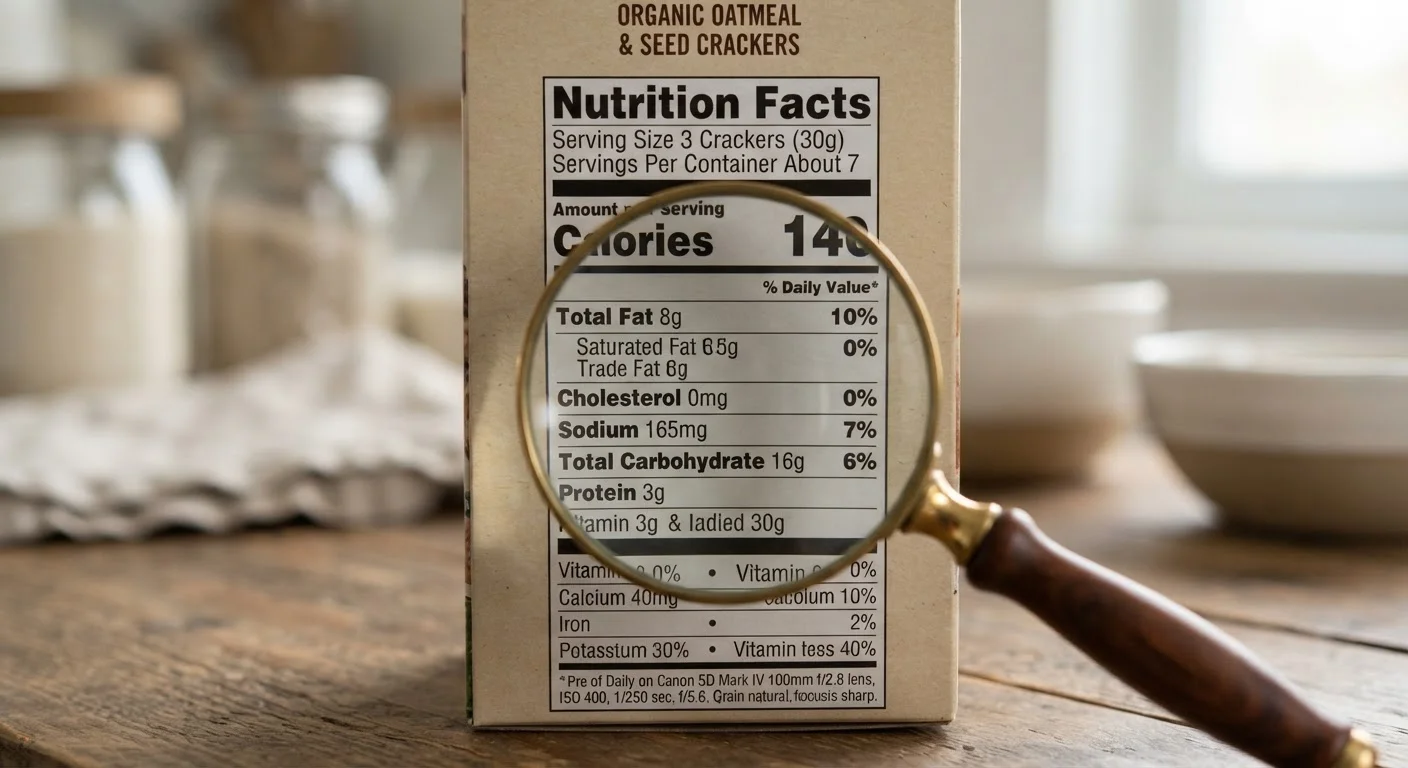
The updated Nutrition Facts label — required on most packaged foods after FDA regulatory updates — does include a separate line for "Added Sugars," distinct from naturally occurring sugars. That single change made comparison shopping more transparent. But reading it well still requires knowing what to look for, both in the numbers and in the ingredient list below. Our guide to decoding a Nutrition Facts label walks through each section in detail.
The list below covers eight categories where added sugar routinely hides — and what to look for when scanning a label.
Flavored Yogurt
Plain yogurt contains naturally occurring lactose, but flavored varieties — fruit-on-the-bottom, vanilla, or honey-style — frequently have added sweeteners layered on top. A single 5- to 6-ounce container can contain anywhere from 12 to 20 grams of added sugar. Look for aliases like "cane sugar," "high-fructose corn syrup," "fruit puree concentrate," or "evaporated cane juice" in the ingredient list. Choosing plain yogurt and adding fresh fruit yourself gives you control over the added sugar content.
A single flavored yogurt container can contain as much added sugar as a small candy bar.
Pasta Sauce and Marinara
Tomatoes are naturally acidic, and manufacturers commonly add sugar to balance flavor and smooth out bitterness. Jarred pasta sauces are a surprisingly consistent source of added sugar — often listed as "sugar," "dextrose," or "corn syrup solids." Comparing a few brands side by side on the Added Sugars line of the Nutrition Facts panel can reveal wide variation, sometimes a difference of 6 or more grams per half-cup serving between products that appear similar.
Jarred pasta sauces routinely contain added sugar to neutralize tomato acidity — even premium versions.
Bread and Packaged Rolls
Commercial bread formulas typically include some form of added sugar to feed yeast, improve browning, and extend shelf life. Whole-wheat and multigrain varieties are not exempt — many contain "molasses," "honey," "brown sugar," or "high-fructose corn syrup." Because bread is eaten in multiple servings throughout the day, even a modest amount per slice can accumulate. Checking the ingredient list rather than relying on front-of-package claims like "made with whole grains" gives a clearer picture.
Whole-grain bread is not automatically low in added sugar — the ingredient list tells a more complete story.
Salad Dressings
Salad dressings — especially reduced-fat versions — frequently compensate for the removal of fat with added sugar and sodium to preserve palatability. "Balsamic vinaigrette" and "raspberry vinaigrette" varieties are particularly prone to high added sugar content, but even creamy dressings can contain corn syrup or cane sugar. Because the standard serving size listed on the label (typically 2 tablespoons) often doesn't reflect real-world pours, actual intake can be higher than the label suggests.
Reduced-fat dressings often replace removed fat with added sugar to maintain flavor.
Granola and Granola Bars
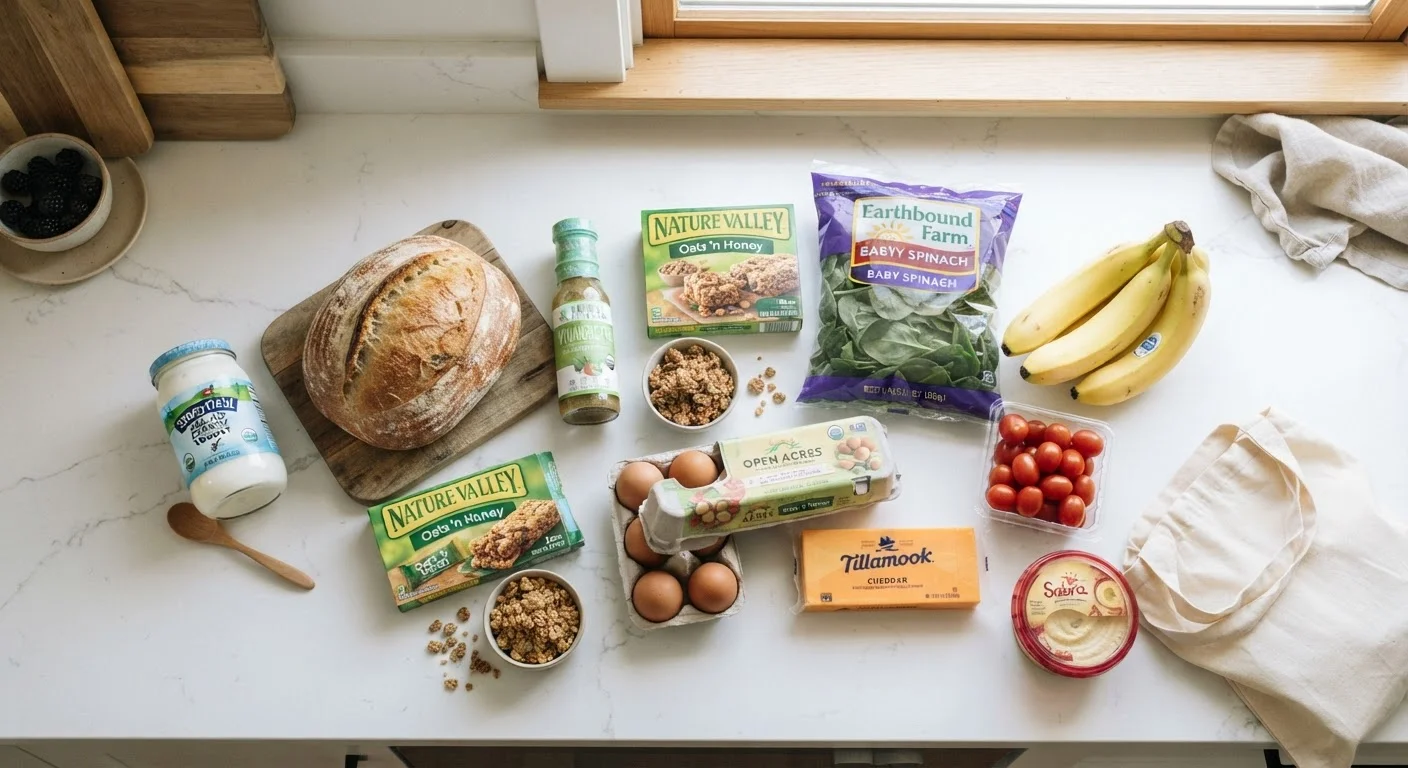
Granola carries a strong health association, but most commercial versions are held together — and flavored — with significant quantities of added sweeteners. Honey, brown rice syrup, agave nectar, and cane sugar are among the most common binders. Granola bars marketed for children or as "energy" products can contain 10 to 15 grams of added sugar per bar. The oats and nuts are nutritious; it's the bonding layer that drives added sugar up. Checking the Added Sugars line and comparing it against total carbohydrates offers a useful perspective.
Granola's healthy image is often undercut by the heavy sweeteners used to bind and flavor it.
Flavored Oatmeal Packets
Instant oatmeal packets marketed as a quick, wholesome breakfast can contain 10 to 14 grams of added sugar per single-serving packet, primarily from flavorings like "apple cinnamon" or "maple and brown sugar." The oat base itself is nutritionally sound, but the flavoring mix transforms the product significantly. Plain rolled oats or plain instant oats contain no added sugar; spices, a small drizzle of honey, or chopped fruit added at home allow control over sweetness and quantity.
Flavored oatmeal packets transform a nutritious base into a high-added-sugar product.
Condiments — Ketchup, BBQ Sauce, and Teriyaki
Ketchup is one of the most familiar examples: roughly 4 grams of added sugar per tablespoon is standard, and usage rarely stops at one tablespoon. Barbecue sauce and teriyaki sauce can be more extreme — some commercial barbecue sauces deliver 12 to 16 grams of added sugar in a two-tablespoon serving. Because condiments are used as accents rather than main dishes, their sugar contribution is easy to underestimate when totaling daily intake. "Reduced sugar" versions exist, but label comparison remains the most reliable verification tool.
Condiments like ketchup and BBQ sauce are among the most underestimated daily sources of added sugar.
Plant-Based Milks and Protein Drinks
Unsweetened almond, oat, or soy milk contains little to no added sugar, but "original" or "vanilla" varieties routinely do. Oat milk in particular has received attention because oats naturally convert to sugars during processing — but additional cane sugar or rice syrup is often added on top of that. Ready-to-drink protein shakes and meal replacement beverages follow a similar pattern: protein content is prominently featured on the front label while 15 to 20 grams of added sugar appear more quietly in the Nutrition Facts panel. Choosing unsweetened varieties of plant-based milks sidesteps most of this concern.
"Original" plant-based milks and ready-to-drink protein shakes frequently conceal substantial added sugar.
Building Habits That Make Label Reading Easier
Identifying hidden sugar doesn't require memorizing every alias. A practical shortcut: scan the ingredient list for any word ending in -ose (glucose, maltose, dextrose, fructose), any syrup, any juice concentrate, and words like molasses, honey, agave, or malt. Spotting two or three of these in the same product — especially in the first half of the list — suggests added sugar is a significant contributor to that food's profile.
A Quick Label-Reading Shortcut
When scanning an ingredient list, look for any word ending in -ose, any type of syrup, and terms like concentrate, malt, or molasses. If you find two or more of these in the same product — especially near the top of the list — added sugar is likely a significant contributor. The dedicated 'Added Sugars' line on the Nutrition Facts panel gives you the total at a glance, so cross-reference both sections for the clearest picture.
For a broader framework on building a cart that reflects nutritional balance, see our practical grocery shopping guide. And if you've been making what feel like healthy choices but aren't seeing the results you expected, it may be worth exploring how well-meaning eating habits can quietly go wrong.
This article is for general informational and educational purposes only and is not a substitute for personalized nutrition or medical advice. Individual dietary needs vary. Consult a registered dietitian or qualified healthcare professional before making significant changes to your diet.