
Why a Nutrition-First Approach Changes Your Cart
Most grocery trips are driven by habit, convenience, or whatever looks appealing in the moment. A nutrition-first approach flips that default: you decide in advance which food groups need representation and then build your cart around those priorities. The result is fewer late-aisle impulse additions and a more balanced weekly intake.
This checklist is designed for the average American grocery run — covering fresh, frozen, and packaged sections — and works alongside your usual meal planning. It is general nutritional guidance, not a substitute for personalized advice from a registered dietitian or healthcare provider. For a deeper dive into decoding product labels, see our guide to reading nutrition facts labels.
Before You Go
Produce Section
Proteins and Legumes
Grains and Starches
Dairy and Alternatives
Packaged and Processed Foods
Essential Tools for a Smarter Shop
Before you enter the store, a few simple habits and tools make the checklist significantly easier to follow. Budget constraints are real, and eating well does not require premium prices — our companion piece on eating well on a budget outlines cost-effective strategies. Also keep in mind that nutritional priorities shift across life stages; learn more in our overview of nutrition across the lifespan.
Weekly Meal Plan Template
Maps out meals for the week so your grocery list reflects actual nutritional needs rather than vague intentions.
Grocery List (paper or app)
Keeps you on track in-store, reduces impulse purchases, and ensures each food group is represented.
Nutrition Facts Label Reference
A quick-reference guide to % Daily Values helps you interpret label numbers accurately when comparing packaged products.
Micronutrient Reference Guide
Helps identify which foods supply specific vitamins and minerals you may be underconsuming; see our <a href="/health/nutrition-diet/vitamins-and-minerals-at-a-glance-a-quick-reference-guide-to-micronutrients">vitamins and minerals quick-reference</a>.
Front-of-Package Claims Are Not Regulated Nutrition Grades
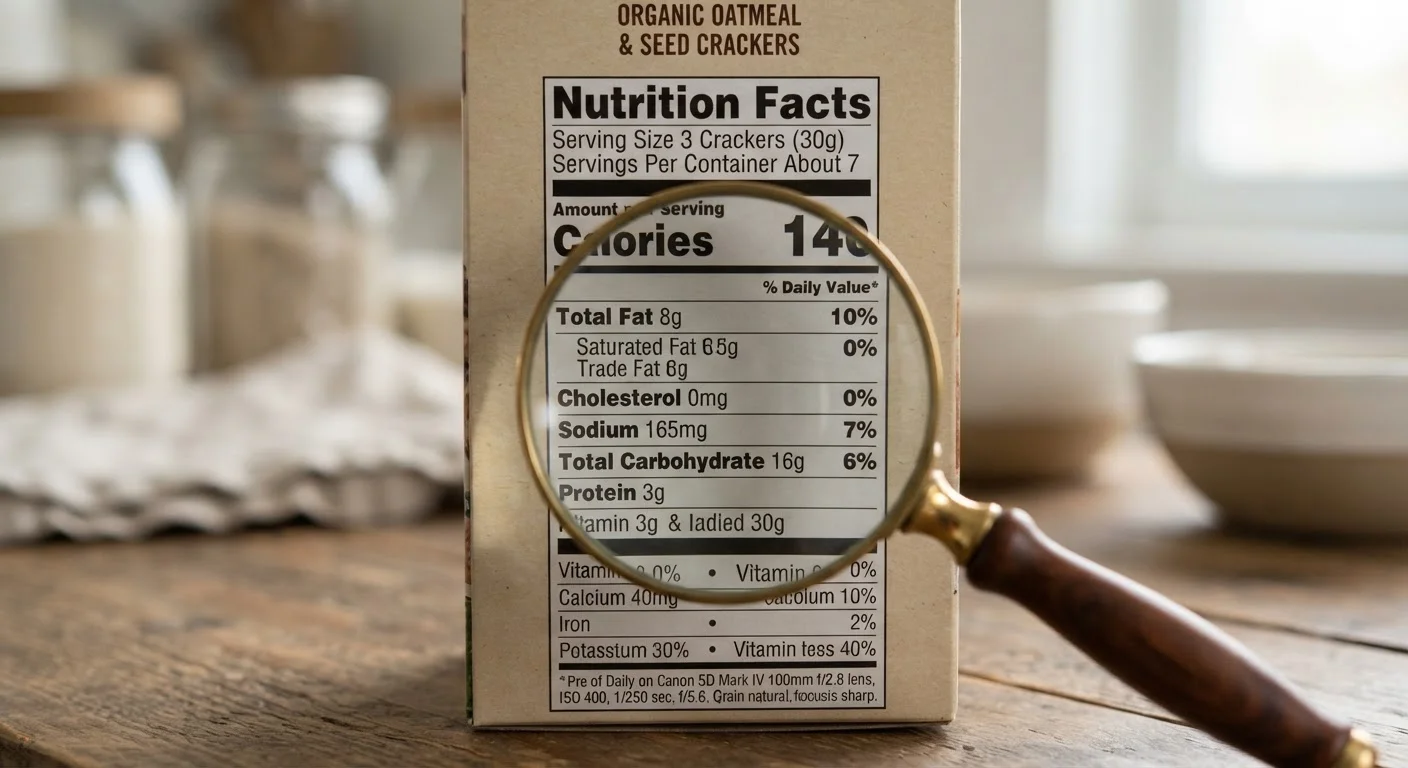
Terms like "natural," "wholesome," or "made with real fruit" carry no standardized nutritional meaning under current FDA labeling rules. A product bearing these phrases can still be high in added sugar, sodium, or refined grains. Always turn the package over and evaluate the Nutrition Facts panel and full ingredient list before deciding.
Navigating Packaged Foods Without Getting Misled
The center aisles of most grocery stores are dominated by packaged goods whose front-of-package claims — "natural," "multigrain," "light" — are largely unregulated marketing language. Nutritional value lives in the Nutrition Facts panel and the ingredient list, not the label's front face.
Two areas that frequently surprise shoppers: added sugars and refined grains. Added sugar appears under many names (dextrose, cane syrup, maltose, and more); our article on hidden sources of added sugar details where it tends to hide. On the grain front, "wheat bread" does not mean whole grain — check the ingredient list for "whole wheat" or another whole grain as the first ingredient. The whole grains vs. refined grains explainer covers what the difference actually means for your diet.
This Checklist Is General Guidance, Not Personal Medical Advice
Nutritional needs differ by age, health status, medications, and activity level. What supports balance for one person may not be appropriate for another. If you have a chronic condition, food allergy, or specific health goal, consult a registered dietitian or your healthcare provider before making significant changes to your diet.
Well-intentioned swaps can sometimes create new imbalances. If you notice your eating patterns shifting in unexpected ways, learn how healthy habits can quietly go wrong and what to reconsider.