

What Are Micronutrients — and Why Do They Matter?
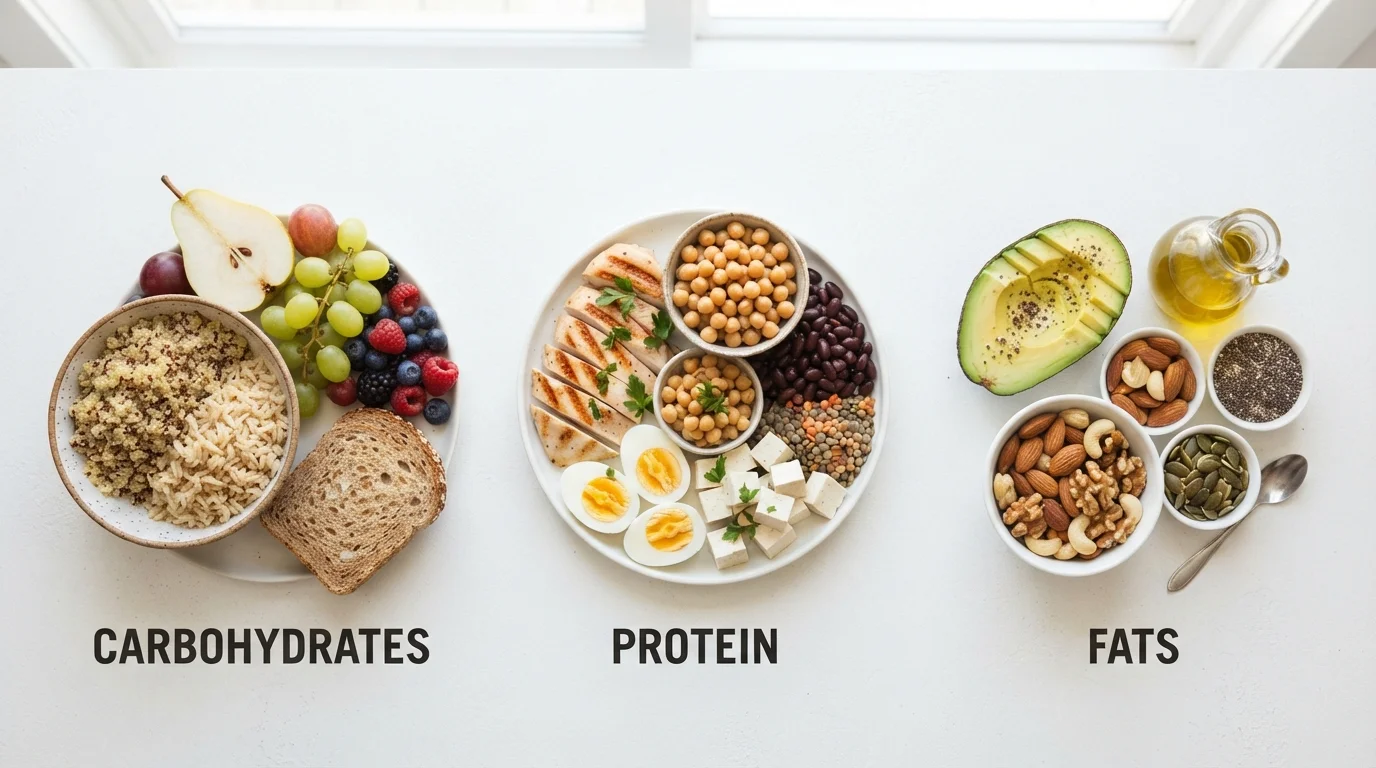
Micronutrients are the vitamins and minerals your body needs in relatively small amounts to function properly. Unlike macronutrients — carbohydrates, protein, and fat — they provide no calories, yet they are indispensable for nearly every physiological process, from energy metabolism and immune defense to bone integrity and blood clotting. See our plain-language breakdown of macronutrients for context on how these nutrient classes work alongside one another.
Vitamins are organic compounds divided into two broad categories: fat-soluble (A, D, E, K), which can be stored in body tissue, and water-soluble (C and the eight B vitamins), which are excreted more readily and require more consistent dietary replenishment. Minerals are inorganic elements sourced entirely from food and water; major minerals (like calcium and magnesium) are needed in larger amounts, while trace minerals (like zinc and selenium) are required in only tiny quantities but are no less essential.
Micronutrient
A vitamin or mineral required by the body in small amounts to support essential physiological functions. Unlike macronutrients, micronutrients supply no calories.
Fat-Soluble Vitamins
Vitamins A, D, E, and K, which are absorbed with dietary fat and stored in the liver and fatty tissues. Because they accumulate, both deficiency and excessive intake are concerns.
Water-Soluble Vitamins
Vitamin C and the eight B vitamins, which dissolve in water and are not significantly stored in the body. Excess amounts are typically eliminated in urine, making regular dietary intake important.
Daily Value (DV)
A reference amount established by the FDA representing how much of a nutrient a typical adult should consume per day. The % DV on Nutrition Facts labels shows how a food contributes to that target.
Antioxidant
A compound — including vitamins C and E and selenium — that helps neutralize unstable molecules called free radicals, which can damage cells over time.
Trace Mineral
A mineral needed in very small quantities (generally under 100 mg per day), such as zinc, selenium, and iodine. Small does not mean unimportant — deficiencies can have significant health effects.
This article is for general informational and educational purposes only and is not a substitute for personalized medical or dietary advice. Consult a qualified healthcare professional before making significant changes to your diet or beginning any supplement regimen.
Fat-Soluble Vitamins: A, D, E, and K
Because fat-soluble vitamins are stored in the liver and fatty tissues, they accumulate over time — meaning both deficiency and excess are possible. A varied diet almost always provides adequate amounts for healthy adults.
| Number of essential vitamins | 13 (National Institutes of Health, Office of Dietary Supplements) |
| Fat-soluble vitamins | A, D, E, K |
| Water-soluble vitamins | C and 8 B vitamins |
| Most common deficiency worldwide | Iron deficiency (World Health Organization) |
| Vitamin D deficiency prevalence (U.S.) | Estimated 1 in 4 adults (NIH Office of Dietary Supplements, based on serum level surveys) |
| Nutrient most at risk on plant-based diets | Vitamin B12 (Academy of Nutrition and Dietetics) |
- Vitamin A: Supports vision (particularly night vision), immune function, and cell growth. Found in liver, dairy products, eggs, and orange-pigmented produce such as sweet potatoes and carrots (as beta-carotene, a precursor the body converts to vitamin A).
- Vitamin D: Critical for calcium absorption, bone health, and immune regulation. Synthesized in skin exposed to sunlight; dietary sources include fatty fish, fortified dairy, and egg yolks. Deficiency is common in people with limited sun exposure.
- Vitamin E: Acts as an antioxidant protecting cell membranes from oxidative damage. Found in nuts, seeds, vegetable oils, and leafy greens.
- Vitamin K: Essential for blood clotting (K1, or phylloquinone) and bone metabolism (K2, or menaquinone). K1 is abundant in leafy greens such as kale and spinach; K2 is found in fermented foods and some animal products.
Water-Soluble Vitamins: C and the B Complex
Water-soluble vitamins are not significantly stored in the body, so consistent dietary intake is important. Because excess amounts are generally excreted through urine, toxicity from food sources is rare — though high-dose supplementation can carry risks for some B vitamins.
~90%
Americans under-consume vitamin D
Dietary data from the National Health and Nutrition Examination Survey (NHANES) consistently shows vitamin D among the most under-consumed nutrients in U.S. diets.
2 billion
People globally affected by micronutrient deficiency
The World Health Organization estimates roughly 2 billion people suffer from micronutrient deficiencies, often called 'hidden hunger,' particularly iron, iodine, and vitamin A.
400 mcg
Recommended daily folate for adults
The NIH recommends 400 mcg of dietary folate equivalents per day for most adults, rising to 600 mcg during pregnancy to support fetal neural tube development.
- Vitamin C: A potent antioxidant that supports collagen synthesis, immune function, and iron absorption from plant-based foods. Richly found in bell peppers, citrus fruits, strawberries, and broccoli.
- B1 (Thiamine): Helps convert carbohydrates into usable energy. Present in whole grains, pork, and legumes.
- B2 (Riboflavin): Involved in energy metabolism and cellular function. Found in dairy, eggs, lean meat, and fortified cereals.
- B3 (Niacin): Supports energy production and DNA repair. Found in poultry, fish, peanuts, and whole grains.
- B6 (Pyridoxine): Involved in protein metabolism and neurotransmitter synthesis. Present in poultry, fish, potatoes, and bananas.
- B9 (Folate / Folic Acid): Critical for DNA synthesis and cell division; especially important during pregnancy for neural tube development. Abundant in legumes, dark leafy greens, and fortified grains.
- B12 (Cobalamin): Required for nerve function, red blood cell formation, and DNA synthesis. Found almost exclusively in animal products; individuals following plant-based diets typically need supplementation or fortified foods. See our guide on plant-based eating and nutrient trade-offs for more detail.
A Note on Vitamin B12 and Plant-Based Diets
Vitamin B12 is found almost exclusively in animal-derived foods, making it a genuine concern for people following vegan or strict vegetarian diets. Deficiency can develop gradually and affect nerve function and red blood cell production. If you follow a plant-based pattern, speak with a healthcare provider or registered dietitian about whether supplementation or fortified foods are appropriate for you.
Essential Minerals: From Calcium to Zinc
Minerals serve structural roles (bones and teeth), regulatory functions (nerve signaling, fluid balance), and catalytic roles (activating enzymes). A diverse, whole-foods diet is the most reliable way to cover mineral needs. When shopping, shopping with nutrition in mind can help you consistently land mineral-rich choices.
| Mineral | Key Function(s) | Common Food Sources |
|---|---|---|
| Calcium | Bone and tooth structure; muscle contraction; nerve signaling | Dairy, fortified plant milks, tofu, sardines, kale |
| Iron | Oxygen transport (hemoglobin); energy metabolism | Red meat, shellfish, legumes, fortified cereals, spinach |
| Magnesium | Enzyme activation; muscle and nerve function; blood sugar regulation | Nuts, seeds, whole grains, dark chocolate, legumes |
| Potassium | Fluid balance; blood pressure regulation; nerve and muscle function | Bananas, potatoes, white beans, avocados, dairy |
| Zinc | Immune defense; wound healing; enzyme activity; taste and smell | Oysters, red meat, poultry, beans, nuts, seeds |
| Selenium | Antioxidant defense; thyroid hormone metabolism | Brazil nuts, seafood, poultry, eggs, whole grains |
| Iodine | Thyroid hormone synthesis; metabolic regulation | Iodized salt, seafood, dairy, seaweed |
Nutritional requirements shift throughout life. Children, pregnant individuals, older adults, and people with certain health conditions may have meaningfully different needs — for a fuller picture, see our overview of how dietary needs shift across the lifespan.
Understanding the % Daily Value column on food labels is a practical shortcut for gauging micronutrient density at a glance. Our companion piece on reading a Nutrition Facts label walks through that process step by step.
This article is for general informational and educational purposes only. Individual nutritional needs vary. Consult a registered dietitian or qualified healthcare provider for personalized guidance.