
The Short Answer: It Depends on Your Dog
There's no universal bathing schedule that fits every dog. A general guideline from veterinary sources, including the American Kennel Club, suggests bathing most dogs roughly once a month — but your dog's coat type, activity level, and any underlying skin conditions can shift that window significantly in either direction.
Over-bathing is a real concern. Stripping the coat too frequently can remove natural oils that protect your dog's skin, potentially leading to dryness, irritation, or increased shedding. Under-bathing, on the other hand, can allow dirt, allergens, and odor to build up. The goal is finding a frequency that keeps your dog clean without disrupting their skin's natural balance.
Bathing is just one part of a broader routine. See The Daily Grooming Habits That Keep Pets Healthy Year-Round for a fuller picture of at-home care.
How Coat Type Changes the Equation
Coat type is one of the strongest predictors of how often a dog needs a bath. Here's how different coat categories generally break down:
- Short, smooth coats (Beagles, Boxers, Greyhounds): These coats are low-maintenance and tend to repel dirt. Every 6–8 weeks is often sufficient unless the dog gets into something messy.
- Double coats (Huskies, Golden Retrievers, Labrador Retrievers): The dense undercoat can trap debris and odors. Monthly bathing, combined with regular brushing, helps keep the coat healthy and reduces shedding.
- Long or silky coats (Shih Tzus, Maltese, Yorkies): These coats tangle easily and may need bathing every 2–4 weeks to stay clean and manageable.
- Curly or wavy coats (Poodles, Labradoodles): Prone to matting if not maintained; bathing every 3–6 weeks alongside regular brushing is typically recommended.
- Wiry or rough coats (Terriers, Schnauzers): Generally bathed every 4–6 weeks; stripping or hand-stripping may also be part of the grooming routine.
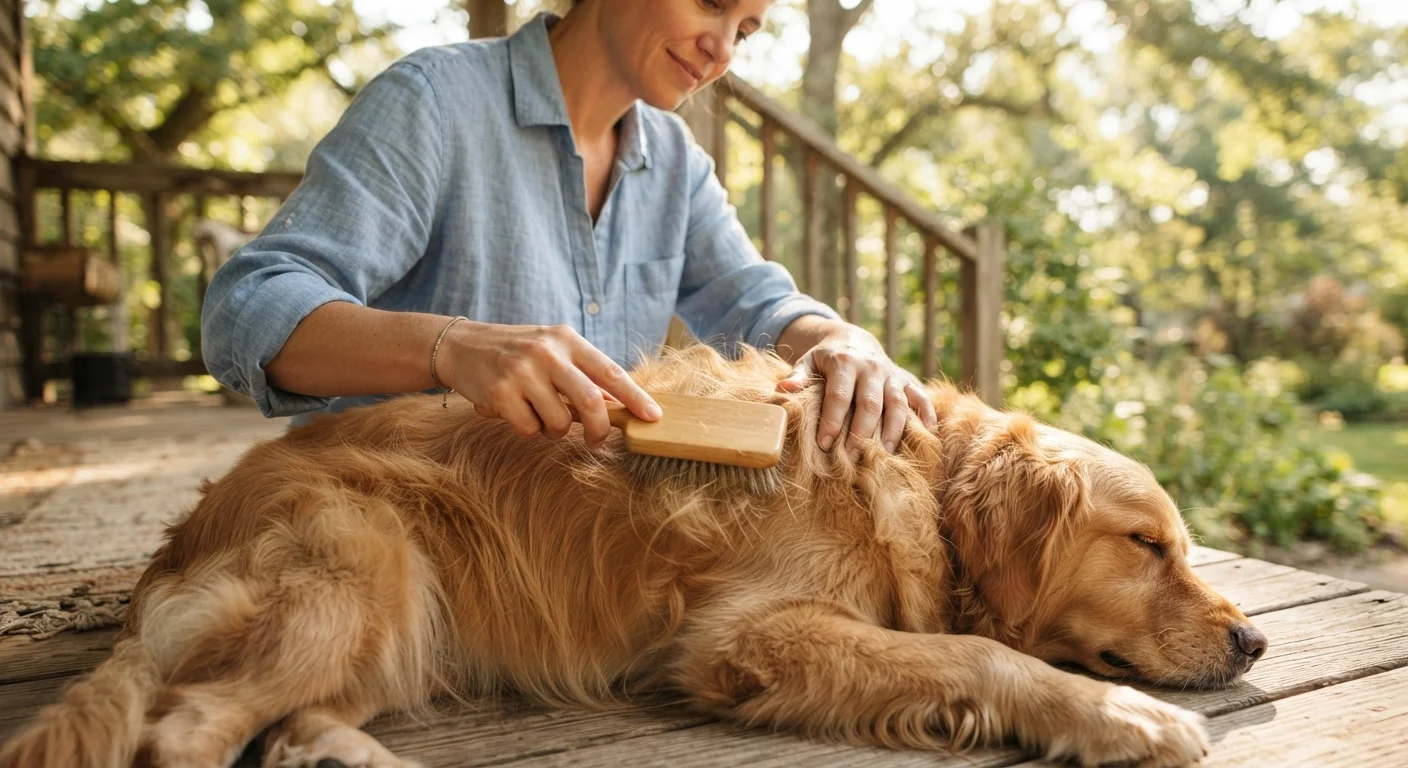
Whatever the coat type, always brush before bathing to remove loose fur and prevent mats from tightening when wet.
Activity Level, Environment, and Skin Health
A dog that swims weekly, rolls in mud, or works outdoors will need bathing more often than a calm indoor companion — regardless of breed. Dogs with seasonal or environmental allergies may also benefit from more frequent rinsing to reduce allergen accumulation on their coat and skin. Always consult your veterinarian before adjusting bathing frequency for a dog with diagnosed skin conditions, as the recommendation may differ significantly from the general guidelines above.
Seborrhea
A skin condition in dogs characterized by flaky, greasy, or scaly skin. It can be primary (inherited) or secondary to another condition, and often requires veterinary-prescribed medicated shampoos.
Undercoat
The dense, soft layer of fur beneath a dog's outer guard hairs. Common in double-coated breeds, it traps heat and debris and requires regular brushing to prevent matting.
Natural skin oils
Sebum and other lipids produced by a dog's skin glands that help maintain coat health, moisture, and a protective barrier. Over-bathing can strip these oils and lead to dryness.
Medicated shampoo
A veterinary-recommended shampoo containing active ingredients (such as antifungals, antibacterials, or salicylic acid) used to treat specific skin conditions. These should only be used as directed by a vet.
Dogs with seborrhea (a condition causing flaky or greasy skin) or other dermatological diagnoses may require medicated shampoos on a specific schedule — one set by your vet, not a general grooming guide.
As dogs age, skin can become drier and more sensitive. If you have a senior dog, Senior Pet Care: How Health Needs Shift as Animals Age covers how grooming and hygiene routines may need to be adapted.
Practical Tips for Bath Time
Getting the mechanics right matters as much as the schedule. Keep these points in mind:
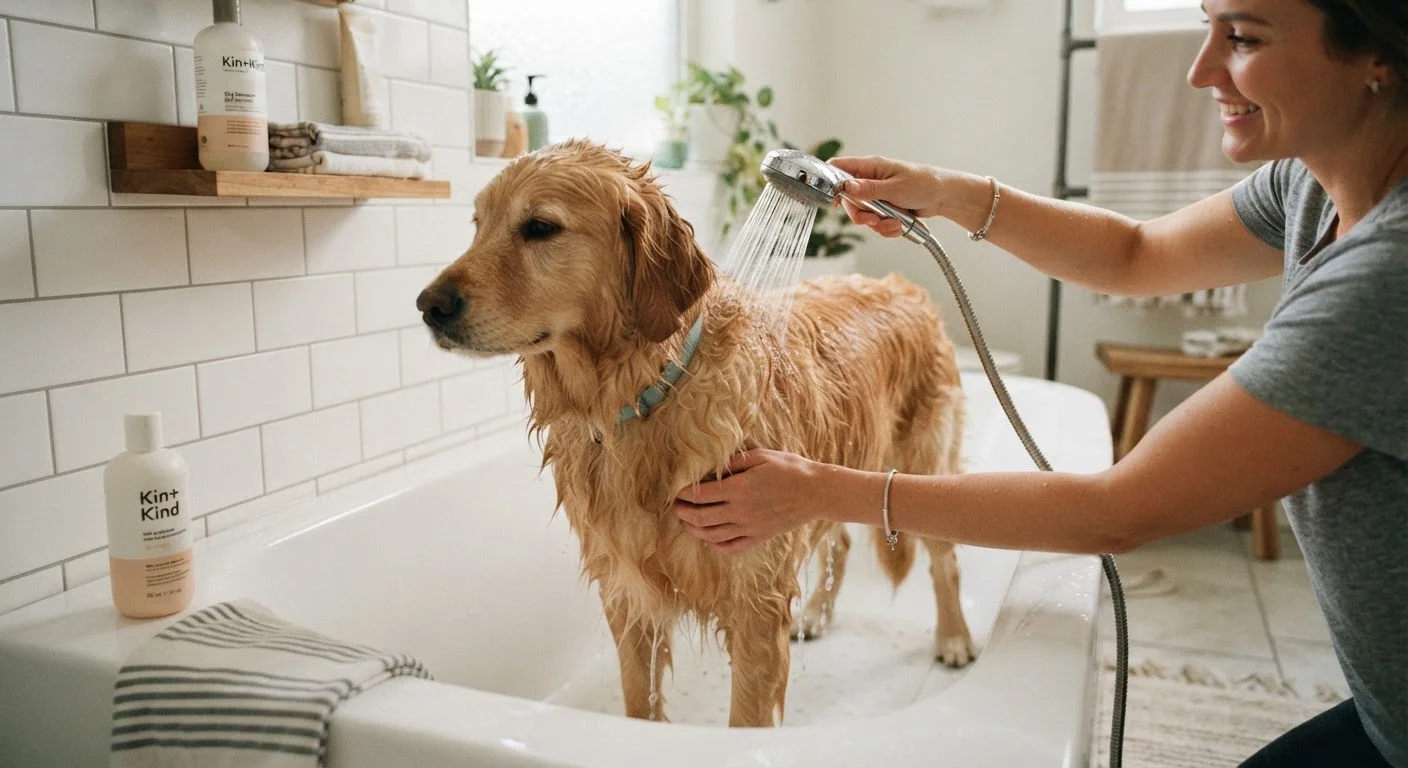
- Use a shampoo formulated for dogs. Human shampoos — including baby shampoos — have a different pH than products designed for canine skin and can cause irritation over time.
- Rinse thoroughly. Shampoo residue left in the coat is a common cause of post-bath itching and skin irritation.
- Dry carefully. Towel-dry first, then use a low-heat setting if you use a dryer. Dogs with dense or double coats can stay damp close to the skin for hours if not dried properly, which may invite bacterial or fungal issues.
- Check ears after bathing. Moisture in the ear canal can contribute to infection, particularly in dogs with floppy ears. Gently dry the outer ear with a clean cloth.
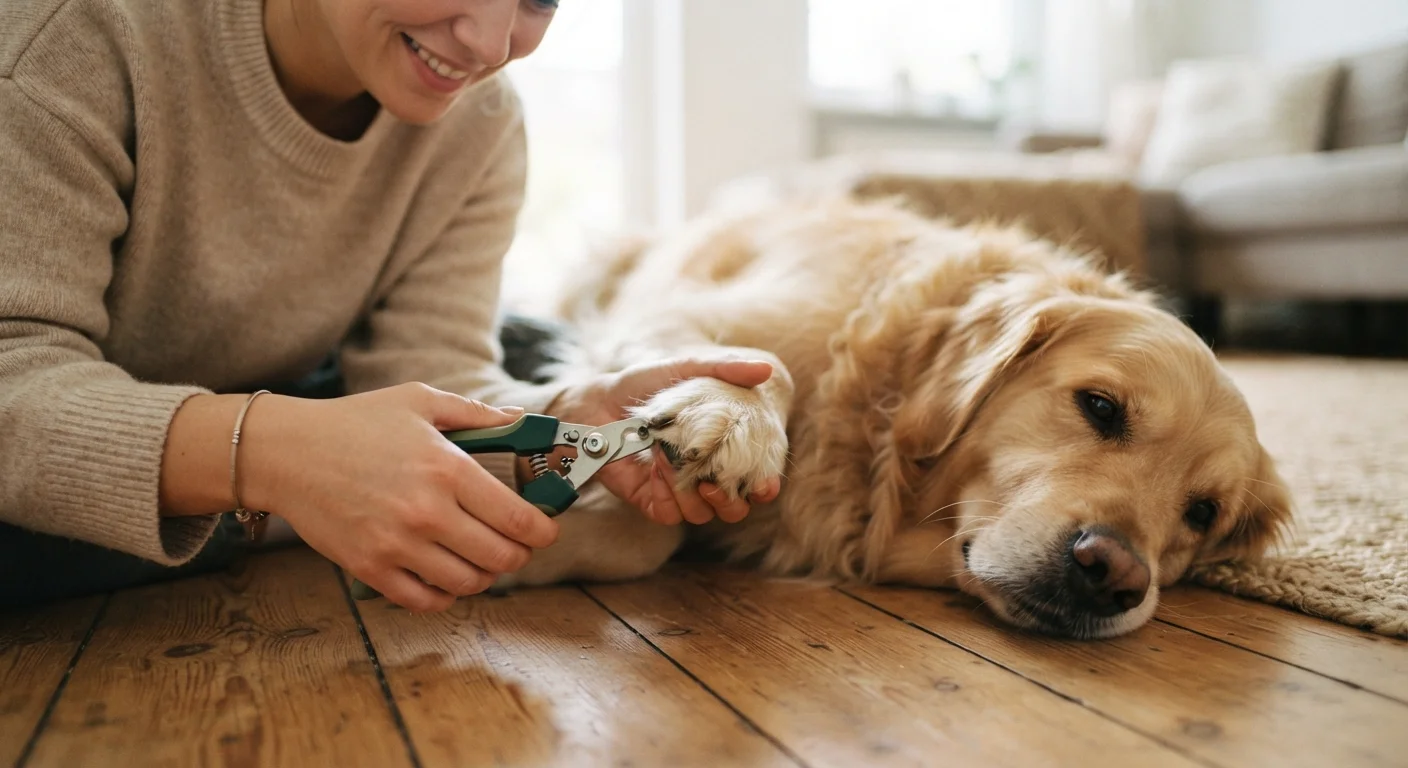
Bathing is also a good opportunity to inspect your dog's skin for unusual bumps, redness, or parasites. Pair it with regular nail trims and dental care for a well-rounded grooming session.
This article is for general informational purposes only and is not a substitute for professional veterinary advice. Always consult a licensed veterinarian for guidance specific to your pet's health and needs.