
Why Due Diligence Determines Whether a Project Is Viable
Development projects that run into trouble — cost overruns, stalled permits, contaminated soil, title disputes — often share a common root cause: insufficient investigation before construction began. Due diligence is the structured process developers use to verify that a site is legally, physically, and financially suited to what they intend to build.
As property development involves coordinating dozens of moving parts, the due diligence phase is where developers ask hard questions while there is still time to walk away or renegotiate. It typically follows initial site selection and precedes any binding commitment to purchase or develop.
The checklist below reflects the core categories experienced developers work through. Individual projects may require additional specialist reviews — particularly for brownfield redevelopment, historic properties, or large mixed-use schemes. Consult qualified legal, environmental, and financial professionals before making decisions specific to your project.
Zoning and Land Use
Title and Legal Status
Environmental and Geotechnical
Utilities and Infrastructure
Financial Feasibility
Tools and Professionals Typically Involved
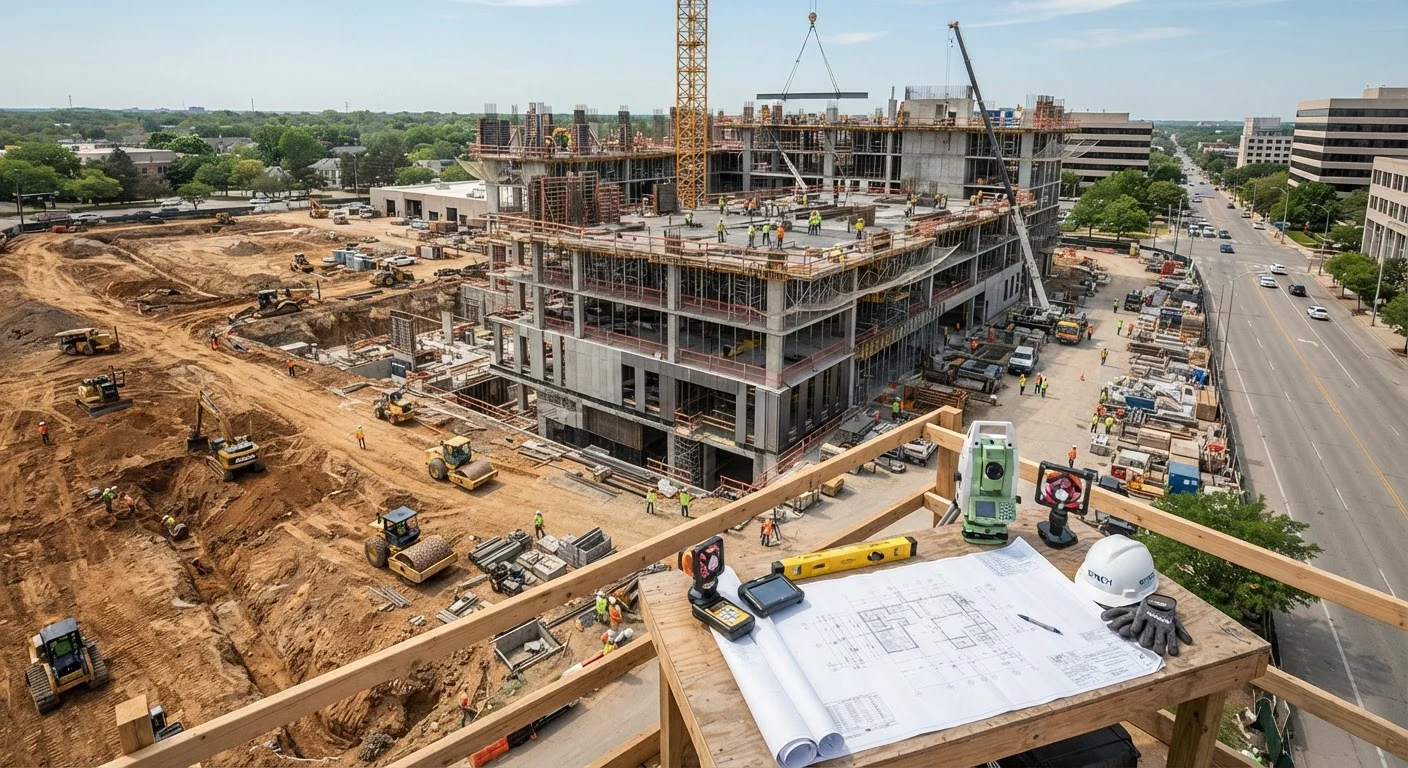
Due diligence is rarely a solo undertaking. Developers typically assemble a team of specialists whose findings feed into a single feasibility picture. Each stage of a development project depends on the quality of investigation that came before it — which is why the professionals engaged during due diligence matter as much as the checklist itself.
Licensed Real Estate Attorney
Reviews title documents, easements, deed restrictions, and purchase contract terms to protect the developer's legal interests.
Environmental Consultant
Conducts Phase I and Phase II environmental site assessments to identify contamination risks and regulatory obligations.
Geotechnical Engineer
Analyses soil conditions, bearing capacity, and groundwater levels to determine whether the site can structurally support the planned construction.
Land Use Planner or Zoning Attorney
Interprets zoning codes, overlay districts, and entitlement pathways and advises on permit strategies.
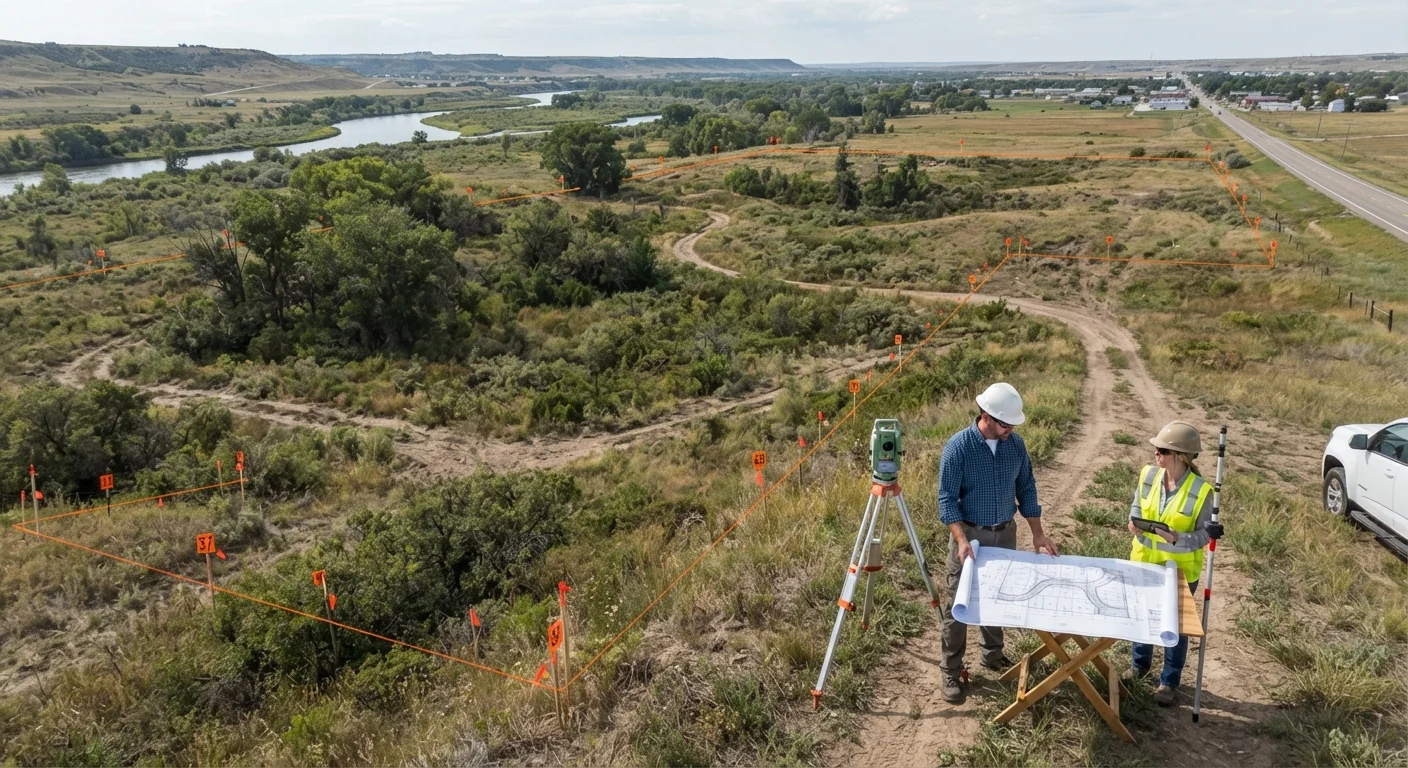
Licensed Surveyor
Produces an accurate boundary survey and identifies encroachments, easement locations, and topographic features.
Financial Analyst or Development Consultant
Builds the project pro forma, models financing scenarios, and stress-tests assumptions against market data.
Skipping Steps Compounds Risk
Due diligence phases are interdependent — an environmental finding can alter the financial model, which may affect the legal structure of the deal. Cutting short any single area of investigation does not just create a gap in that category; it can distort conclusions drawn across the entire feasibility analysis. Developers who have been through troubled projects often cite skipped or abbreviated due diligence as a primary contributing factor.
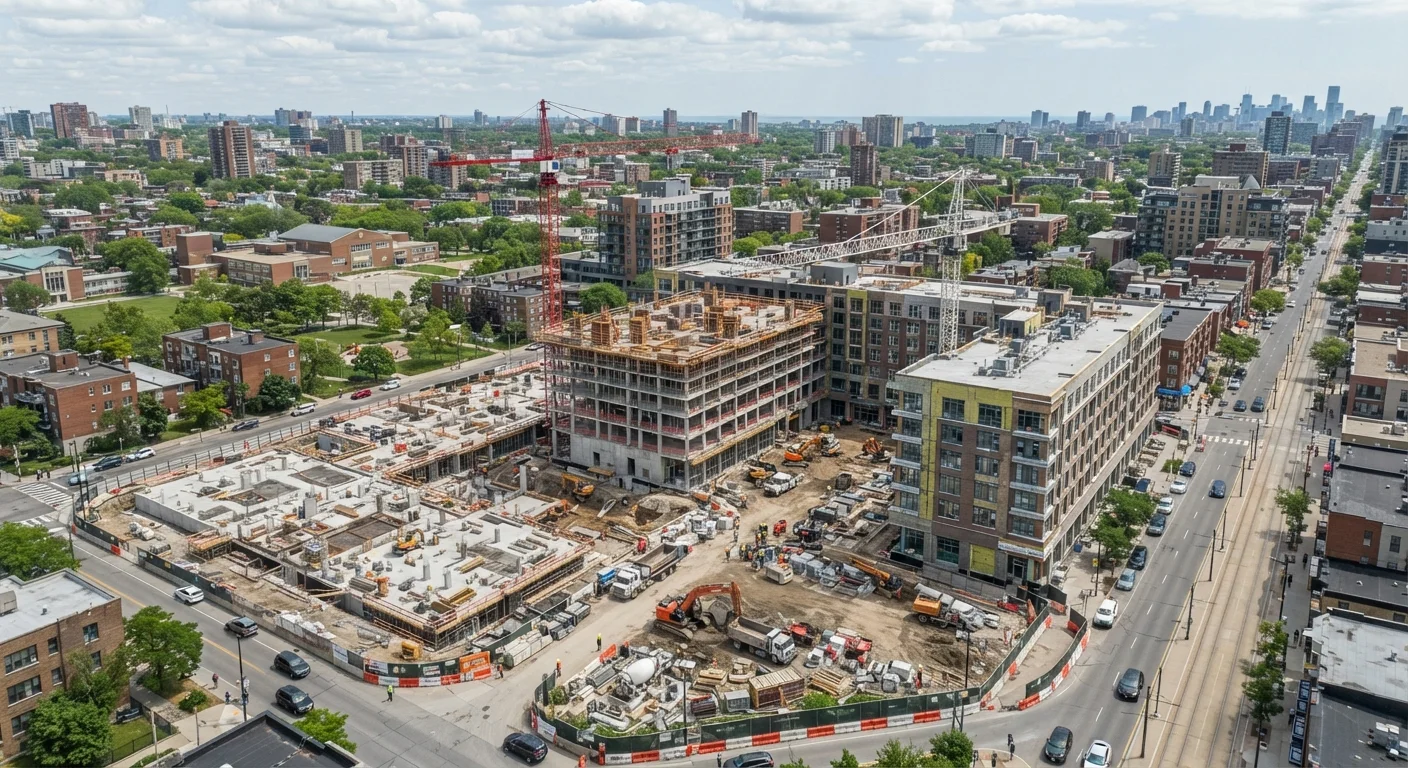
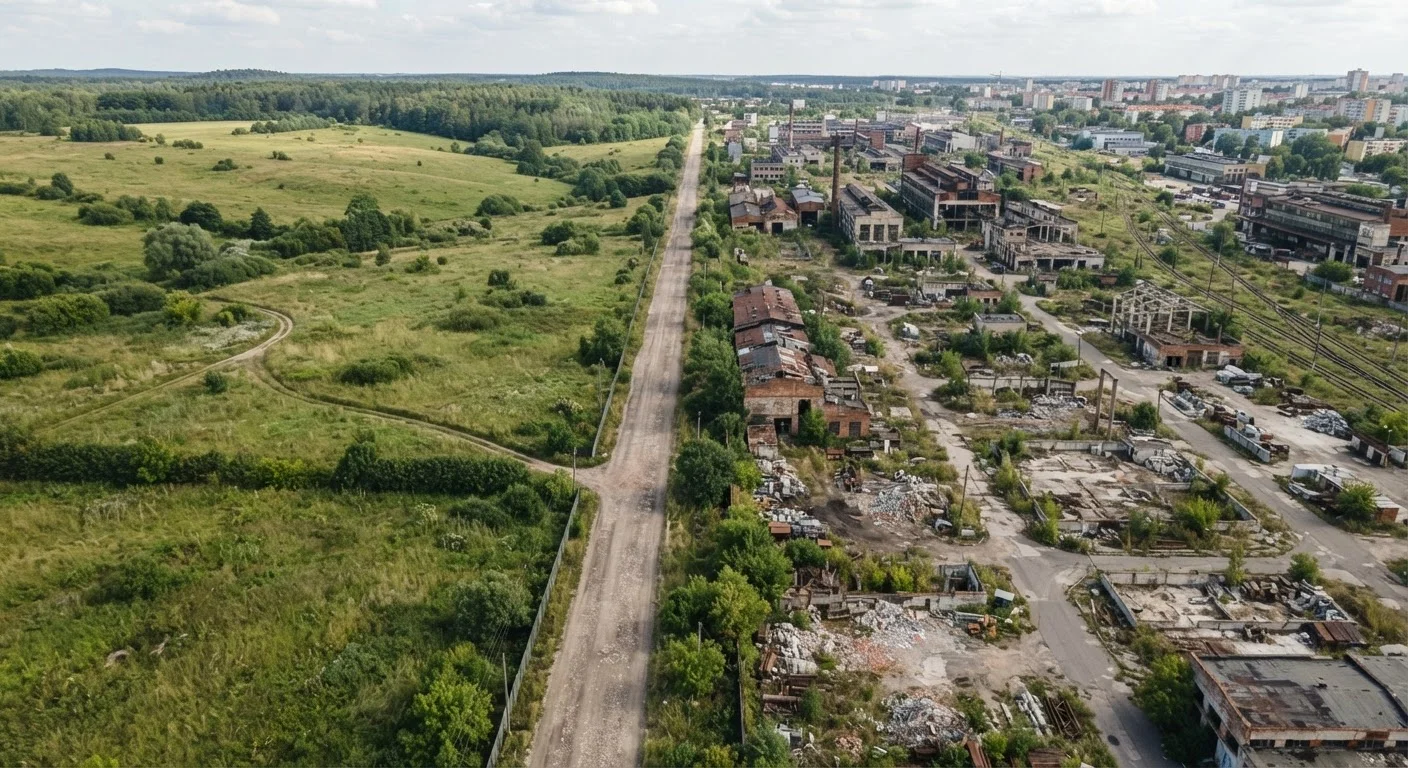
For sites that present environmental uncertainty, developers often compare greenfield versus brownfield trade-offs carefully before committing, since remediation costs on previously used land can significantly alter project economics.
Due Diligence Is Not a Guarantee
Even a thorough due diligence process cannot eliminate all project risk. Market conditions, regulatory decisions, and unforeseen site conditions can change after investigation concludes. The purpose of due diligence is to surface known and knowable risks so that developers can make informed decisions — not to produce certainty. Always engage qualified legal, environmental, and financial professionals whose findings are specific to your site and project.