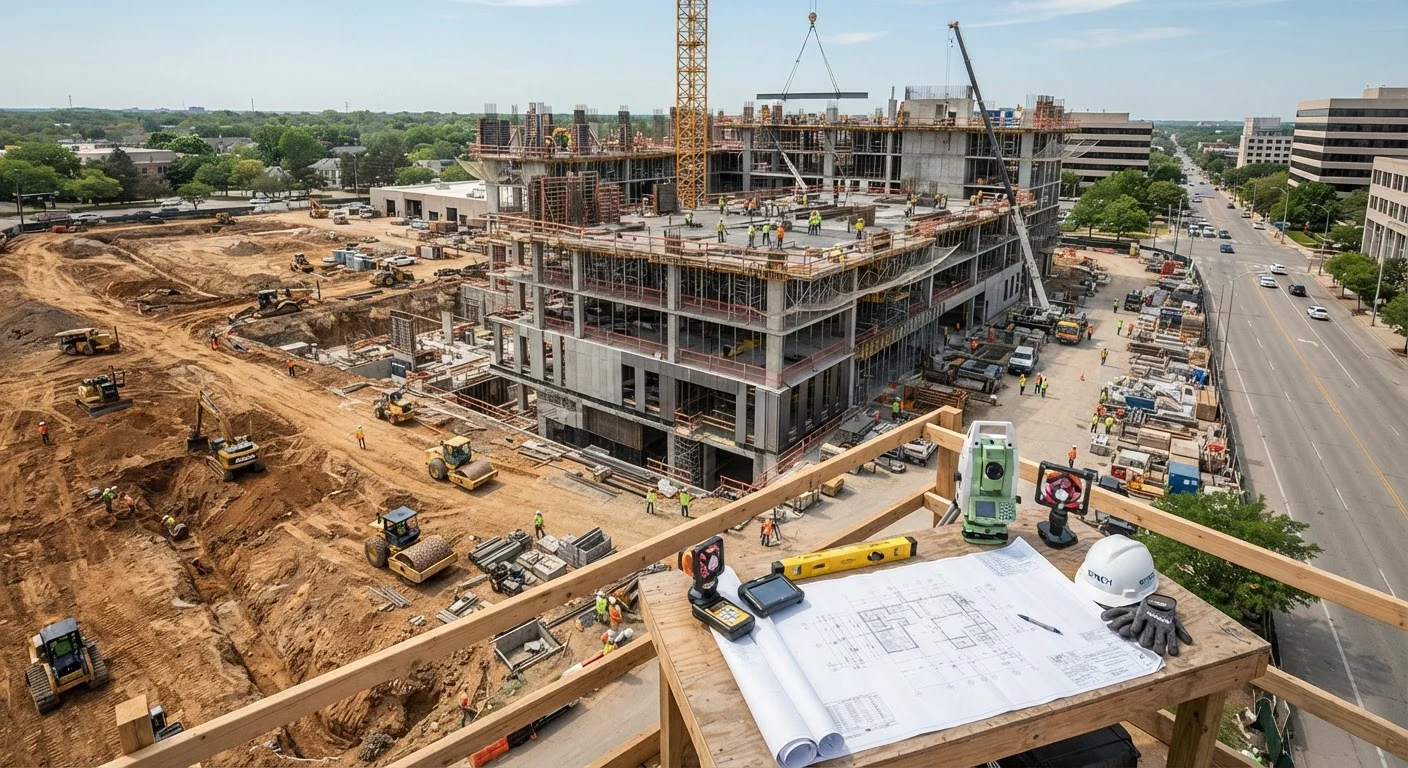

What Greenfield and Brownfield Sites Actually Mean
The terms greenfield and brownfield describe the prior condition of land before development begins — a distinction that shapes nearly every aspect of a project, from cost and timeline to regulatory requirements and community reception.
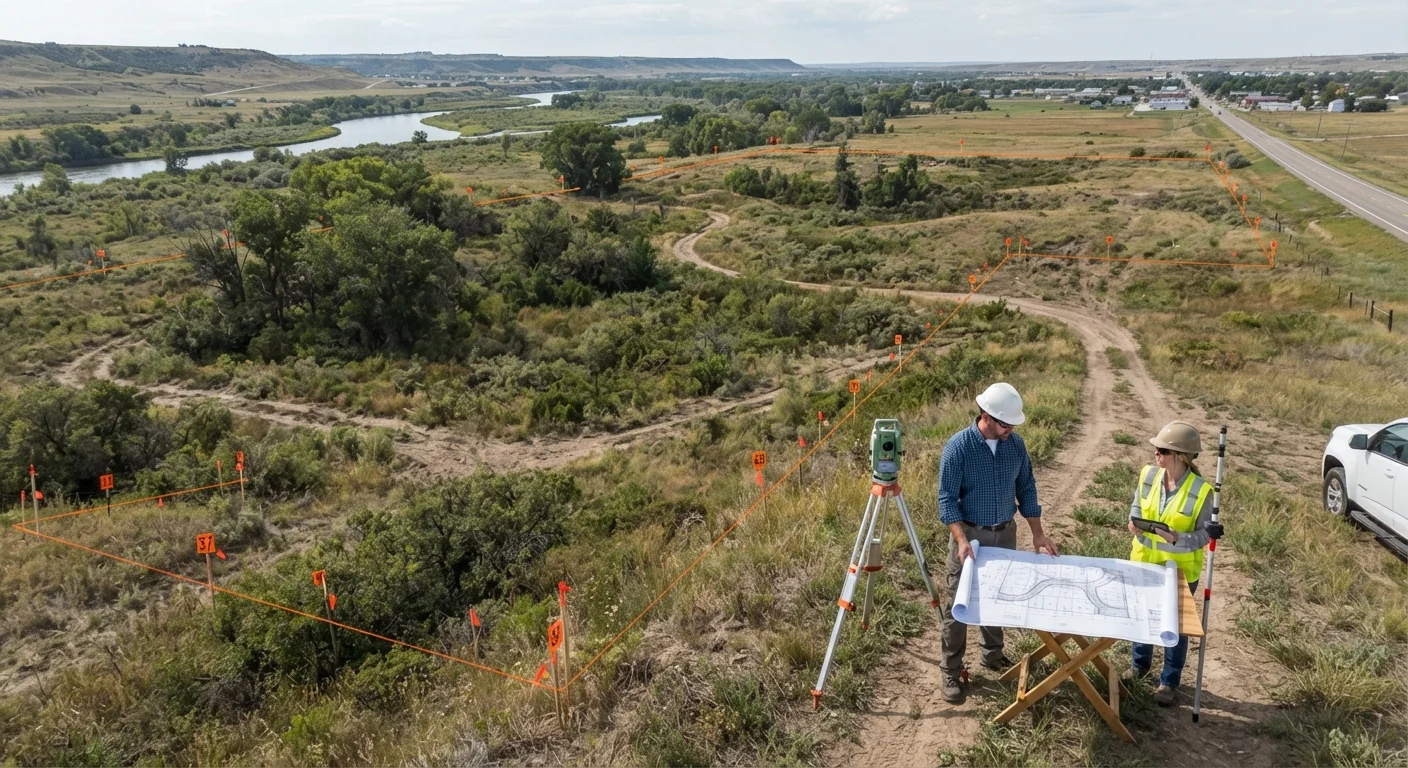
A greenfield site is land that has not previously been developed or built upon. This often includes agricultural land, meadows, or undisturbed rural parcels at the edge of growing communities. Because no prior use has occurred, developers typically start with a clean slate — but also without existing infrastructure.
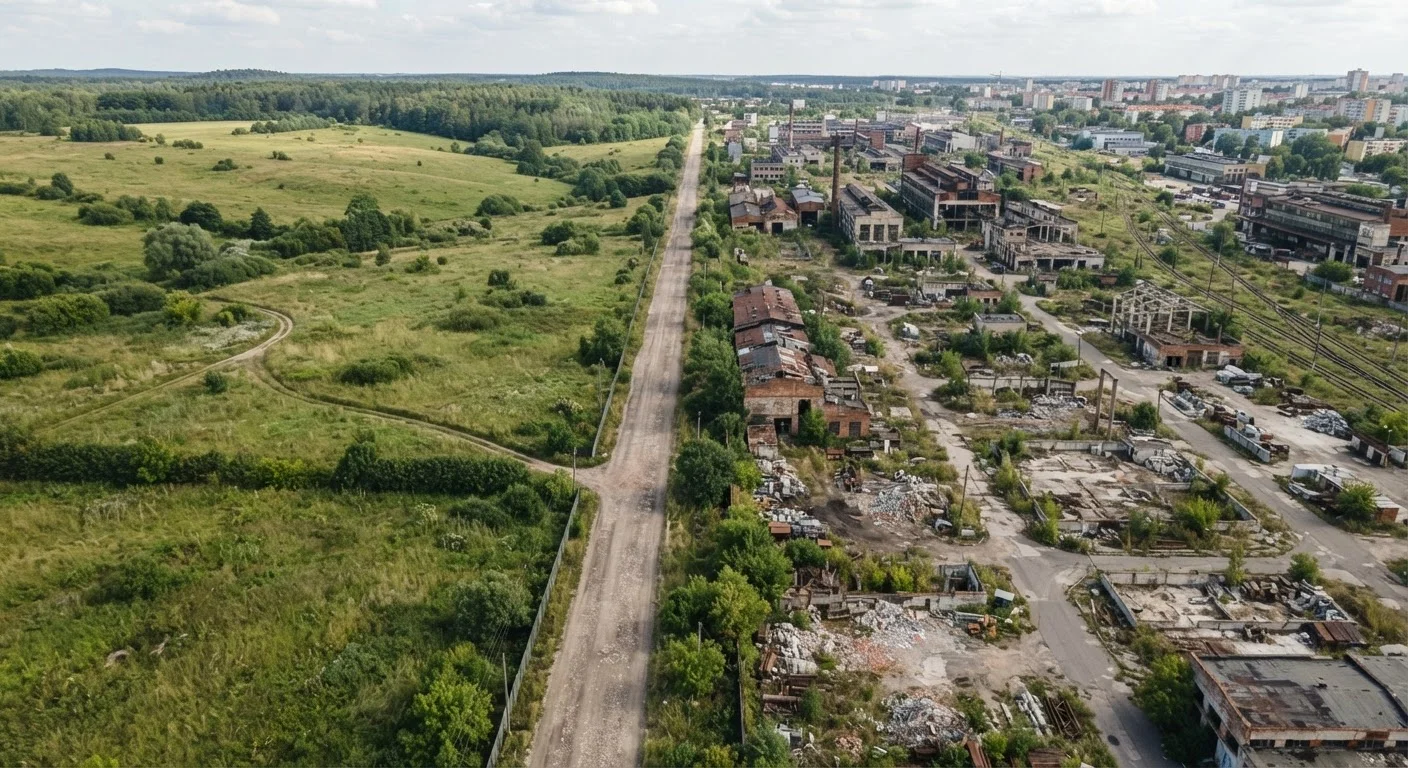
A brownfield site, by contrast, is land previously used for industrial, commercial, or institutional purposes — abandoned factories, old rail yards, former gas stations, or shuttered warehouses. The U.S. Environmental Protection Agency (EPA) defines brownfields as real property where expansion, redevelopment, or reuse may be complicated by the presence, or potential presence, of a hazardous substance, pollutant, or contaminant. For a broader introduction to how either path fits into the development lifecycle, see Property Development Explained.
Side-by-Side: Key Development Considerations
The practical differences between these two site types affect budget, schedule, and risk profile in meaningful ways. The comparison below outlines the most consequential factors developers and investors typically evaluate.
| Criterion | Greenfield | Brownfield |
|---|---|---|
| Prior land use | None — undeveloped | Industrial or commercial history |
| Infrastructure availability | Usually absent; must be built | Often existing or partially in place |
| Contamination risk | Generally low | Variable; may require remediation |
| Design flexibility | High — site built to spec | Constrained by existing conditions |
| Regulatory incentives | Limited | Federal and state programs available |
| Community reception | Often faces opposition to sprawl | Frequently welcomed as revitalization |
| Typical location | Suburban or rural fringe | Urban or established suburban areas |
| Permitting complexity | Zoning changes often needed | Contamination review adds complexity |
One consideration that applies equally to both paths is thorough pre-construction investigation. Environmental assessments, title searches, zoning reviews, and utility surveys are essential regardless of site type. Due diligence before breaking ground covers the full scope of what that process typically involves.
Greenfield Development: Advantages and Trade-Offs
Greenfield development gives project teams significant control. Layouts, utility placement, access roads, and structural design can all be planned without accommodating pre-existing conditions. This flexibility often makes greenfield sites attractive for large-scale residential subdivisions, logistics facilities, or campus-style commercial developments.
However, that clean slate comes with obligations. Developers typically must fund or coordinate the extension of roads, water, sewer, and electrical service to the site. Permitting may also involve environmental impact assessments, particularly where development encroaches on wetlands, agricultural zones, or habitat corridors. Community opposition to greenfield projects — sometimes called greenfield resistance — can be significant, especially when open land or farmland is at stake.
Zoning is another variable. Many greenfield parcels are zoned for agricultural or low-density use, requiring rezoning applications that add time and uncertainty to the development timeline.
450,000+
Estimated brownfield sites in the U.S.
The EPA estimates there are more than 450,000 brownfield properties across the United States awaiting assessment or redevelopment.
~$235K
Average remediation cost per brownfield acre
Remediation costs vary widely by contaminant type and intended use; figures cited in industry analyses suggest significant per-acre variability.
Brownfield Development: Advantages and Trade-Offs
Brownfield sites are embedded within existing urban or suburban fabric, which means infrastructure — roads, utilities, transit access — is typically already in place. That positional advantage can make brownfield projects attractive to developers targeting populations that prioritize walkability, transit access, or proximity to employment centers.
The primary challenge is contamination. Depending on a site's history, soil and groundwater may contain petroleum products, heavy metals, solvents, or other regulated substances. Remediation — the process of cleaning or containing contamination to levels safe for the intended use — can be expensive and time-consuming, with costs that are difficult to estimate at the outset.
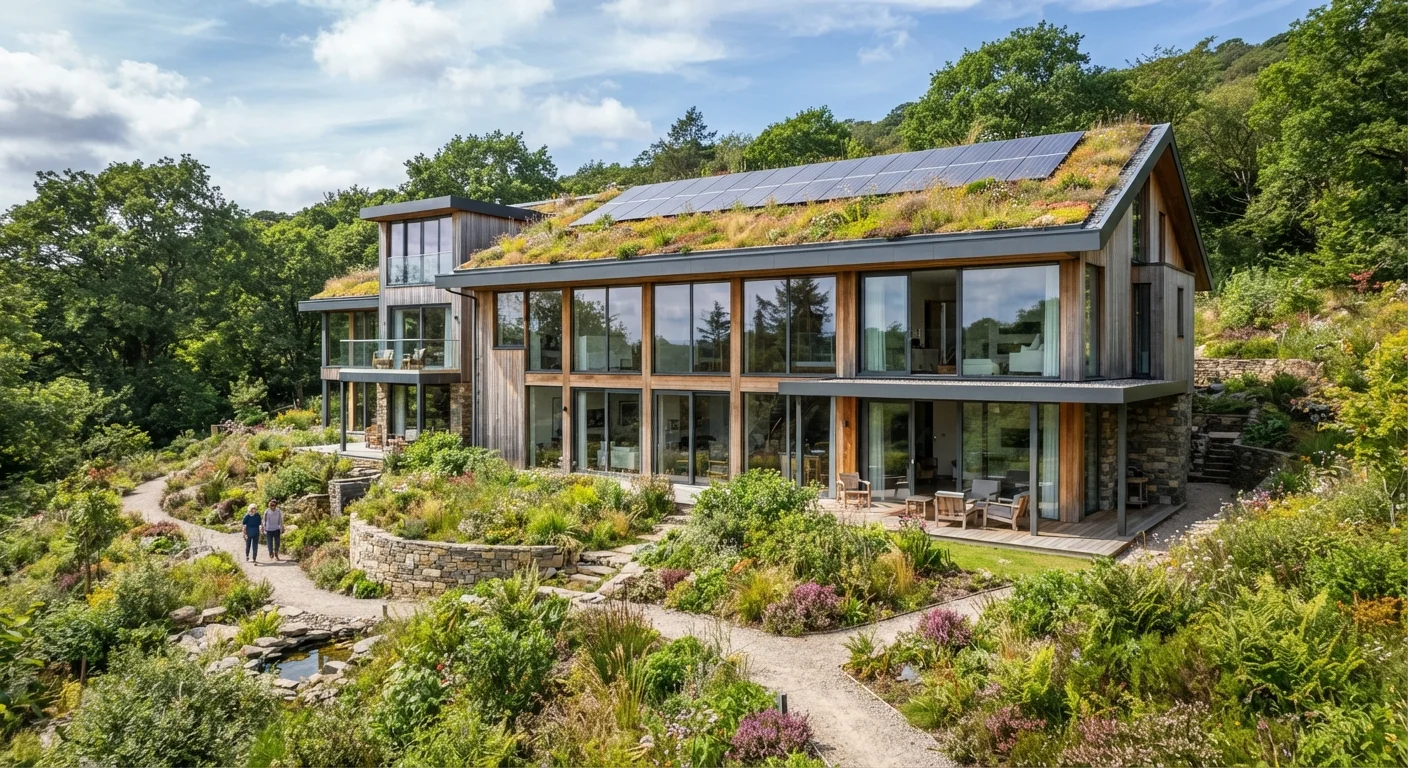
That said, federal and state programs actively incentivize brownfield redevelopment. The EPA's Brownfields Program provides grants and technical assistance, and many states offer tax credits or low-interest financing specifically for remediation projects. For projects incorporating sustainable construction approaches alongside redevelopment, sustainable building practices in modern property development can help reduce long-term operational costs and support incentive eligibility.
Brownfield projects also frequently align with infill development strategies. Infill development in existing urban areas shares similar site challenges and community dynamics worth understanding alongside brownfield work.
Phase I and Phase II Environmental Assessments
Before acquiring any brownfield site, developers typically commission a Phase I Environmental Site Assessment (ESA) — a records and inspection review to identify potential contamination concerns. If issues are flagged, a Phase II ESA follows, involving soil and groundwater sampling. These assessments are standard practice and often required by lenders. Results directly inform remediation planning and purchase negotiations.
Matching Site Type to Project Goals
Neither site type is inherently superior — the right choice depends on the project's use case, location strategy, budget, and risk tolerance. A regional distribution center with large footprint requirements and no need for urban adjacency may be well suited to a greenfield site. A mixed-use residential and retail project targeting downtown revitalization may be far better served by a brownfield, even with remediation costs factored in. Mixed-use development projects, in particular, often find brownfield sites advantageous given their existing community context.
For projects involving existing structures on a brownfield, adaptive reuse may offer a path that preserves embodied materials and construction history while bringing a site back into productive use. Developers should also consider how site type interacts with financing structures — a topic explored further in residential vs. commercial development.
Ultimately, both greenfield and brownfield paths require rigorous site assessment, clear project goals, and realistic cost modeling before any commitment is made.
This article is for general informational purposes only and does not constitute legal, financial, or investment advice. Consult qualified professionals — including environmental consultants, attorneys, and licensed financial advisers — before making development decisions.