
The Core Trade-off: Heat Damage vs. Mechanical Damage
The debate around air drying versus blow drying is often framed as a simple equation: heat equals damage, so avoiding heat must be safer. The reality is more nuanced. Both methods carry distinct risks, and understanding them requires looking at how hair behaves when wet.
Hair is weakest when saturated with water. The hydrogen bonds that give each strand its structure temporarily loosen, making hair more elastic but also more prone to breakage from stretching and friction. Air drying leaves hair in this vulnerable state for longer — sometimes 30 minutes to several hours depending on thickness and length. During that window, ordinary actions like brushing, sleeping on hair, or even letting it rub against a collar can cause mechanical damage.
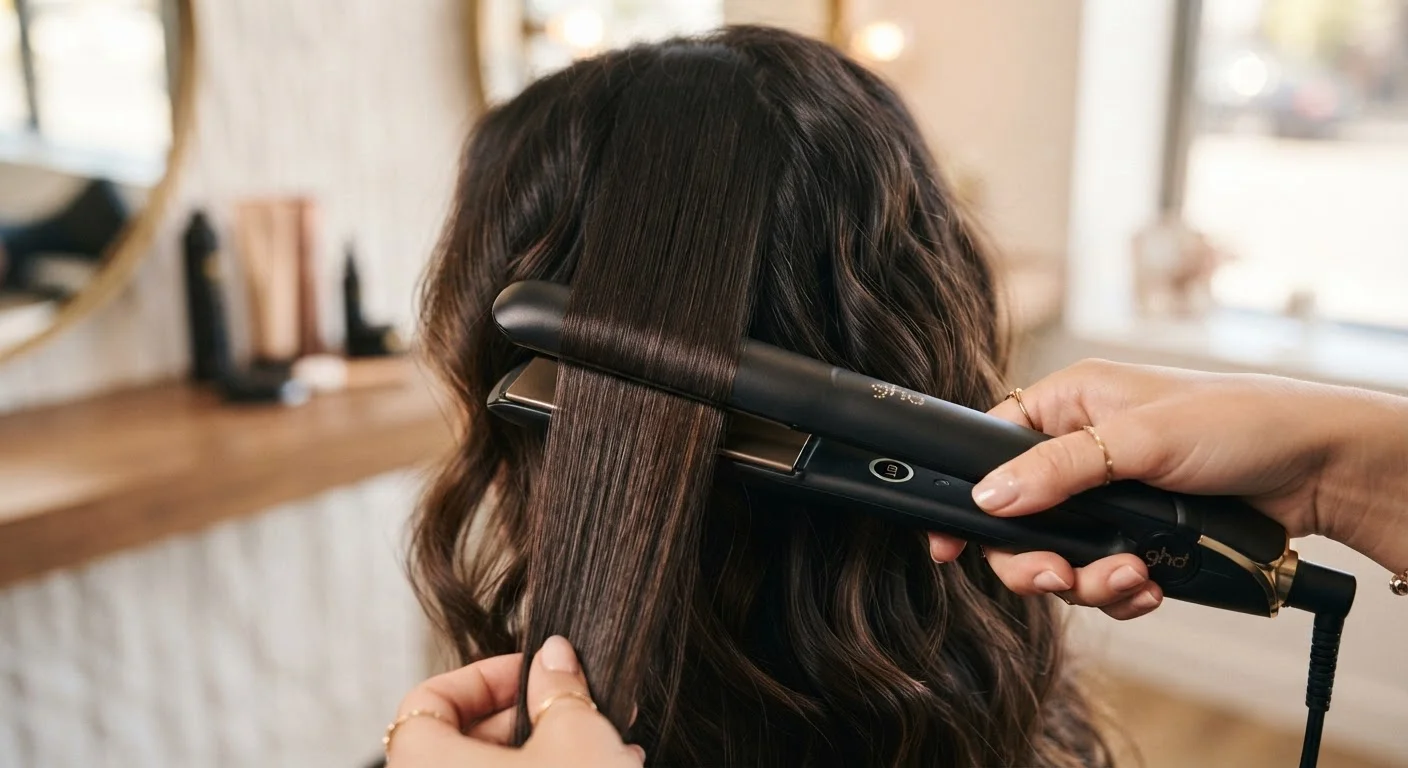
Blow drying introduces thermal stress. Sustained high heat degrades the cuticle layer and, over time, can reduce the hair's natural moisture-retention ability. However, research published in hair science literature suggests that drying hair at a moderate distance with airflow — rather than holding a dryer stationary at the scalp — produces less measurable structural damage than extended air drying. The key variable is technique, not simply the presence or absence of heat. See our breakdown of heat styling myths for a deeper look at what temperature thresholds actually matter.
| Criterion | Air Drying | Blow Drying |
|---|---|---|
| Heat exposure | None | Moderate to high, depending on setting |
| Mechanical damage risk | Higher (hair vulnerable while wet longer) | Lower if technique is correct |
| Drying time | 30 min to several hours | 10–30 minutes typical |
| Frizz control | Limited, especially in humidity | Strong with concentrator nozzle |
| Scalp moisture window | Extended — potential concern for some | Short — reduces microbial risk |
| Best for curl definition | Coily and curly types | Wavy types with diffuser |
| Energy/effort required | Minimal effort | Active effort, arm fatigue possible |
| Equipment needed | Microfiber towel helpful | Dryer, nozzle or diffuser attachment |
Scalp Health: The Overlooked Variable
Most drying discussions focus on the hair shaft — the visible strand — but the scalp is equally important and often ignored. Keeping the scalp persistently damp creates a warm, moist environment that can encourage the proliferation of Malassezia, a yeast-like fungus naturally present on most scalps. When it overgrows, it's associated with dandruff and seborrheic dermatitis in people who are susceptible.
This doesn't mean air drying causes dandruff in everyone. Individual susceptibility varies considerably based on sebum production, scalp pH, and existing microbial balance. But for anyone already managing scalp concerns, fully air drying thick or dense hair — which can keep the scalp wet for hours — may worsen the cycle. In these cases, using a blow dryer briefly at the roots with a low or medium heat setting can meaningfully reduce that moisture window without significant thermal harm to the mid-lengths and ends.
Towel Technique Makes a Difference
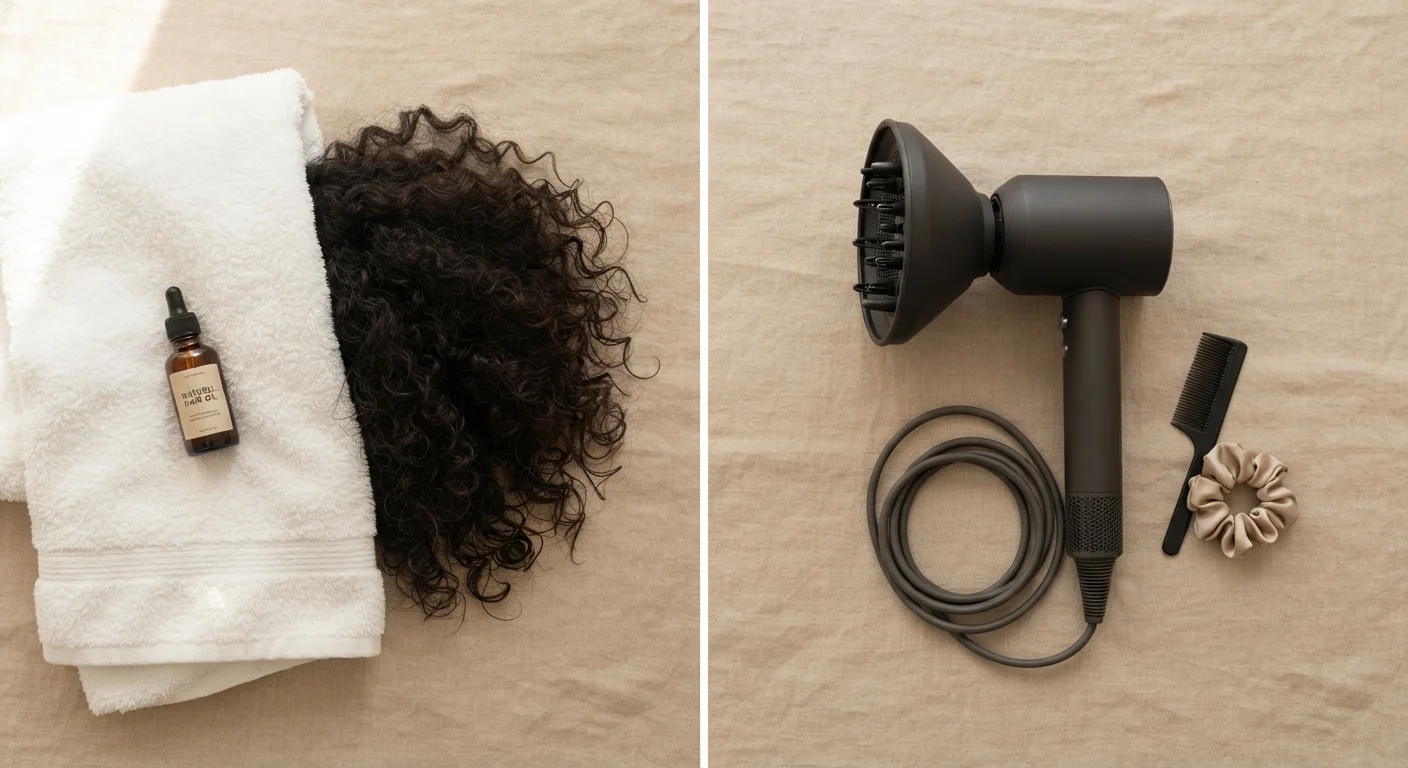
If you air dry, how you towel-dry first significantly affects outcomes. Rough terrycloth rubbing creates friction that roughens the cuticle and increases frizz. A microfiber towel or a soft cotton t-shirt used in a gentle squeeze-and-press motion removes excess water without the same mechanical stress. This single adjustment can reduce frizz and breakage noticeably for those committed to heat-free drying.
For broader context on routine habits that support scalp and strand health together, see our article on hair care habits backed by consistent evidence.
Frizz, Porosity, and What Your Hair Type Actually Needs
Frizz is the result of the cuticle layer lifting and absorbing ambient humidity unevenly. Air drying in a humid environment gives the cuticle ample time to react to surrounding moisture, which is why many people find their hair frizzes more when they air dry. Blow drying with a concentrator nozzle directs airflow downward along the cuticle, encouraging it to lie flatter as it dries — a mechanical advantage air drying simply cannot replicate.
Hair porosity — how readily the strand absorbs and releases moisture — also shapes the outcome. High-porosity hair (common in chemically treated or heat-damaged strands) absorbs moisture quickly but loses it just as fast, making controlled blow drying useful for sealing the cuticle at the right moment. Low-porosity hair resists moisture uptake, so extended wet periods don't offer much benefit; here, air drying is often gentler and sufficient. Understanding your own porosity is essential before committing to either method. Our guide to hair type, texture, and density differences explains how to assess these characteristics accurately.
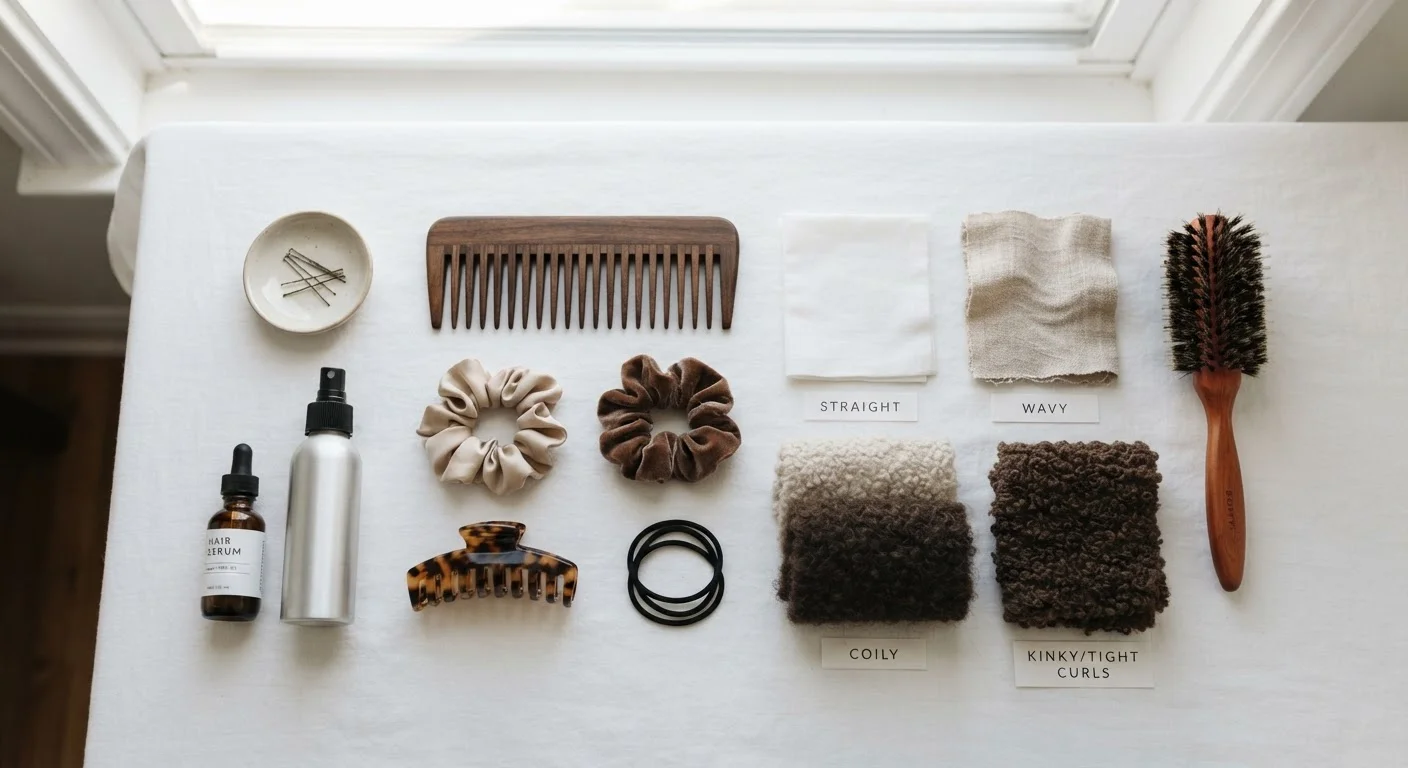
Curl pattern is another practical factor. Tightly coiled hair often benefits from air drying with minimal manipulation to preserve curl definition, while wavy hair frequently loses its pattern to frizz without some directed airflow. Neither outcome is universal — experimentation within your hair's specific structure matters more than any general rule.
~30%
Reduction in cuticle damage with proper blow-dry distance
A study in the Annals of Dermatology found hair dried with a blow dryer held 15 cm away showed less surface damage than hair left to air dry, attributed to reduced swelling stress on the cortex.
2–4 hrs
Typical air-dry time for thick or dense hair
Longer drying times extend the period during which the hair cortex is swollen with water, a state associated with increased fragility and cuticle lifting.