
Why Consistent Habits Outperform Occasional Heroics
Social media has a way of making hair care look like a series of dramatic transformations — the right mask, the right serum, and suddenly everything changes. In reality, the research and professional consensus point in a different direction: steady, well-chosen habits deliver better results than sporadic intensive treatments.
This article focuses on the practices that hold up across a wide range of hair types, textures, and lifestyles. If you're looking to build a hair care routine from scratch, the habits below give you a solid framework to work from.
Trim hair based on condition signals, not a rigid calendar
Split ends and mechanical damage progress at different rates depending on heat use, chemical processing, and hair texture. Waiting for visible or tactile cues — rough ends, tangles, single-strand knots — avoids over-trimming while still preventing damage from traveling upward.
Balance protein treatments with moisturizing conditioners
Protein and moisture work in opposition — too much of either causes its own set of problems. Pairing a protein treatment with a hydrating conditioner maintains the flexibility hair needs to resist everyday tension and friction.
Detangle from ends to roots, always starting at the tips
Starting at the roots forces tangles downward, compounding them and increasing the force needed to remove them. Working upward from the ends removes knots in smaller, manageable sections, significantly reducing breakage.
Cleanse your scalp according to its actual oil production, not habit
Washing too frequently can strip the scalp's natural sebum, triggering compensatory oil production. Washing too infrequently allows buildup that may impede follicle health. Calibrating wash frequency to how your scalp actually behaves is more effective than following a generic schedule.
Protect hair during sleep with low-friction surfaces or coverings
Cotton pillowcases create friction that roughens the hair cuticle and encourages tangling and breakage overnight — particularly for curly and coily textures. Switching surfaces or using a protective covering preserves the cuticle layer and reduces morning detangling time.
Trimming: How Often Is Often Enough?
One of the most persistent myths in hair care is that frequent trims make hair grow faster. They don't — hair grows from follicles at the scalp, not from the ends. What trims do accomplish is meaningful: removing split ends before they travel up the hair shaft, which prevents the gradual shortening that comes from breakage.
A reasonable general range is every 8–12 weeks for most hair types, though people with chemically processed or heat-styled hair may benefit from trimming closer to every 6–8 weeks. Coily and tightly textured hair, which is naturally more prone to dryness at the ends, may follow a similar schedule or stretch longer depending on condition. If you're wearing protective styles, trims before and after extended wear help keep ends healthy.
The honest signal to watch for: visible split ends, single-strand knots, or ends that feel rough and tangle easily. Those cues matter more than any fixed calendar.
Protein Treatments: Useful Tool, Easy to Overdo
Hair is primarily composed of a protein called keratin. Repeated heat styling, chemical processing, and even daily friction gradually degrade the protein bonds that give each strand its structure. Protein treatments work by temporarily filling in gaps along the hair shaft, restoring some elasticity and strength.
The key word is temporarily — and the key risk is excess. Hair that receives too much protein becomes rigid, loses flexibility, and paradoxically breaks more easily. This condition, sometimes called protein overload, is common in people who apply strengthening treatments too frequently without balancing them with adequate moisture.
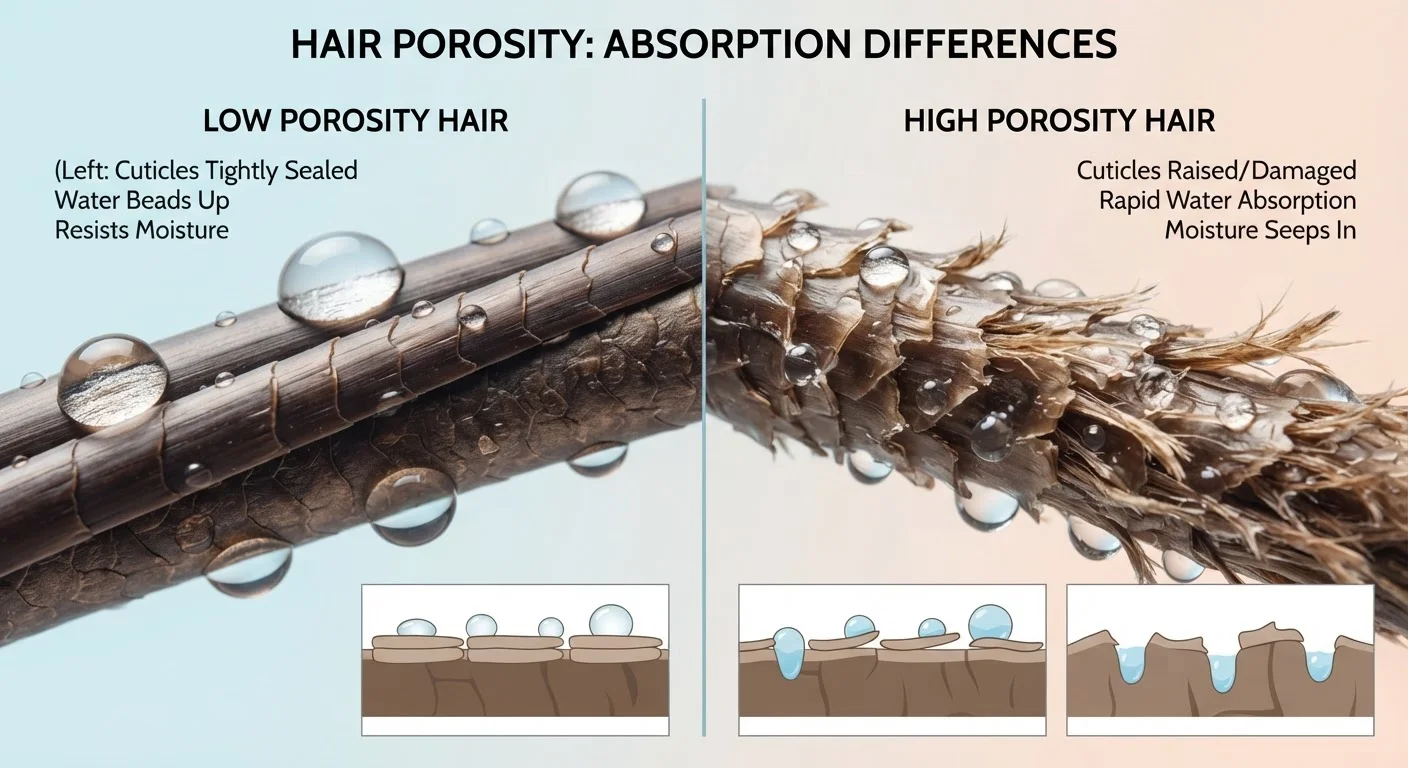
A practical rule: use a protein treatment only when hair shows signs of damage — excessive elasticity when wet (hair stretches and doesn't spring back), limpness, or unusual breakage. Afterward, follow with a hydrating conditioner. Understanding your hair's porosity can help you gauge how readily it absorbs protein and moisture, making it easier to calibrate treatment frequency.
Test for Protein Overload Before Treating
Take a single strand of wet hair and gently stretch it. Healthy hair typically stretches a little before returning to its original length. If the strand snaps immediately with almost no stretch, it may already have too much protein and need moisture instead. If it stretches significantly and doesn't return, it likely needs a protein treatment. This simple test helps you avoid making the imbalance worse.
Scalp Care, Gentle Handling, and the Habits That Add Up
The scalp is the foundation of healthy hair. A clean, well-moisturized scalp supports the follicle environment where growth begins. Buildup from products, excess oil, or dead skin cells can interfere with follicle function over time. Scalp health and hair growth are more connected than most people realize — regular, gentle cleansing tuned to your scalp type (whether oily, dry, or balanced) is one of the most reliable investments you can make.
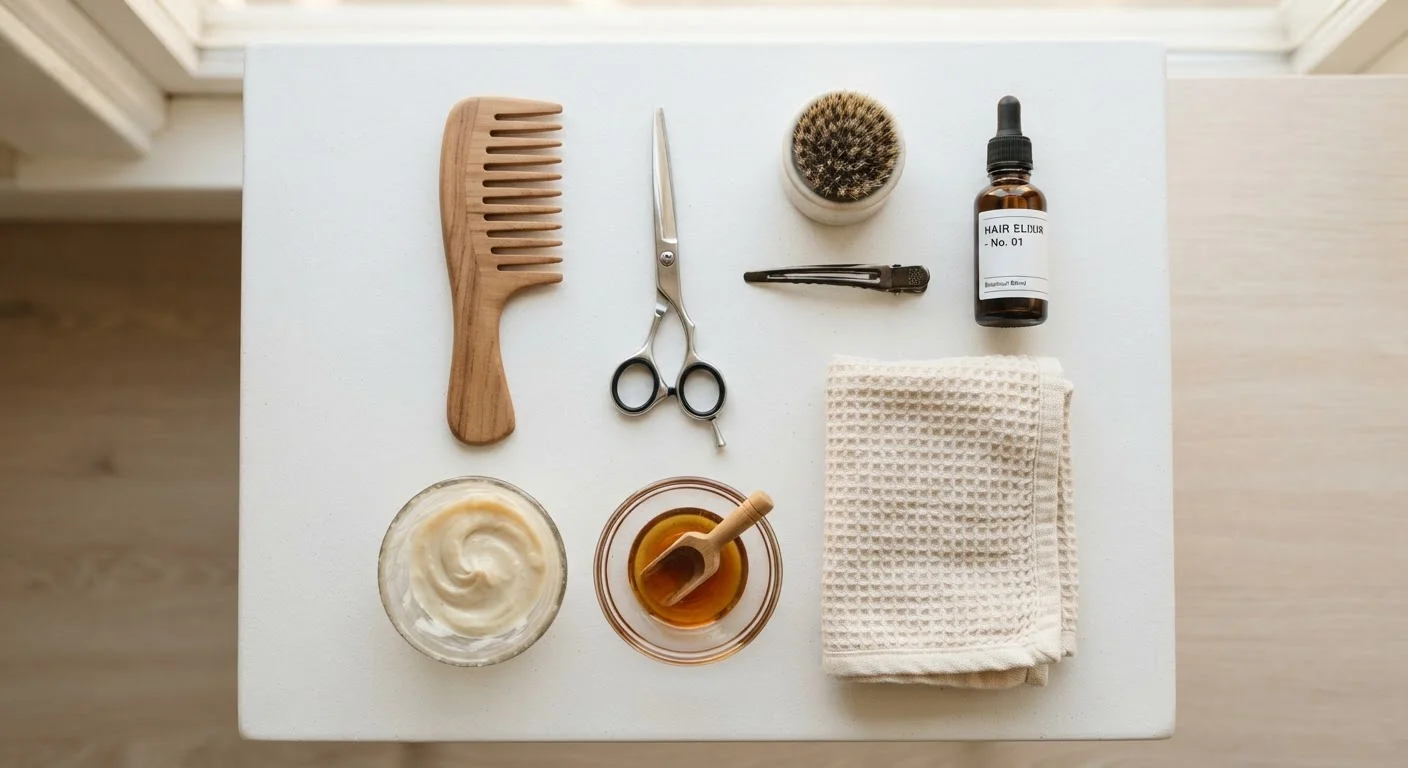
Mechanical damage is the other major culprit most routines underestimate. Habits that quietly cause breakage — aggressive towel drying, brushing wet hair with a fine-tooth comb, tight elastic bands — accumulate over weeks and months. Switching to a microfiber towel or a soft cotton T-shirt for drying, detangling gently with a wide-tooth comb starting from the ends, and choosing hair-friendly accessories are small changes with meaningful cumulative payoff.
When evaluating products for any step of your routine, the hair ingredient glossary is a practical reference for understanding what you're actually applying — and why certain formulas work better for different needs.